800-671-4304
Maine Paramedics Now Offer Buprenorphine After Opioid Overdoses
Published: 06/3/2026
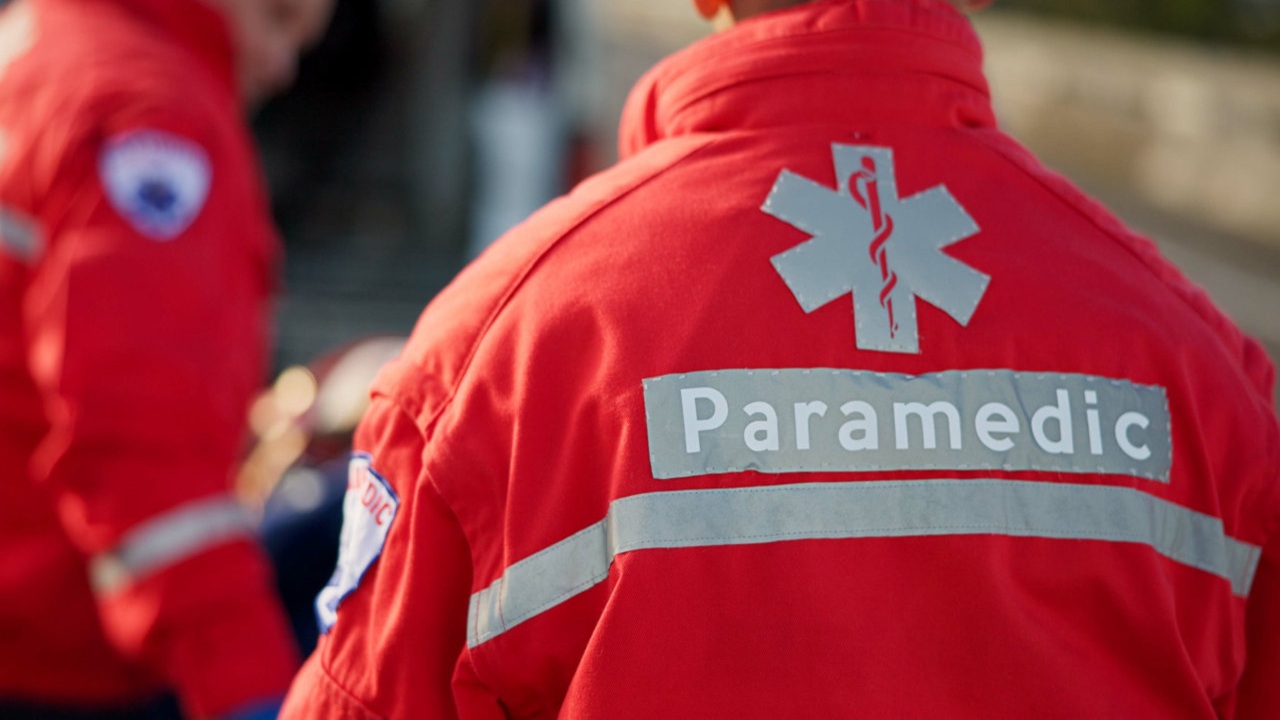
Maine’s first EMS-based medication-assisted treatment (MAT) pilot program to address opioid overdoses with buprenorphine is now underway in Westbrook. The Pine Tree State has long offered inpatient and outpatient forms of detox to fit anyone’s circumstances, with plentiful options available throughout the state. Now, the fire department paramedics in Westbrook can administer buprenorphine directly in the field after reversing overdoses.
The program, announced at a Westbrook City Council meeting in May 2026, represents a significant shift in how first responders approach opioid crises. Until now, paramedics could reverse an overdose with naloxone but had no tools to treat the underlying withdrawal symptoms that often drive patients to use again within hours.
“The current gap in EMS care is we can reverse the overdose,” noted Westbrook Fire Chief Steve Sloan during the meeting. He added, “But we can’t treat the withdrawals.”
MAT Matters
For people dependent on opioids, the period immediately following an overdose reversal is medically and psychologically critical. When naloxone blocks opioid receptors, it can trigger abrupt and severe withdrawal. The process causes intense cravings, pain, nausea and anxiety that frequently lead patients to refuse further care and relapse quickly.
With documented shortages of MAT programs throughout Maine, Westbrook’s program comes at a crucial time. In 2025, Westbrook recorded 59 overdoses, of whom 35 declined care. Only 17 received naloxone, and none received further treatment afterward. That cycle is precisely what this pilot program aims to break.
Administering buprenorphine in the field can cut the risk of death by up to 50%, Chief Sloan pointed out. That figure reflects growing evidence supporting the effectiveness of initiating MAT ASAP within the healthcare system.
Buprenorphine Works
Buprenorphine is a partial opioid agonist that activates opioid receptors enough to relieve withdrawal symptoms and reduce cravings without producing the intense euphoria associated with full opioids like heroin or fentanyl. When combined with naloxone (as in Suboxone), it also has abuse-deterrent properties.
Under the program, paramedics provide Suboxone to folks who overdose. The quick action bridges emergency response to ongoing care. This model is sometimes called “low-barrier” or “meet them where they are” treatment initiation.
From Overdose Scene to Long-Term Recovery
What distinguishes Westbrook’s approach is the follow-up component built into the program. After giving buprenorphine, FD personnel reach out to patients with follow-up plans and assist with longer-term challenges like food insecurity, housing problems and access to medical care.
Westbrook’s fire department partners with their brethren in the city’s police department’s Behavioral Health Unit and MaineHealth Comprehensive Addiction Medicine. The joint venture connects patients with follow-up care and recovery resources.
This integrated model reflects current best practices in addiction medicine. Medications alone are most effective when combined with counseling, case management and social support. That way, they don’t just address the physiological dependence, but the root conditions that sustain it.
Levels of Opioid Detox Care
Westbrook’s pilot occupies an important but often overlooked level of the care continuum: the emergency stabilization bridge. Structured detox programs offer escalating levels of supervision:
- ASAM Level 4 (Medically-Managed Inpatient) provides 24-hour physician oversight and is appropriate for patients with severe medical complications alongside opioid withdrawal.
- ASAM Level 3.7 (Medically-Monitored Inpatient) offers round-the-clock nursing for those with significant withdrawal severity who don’t require intensive medical intervention.
- ASAM Level 3.2 (Clinically-Managed Residential) offers a residential setting for patients with stable medical status who need a safe environment to begin recovery.
Buprenorphine initiated in the field can ease the transition into any of these levels by managing acute withdrawal and reducing the likelihood a patient leaves before receiving care.
Medical Detox in Maine
If you or someone you love has opioid dependence, what happened in Westbrook reflects a broader movement. Connecting people with MAT as early as possible saves lives.
Should you or anyone you know also need assistance to get through withdrawal and leave drugs behind for good, reach out. Call 800-996-6135 or browse through our directory for MAT and detox programs in any location in the U.S. today.