401-217-5321



Providence’s detoxification landscape merges innovative harm reduction with robust, state-supported medical care.
Regulated primarily by the Rhode Island Department of Behavioral Healthcare, Developmental Disabilities & Hospitals (BHDDH) and the Rhode Island Department of Health (RIDOH), the system has rapidly evolved to tackle the localized crisis of synthetic opioids like fentanyl and xylazine. Rhode Island is notably pioneering in its approach, recently opening the nation’s first state-regulated overdose prevention center (OPC) in Providence through a partnership between Project Weber/RENEW and VICTA.
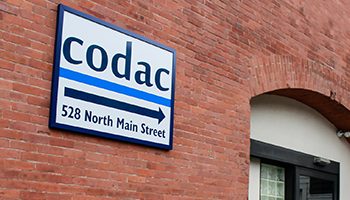
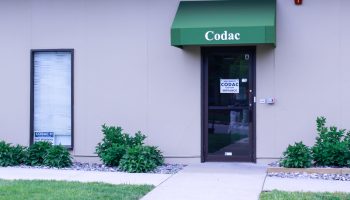
Because of a highly connected local network that utilizes a “Centers of Excellence” (COE) hub-and-spoke model, navigating care in Providence is made less daunting. For example, facilities like CODAC Behavioral Healthcare operate as high-capacity hubs providing immediate Medication-Assisted Treatment (MAT) and detox assessments.
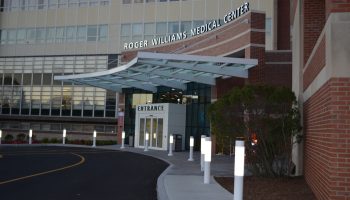
Geographically, many essential medical detox and stabilization services are clustered near the Rhode Island Hospital campus in South Providence, remaining accessible to residents without vehicles via the state’s RIPTA transit system, which routes through downtown’s Kennedy Plaza.
Recent state initiatives are continuously removing administrative barriers to care. For residents in crisis, the state funds BH Link, a 24/7 behavioral health triage center just over the city line in East Providence that provides immediate stabilization and bridging to residential detox beds.
Furthermore, Rhode Island’s 24/7 Buprenorphine Hotline is a transformative local resource, allowing Providence residents experiencing opioid withdrawal to receive an immediate telehealth induction and prescription, effectively bypassing traditional emergency room delays during critical moments of need.