800-262-4205
Integrated Health Clinics

About Integrated Health Clinics
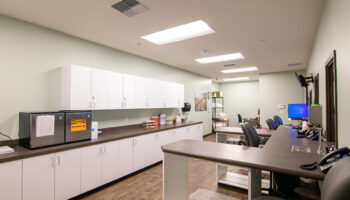
Integrated Health Clinics is an outpatient treatment organization in Eugene, Oregon. Services offered include medication assisted treatment (MAT) for detox and maintenance, behavioral health screenings and counseling for co-occurring disorders.
Additional supportive services include DUII (Driving Under the Influence of Intoxicants) rehab, and HIV, TB and hepatitis screening and counseling. The treatment programs are CARF accredited, and they serve clients 18 years of age and older.
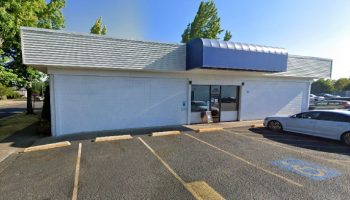
They have services in English and Spanish. Clients can pay for treatment with most major health insurance plans. Integrated Health Clinics also accepts Medicaid. The facility is easily accessible from major roads.
Laying the Foundation for Recovery
Medication assisted treatment helps through a combination of medication and counseling. Medication will help manage your withdrawal symptoms and cravings. As you proceed with counseling, you’ll learn the cause of your addiction and develop relapse prevention strategies.
One client remarked, “Almost five years have passed…every day I thank…the guys…who helped me cope with my addiction.” Others have noted the support and encouragement offered by the staff, especially in regard to the role of family involvement in their recovery.
Inclusive and Affirming Treatment
The staff welcomes everyone and offers LGBTQ+ affirming treatment. They have experience treating veterans, active military and their families. Staff emphasize that they are experienced in offering “individualized counseling and treatment.”
| Levels of Care | Detox Service Setting | Programs | Payment Options | Medications Offered |
|---|---|---|---|---|
|
Inpatient and residential programs provide round-the-clock medical and emotional support as you live at the treatment facility. This level of care may be recommended if you have severe addictions or mental health conditions since it removes outside distractions and allows you to focus solely on therapy. |
In outpatient therapy, you’ll attend therapy sessions several times each week while living at home. This is ideal if you have a strong support system and a lower risk of relapse. Outpatient treatment offers flexibility to maintain work, school or family obligations. |
Aftercare programs provide ongoing support after you complete a rehab program. They may include several components to help you maintain sobriety including therapy, community support groups and relapse prevention strategies. This gives you a network of resources as you reintegrate into your daily life. |
||
|
Outpatient detox gives you access to medically supervised withdrawal services while still allowing you to live at home. You’ll attend a clinic for treatment and monitoring. This flexible option is suitable for those with mild to moderate withdrawal symptoms who have strong support systems. |
Medication assisted treatment combines medication and counseling to manage withdrawal and reduce cravings for opioid and alcohol addiction. Medications may include methadone, buprenorphine or naltrexone. MAT is tailored to your needs so you can actively participate in your treatment journey. |
|||
|
Adult programs address the substance use and life challenges specific to adults. Therapists can deliver sessions in individual, group and family settings. Services often include job support and life skills training in a structured environment.
|
Young adult programs are designed for individuals who are transitioning into adulthood. Topics of discussion typically include identity, independence and peer relationships. Providers may also offer life skills training and career support.
|
Women's programs offer a safe and supportive space to focus on gender specific issues such as trauma, family roles and mental health conditions. Therapists tailor the sessions to address women's needs and foster empowerment in a healing and nurturing environment.
|
Men's programs address substance use while also considering the social pressures, family roles and mental health concerns that are specific to men. You’ll learn healthy coping mechanisms as you build emotional resilience and develop communication skills.
|
|
|
Self Pay
|
Medicaid
|
State Family Services
|
Medicare
|
Private Insurance
|
|
Methadone
|
Levels of Care
Inpatient and residential programs provide round-the-clock medical and emotional support as you live at the treatment facility. This level of care may be recommended if you have severe addictions or mental health conditions since it removes outside distractions and allows you to focus solely on therapy.
In outpatient therapy, you’ll attend therapy sessions several times each week while living at home. This is ideal if you have a strong support system and a lower risk of relapse. Outpatient treatment offers flexibility to maintain work, school or family obligations.
Aftercare programs provide ongoing support after you complete a rehab program. They may include several components to help you maintain sobriety including therapy, community support groups and relapse prevention strategies. This gives you a network of resources as you reintegrate into your daily life.
Detox Service Setting
Outpatient detox gives you access to medically supervised withdrawal services while still allowing you to live at home. You’ll attend a clinic for treatment and monitoring. This flexible option is suitable for those with mild to moderate withdrawal symptoms who have strong support systems.
Medication assisted treatment combines medication and counseling to manage withdrawal and reduce cravings for opioid and alcohol addiction. Medications may include methadone, buprenorphine or naltrexone. MAT is tailored to your needs so you can actively participate in your treatment journey.
Programs
Medications Offered
Accreditations

Accepted Insurance



Contact


- Monday 6AM - 2:30PM
- Tuesday 6AM - 2:30PM
- Wednesday 6AM - 2:30PM
- Thursday 6AM - 2:30PM
- Friday 6AM - 2:30PM
- Saturday 7AM - 9:30AM
- Sunday Closed

Susan is a freelance writer and photographer who loves writing from home with her dog, Jack Bauer, at her feet. Having transcribed patient charts in a mental health and addiction treatment hospital, she’s well informed on the subject of substance use and co-occurring disorder treatment. She’s experienced in content creation and writes her own photography blog and newsletter.

Eric has a passion for content creation, whether it’s writing articles or making YouTube videos. He appreciates the power of storytelling to inform an audience about the information they need to know. In addition to writing, he also spends his time traveling and discovering new restaurants.
Detox.com regularly reviews this listing for accuracy but changes may occur between updates. For the most up-to-date information, please contact Integrated Health Clinics.