801-436-6978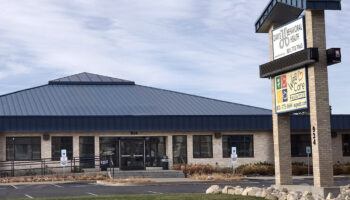
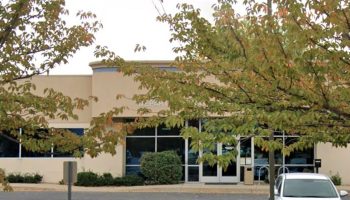

Ogden sits in Weber County, one of Utah’s hardest-hit regions for drug-related overdose deaths. Weber County recorded the highest drug overdose death rate of any county in the state in 2023, and the Downtown Ogden area is specifically flagged by the Utah Department of Health and Human Services as a small area with significantly elevated rates.
The city’s combination of a large unhoused population (second in Utah only to Salt Lake County) and a rising fentanyl supply has pushed local providers, public health agencies and law enforcement into increasingly close coordination.
The primary state licensing authority for all detox and substance use disorder treatment facilities in Utah is the Division of Substance Abuse and Mental Health (DSAMH), which operates under the Utah Department of Health and Human Services. DSAMH licenses and monitors every certified treatment facility in Weber County.
At the local level, Weber Human Services functions as the community mental health and substance abuse authority for Weber and Morgan counties, operating its own outpatient, residential and medication-assisted treatment programs and serving as a referral hub for people who need inpatient medical detox.
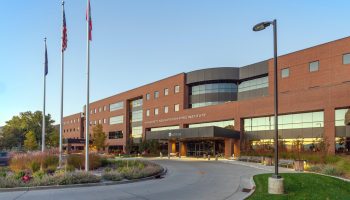
Ogden currently has approximately 17 accredited drug and alcohol detox, outpatient, and inpatient programs. Ogden Regional Medical Center’s Alcohol and Chemical Treatment Center (ACT), one of the oldest established detox programs in Northern Utah, provides medically supervised inpatient detox with 24-hour nursing oversight.
In addition, private residential programs such as Brighton Recovery Center (Joint Commission-accredited) and Renaissance Ranch also serve the area. For people who cannot access private care, Weber Human Services coordinates publicly funded services on a sliding fee scale and assists clients with Medicaid enrollment.
Notably, Weber County was the first jurisdiction in Utah to install harm reduction vending machines in public locations. That initiative, launched in early 2026 by Weber Human Services and Ogden City Communities That Care, reflects a broader shift toward meeting people at their point of need, whether or not they are ready for formal treatment.