Find Drug & Alcohol Detox Centers in Washington D.C.

Detox Centers in Washington D.C.

9 Results
Filters
Setting
Medications Offered
Treatment
Programs
Payment Options
Name Address Detox Service Setting Levels Of Care Media

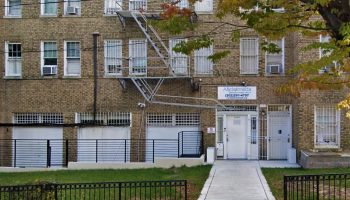
Andromeda Transcultural Health

1400 Decatur Street Northwest District of Columbia, Washington D.C. 20011
Detox Service Setting
Outpatient Detox
Levels Of Care
OutpatientAftercareDual Diagnosis
Andromeda Transcultural Health

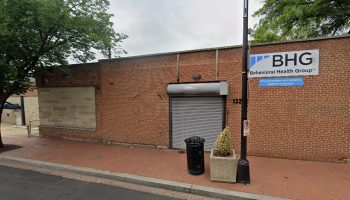
Behavioral Health Group BHG

1320 Good Hope Road Southeast District of Columbia, Washington D.C. 20020
Detox Service Setting
Outpatient Detox
Levels Of Care
OutpatientDual Diagnosis
Behavioral Health Group BHG

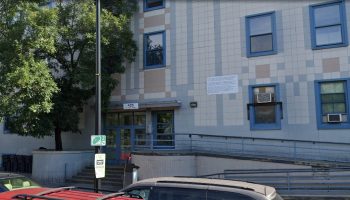
Clean & Sober Street

425 2nd Street Northwest District of Columbia, Washington D.C. 20001
Detox Service Setting
Inpatient DetoxOutpatient Detox
Levels Of Care
InpatientOutpatientDual Diagnosis+2
Clean & Sober Street

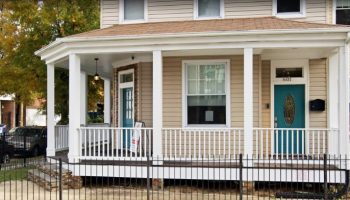
Federal City Recovery Services

601 Raleigh Place Southeast District of Columbia, Washington D.C. 20032
Detox Service Setting
Inpatient Detox
Levels Of Care
InpatientDual DiagnosisSober Living
Federal City Recovery Services

Salvation Army Harbor Light Center

2100 New York Ave NE District of Columbia, Washington D.C. 20002
Detox Service Setting
Inpatient DetoxOutpatient Detox
Levels Of Care
InpatientOutpatient
Salvation Army Harbor Light Center

Clean and Sober Streets

425 2nd Street Northwest District of Columbia, Washington D.C. 20001
Detox Service Setting
Inpatient DetoxOutpatient Detox
Levels Of Care
InpatientOutpatientDual Diagnosis+1
Clean and Sober Streets

DC Central Detention Facility

1901 D Street SE Washington, DC 20003
Detox Service Setting
Hospital DetoxInpatient Detox
Levels Of Care
InpatientDual Diagnosis

MAT Recovery Centers – District of Columbia

3301 New Mexico Ave NW #346 Washington, DC 20016
Detox Service Setting
Hospital DetoxOutpatient DetoxMAT
Levels Of Care
OutpatientDual DiagnosisAftercare+1

The Palisades House Men’s Sober Living

1638 R St NW Washington, DC 20009
Detox Service Setting
Hospital Detox
Levels Of Care
AftercareSober Living

Drug & Alcohol Detox in Washington D.C.

The opioid crisis has hit some District neighborhoods far harder than others. For example, Wards 7 and 8 accounted for nearly half of DC residents who died of opioid overdose in a recent year, despite representing a much smaller share of the District’s population.

Additionally, 85 percent of opioid overdose deaths District-wide occurred among Black residents. Of great concern is the finding that fentanyl has become almost universally present in these deaths. In fact, by 2023, fentanyl or a fentanyl analog was found in 99 percent of DC’s fatal opioid overdoses, up from just 22 percent in early 2015.

The District coordinates its response through LiveLongDC, a multi-agency strategic plan backed by $24.9 million in federal State Opioid Response funding in a recent single fiscal year. People looking for detox in the District of Columbia can often access care quickly through the city’s public treatment system. The Assessment and Referral Center at 75 P Street NE serves as the primary entry point, offering same-day assessments and referrals to certified treatment providers. Walk-ins are accepted without an appointment if they arrive before 3:30 pm.

The DC Department of Behavioral Health (DBH) is the District’s Single State Authority for substance use disorder treatment. It certifies the network of community-based providers that offer detoxification, residential, and outpatient SUD services. DC Health separately licenses facilities and controlled substance registrations, while the Office of the Chief Medical Examiner (OCME) tracks fatal overdose data through its Overdose Fatality Review Board.


Find The Perfect Detox Center For You

Filter treatment centers in Washington D.C. by level of care offered to find the best detox program for you or a loved one.

Paying for Detox in Washington D.C.

Detox costs in DC vary by facility type, and the District’s Drug Treatment Choice Program is specifically designed to connect residents to detox, residential, and outpatient care regardless of insurance status. For anyone considering treatment, reviewing how much detox costs can help you set expectations for treatment planning.

How Much Does Detox Cost in Washington D.C.?

All four levels below reflect District of Columbia-specific averages. As a dense urban market, DC’s private treatment costs may run at the higher end of these ranges. These are cash-pay figures before insurance, Medicaid, or other aid; most people with coverage pay significantly less.

$164,000
Medical Detox
$59,000
Inpatient Rehab
$10,000
Outpatient Rehab
$9,000
Methadone Treatment

Medicare and Medicaid in Washington D.C.

Medicare

Medicare covers medically necessary detox and OTP services, including methadone, buprenorphine, and naltrexone, under Part B for DC beneficiaries, with cost-sharing depending on the treatment setting.

Medicaid

DC Medicaid, administered by the Department of Health Care Finance, covers detox, residential care, outpatient services, and MAT through managed care organizations including AmeriHealth Caritas DC and CareFirst Community Health Plan DC. DBH and DHCF are actively working to more fully integrate behavioral health services into DC’s Medicaid managed care program.

Other Ways to Pay for Detox Treatment

Several programs help DC residents cover the cost of detox:

Drug Treatment Choice Program

This District program connects residents to detox, residential, and outpatient treatment regardless of insurance status, including Medicaid, Medicare, and uninsured options.

Same-Day Assessment and Referral

The DBH Assessment and Referral Center provides free same-day evaluation and connects residents to a certified provider that fits their needs and financial circumstances.

Recovery Housing Support

LiveLongDC funded recovery housing for 278 individuals across all eight wards in a recent year, supporting people after detox and residential treatment.

Faith-Based and Community Grants

DC funds faith-based organizations and prevention centers in every ward to connect residents and families to treatment and recovery support.

Washington D.C. Regulations and Accreditation for Detox

The following agencies regulate detox and SUD treatment in the District of Columbia:

DC Department of Behavioral Health (DBH)

DBH is the District’s Single State Authority for substance use disorder treatment and certifies the community-based provider network offering detoxification, residential, and outpatient SUD services. See dbh.dc.gov.

DC Health

DC Health licenses healthcare facilities and controlled substance registrations, and leads the District’s Overdose Data to Action surveillance work, including drug sample testing and naloxone distribution tracking. See dchealth.dc.gov.

Office of the Chief Medical Examiner (OCME)

OCME investigates fatal overdoses District-wide and convenes the Overdose Fatality Review Board, which publishes annual reports identifying patterns behind opioid deaths by ward and demographic. See ocme.dc.gov.

Department of Health Care Finance (DHCF)

DHCF administers DC Medicaid and is working with DBH to fully integrate behavioral health, including SUD treatment, into the District’s Medicaid managed care program. See dhcf.dc.gov.

Key MAT Medications and Regulatory Status in Washington D.C.

Medication-assisted treatment in the District is regulated federally under SAMHSA’s 42 CFR Part 8 and DEA rules, with DBH certifying opioid treatment programs locally. District policy has pushed treatment facilities to provide on-site access to all three FDA-approved MAT medications, either directly or through a contracted provider, so a person does not need to be turned away or referred elsewhere based on which medication they need.

Buprenorphine

Buprenorphine is available through outpatient prescribers and DBH-certified providers across the District, including primary care settings integrated with SUD treatment. It remains one of the most accessible MAT options in DC.

Methadone

Methadone requires daily on-site dosing at a certified opioid treatment program. DC’s OTPs report strong retention rates, with more than 90 percent of patients connected to these providers remaining in care through a recent fiscal year.

Naltrexone

Naltrexone requires no special OTP certification and can be prescribed by any qualified provider in the District. It is used for both opioid and alcohol use disorder and is covered under DC Medicaid.

Overdose Prevention and Harm Reduction in Washington D.C.

The District has built one of the more data-driven harm reduction responses in the country through LiveLongDC, which rapidly identifies emerging threats like fentanyl, fluorofentanyl, and xylazine in the local drug supply and redirects naloxone distribution accordingly. In 2024 alone, DC Health analyzed nearly 3,000 drug samples to track what was actually circulating on District streets.

These critical programs exist to keep DC residents alive long enough to reach detox and increase access to treatment when they are ready.

LiveLongDC

Coordinated naloxone distribution tracking Drug sample testing and public alerts Multi-agency opioid response coordination

LiveLongDC distributed over 100,000 naloxone kits in a recent year and reported 1,063 successful overdose reversals from community organizations and the Metropolitan Police Department combined.

DC Health Harm Reduction Vending Machines

Free naloxone access Wellness and hygiene products 24/7 availability at select locations

These vending machines, placed at sites across the District, provide free naloxone alongside wellness products, giving residents anonymous access outside of clinic hours.

HIPS

Syringe services and safer use supplies Naloxone distribution and case management Referrals to treatment

HIPS has provided harm reduction services in DC for decades, focusing on people who use drugs and other marginalized communities with a non-judgmental, low-barrier approach.

DC Health Syringe Services Program

Sterile syringe access and disposal HIV and hepatitis C testing referrals Connection to SUD treatment providers

The District is one of the jurisdictions nationally that formally authorizes syringe services programs, which DC Health coordinates alongside its broader overdose surveillance work.

Detox Statistics in Washington D.C.

The District’s overdose data shows both an intensifying fentanyl crisis and an aggressive public health response to match it.

Fentanyl Present in 99% of Fatal Opioid Overdoses

By 2023, fentanyl or a fentanyl analog was involved in 99 percent of the District’s fatal opioid overdoses, up from just 22 percent in early 2015. Source: District of Columbia LiveLongDC.

Wards 7 and 8 Accounted for Nearly Half of Opioid Deaths

Wards 7 and 8 together accounted for 47 percent of DC residents who died of opioid overdose in a recent year, far exceeding their share of the District’s total population. Source: DC Office of the Chief Medical Examiner.

85% of Opioid Deaths Occurred Among Black Residents

Eighty-five percent of DC’s opioid overdose deaths occurred among Black residents, a disproportionate share relative to their percentage of the District’s population. Source: District of Columbia LiveLongDC.

FAQs About Detox in Washington D.C.

How fast can I get assessed for detox in DC?

The DBH Assessment and Referral Center at 75 P Street NE offers same-day assessment and referral if you arrive before 3:30 p.m. on a weekday. A qualified clinician will help determine the right level of care and connect you to a certified provider.

Why are Wards 7 and 8 mentioned so often in DC's opioid response?

DC’s own overdose data shows Wards 7 and 8 have consistently accounted for a disproportionate share of opioid deaths relative to their population, which is why LiveLongDC targets outreach, naloxone distribution, and recovery housing specifically in those communities.

Can I get free detox in DC if I don't have insurance?

Yes. The Drug Treatment Choice Program connects DC residents to detox, residential, and outpatient treatment regardless of insurance status. The Assessment and Referral Center can also help you identify no-cost or sliding-scale options.

Where can I find free naloxone in the District?

DC Health operates harm reduction vending machines at select locations offering free naloxone and wellness products, and organizations like HIPS distribute naloxone directly as part of their syringe services programs.

What is LiveLongDC and how does it affect treatment access?

LiveLongDC is the District’s multi-agency strategic plan to reduce opioid deaths, coordinating DBH, DC Health, OCME, and other agencies around data-driven outreach, naloxone distribution, and treatment access, particularly in the hardest-hit wards.

Two people talking
Get Help Today!
If you or a loved one is in need of help, call today. Pick up the phone and get the help you need.
800-483-2193
Confidential. Available 24 Hours

Browse Detox Centers

Get Help Today Phone icon 800-779-4314