907-312-5765
Ralph Perdue Center
Fairbanks, AK
99701
| Name | Address | Detox Service Setting | Levels Of Care | Media |
|---|---|---|---|---|
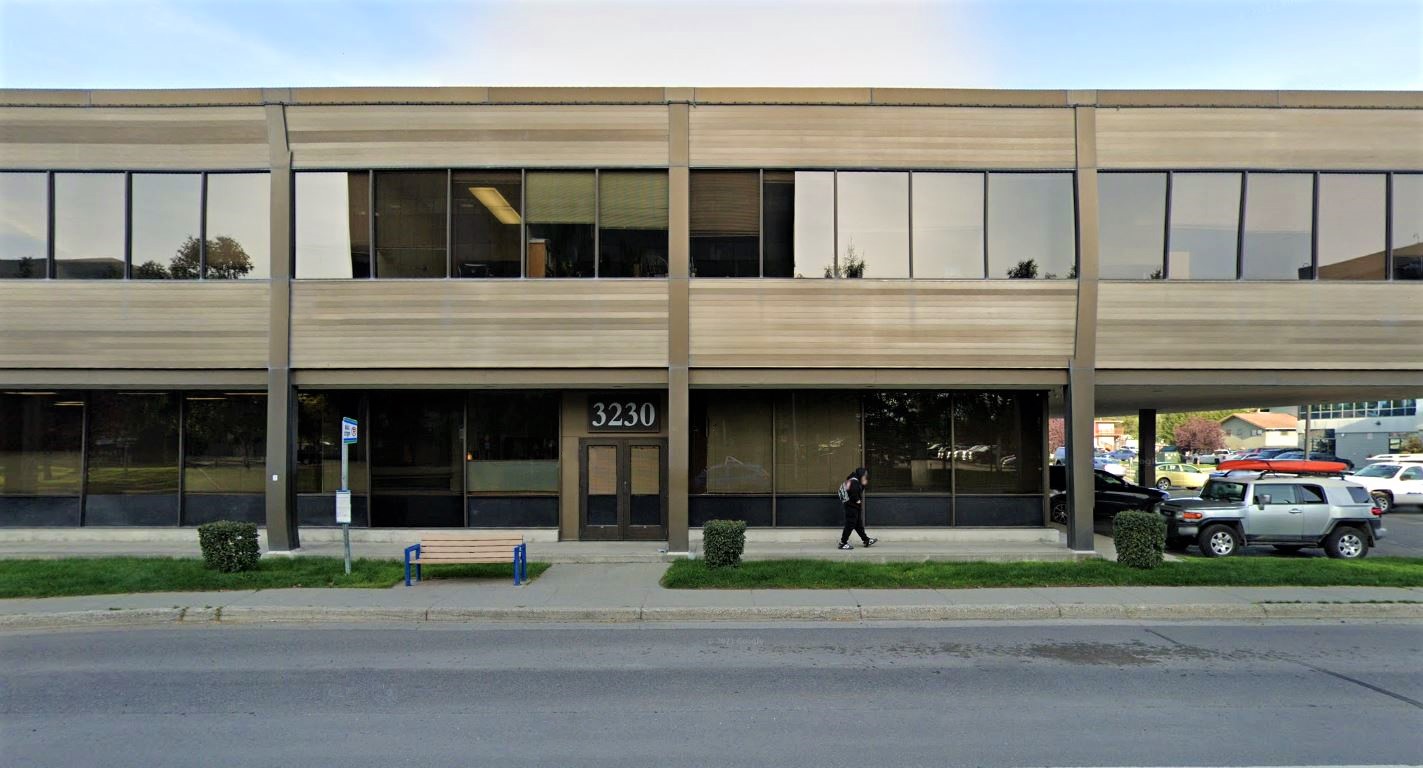
Anchorage Comprehensive Treatment Center |
3230 C Street Anchorage, AK 99503 |
Detox Service Setting
Outpatient DetoxMAT
|
Levels Of Care
Outpatient
|
|
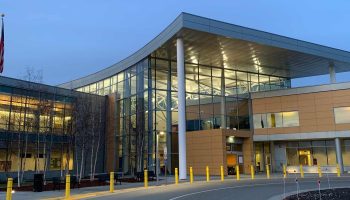
Colonel Mary Louise Rasmuson Campus of the Alaska VA Healthcare System |
1201 North Muldoon Road Anchorage, AK 99504 |
Detox Service Setting
Inpatient DetoxOutpatient Detox
|
Levels Of Care
InpatientOutpatientAftercare+2
|
|
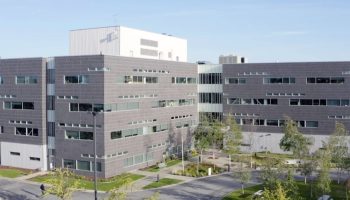
Cook Inlet Tribal Council CITC Recovery Services |
3600 San Jeronimo Drive Anchorage, AK 99508 |
Detox Service Setting
Inpatient DetoxOutpatient DetoxMAT
|
Levels Of Care
InpatientPHPOutpatient+3
|
|
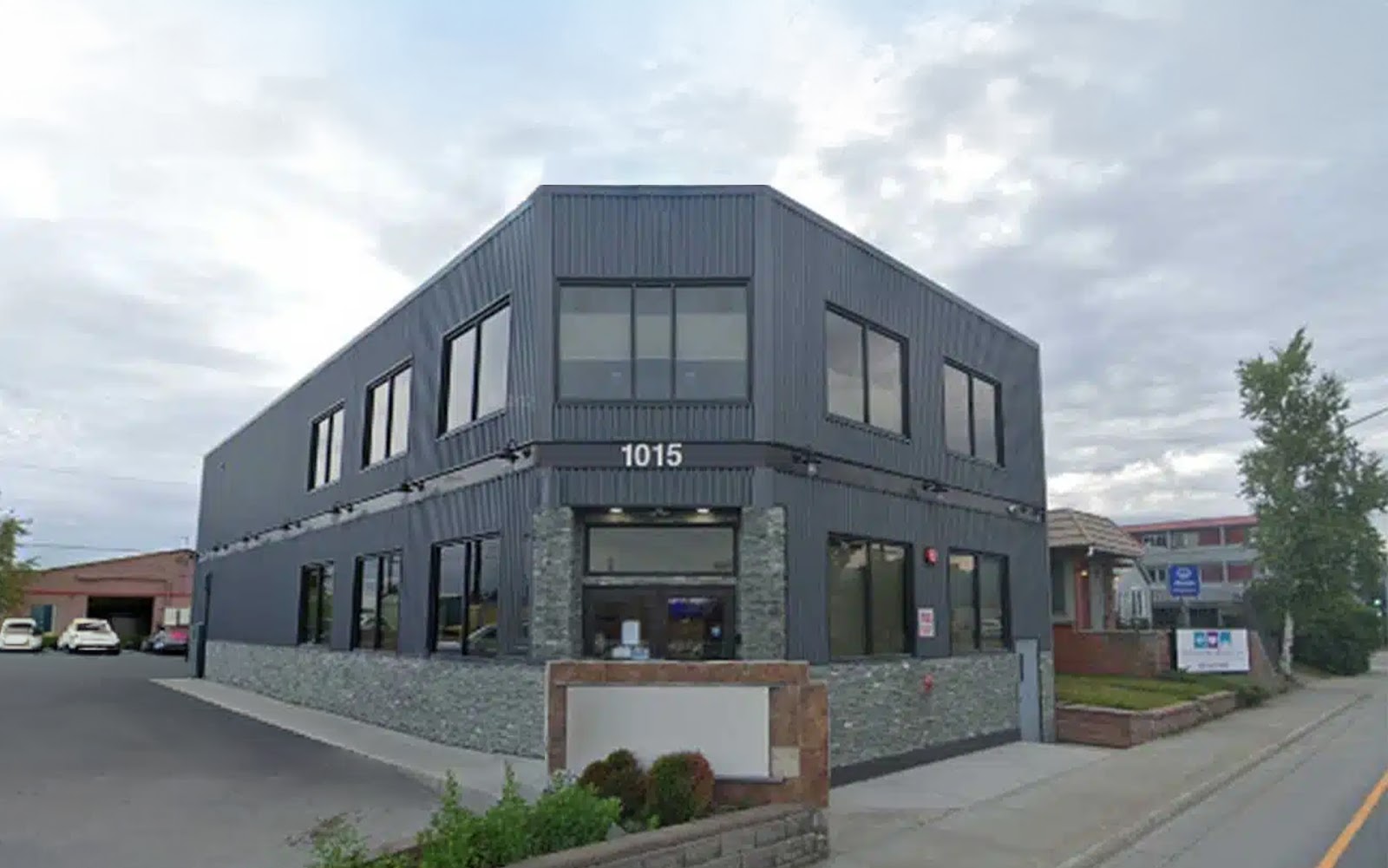
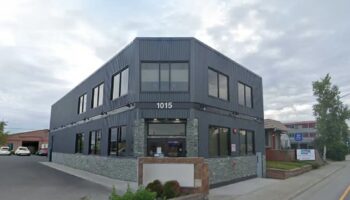
Narcotic Drug Treatment Center |
1015 East 6th Avenue Anchorage, AK 99501 |
Detox Service Setting
Outpatient DetoxMAT
|
Levels Of Care
OutpatientDual Diagnosis
|
|
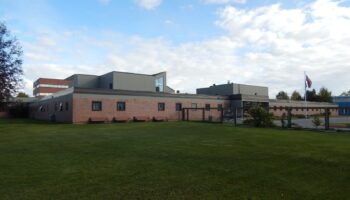
U.S. Department of Veterans Affairs, Domiciliary Care Program |
3001 C Street Anchorage, AK 99503 |
Detox Service Setting
Hospital DetoxInpatient DetoxOutpatient Detox
|
Levels Of Care
InpatientOutpatient
|
|
Anchorage Treatment Solutions |
3230 C Street Anchorage, AK 99503 |
Detox Service Setting
|
Levels Of Care
|
|
Cook Inlet Tribal Council |
3600 San Jeronimo Drive Anchorage, AK 99508 |
Detox Service Setting
Inpatient DetoxOutpatient Detox
|
Levels Of Care
Dual DiagnosisAftercareInpatient+2
|
|
Drug and Alcohol Rehabilitation |
2421 East Tudor Road Anchorage, AK 99507 |
Detox Service Setting
Inpatient DetoxOutpatient Detox
|
Levels Of Care
InpatientOutpatient
|
|
Front Street Clinic (Lemon Creek) – Addiction Services |
1944 Allen Ct Suite A, Juneau, AK 99801 |
Detox Service Setting
Outpatient DetoxMAT
|
Levels Of Care
Outpatient
|
|
Henning—Henry House |
545 East 4th Avenue Anchorage, AK 99501 |
Detox Service Setting
Outpatient DetoxMAT
|
Levels Of Care
OutpatientDual DiagnosisAftercare
|
|
Southcentral Foundation Dena Coy |
4130 San Ernesto Avenue Anchorage, AK 99508 |
Detox Service Setting
Inpatient Detox
|
Levels Of Care
InpatientDual Diagnosis
|
|
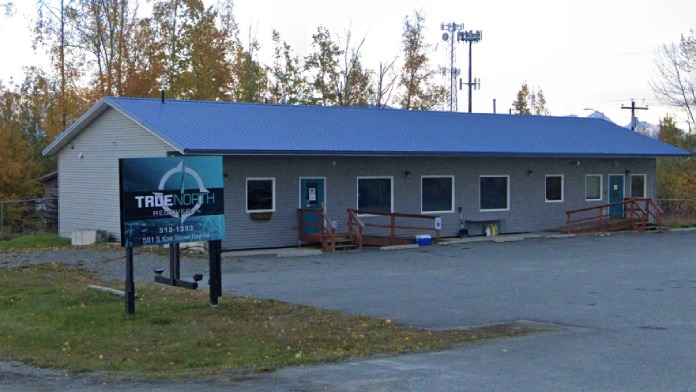
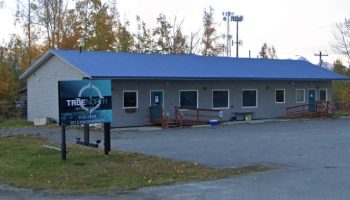
True North Recovery |
2700 East Broadview Avenue Wasilla, AK 99654 |
Detox Service Setting
Inpatient DetoxOutpatient DetoxMAT
|
Levels Of Care
InpatientOutpatientIntensive Outpatient+2
|
|
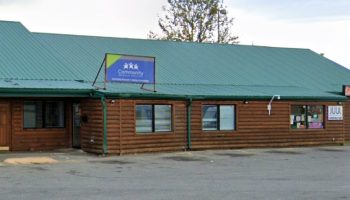
Community Medical Services Wasilla |
2521 Mountain Village Dr Wasilla, AK 99654 |
Detox Service Setting
Inpatient DetoxOutpatient Detox
|
Levels Of Care
InpatientOutpatient
|
|
Anchorage’s detoxification landscape is a unique blend of state-regulated facilities and tribal healthcare systems. Regulated primarily by the Alaska Division of Behavioral Health (DBH) and the Alaska Department of Health, the system is actively working to expand access despite the state’s geographic and climatic challenges.
Recent initiatives fueled by opioid settlement funds are prioritizing the expansion of Medication-Assisted Treatment (MAT) and mobile crisis intervention teams to rapidly address the local synthetic opioid crisis.
Navigating care in Anchorage requires an understanding of the local environment. Harsh, sub-zero winters elevate the urgency of care. For unhoused individuals, a delay in accessing a detox bed can be a matter of life and death.
The city relies heavily on a mix of private providers, state-funded centers and major non-profits to help provide supports and resources for the community. Centralized facilities and public transit routes, like the People Mover, are critical lifelines for residents seeking daily MAT dosing or outpatient care without reliable personal transportation.
Culturally grounded care is also a cornerstone of Anchorage’s treatment system. Organizations like the Cook Inlet Tribal Council (CITC) and Southcentral Foundation provide deeply integrated services for the Alaska Native population, blending clinical detox with traditional healing practices.
For all residents, the state’s push toward low-barrier buprenorphine access and the widespread distribution of emergency supplies through public health initiatives are closing crucial gaps in an otherwise strained continuum of care.
Understanding the cost of drug detox in Anchorage can help you find the care you need. It varies based on many factors, but there are financial solutions and local safety nets that allow you to receive quality care regardless of your background.
The cost of detox in Anchorage varies based on the level of care, the severity of withdrawal symptoms and whether services are provided in a hospital, residential facility or outpatient setting.
Anchorage’s higher cost of living and remote geography can slightly elevate medical costs compared to the lower 48 states. Medical complexity, length of stay and medication needs can also affect the total cost. Many people reduce out-of-pocket expenses by using insurance, Medicaid or tribal health benefits.
Outpatient MAT programs combine prescribed medications with counseling and support, allowing you to manage recovery while maintaining daily responsibilities. Outpatient MAT costs are primarily influenced by the prescribed medication.
Private insurance companies must comply with the Affordable Care Act, meaning that mental health and substance abuse treatment coverage must be offered on the same level as other standard health benefits.
States and individual insurance companies determine precisely what is covered, and the Alaska Division of Insurance oversees these programs to ensure parity and compliance.
The most common commercial insurance companies in Anchorage include:
Medicare covers inpatient and outpatient alcohol and drug detox in Anchorage. They also cover Opioid Treatment Program (OTP) services like methadone, buprenorphine and naltrexone under Part B.
Copays and deductibles depend on the treatment setting, services received and your specific plan.
Medicaid Alaska Medicaid (DenaliCare) covers detox for drug or alcohol withdrawal. Under the state’s 1115 behavioral health waiver, coverage has been expanded to include comprehensive inpatient, residential and outpatient SUD services, making comprehensive care accessible for low-income residents.
Cost should never be a reason for not receiving alcohol rehab or drug detox in Anchorage. There are several ways to pay for addiction treatment without private health insurance:

Facilities like the Cook Inlet Tribal Council (CITC) and Southcentral Foundation provide culturally integrated detox and SUD services covered by Indian Health Service (IHS) and tribal funds for eligible Alaska Natives and American Indians.
The Alaska Division of Behavioral Health distributes federal block grants to local Anchorage providers, such as the Ernie Turner Center, helping uninsured individuals afford residential treatment and detox beds.
Many Federally Qualified Health Centers (FQHCs) and safety-net providers utilize a sliding fee scale based on federal poverty guidelines, including the Anchorage Neighborhood Health Center.
With a high veteran population in Alaska, specialized federal funding is available. The Alaska VA Healthcare System and the Anchorage VA Medical Center offer direct detox and stabilization services for eligible veterans.
Several key regulatory and accreditation bodies oversee detox and withdrawal management services in Anchorage and Alaska.
The primary state licensing authority for substance use disorder treatment facilities, including detoxification services in Alaska. DBH issues licenses, monitors compliance with state clinical standards and administers federal block grants to community-based providers.
The parent agency of DBH, charged with coordinating and funding a wide variety of public health initiatives, epidemiological tracking and social services, including addiction treatment and harm reduction statewide.
While the state licenses facilities, AHD serves as the lead local public health authority for the municipality. AHD focuses on local overdose prevention, epidemiological surveillance and connecting residents with community-based harm reduction and treatment resources.
Medication-assisted treatment (MAT) in Anchorage is regulated at both the federal and state levels. Federally, MAT involving opioids must comply with SAMHSA’s Opioid Treatment Program (OTP) rules and DEA regulations, while the Alaska DBH oversees state-level compliance and integration with counseling services.
Widely used and increasingly accessible via telehealth. This is crucial in Alaska to bridge the gap for remote patients or those facing harsh Anchorage winters who cannot easily travel for in-person daily care.
Tightly restricted to certified Opioid Treatment Programs (OTPs) like Anchorage Treatment Solutions. The mandatory daily in-person dosing can be challenging due to winter weather and transportation barriers, though it remains a highly effective option.
A non-addictive, non-narcotic option available without special DEA waivers. Its injectable form (Vivitrol) is frequently utilized within Anchorage’s tribal health systems and justice-involved reentry programs because it carries no risk of diversion.
Anchorage has a vital harm reduction network focused on preventing overdose, reducing infectious disease and keeping people who use drugs safe and connected to care. Across the city, community organizations, public health agencies and tribal partners provide free naloxone, safer-use supplies, drug checking tools and education.
These services play a critical role in overdose prevention and often serve as a bridge to detox, medication-assisted treatment and long-term recovery.
Four A’s operates a comprehensive syringe access program with a physical office and a mobile health unit in Anchorage, Mountain View and the Mat-Su Valley, providing safe supplies and non-judgmental risk reduction counseling.
An initiative by the Office of Substance Misuse and Addiction Prevention, Project HOPE partners with local Anchorage agencies, first responders and community groups to distribute free Narcan nasal spray to the public.
Run by the Alaska Native Tribal Health Consortium, this program breaks down geographic and stigma barriers by mailing free harm reduction and wellness supplies confidentially to youth and adults across Anchorage and the state.
AHD provides foundational public health services, including infectious disease prevention linked to injection drug use and acts as a central hub for connecting residents with local overdose prevention and treatment resources.
Despite recent stabilization in statewide overdose rates, Anchorage continues to battle a toxic drug supply heavily dominated by illicit fentanyl. Harm reduction efforts are actively saving lives, but severe risks remain, particularly for vulnerable demographic groups.
Synthetic narcotics remain the primary driver of the crisis, with fentanyl contributing to 73% of all fatal overdoses statewide in 2024.
The overdose death rate for American Indian and Alaska Native people in 2024 was 101.9 per 100,000, underscoring the critical need for tribal health interventions.
The 35-44 year old demographic is the most severely impacted in the state, experiencing an overdose death rate of 90.6 per 100,000 in 2024.
Extreme cold makes prompt admission a life-or-death issue for unhoused individuals. Facilities often coordinate closely with mobile crisis teams and emergency shelters to rapidly triage and transport patients seeking detox during freezing temperatures.
Yes. Organizations like the Cook Inlet Tribal Council (CITC) and Southcentral Foundation offer specialized detox and recovery programs specifically for Alaska Native and American Indian people, integrating evidence-based care with traditional cultural practices.
Yes, providers like the Ernie Turner Center operate state-funded and grant-supported beds for those without insurance. However, availability can be limited and waitlists are common, so utilizing outpatient bridge MAT programs is frequently advised while waiting.
While acute medical withdrawal requires in-person monitoring, telehealth is widely used in Anchorage for initiating buprenorphine (MAT) and conducting outpatient therapy. This is highly effective for helping patients overcome transportation, weather and geographic barriers.