

 800-262-4205
True North Recovery

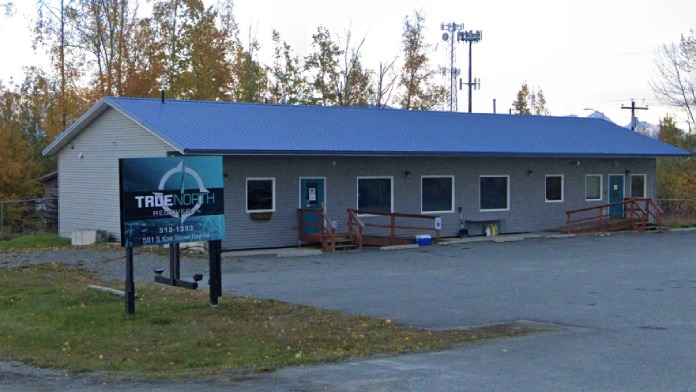
About True North Recovery
Adults 18 and over of all genders can get medical detox at True North Recovery, a detox center in Wasilla, Alaska.
Family and psychiatric nurse practitioners provide the medical care.
Medical Detox in Wasilla
True North’s Day One Center offers inpatient detox at Level 4.0, the medically managed level, and outpatient ambulatory detox, meaning withdrawal care is provided without an overnight stay.
If you are saying for an inpatient style treatment, then you stay on site, so withdrawal symptoms are watched there rather than only during visits.
If you’re already on medication assisted treatment, you can still take part in the program.
Over ninety percent of the staff are in active recovery, with over twenty percent of them program graduates.
Residential care in Wasilla houses up to 23 adults. Once withdrawal care ends, treatment can continue there rather than stopping at detox.
Plan on a minimum of 20 hours a week for day treatment. Recovery housing in Wasilla and Fairbanks is substance-free.
| Levels of Care | Detox Service Setting | Programs | Payment Options | |
|---|---|---|---|---|
|
Inpatient care happens at the Vita Nova location: a co-ed dual diagnosis center at Level 3.5 able to house up to 23 clients. |
In outpatient therapy, you’ll attend therapy sessions several times each week while living at home. This is ideal if you have a strong support system and a lower risk of relapse. Outpatient treatment offers flexibility to maintain work, school or family obligations. |
Intensive Outpatient
|
The Day Treatment Program is Level 2.5 care: a minimum of 20 hours of treatment each week, including group and individual therapy. |
Aftercare programs provide ongoing support after you complete a rehab program. They may include several components to help you maintain sobriety including therapy, community support groups and relapse prevention strategies. This gives you a network of resources as you reintegrate into your daily life. |
|
Inpatient detox is Level 4.0 medically managed withdrawal management. That’s an inpatient stay, with medical staff managing withdrawal the whole way through. |
Outpatient detox runs as ambulatory withdrawal care rather than inpatient medically managed withdrawal. You get withdrawal management without an inpatient stay. |
Medication assisted treatment combines medication and counseling to manage withdrawal and reduce cravings for opioid and alcohol addiction. Medications may include methadone, buprenorphine or naltrexone. MAT is tailored to your needs so you can actively participate in your treatment journey. |
||
|
Alcohol detox programs offer medical support to help individuals withdraw safely from alcohol. Your care team may use medications to ease your symptoms and provide medical monitoring to address complications. |
Drug detox programs support individuals who are withdrawing from addictive substances like cocaine and heroin. Medical support helps you manage symptoms in a controlled and safe environment so you can achieve initial sobriety. |
For adults 18 and up. The Day One Center is coed. So is the Vita Nova residential program, which houses up to 23 clients. |
Cognitive behavioral therapy focuses on changing harmful thought patterns and behaviors associated with addiction. You’ll learn healthier coping mechanisms by identifying and replacing negative thoughts. This improves your emotional resilience and decreases your relapse potential. |
EMDR stands for eye movement desensitization and reprocessing therapy. It helps you process traumatic memories that may underlie addiction. You’ll learn how to reduce emotional distress and begin healing from past events. This makes it effective for trauma related addiction causes. |
|
Private Insurance
|
Self Pay
|
Levels of Care
Inpatient care happens at the Vita Nova location: a co-ed dual diagnosis center at Level 3.5 able to house up to 23 clients.
In outpatient therapy, you’ll attend therapy sessions several times each week while living at home. This is ideal if you have a strong support system and a lower risk of relapse. Outpatient treatment offers flexibility to maintain work, school or family obligations.
The Day Treatment Program is Level 2.5 care: a minimum of 20 hours of treatment each week, including group and individual therapy.
Aftercare programs provide ongoing support after you complete a rehab program. They may include several components to help you maintain sobriety including therapy, community support groups and relapse prevention strategies. This gives you a network of resources as you reintegrate into your daily life.
Detox Service Setting
Inpatient detox is Level 4.0 medically managed withdrawal management. That’s an inpatient stay, with medical staff managing withdrawal the whole way through.
Outpatient detox runs as ambulatory withdrawal care rather than inpatient medically managed withdrawal. You get withdrawal management without an inpatient stay.
Medication assisted treatment combines medication and counseling to manage withdrawal and reduce cravings for opioid and alcohol addiction. Medications may include methadone, buprenorphine or naltrexone. MAT is tailored to your needs so you can actively participate in your treatment journey.
Programs
Alcohol detox programs offer medical support to help individuals withdraw safely from alcohol. Your care team may use medications to ease your symptoms and provide medical monitoring to address complications.
Drug detox programs support individuals who are withdrawing from addictive substances like cocaine and heroin. Medical support helps you manage symptoms in a controlled and safe environment so you can achieve initial sobriety.
For adults 18 and up. The Day One Center is coed. So is the Vita Nova residential program, which houses up to 23 clients.
Cognitive behavioral therapy focuses on changing harmful thought patterns and behaviors associated with addiction. You’ll learn healthier coping mechanisms by identifying and replacing negative thoughts. This improves your emotional resilience and decreases your relapse potential.
EMDR stands for eye movement desensitization and reprocessing therapy. It helps you process traumatic memories that may underlie addiction. You’ll learn how to reduce emotional distress and begin healing from past events. This makes it effective for trauma related addiction causes.
Accreditations

Contact


- Monday 9AM - 5PM
- Tuesday 9AM - 5PM
- Wednesday 9AM - 5PM
- Thursday 9AM - 5PM
- Friday 9AM - 5PM
- Saturday 9AM - 5PM
- Sunday 9AM - 5PM

Maygen Brockway, MTC, lives in scenic Southern Utah and has over 10 years of editing and writing experience. She’s created content for the medical, wedding, fashion, and technical industries. She loves poetry and coffee, writing, and being a social butterfly and a mom.
Detox.com regularly reviews this listing for accuracy but changes may occur between updates. For the most up-to-date information, please contact True North Recovery.
Nearby Detox Centers
Search by Alaska Cities
FAQs
What levels of care does True North Recovery offer?
Plenty. Detox runs inpatient at Level 4.0 or as ambulatory outpatient care. The Vita Nova location is a Level 3.5 residential program. Day Treatment is Level 2.5, intensive outpatient is Level 2.1, standard outpatient is Level 1. Add recovery residences, telehealth services and co-occurring disorders care through Day Treatment.
How many hours a week does the Day Treatment Program take?
Plan on at least 20 hours a week. The Level 2.5 Day Treatment Program mixes group and individual therapy. It serves people with co-occurring substance use and mental health disorders who need a structured setting.
Can you walk in for crisis services?
Yes. Crisis walk-in services are available. Regularly scheduled community activities are part of the week, and you can keep up with friends and family through virtual or in-person visits.
What are the age requirements at the Day One Center?
The Day One Center is coed and takes adults ages 18 and up. Anyone 18 or older can get care there. That’s the flat age rule.
Who provides treatment at True North Recovery?
Nurse practitioners, both family and psychiatric, are part of the care team. Over 90% of the staff are in active recovery themselves, and more than 20% graduated from True North’s own program.