

 404-282-0394
Sunrise Detox Alpharetta
Alpharetta, GA
30022


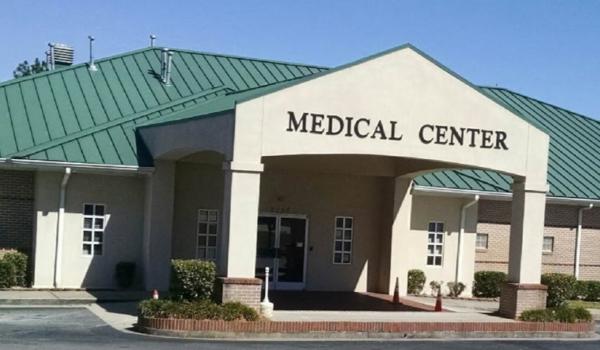

| Name | Address | Detox Service Setting | Levels Of Care | Media |
|---|---|---|---|---|
Agape Center Columbus |
214 8th St Columbus, GA 31901 |
Detox Service Setting
Inpatient DetoxOutpatient Detox
|
Levels Of Care
InpatientOutpatient
|
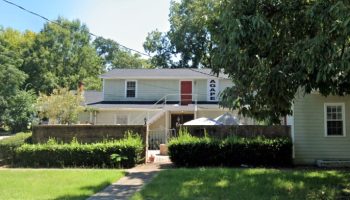
|
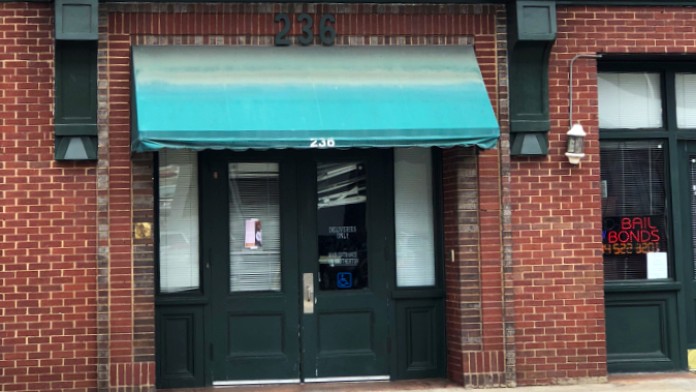
Alcohol and Drug Evaluation |
236 Forsyth St SW Atlanta, GA 30303 |
Detox Service Setting
Inpatient DetoxOutpatient Detox
|
Levels Of Care
InpatientOutpatient
|
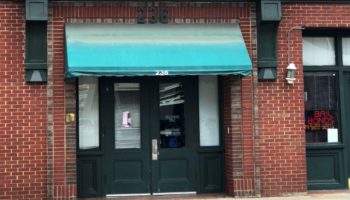
|
Alliance Recovery Center |
119 Sycamore Drive Athens, GA 30606 |
Detox Service Setting
Outpatient Detox
|
Levels Of Care
Outpatient
|
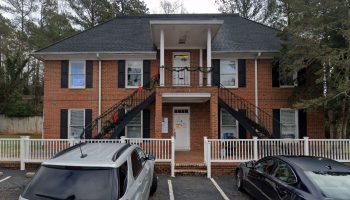
|
Atlanta Detox Center |
277 Medical Way Riverdale, GA 30274 |
Detox Service Setting
Inpatient DetoxOutpatient Detox
|
Levels Of Care
InpatientOutpatient
|

|
Augusta Metro Treatment Center |
2357 Tobacco Road Augusta, GA 30906 |
Detox Service Setting
Inpatient DetoxOutpatient DetoxMAT
|
Levels Of Care
InpatientOutpatientDual Diagnosis
|

|
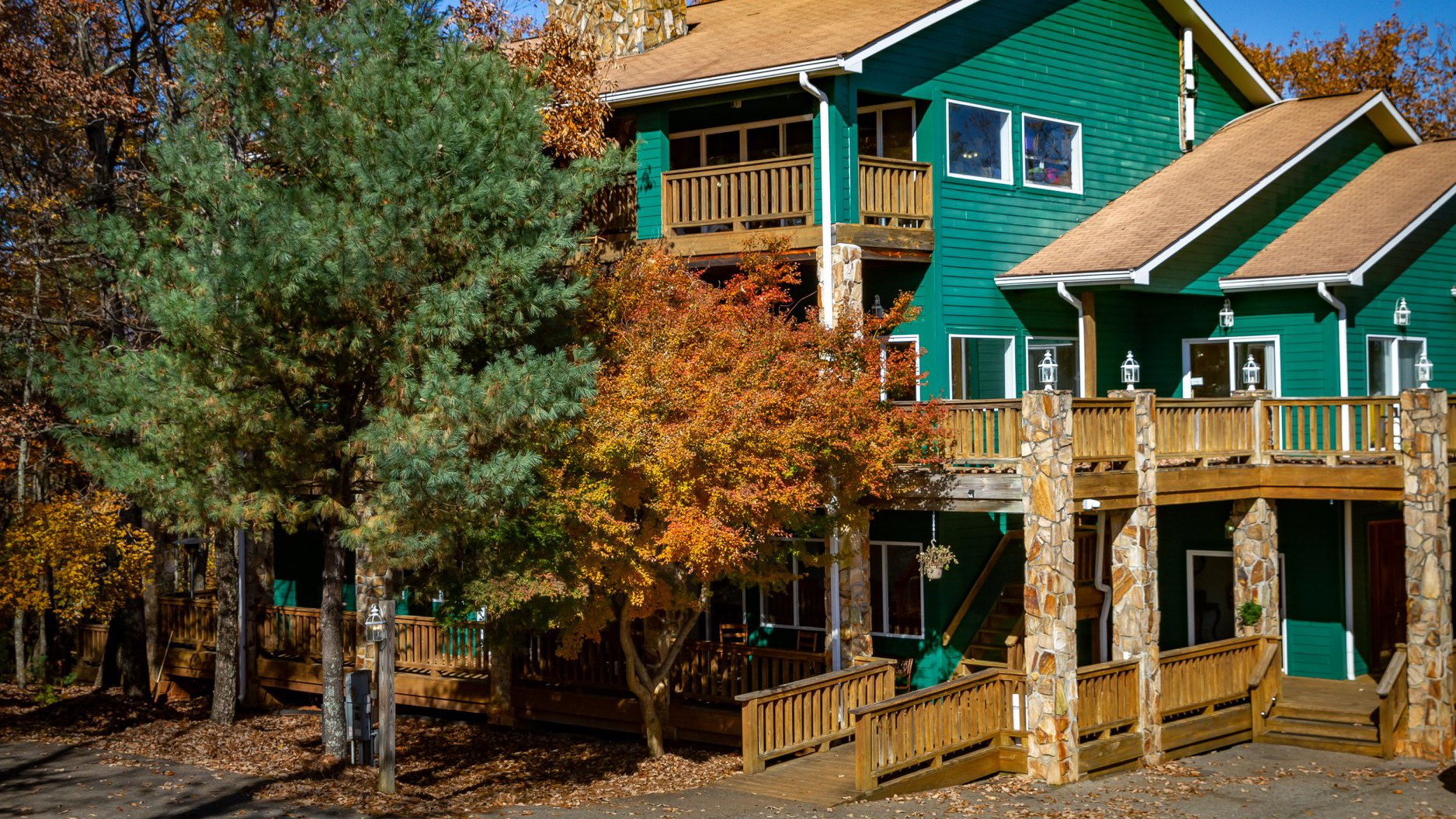
Black Bear Lodge |
310 Black Bear Ridge Sautee Nacoochee, GA 30571 |
Detox Service Setting
Inpatient DetoxOutpatient Detox
|
Levels Of Care
InpatientOutpatientAftercare+2
|

|
Blue Ridge Mountain Recovery Center |
255 Depot Street Ball Ground, GA 30107 |
Detox Service Setting
Inpatient DetoxMAT
|
Levels Of Care
InpatientDual DiagnosisIntensive Outpatient+2
|

|
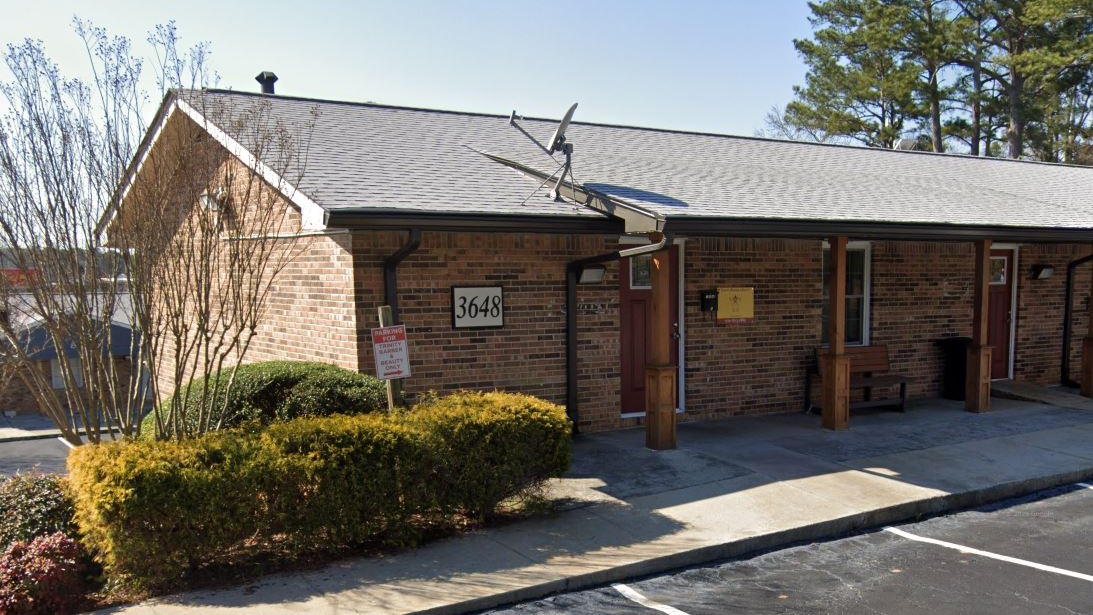
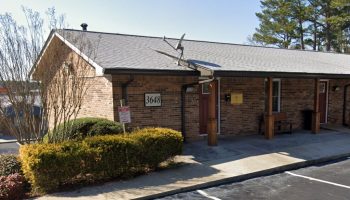
Breakthrough Recovery Outreach |
3648 Chamblee Tucker Road Atlanta, GA 30341 |
Detox Service Setting
Inpatient DetoxOutpatient DetoxMAT
|
Levels Of Care
InpatientPHPOutpatient+4
|
|
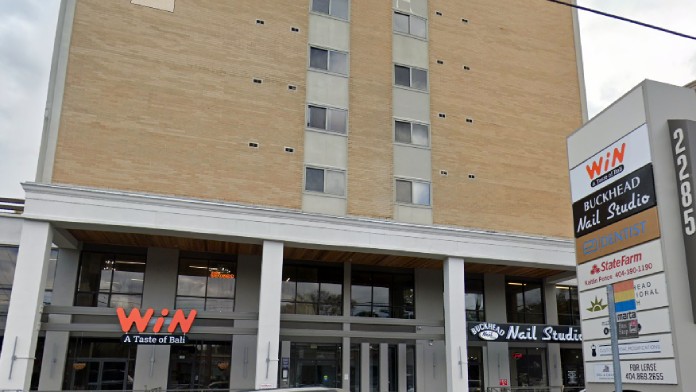
Buckhead Behavioral Health |
2285 Peachtree Road Atlanta, GA 30309 |
Detox Service Setting
Inpatient DetoxOutpatient DetoxMAT
|
Levels Of Care
InpatientOutpatientIntensive Outpatient+2
|

|
Columbus Metro Treatment Center |
1135 13th Street Columbus, GA 31901 |
Detox Service Setting
Inpatient DetoxOutpatient DetoxMAT
|
Levels Of Care
InpatientOutpatient
|

|
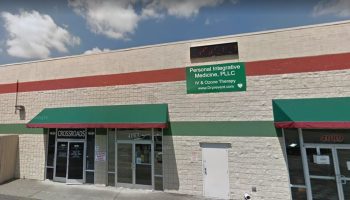
Crossroads Treatment Center of Ringgold |
4083 Cloud Springs Road Ringgold, GA 30736 |
Detox Service Setting
Outpatient Detox
|
Levels Of Care
OutpatientAftercareDual Diagnosis
|
|
Midtown Recovery New Horizon |
1727 Boxwood Pl Columbus, GA 31906 |
Detox Service Setting
Inpatient DetoxOutpatient Detox
|
Levels Of Care
InpatientOutpatient
|

|
Mount Sinai |
330 Mount Sinai Drive Dahlonega, GA 30533 |
Detox Service Setting
Inpatient Detox
|
Levels Of Care
InpatientAftercareDual Diagnosis
|

|
Mount Sinai Wellness Center |
330 Mount Sinai Drive Dahlonega, GA 30533 |
Detox Service Setting
Inpatient DetoxOutpatient Detox
|
Levels Of Care
InpatientOutpatientDual Diagnosis+1
|

|
New Day Treatment Center |
2563 Martin Luther King Junior Drive Southwest Atlanta, GA 30311 |
Detox Service Setting
Outpatient Detox
|
Levels Of Care
Outpatient
|

|
Saint Illa Center |
3455 Harris Road Waycross, GA 31503 |
Detox Service Setting
Inpatient DetoxOutpatient DetoxMAT
|
Levels Of Care
InpatientOutpatient
|
|
Sunrise Detox Alpharetta |
4500 North Point Pkwy Alpharetta, GA 30022 |
Detox Service Setting
Inpatient DetoxOutpatient Detox
|
Levels Of Care
InpatientOutpatient
|

|
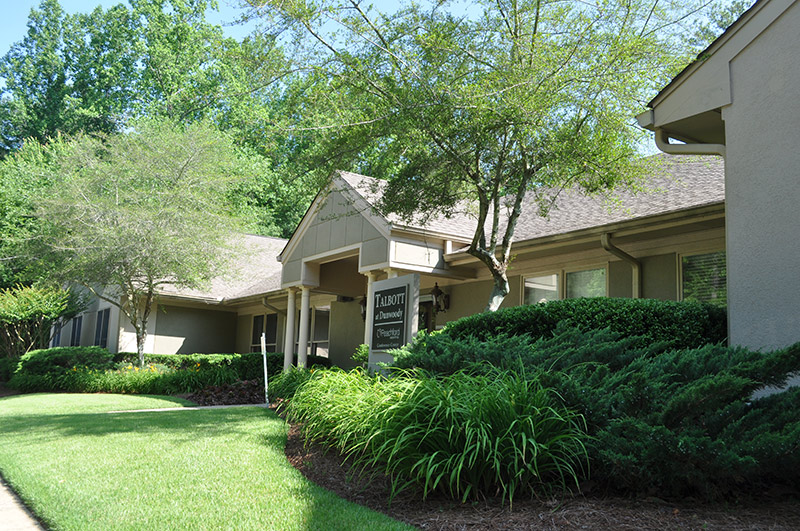
Talbott Recovery |
5355 Hunter Road Atlanta, GA 30349 |
Detox Service Setting
Inpatient DetoxOutpatient DetoxMAT
|
Levels Of Care
InpatientOutpatientPHP+1
|

|
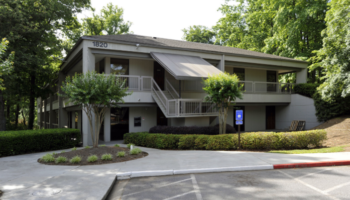
Tangu Inc- Alcohol & Drug Rehab Atlanta |
1820 Water Place Southeast Atlanta, GA 30339 |
Detox Service Setting
Inpatient DetoxOutpatient Detox
|
Levels Of Care
InpatientOutpatientPHP+3
|
|
The Recovery Village Atlanta |
11725 Pointe Pl Roswell, GA 30076 |
Detox Service Setting
Inpatient DetoxOutpatient Detox
|
Levels Of Care
InpatientOutpatient
|

|
Georgia oversees drug and alcohol detox through two state agencies. The Department of Behavioral Health and Developmental Disabilities (DBHDD) runs the public substance use system across six regions and, under House Bill 584, effective January 1, 2026, now licenses drug abuse treatment and education programs and narcotic treatment programs, a role the Department of Community Health (DCH) previously held.
DCH continues to administer Georgia Medicaid. Georgia has not adopted full Medicaid expansion; instead, the limited Georgia Pathways to Coverage program extends eligibility to some working-age adults.
Georgia’s overdose crisis is driven overwhelmingly by illicit fentanyl, which is increasingly pressed into counterfeit pills and mixed into cocaine and methamphetamine. Deaths climbed sharply from 2019 through 2022, then fell notably in 2024 as naloxone access, fentanyl test strips, and expanded treatment took hold.
Because withdrawal from alcohol, benzodiazepines, and opioids can be dangerous, medically supervised detox remains important, especially given how often multiple substances are involved.
Recent policy reflects that shift. In 2024, Governor Brian Kemp signed Wesley’s Law requiring public school systems to stock naloxone, telehealth prescribing widened access to buprenorphine, and opioid settlement funds began flowing to prevention and treatment. When comparing programs, confirming a facility’s current state license is a practical first step in choosing a detox center you can trust.
Paying for detox in Georgia depends on the level of care you need and how it is financed. Costs differ sharply between hospital-based, residential, and outpatient programs, and they fall considerably once private insurance, Medicaid, Medicare, or sliding-scale assistance is applied. Because Georgia has not fully expanded Medicaid, uninsured residents should also look at Pathways to Coverage eligibility, state-funded slots, and sliding-scale providers.
The cost of detox in Georgia is shaped by the setting, the severity of withdrawal, the length of stay, and any medications needed. A short medically managed stay costs far more per day than office-based outpatient care. The figures below are full cash-pay (self-pay) rates before insurance, Medicaid, Medicare, or other aid; most people with coverage pay far less. For a fuller breakdown of what drives these numbers, see our guide to how much detox costs.
Medicare covers medically supervised detox in Georgia under Part A for inpatient hospital care and Part B for outpatient services. Part B also covers opioid treatment program services, including methadone, buprenorphine, and naltrexone. Copays, deductibles, and covered days depend on the setting and your specific plan, so verifying benefits before admission is wise.
Georgia Medicaid covers substance use services for eligible residents, including medically supervised detox, residential treatment, outpatient care, and medication-assisted treatment, delivered through care management organizations such as Amerigroup, CareSource, and Peach State Health Plan.
Because Georgia has not fully expanded Medicaid, some adults qualify only through the limited Georgia Pathways to Coverage program. Eligibility is income-based, and you can apply through Georgia Gateway.
Cost should not keep anyone in Georgia from starting detox safely. Several pathways help people pay for care without private insurance:

Federally Qualified Health Centers and community providers across Georgia set fees on an income-based sliding scale, regardless of insurance status.
DBHDD contracts with providers in all six regions to deliver publicly funded detox and treatment for uninsured and low-income residents; the Georgia Crisis and Access Line can help arrange it. State-funded residential slots can have waitlists.
Statewide and regional nonprofits, including many faith-based and community organizations, provide detox and recovery services regardless of ability to pay.
Eligible veterans can access medically supervised detox and MAT at no cost through the VA, including the Atlanta VA Health Care System and the Carl Vinson VA Medical Center in Dublin.
These are the primary bodies that license, oversee, and set standards for detox and substance use treatment across Georgia:
The Georgia Department of Behavioral Health and Developmental Disabilities is the state’s behavioral health authority and operates the public substance use system across six regions. Under House Bill 584, effective January 1, 2026, DBHDD licenses drug abuse treatment and education programs and narcotic treatment programs, and it monitors methadone providers as the State Methadone Authority.
The Georgia Department of Community Health administers Georgia Medicaid, including the Pathways to Coverage program, and sets coverage policy for detox and medication-assisted treatment. DCH previously licensed drug treatment programs through its Healthcare Facility Regulation division before that authority transferred to DBHDD in 2026.
This board, administered through the Georgia Secretary of State, licenses and disciplines the clinicians who staff Georgia treatment programs, including professional counselors, clinical social workers, and marriage and family therapists. Its oversight complements state facility licensing by holding clinicians to education, examination, and ethics standards.
Methadone and other opioid treatment program services carry federal oversight in addition to state licensing. The Substance Abuse and Mental Health Services Administration certifies opioid treatment programs under 42 CFR Part 8, and the Drug Enforcement Administration registers programs that dispense controlled medications. Both apply to Georgia’s narcotic treatment programs.
Medication-assisted treatment in Georgia is regulated at both the federal and state levels. Opioid treatment programs must meet SAMHSA certification under 42 CFR Part 8 and DEA registration, while DBHDD licenses narcotic treatment programs and monitors them as the State Methadone Authority. Georgia Medicaid covers all three primary medication-assisted treatment options, and expanded telehealth prescribing has widened access, especially in rural counties.
Prescribed in office-based settings by DEA-registered providers and increasingly through telehealth, buprenorphine (often as Suboxone or Sublocade) is the most accessible MAT option in Georgia. Telehealth prescribing has been important for the state’s many rural counties, and Georgia Medicaid and most commercial plans cover it.
Methadone is dispensed only through licensed narcotic treatment programs certified as opioid treatment programs, not retail pharmacies, and typically requires daily on-site dosing. Georgia’s programs are concentrated in the Atlanta metro and larger cities. Georgia Medicaid covers methadone through its care management organizations.
Naltrexone carries no special licensing requirement and is prescribed in standard outpatient settings across Georgia. The monthly injectable form, Vivitrol, is widely used for both opioid and alcohol use disorder because it does not require daily dosing. Georgia Medicaid and most private insurers in the state cover it.
Georgia expanded overdose prevention substantially after its 2014 Medical Amnesty Law, which grants limited immunity to people who call 911 during an overdose and legal protection for possessing and administering naloxone. A statewide standing order lets any pharmacy dispense naloxone without a prescription. Because illicit fentanyl drives most fatal overdoses in Georgia, the resources below focus on free naloxone, drug checking, and connection to care, with no obligation to enter treatment.
A volunteer nonprofit that helped pass Georgia’s 911 Medical Amnesty and Naloxone Access Law, Georgia Overdose Prevention mails free naloxone and fentanyl test strips to anyone at risk and their loved ones.
The Georgia Department of Public Health distributes naloxone and fentanyl test strips through public health analysts statewide, maintains the standing order that makes naloxone available at pharmacies, and publishes overdose data.
Operated through DBHDD, GCAL connects Georgians to crisis care and treatment at any hour and can dispatch a mobile crisis team. Call 1-800-715-4225.
The federal SAMHSA National Helpline offers free, confidential referrals to local detox and treatment programs and support services. Call 1-800-662-HELP (4357).
Georgia’s overdose picture reflects the national fentanyl crisis: a steep climb through 2022 followed by a notable decline in 2024. The figures below show both the severity of the crisis and the recent progress that makes early, supervised care worth pursuing.
Georgia recorded about 1,936 overdose deaths in 2024, down roughly 22% from 2,505 in 2023, and the share involving fentanyl fell from about 65% to 55%. CDC (SUDORS and VSRR)
From 2019 to 2022, fentanyl-involved overdose deaths in Georgia increased 308%, from 392 to 1,601, driving a 76% rise in total drug overdose deaths over the same period. Georgia Department of Public Health
In 2024, fentanyl and other synthetic opioids were involved in about 54% of Georgia overdose deaths, more than any other drug, while the state’s overdose death rate ran roughly 22% below the US rate. CDC Drug Overdose Data
Yes. Georgia Medicaid covers medically supervised detox, residential treatment, outpatient care, and medication-assisted treatment for eligible residents, delivered through care management organizations such as Amerigroup, CareSource, and Peach State. Because Georgia has not fully expanded Medicaid, some adults qualify only through the Georgia Pathways to Coverage program. You can check eligibility and apply through Georgia Gateway.
Confirm the facility holds a current state license before admission. As of 2026, the Department of Behavioral Health and Developmental Disabilities licenses drug abuse treatment programs and narcotic treatment programs and can verify a provider’s standing. County and regional behavioral health offices can also point you to licensed programs.
Not without medical guidance. Alcohol and benzodiazepine withdrawal can cause seizures and other life-threatening complications, particularly after long or heavy use. A medically supervised program manages these risks safely. If you are unsure whether you need inpatient detox, ask a provider for an assessment first.
Naloxone is free and widely available in Georgia. Georgia Overdose Prevention mails it at no cost, the Department of Public Health distributes it statewide, and a standing order lets any pharmacy dispense it without a prescription. Georgia’s Medical Amnesty Law also protects people who possess and administer it.
Detox manages physical withdrawal but is only the first step. Most clinicians recommend continuing into residential treatment, a partial hospitalization program, or intensive outpatient care, followed by ongoing MAT or counseling. The Georgia Crisis and Access Line and local providers can coordinate this transition and connect you with aftercare.


Gayle Morris, BSN, MSN, received her bachelor’s degree from the University of Illinois Chicago Medical Center and her first master’s degree from Indiana University Purdue University Indianapolis. She practiced nursing for more than two decades with a focus on pediatric physical rehabilitation, helping children and their parents after a head injury or spinal cord injury. She has been a freelance writer in health, wellness, and mental health for more than 15 years. She loves exercise, her dogs and guinea pigs, and gardening.