

 404-282-0394
Sunrise Detox Alpharetta
Alpharetta, GA
30022




| Name | Address | Detox Service Setting | Levels Of Care | Media |
|---|---|---|---|---|
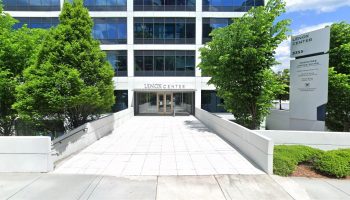
A Better Tomorrow Counseling Services |
3355 Lenox Road Northeast Atlanta, GA 30326 |
Detox Service Setting
Outpatient Detox
|
Levels Of Care
OutpatientDual Diagnosis
|
|
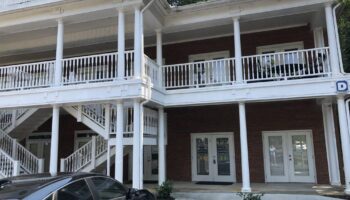
Alana Recovery Center |
1215 Hightower Trail Atlanta, GA 30350 |
Detox Service Setting
Inpatient DetoxOutpatient DetoxMAT
|
Levels Of Care
InpatientOutpatientPHP+1
|
|
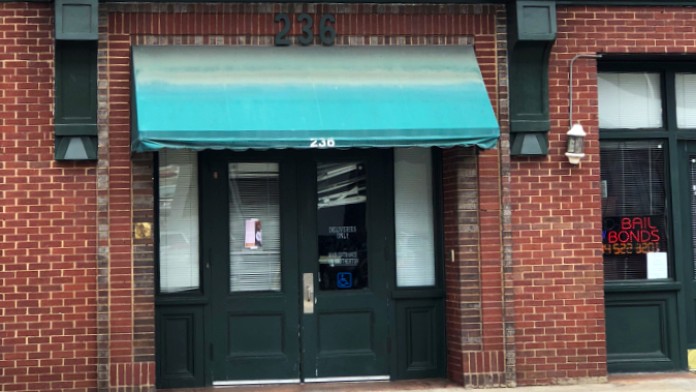
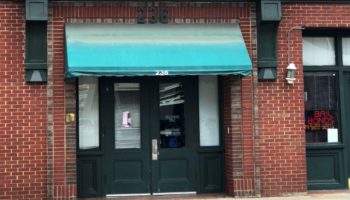
Alcohol and Drug Evaluation |
236 Forsyth St SW Atlanta, GA 30303 |
Detox Service Setting
Inpatient DetoxOutpatient Detox
|
Levels Of Care
InpatientOutpatient
|
|
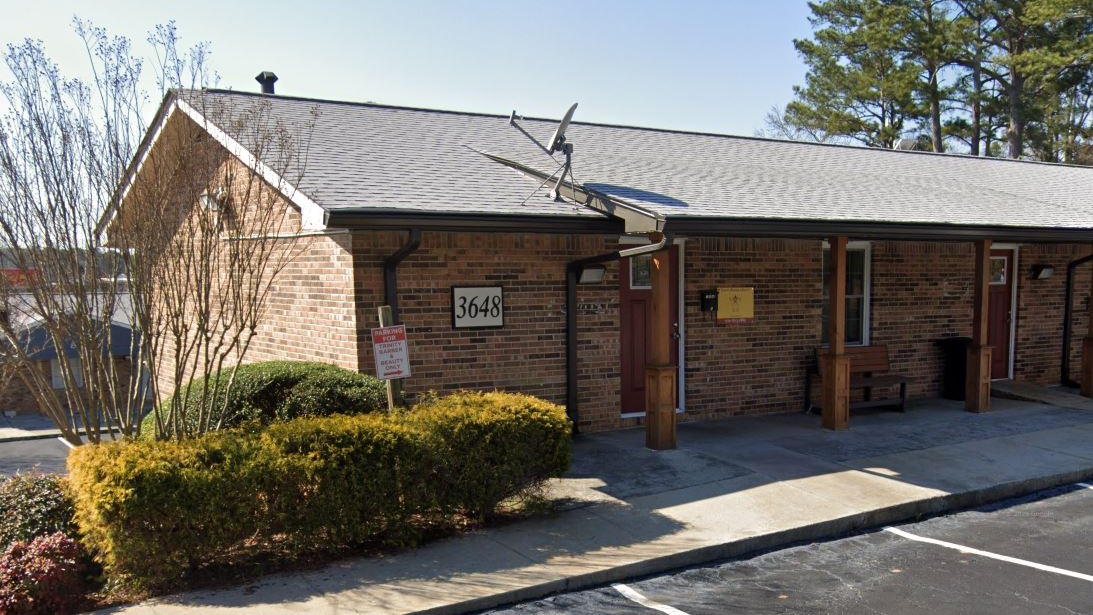
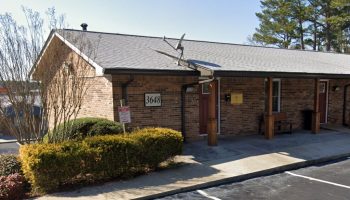
Breakthrough Recovery Outreach |
3648 Chamblee Tucker Road Atlanta, GA 30341 |
Detox Service Setting
Inpatient DetoxOutpatient DetoxMAT
|
Levels Of Care
InpatientPHPOutpatient+4
|
|
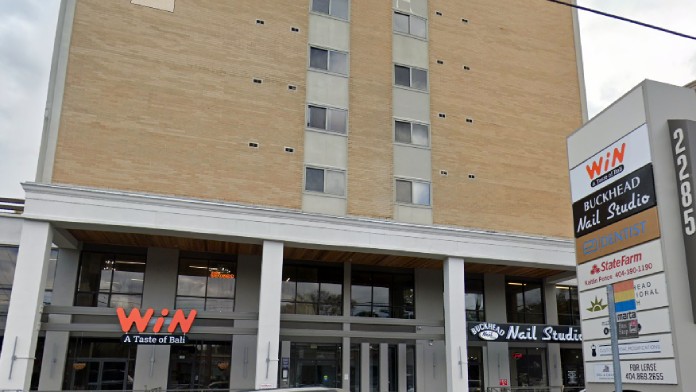
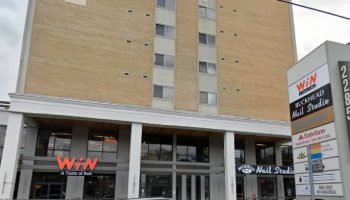
Buckhead Behavioral Health |
2285 Peachtree Road Atlanta, GA 30309 |
Detox Service Setting
Inpatient DetoxOutpatient DetoxMAT
|
Levels Of Care
InpatientOutpatientIntensive Outpatient+2
|
|
Claratel Behavioral Health |
23 Warren Street Southeast Atlanta, GA 30317 |
Detox Service Setting
Outpatient Detox
|
Levels Of Care
OutpatientDual Diagnosis
|

|
HUGS Recovery Center Humanity United with God for Society |
4751 Best Road Atlanta, GA 30337 |
Detox Service Setting
Outpatient Detox
|
Levels Of Care
|

|
Impact Recovery Center |
555 Glenridge Con Atlanta, GA 30342 |
Detox Service Setting
Inpatient DetoxOutpatient Detox
|
Levels Of Care
InpatientOutpatient
|

|
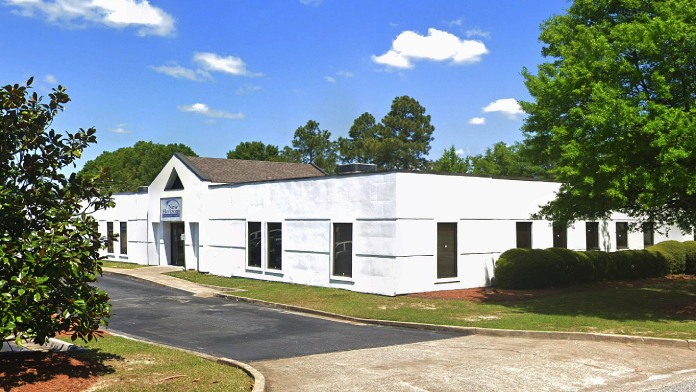
New Day Treatment Center |
2563 Martin Luther King Junior Drive Southwest Atlanta, GA 30311 |
Detox Service Setting
Outpatient Detox
|
Levels Of Care
Outpatient
|

|
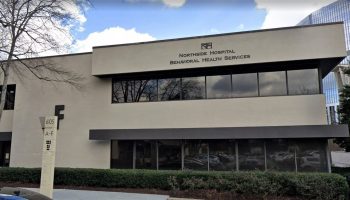
Northside Hospital Behavioral Health Services |
6105 Peachtree Dunwoody Road Atlanta, GA 30328 |
Detox Service Setting
Inpatient DetoxOutpatient Detox
|
Levels Of Care
InpatientOutpatientAftercare+2
|
|
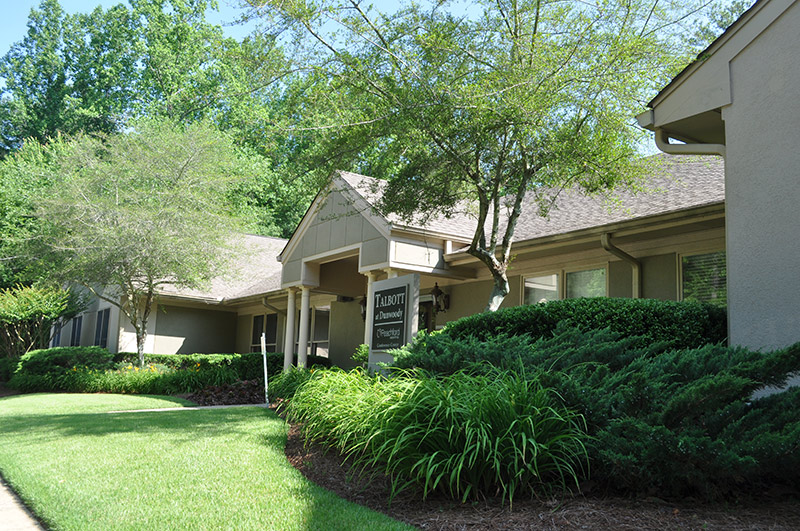
Talbott Recovery |
5355 Hunter Road Atlanta, GA 30349 |
Detox Service Setting
Inpatient DetoxOutpatient DetoxMAT
|
Levels Of Care
InpatientOutpatientPHP+1
|

|
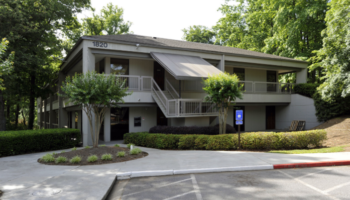
Tangu Inc- Alcohol & Drug Rehab Atlanta |
1820 Water Place Southeast Atlanta, GA 30339 |
Detox Service Setting
Inpatient DetoxOutpatient Detox
|
Levels Of Care
InpatientOutpatientPHP+3
|
|
The Salvation Army Adult Rehabilitation Center – Atlanta |
740 Marietta Street NorthWest Atlanta, GA 30318 |
Detox Service Setting
Inpatient DetoxOutpatient Detox
|
Levels Of Care
InpatientOutpatient
|

|
Anchor Hospital |
5454 Yorktowne Drive Atlanta, GA 30349 |
Detox Service Setting
Inpatient DetoxOutpatient DetoxMAT
|
Levels Of Care
InpatientOutpatientPHP+2
|
|
Ascensa Health |
139 Renaissance Parkway Northeast Atlanta, GA 30308 |
Detox Service Setting
Inpatient DetoxOutpatient DetoxMAT
|
Levels Of Care
InpatientOutpatientDual Diagnosis+3
|
|
Behavioral Health Outpatient Center |
10 Park Pl NE Atlanta, GA 30303 |
Detox Service Setting
Inpatient DetoxOutpatient DetoxMAT
|
Levels Of Care
InpatientOutpatientDual Diagnosis+2
|
|
Creekside Recovery Residences |
2221 Peachtree St NE Atlanta, GA 30309 |
Detox Service Setting
Inpatient DetoxOutpatient Detox
|
Levels Of Care
InpatientOutpatient
|
|
Facilitas Healthcare |
227 Sandy Springs Pl NE Atlanta, GA 30328 |
Detox Service Setting
Inpatient DetoxOutpatient Detox
|
Levels Of Care
InpatientOutpatient
|
|
Hope Homes, Inc |
7000 Peachtree Dunwoody Road Northeast Atlanta, GA 30328 |
Detox Service Setting
Inpatient DetoxOutpatient Detox
|
Levels Of Care
InpatientOutpatientSober Living+1
|
|
HUGS Recovery Cleveland Avenue Southwest |
777 Cleveland Avenue Southwest Atlanta, GA 30315 |
Detox Service Setting
Inpatient DetoxOutpatient Detox
|
Levels Of Care
InpatientOutpatientDual Diagnosis
|
|
My New Life Foundation |
932 Fortress Avenue Southwest Atlanta, GA 30315 |
Detox Service Setting
Inpatient DetoxOutpatient Detox
|
Levels Of Care
InpatientOutpatientAftercare+2
|
|
The Summit Wellness Group – Atlanta Alcohol & Drug Rehab Center |
996 Huff Road Northwest Suite C Atlanta, GA 30318 |
Detox Service Setting
Inpatient DetoxOutpatient DetoxMAT
|
Levels Of Care
InpatientOutpatientDual Diagnosis+3
|
The detox options you’ll find in Atlanta are a combination of established private treatment centers and affordable public programs.
The local system increasingly prioritizes Medications for Opioid Use Disorder (MOUD) and community based harm reduction. These are regulated by the Georgia Department of Behavioral Health and Developmental Disabilities (DBHDD) and the Department of Community Health (DCH).
New initiatives are expanding crisis stabilization units and integrating addiction care with behavioral health resources across Fulton and DeKalb counties. These efforts are driven by recent distributions from the Georgia Opioid Crisis Abatement Trust.
For state funded programs you must often undergo screening through the Georgia Crisis and Access Line (GCAL) to secure an available bed at a state-contracted Crisis Stabilization Unit (CSU).
As you navigate care in Atlanta you’ll discover that local geography and access to transit are important considerations. Inside the Perimeter (ITP) providers such as Grady Health System and the Atlanta Mission serve many uninsured or underinsured residents.
Fortunately accessibility to these urban safety net centers is closely tied to the MARTA public transit system. This can connect you to essential intake locations if you’re without a personal vehicle.
Recent initiatives are also working to close critical gaps for Atlanta’s most vulnerable populations.
One of these Fulton County programs integrates peer recovery coaches and low barrier medication-assisted treatment (MAT) into local health centers. This provides immediate triage for patients awaiting residential placement. This intervention is essential for managing complex withdrawal symptoms caused by the region’s prevalent fentanyl supply.
Georgia’s ongoing legislative push to strengthen the state’s Mental Health Parity Act continues to reduce insurance barriers, limiting administrative delays during life saving substance use crises.
The cost of drug detox is often a concern for those who are thinking about starting a substance use addiction treatment program.
Cost varies and is based on many factors. However there are financial solutions that allow you to receive quality care regardless of your income level.
The cost of detox in Atlanta varies based on the level of care, the severity of withdrawal symptoms and whether services are provided in a hospital, residential facility or outpatient setting.
Medical complexity, length of stay and medication needs can also affect total out of pocket costs. Many people reduce these expenses by utilizing commercial health insurance or state-funded public health programs.
Outpatient MAT programs combine prescribed medications with counseling and peer support. This allows you to manage early recovery while maintaining daily responsibilities. The total cost of outpatient MAT is heavily influenced by the specific medication you’re prescribed.
Private insurance companies must offer mental health and substance abuse treatment coverage on the same level as standard medical and surgical benefits, per the federal Affordable Care Act and Georgia’s Mental Health Parity Act. However, states and individual insurance companies determine precisely what is covered under specific plans.
The Georgia Office of the Commissioner of Insurance oversees these programs to ensure they comply with parity laws.
You can check your coverage and network status at the Georgia healthcare marketplace online.
The most common commercial insurance companies in Atlanta include:


Medicare in Atlanta covers inpatient and outpatient alcohol detox and drug detox. They also cover Opioid Treatment Program (OTP) services like methadone, buprenorphine and naltrexone under Part B.
Copays and deductibles depend on the treatment setting, services received and your specific plan.
Georgia Medicaid (including PeachCare for Kids and Georgia Pathways) covers medically necessary detox, inpatient and outpatient SUD services. Coverage for medication assisted treatment (MAT) is also included, though certain residential programs may require prior authorization through the state’s behavioral health network.
Cost should never be a barrier to receiving alcohol rehab or drug detox in Atlanta. There are several ways to pay for addiction treatment without private health insurance:

Many Federally Qualified Health Centers (FQHCs) and local safety net providers, such as Oakhurst Medical Centers, utilize a sliding fee scale based on federal poverty guidelines to make outpatient detox and MAT affordable.
Atlanta features several faith-based and secular nonprofits that provide long term recovery and detox stabilization regardless of your ability to pay. Options include the Atlanta Mission and The Salvation Army Adult Rehabilitation Center.
The DBHDD funds state contracted Crisis Stabilization Units (CSUs). The Fulton County Board of Health provides direct community grants for uninsured residents to access behavioral health services and MAT.
Specialized federal and philanthropic funding is available for military veterans in the Atlanta metro area. Addiction and detox services are provided through the Atlanta VA Health Care System in Decatur.
Many key regulatory and accreditation bodies oversee detox and withdrawal management services in Atlanta and across Georgia:
This department is the primary state agency responsible for the safety net behavioral health system. DBHDD establishes treatment standards, manages the Georgia Crisis and Access Line (GCAL) and funds community based providers and Crisis Stabilization Units (CSUs) for uninsured individuals.
This is the central licensing authority for all medical and substance use disorder treatment facilities in Georgia. The DCH conducts routine inspections, issues operational licenses and ensures that detox centers comply with state safety, clinical and staffing regulations.
Serving as the primary local public health authority for most of Atlanta, this agency monitors epidemiological overdose trends and oversees community based harm reduction initiatives. They actively distribute naloxone and connect vulnerable populations to local detox and MAT programs.
Medication assisted treatment (MAT) in Atlanta is regulated at both the federal and state levels, with oversight focused primarily on controlled substances used to treat opioid use disorder.
In Georgia, DBHDD and DCH strictly monitor MAT providers, ensuring alignment with federal SAMHSA guidelines while requiring counseling as a core component of recovery.
Buprenorphine is available at standard outpatient clinics and through telehealth providers. This flexibility allows patients to initiate detox at home under remote medical supervision, breaking down transportation barriers.
Methadone is strictly regulated under Georgia’s Narcotic Treatment Program rules and can only be dispensed at certified Opioid Treatment Programs (OTPs). Georgia carefully limits the geographic density of these clinics which means some patients face daily logistical challenges, though Medicaid coverage assists with affordability.
Naltrexone is unrestricted and nonaddictive. It requires no special licensing and is widely used by primary care physicians and diversion programs in Atlanta. Available as an oral pill or a monthly injection (Vivitrol), it is heavily favored for both alcohol and opioid use disorder treatment.
Atlanta has an active and growing harm reduction network dedicated to preventing fatal overdoses, reducing the spread of infectious diseases and keeping people who use drugs connected to healthcare resources.
Local nonprofits, public health agencies and community advocates across the metro area provide free naloxone (Narcan), safe use supplies and crucial education.
These services play a vital role in local public health. They often serve as the first bridge to detox, medication assisted treatment and sustained recovery for vulnerable populations.
AHRC is the leading community based wellness organization operating in metro Atlanta. They provide anonymous needle exchanges, health screenings and a safe drop in center on Joseph E. Boone Blvd to help individuals access supplies and treatment referrals.
This grassroots organization 0perates statewide with a heavy presence in Atlanta. They distribute free intramuscular and nasal naloxone kits. They also advocate heavily for the Georgia 911 Medical Amnesty Law, educating the public that they can call for emergency help during an overdose without fear of prosecution.
The county health department integrates harm reduction into its broader public health mandate. By offering free overdose reversal medications at health centers and deploying peer recovery coaches, they actively remove the stigma and financial barriers associated with obtaining life-saving interventions.
NEXT Distro operates an online and mail-based model to reach individuals who cannot physically access in-person harm-reduction centers in Atlanta. They discreetly mail sterile supplies and overdose reversal medications, serving highly stigmatized populations and those lacking reliable transportation.
Atlanta continues to battle a toxic drug supply heavily dominated by synthetic opioids, though recent public health interventions are showing positive results.
Harm reduction efforts are actively saving lives, but localized data highlights the ongoing need for accessible detox and MAT services.
The state of Georgia recorded 2,570 confirmed overdose fatalities in 2023. This translates to a rate of 23 deaths per 100,000 residents. (USAFacts Georgia Overdose Data)
Fentanyl and other synthetic opioids were involved in 65% of all fatal drug overdoses in Georgia during 2023, driving the majority of addiction related mortality. (USAFacts Georgia Overdose Data)
The drug overdose death rate was highest among adults ages 35 to 44, per recent CDC data. This highlights the demographic most in need of urgent intervention. (CDC NCHS Data Brief)
To access state-funded detox, uninsured individuals should contact the Georgia Crisis and Access Line (GCAL) at 1-800-715-4225. GCAL operates 24/7 and will evaluate your clinical needs to connect you with an available bed at a DBHDD-contracted Crisis Stabilization Unit (CSU) in the Atlanta area.
Yes, many detox and outpatient MAT centers inside the Perimeter (ITP) are highly accessible via MARTA. Key providers, including Grady Health System and several opioid treatment programs, are located directly along major bus routes or within walking distance of downtown rail stations.
A Crisis Stabilization Unit (CSU) is a short-term, medically monitored residential facility designed to serve as an alternative to psychiatric hospitalization. In Atlanta, CSUs provide emergency behavioral health stabilization and supervised detoxification, with the average length of stay typically lasting under eight days.
Yes, naloxone is available for free throughout Atlanta. You can obtain it from the Atlanta Harm Reduction Coalition (AHRC), local Fulton County Board of Health centers or request mail delivery through Georgia Overdose Prevention. Additionally, Georgia Medicaid and most private insurers cover it at local pharmacies.
Yes, Atlanta is home to robust LGBTQ+ affirming care. Organizations like Positive Impact Health Centers specialize in providing culturally competent outpatient behavioral health, MAT and HIV care tailored to the unique social stressors and traumas experienced by the LGBTQ+ community during addiction recovery.


Kerry Nenn is a full-time freelance writer and prize-winning author. She contributes regularly to addiction-recovery sites, international journal publications, and Christian ministries. Her published works include 10 books and myriad articles. Her work has received recognition both locally and nationally.