

 404-282-0394
Sunrise Detox Alpharetta
Alpharetta, GA
30022




| Name | Address | Detox Service Setting | Levels Of Care | Media |
|---|---|---|---|---|
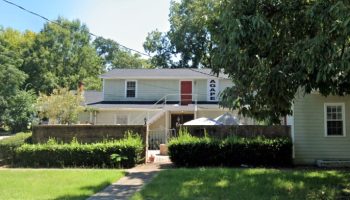
Agape Center Columbus |
214 8th St Columbus, GA 31901 |
Detox Service Setting
Inpatient DetoxOutpatient Detox
|
Levels Of Care
InpatientOutpatient
|
|
Columbus Metro Treatment Center |
1135 13th Street Columbus, GA 31901 |
Detox Service Setting
Inpatient DetoxOutpatient DetoxMAT
|
Levels Of Care
InpatientOutpatient
|

|
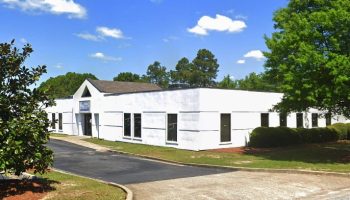
Midtown Recovery New Horizon |
1727 Boxwood Pl Columbus, GA 31906 |
Detox Service Setting
Inpatient DetoxOutpatient Detox
|
Levels Of Care
InpatientOutpatient
|
|
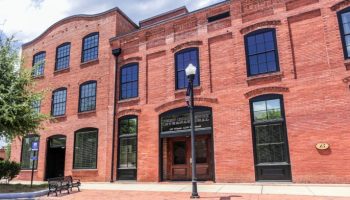
Teen Challenge Southeast – Regional Office |
15 West 10th Street Columbus, GA 31901 |
Detox Service Setting
Inpatient DetoxOutpatient Detox
|
Levels Of Care
InpatientOutpatient
|
|
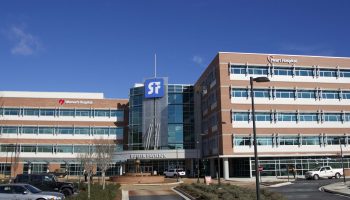
The Bradley Center |
2000 16th Avenue Columbus, GA 31901 |
Detox Service Setting
Hospital DetoxInpatient DetoxOutpatient Detox
|
Levels Of Care
InpatientOutpatientDual Diagnosis+2
|
|
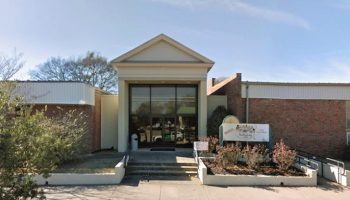
Valley Rescue Mission Columbus |
2903 2nd Ave Columbus, GA 31904 |
Detox Service Setting
Inpatient DetoxOutpatient Detox
|
Levels Of Care
InpatientOutpatient
|
|
The House of Time |
1200 Wynnton Road Columbus, GA 31906 |
Detox Service Setting
Inpatient Detox
|
Levels Of Care
InpatientDual DiagnosisSober Living
|
|
Middle Flint Behavioral Healthcare |
415 North Jackson Street Americus, GA 31709 |
Detox Service Setting
Outpatient DetoxMAT
|
Levels Of Care
OutpatientIntensive Outpatient
|

|
Pine Woods Behavioral Health Crisis Center |
1209 Greenbelt Drive Griffin, GA 30223 |
Detox Service Setting
Inpatient DetoxOutpatient Detox
|
Levels Of Care
InpatientOutpatientAftercare+1
|

|
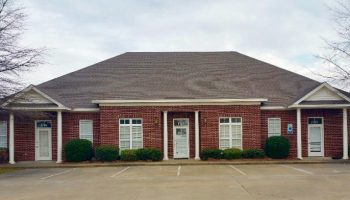
Freedom Center MO |
1714 Platt Pl Montgomery, AL 36117 |
Detox Service Setting
Inpatient DetoxOutpatient Detox
|
Levels Of Care
InpatientOutpatient
|
|
Montgomery Metro Treatment Center |
6001 East Shirley Lane Montgomery, AL 36117 |
Detox Service Setting
Outpatient DetoxMAT
|
Levels Of Care
OutpatientPHP
|

|
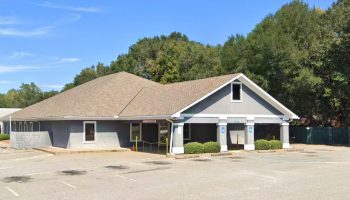
BHG Albany Treatment Center |
2607 Ledo Road Albany, GA 31707 |
Detox Service Setting
Outpatient Detox
|
Levels Of Care
OutpatientDual Diagnosis
|
|
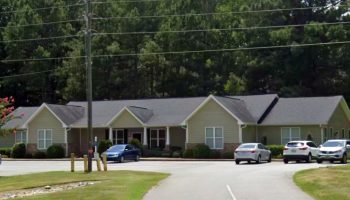
McIntosh Trail Community Service Board Fayette County Counseling Center |
715 Bradley Drive Fayetteville, GA 30214 |
Detox Service Setting
Inpatient DetoxOutpatient Detox
|
Levels Of Care
InpatientOutpatientAftercare+1
|
|
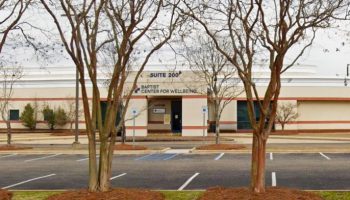
Baptist Health Center for Addiction Recovery |
4371 Narrow Lane Rd Montgomery, AL 36116 |
Detox Service Setting
Inpatient DetoxOutpatient Detox
|
Levels Of Care
InpatientOutpatient
|
|
Aspire Behavioral Health and DD Services |
601 West 11th Avenue Albany, GA 31701 |
Detox Service Setting
Inpatient DetoxOutpatient Detox
|
Levels Of Care
InpatientOutpatientAftercare+1
|

|
Columbus sits at the Alabama border in Muscogee County, and the city’s detox options reflect a region managing a serious and ongoing substance use crisis.
The Columbus area faces multifaceted risks from a number of substances. Fentanyl remains the primary driver of overdose deaths in Muscogee County, with methamphetamine being the most commonly seized drug by volume. Alcohol use disorder is also a significant concern, with 15% of county adults reporting excessive or binge drinking according to County Health Rankings 2024 data.
Columbus is home to the Columbus Addictive Diseases Clinic, a state-operated outpatient program serving low-income and uninsured residents. For people considering private or residential care, Columbus has a smaller treatment infrastructure than Atlanta, meaning some residents travel to larger Georgia cities or nearby Alabama facilities for higher levels of residential care.
The proximity to Fort Moore (formerly Fort Benning) shapes the local treatment market. A substantial active-duty, veteran and military-family population in the Columbus metro means that TRICARE and VA-connected services are more prominent here than in most mid-sized Georgia cities.
Oversight of addiction treatment falls primarily to the Georgia Department of Behavioral Health and Developmental Disabilities (DBHDD), which licenses Drug Abuse Treatment and Education Programs (DATEP) and Narcotic Treatment Programs (NTPs) statewide.
A significant regulatory update took effect January 1, 2026, when Georgia House Bill 584 transferred additional facility licensing responsibilities from the Department of Community Health (DCH) to DBHDD, consolidating oversight under a single agency.
There are multiple ways to cover the cost of detox in Columbus, from private insurance to state-funded programs and sliding-scale clinics. Understanding your options before you call a facility can make the process faster.
The cost of detox in Columbus depends on the level of care, the substances involved, how long treatment lasts and whether the facility is hospital-based or private residential. For example, people withdrawing from alcohol or benzodiazepines typically require more intensive medical monitoring, which increases cost.
Self-pay rates at Georgia residential programs are generally lower than in major metro markets, but inpatient medical detox at a hospital can still reach several thousand dollars per day without insurance.
The figures below reflect self-pay rates before insurance or financial aid; most people with insurance pay considerably less.
Medicare covers medically supervised detox under Part A (inpatient hospital), Part B (outpatient services), and Part D (prescription medications). Medicare Part B also covers Opioid Treatment Program (OTP) services, including methadone and buprenorphine bundled with counseling. If you are enrolled in a Medicare plan, copays and deductibles apply depending on the setting.
Georgia Medicaid covers detox, inpatient treatment, outpatient services, IOP, PHP and full medication-assisted treatment, including methadone, injectable naltrexone (Vivitrol) and buprenorphine products. Standard copays are modest: $3 for outpatient visits and $12.50 for inpatient stays.
Be aware that Suboxone and buprenorphine require prior authorization under Georgia Medicaid and are capped at 16 mg per day.
MedMark Treatment Centers in Columbus North accepts Georgia Medicaid and Medicare.
Do not let cost be a barrier to starting treatment. Several options exist for Columbus residents who lack private insurance or cannot afford full self-pay rates:

The Columbus Addictive Diseases Clinic is a state-operated outpatient program that uses income-based sliding scale fees, making it one of the most accessible options in the city for uninsured residents.
Georgia DBHDD allocates federal Substance Abuse Prevention and Treatment (SAPT) block grant funds to community service boards and licensed providers across the state, including programs serving Muscogee County. Eligibility is typically income-based. Contact DBHDD directly or call Georgia 211 for local referrals.
Fort Moore’s proximity means that VA Community Care Network providers and TRICARE-authorized facilities are a meaningful option for eligible veterans, active-duty service members and their dependents. Contact the Charlie Norwood VA Medical Center in Augusta or the Columbus VA Clinic to determine eligibility and the nearest covered providers.
Several nonprofit and faith-supported recovery programs operate in Columbus, some offering free or very low-cost residential care tied to 12-step recovery programs. Peer support organizations in the area can provide referrals.
Many private detox and residential facilities in Georgia offer in-house payment plans or work with third-party medical financing options. Ask any facility about financial assistance at intake.
Key regulatory bodies overseeing detox and substance use disorder treatment in Columbus and Georgia include:
DBHDD is the primary licensing authority for addiction treatment facilities in Georgia, including Drug Abuse Treatment and Education Programs (DATEPs) and Narcotic Treatment Programs (NTPs). Effective January 1, 2026, Georgia House Bill 584 transferred additional licensing responsibilities from the Georgia Department of Community Health to DBHDD, further consolidating oversight.
DBHDD also funds and administers community-based services for Georgians with substance use disorders through the state’s Community Service Board network. Learn more at dbhdd.georgia.gov.
DCH previously held licensing authority for several categories of healthcare facilities in Georgia, including some addiction treatment settings. Under the January 2026 transition mandated by House Bill 584, DCH is in the process of transferring those licensing functions to DBHDD.
Facilities licensed during the transition period may still be in contact with DCH systems for applications and filings. More information is available at dch.georgia.gov.
Federal law requires Opioid Treatment Programs to be certified by SAMHSA and registered with the DEA before dispensing methadone or buprenorphine for opioid use disorder treatment.
Columbus OTPs such as MedMark Treatment Centers and New Season must maintain this federal certification, which sets clinical and operational standards for dosing, counseling requirements and patient recordkeeping. Details on OTP accreditation are available from SAMHSA.
A statewide advocacy and oversight organization that monitors the quality and availability of substance use disorder services in Georgia, including in the Columbus metro. The Council advocates for evidence-based treatment policies and tracks funding to community-based providers. Learn more at georgiacouncil.org.
Medication-assisted treatment in Columbus is available through certified outpatient programs and is covered by Georgia Medicaid for qualifying residents. Federal rules under 42 CFR Part 8 govern OTP certification and the dispensing of methadone. Under Georgia state rules, counseling is a required component of any MAT program operating in a licensed facility.
Available at licensed OTPs and through qualifying prescribers in office-based settings. Georgia Medicaid covers buprenorphine and Suboxone, but prior authorization is required, and dosing is capped at 16 mg per day under Medicaid. MedMark Columbus North offers buprenorphine as part of its outpatient MAT program.
Restricted to federally certified Opioid Treatment Programs. In Columbus, MedMark Treatment Centers (Columbus North) and New Season both operate OTPs providing daily methadone dosing with counseling. Methadone is covered by Georgia Medicaid and Medicare under Part B OTP benefits.
Available without the OTP restrictions that govern methadone, naltrexone can be prescribed in standard outpatient settings. The injectable form (Vivitrol) is often used for both opioid use disorder and alcohol use disorder and is covered under Georgia Medicaid.
Columbus has a small but active harm reduction network working to reduce overdose deaths in Muscogee County. Fentanyl is present across the local drug supply, including in methamphetamine and counterfeit pills, meaning fentanyl exposure is not limited to people who use opioids intentionally.
As a result, Georgia legalized the possession and distribution of fentanyl test strips in 2022, and naloxone has been available without a prescription at Georgia pharmacies since before the COVID pandemic. Importantly, statewide programs complement local efforts, and mail-based supply services mean Columbus residents can access harm reduction tools without an in-person visit.
New Horizons Behavioral Health is the public Community Service Board serving Muscogee County and the surrounding region, and the area’s safety-net provider for substance use disorder care. It runs a Harm Reduction Case Management Program and a Medication-Assisted Treatment program for opioid use disorder that requires no insurance and provides financial assistance with medication. Under its Certified Community Behavioral Health Clinic model, New Horizons serves anyone regardless of ability to pay, and its Express Clinic allows residents to walk in for same-day help. Reach the main office at 2100 Comer Avenue in Columbus or call 706-596-5500. nhbh.org
The West Central Health District is the Georgia Department of Public Health district (District 7) that serves Muscogee County, with its lead office, the Columbus Department of Public Health, based in Columbus. The district provides local public health services, overdose prevention and naloxone education, HIV and hepatitis C testing, and referrals that connect residents to treatment. Residents who need naloxone by mail can also use the statewide harm reduction organizations listed below. westcentralhealthdistrict.com
Georgia Overdose Prevention is a volunteer organization that distributes naloxone kits to anyone who knows a person at risk for opioid overdose across Georgia. The organization was instrumental in passing Georgia’s 911 Medical Amnesty Law in 2014, which provides limited legal protection for people who call 911 during an overdose. georgiaoverdoseprevention.org
While GHRC’s in-person syringe service program locations are concentrated in the Atlanta metro area, the organization ships supplies statewide through its Dan Bigg Distribution Center. Columbus residents can request a free supply kit by completing an application on the GHRC website, with no in-person visit required. georgiaharmreduction.org
Muscogee County’s overdose data tell a consistent story: fentanyl is the primary driver of fatal drug poisonings, methamphetamine seizures are rising and alcohol remains a serious public health concern across the region.
Muscogee County recorded 30 overdose deaths in 2023, according to Muscogee County Coroner Buddy Bryan, with 26 of those deaths confirmed as fentanyl-related.
Muscogee County’s 2024 drug poisoning death rate was 17 per 100,000 residents, above the state median, according to County Health Rankings 2024.
In Muscogee County, 15% of adults report excessive or binge alcohol consumption, and 20% of traffic deaths in the county are alcohol-related, according to County Health Rankings 2024.
Yes. The Columbus Addictive Diseases Clinic is a state-operated outpatient program with sliding scale fees based on income.
Residents who qualify for Georgia Medicaid may access detox and MAT at MedMark Treatment Centers or New Season at very low or no cost. Additionally, Georgia 211 can provide same-day referrals to publicly funded options.
Yes. Columbus has two certified Opioid Treatment Programs providing methadone and buprenorphine: MedMark Treatment Centers Columbus North and New Season Columbus.
Both accept Georgia Medicaid and Medicare. MedMark also offers transportation assistance through Modivcare for eligible Medicaid and Medicare patients.
Because of Fort Moore’s location, TRICARE and VA Community Care Network coverage is more available in the Columbus metro than in most mid-size Georgia cities.
Eligible veterans and active-duty service members should contact the Columbus VA Clinic or the Charlie Norwood VA Medical Center in Augusta to identify TRICARE-authorized or VA-contracted detox providers in the area.
Detox addresses physical withdrawal but is not a standalone treatment for substance use disorder. After completing detox, most people benefit from moving into a structured next step, such as inpatient or outpatient rehabilitation, an intensive outpatient program, sober living or continued MAT.
Columbus has outpatient and IOP options, though residential program availability is more limited locally than in larger Georgia cities, and some people must travel for higher-intensity residential care.
Alcohol withdrawal can be life-threatening, with serious risks of seizures and a condition called delirium tremens in people with moderate to severe dependence. Therefore, medical supervision is strongly recommended.
If you are unsure of your risk level, a visit to a physician or an emergency room before attempting to stop drinking can help assess whether medically supervised detox is needed.
Naloxone is available without a prescription at most major pharmacies in Georgia, including CVS and Walgreens locations in Columbus.
Free naloxone is also available through Georgia Overdose Prevention’s free kit distribution program and the Georgia Harm Reduction Coalition’s statewide mail-based service, and the West Central Health District can point residents to local overdose prevention resources.


Cary has more than three decades of nursing expertise as an LPN and holds a bachelor’s degree in Liberal Arts. She is also working toward a Master’s degree focused on public health policy. Her professional journey has been dedicated to addressing healthcare disparities for both adults and children.