800-671-4304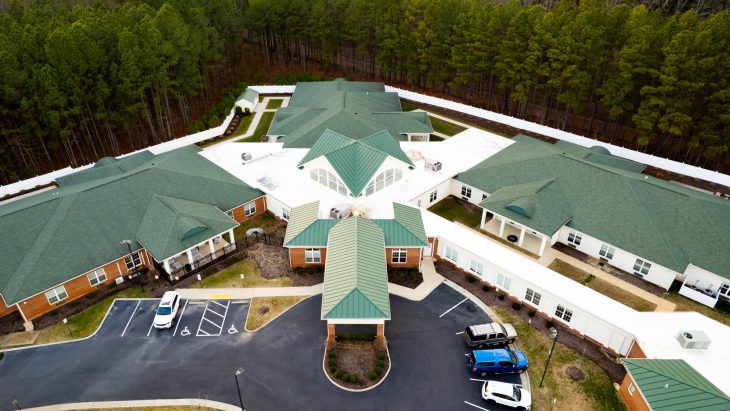


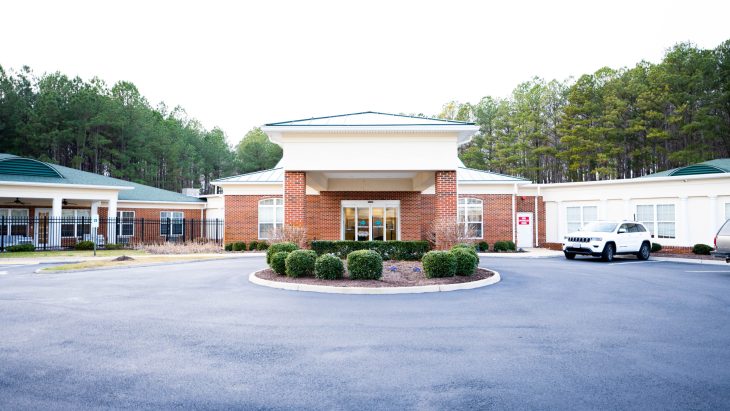
About Arrowwood ATC
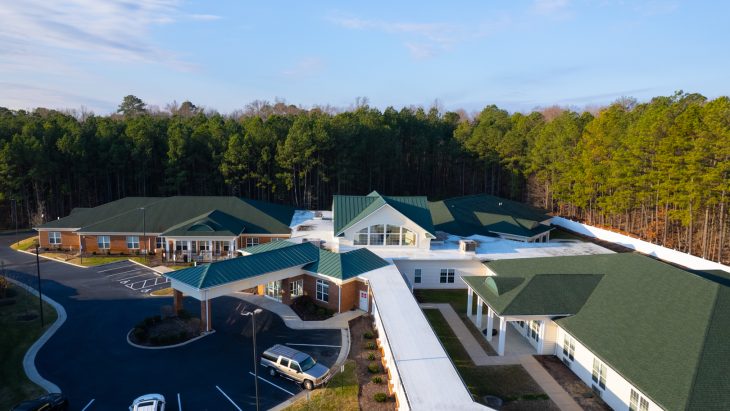
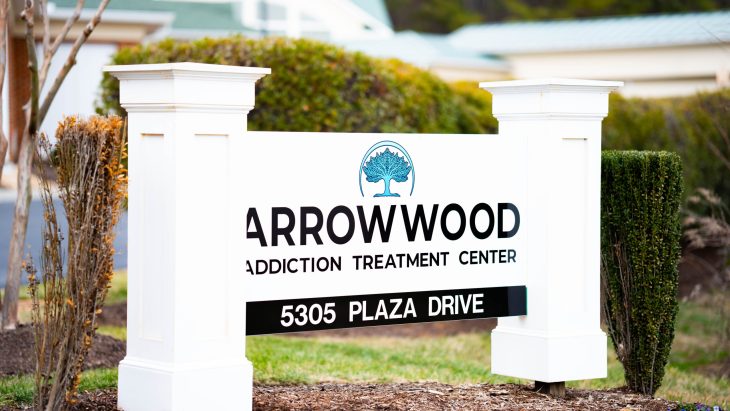
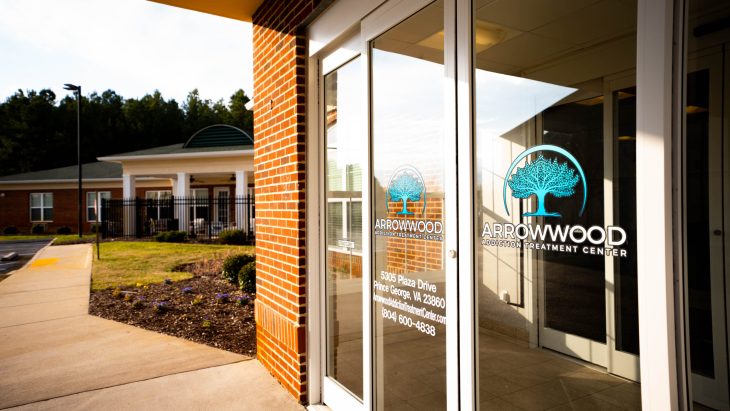
Arrowwood Addiction Treatment Center is a Joint Commission-accredited facility in Hopewell, Virginia providing evidence based care for adults 18 and older with substance use disorders.
The center specializes in treating alcohol, opioid, and prescription drug addiction with comprehensive support for cooccurring mental health conditions including depression, anxiety, PTSD and trauma.
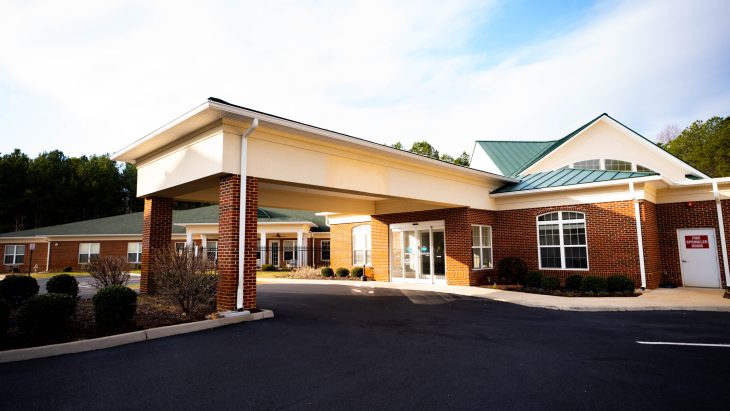
Nestled on 10 acres of peaceful wooded countryside about 35 minutes from Richmond, Arrowwood combines compassionate care with a healing environment designed to support lasting recovery.
Medical Detox, Residential Treatment and Outpatient Programs
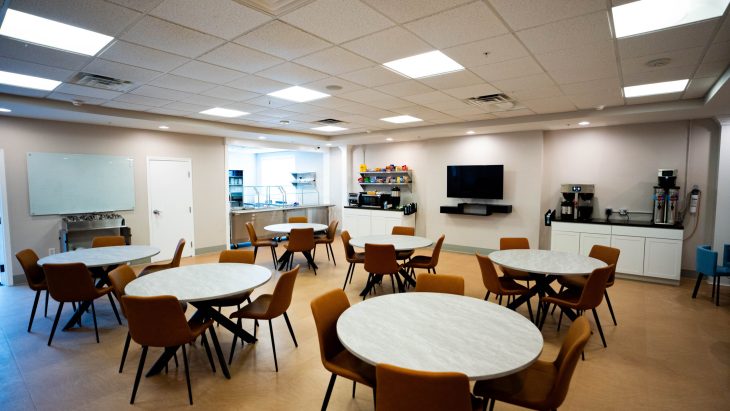
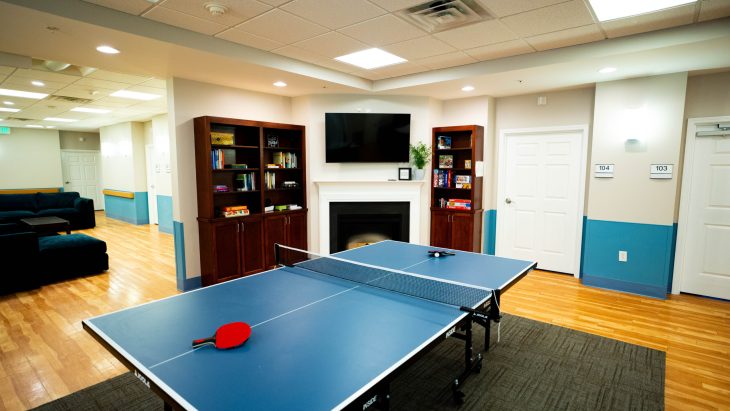
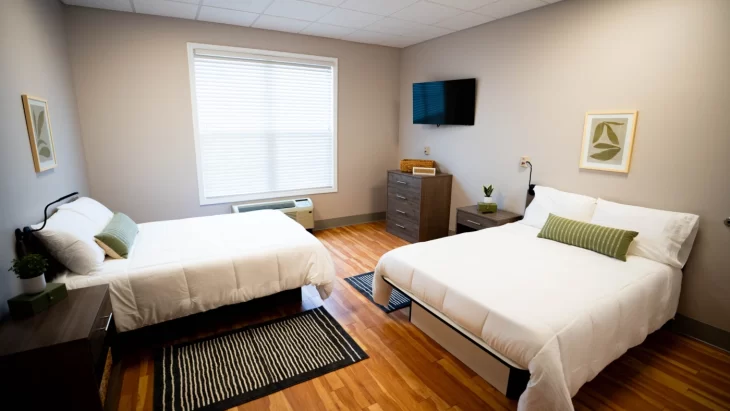
Arrowwood offers a full continuum of care from medical detox through residential treatment to outpatient programs. Medical detox provides 24/7 supervised withdrawal management with medication-assisted treatment when appropriate, followed by residential inpatient care in spacious double rooms with typical stays ranging from 14 to 90 days.
Outpatient options include Partial Hospitalization, Intensive Outpatient and standard outpatient programs that allow clients to live at home while attending treatment.
Treatment integrates evidence-based therapies like Cognitive Behavioral Therapy, Dialectical Behavior Therapy, motivational interviewing and trauma focused counseling.
Sessions combine individual, group, and family therapy with holistic approaches including mindfulness training, neurofeedback and physical wellness programs. Alumni consistently praise the compassionate staff, many of whom are in long term recovery themselves, for creating a welcoming environment where clients feel heard and supported.
Medication Management and Hepatitis C Treatment Onsite
Arrowwood treats the complexity of cooccurring mental health and substance use disorders simultaneously with coordinated care teams.
The trauma informed approach addresses underlying issues like PTSD, depression, and anxiety alongside addiction,with medication management and Hepatitis C treatment available onsite when needed.
| Levels of Care | Programs | Payment Options | |
|---|---|---|---|
|
Inpatient and residential programs provide round-the-clock medical and emotional support as you live at the treatment facility. This level of care may be recommended if you have severe addictions or mental health conditions since it removes outside distractions and allows you to focus solely on therapy. |
Partial hospitalization programs provide comprehensive treatment in a structured setting during the day but allow you to return home at night. These programs offer a balance of inpatient and outpatient rehab and provide intensive support without full time residency. |
In outpatient therapy, you’ll attend therapy sessions several times each week while living at home. This is ideal if you have a strong support system and a lower risk of relapse. Outpatient treatment offers flexibility to maintain work, school or family obligations. |
Aftercare programs provide ongoing support after you complete a rehab program. They may include several components to help you maintain sobriety including therapy, community support groups and relapse prevention strategies. This gives you a network of resources as you reintegrate into your daily life. |
|
LGBTQ friendly programs create an inclusive and affirming space for recovery. Treatment is sensitive to issues like discrimination and stigma. You’ll receive support and therapy that respects and acknowledges your unique experiences. |
Men's programs address substance use while also considering the social pressures, family roles and mental health concerns that are specific to men. You’ll learn healthy coping mechanisms as you build emotional resilience and develop communication skills. |
||
|
Private Insurance
|
Self Pay
|
Levels of Care
Inpatient and residential programs provide round-the-clock medical and emotional support as you live at the treatment facility. This level of care may be recommended if you have severe addictions or mental health conditions since it removes outside distractions and allows you to focus solely on therapy.
Partial hospitalization programs provide comprehensive treatment in a structured setting during the day but allow you to return home at night. These programs offer a balance of inpatient and outpatient rehab and provide intensive support without full time residency.
In outpatient therapy, you’ll attend therapy sessions several times each week while living at home. This is ideal if you have a strong support system and a lower risk of relapse. Outpatient treatment offers flexibility to maintain work, school or family obligations.
Aftercare programs provide ongoing support after you complete a rehab program. They may include several components to help you maintain sobriety including therapy, community support groups and relapse prevention strategies. This gives you a network of resources as you reintegrate into your daily life.
Programs
LGBTQ friendly programs create an inclusive and affirming space for recovery. Treatment is sensitive to issues like discrimination and stigma. You’ll receive support and therapy that respects and acknowledges your unique experiences.
Men's programs address substance use while also considering the social pressures, family roles and mental health concerns that are specific to men. You’ll learn healthy coping mechanisms as you build emotional resilience and develop communication skills.
Amenities
Accreditations


Contact



Amy Greene is an award-winning novelist and essayist. Her acclaimed debut novel, Bloodroot, was a New York Times national best seller. Her second novel, Long Man, was named a Best Book of the Year by The Washington Post in 2014. Her essays have appeared in publications such as The New York Times and Glamor Magazine. She currently resides in her native East Tennessee, amid the mountains she loves. In both her fiction and her nonfiction writing, Amy is dedicated exploring complex issues of mental health and spiritual and emotional wellbeing.