800-262-4205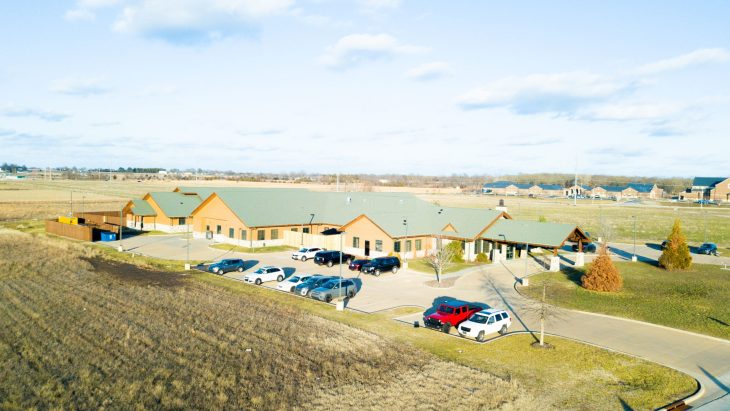
About Grand Falls Center
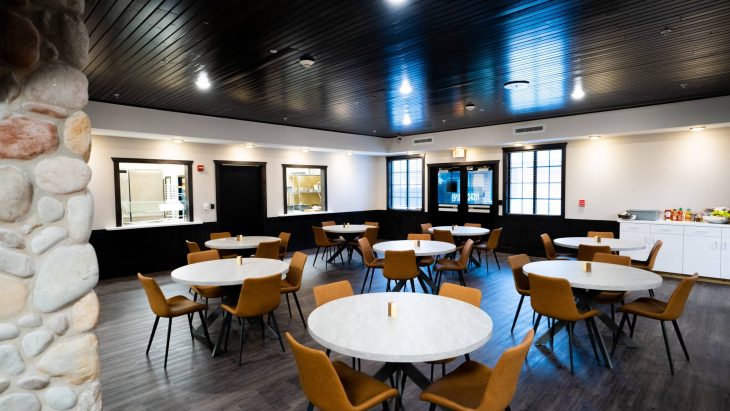
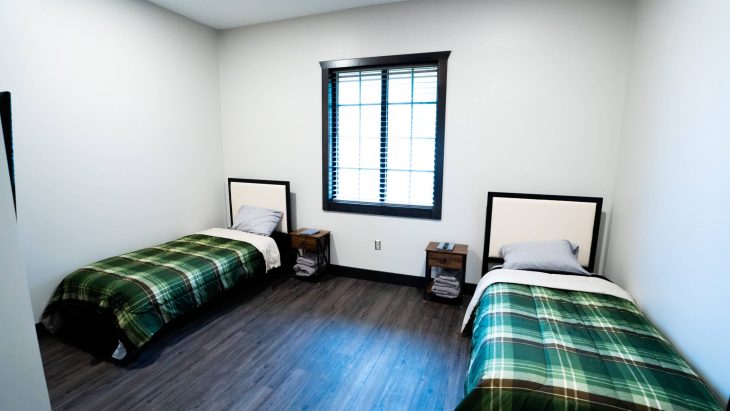
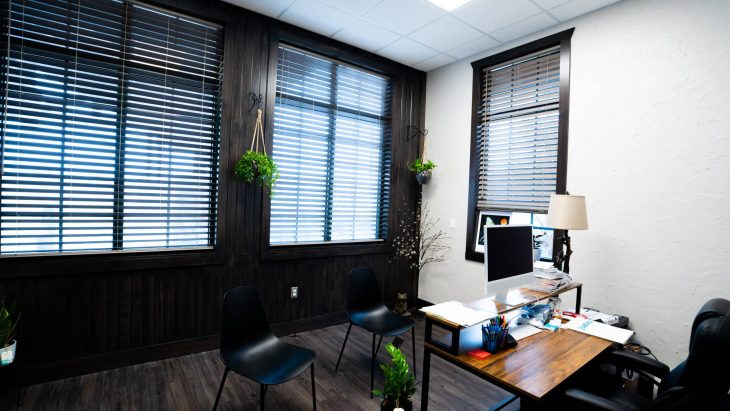
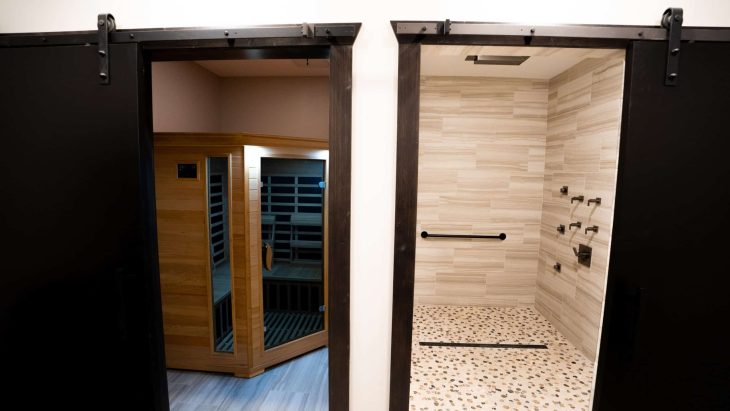
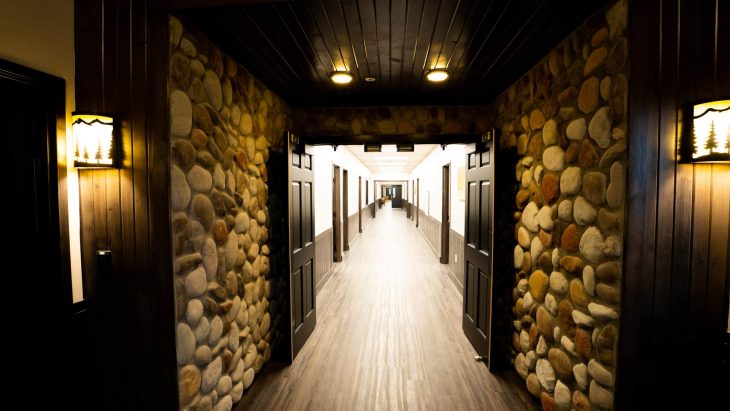
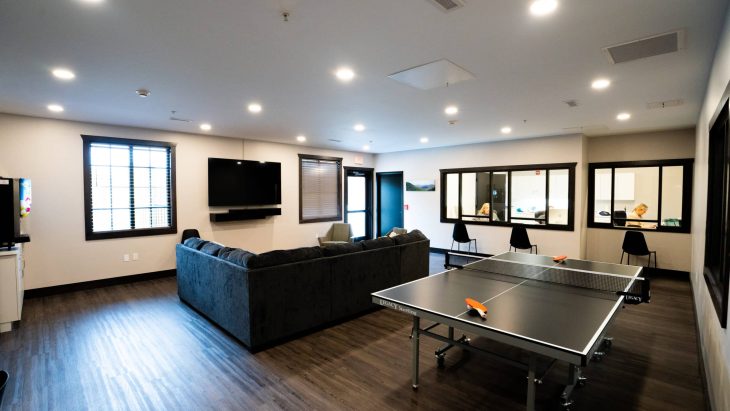
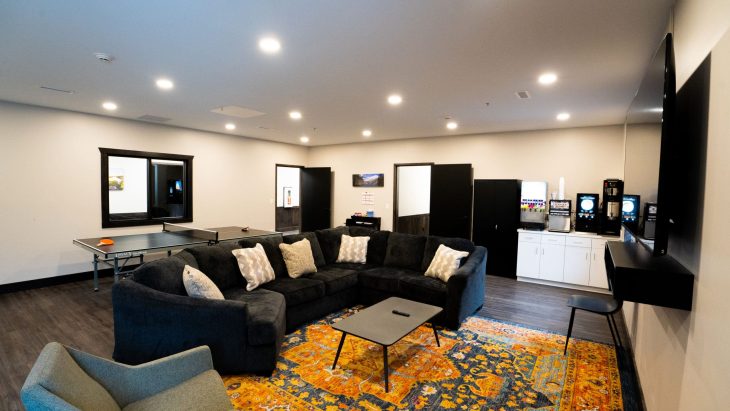
Grand Falls Center for Recovery provides substance abuse treatment in Joplin, Missouri. They offer drug and alcohol rehab on a modern 10-acre campus. The facility provides a full continuum of care and aftercare services for adults struggling with substance use and co-occurring mental health conditions. Grand Falls combines treatment with a retreat-like setting designed to support whole-person healing.
Medically Monitored Detox
One of the featured programs is medically monitored detox where clients receive 24/7 professional support. The staff emphasizes comfort-focused care as they help clients safely withdraw from harmful substances.
Medication assisted treatment is a tool incorporated in the program to lessen withdrawal symptoms and reduce drug cravings. They help guests relax while focusing on recovery and healing.
From there, clients can transition into residential inpatient treatment with structured programming and step down to outpatient services that allow greater flexibility while maintaining therapeutic intensity.
Healing Therapies
Programs integrate various proven therapy methods and trauma-focused counseling. Guests can develop coping skills for the future, learn to manage anger and avoid relapse pitfalls after treatment.
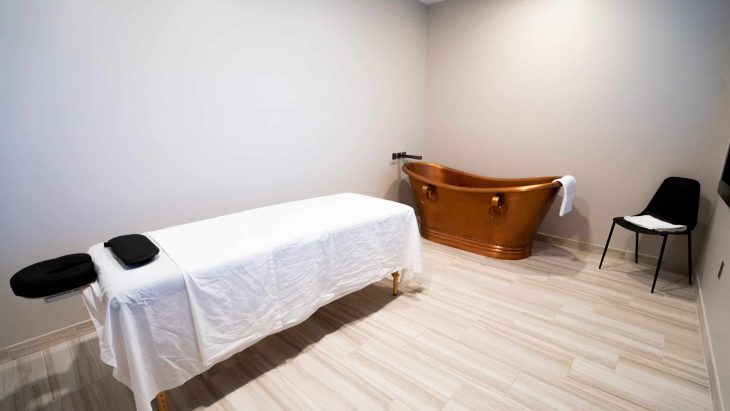
Grand Falls also offers GeneSight genetic testing to personalize medication management for dual diagnosis clients. They offer holistic therapies including yoga, massage, chiropractic care and copper tub therapy to address mind, body, and spirit.
| Levels of Care | Programs | Payment Options | |
|---|---|---|---|
|
Inpatient
|
Partial hospitalization programs provide comprehensive treatment in a structured setting during the day but allow you to return home at night. These programs offer a balance of inpatient and outpatient rehab and provide intensive support without full-time residency. |
Outpatient
|
Aftercare programs provide ongoing support once you complete a rehab program. They may include several components to help you maintain sobriety, including therapy, community support groups, and relapse-prevention strategies. This gives you a network of resources as you reintegrate into your daily life. |
|
Men's programs address substance use while also considering the social pressures, family roles, and mental health concerns that are specific to men. You’ll learn healthy coping mechanisms as you build emotional resilience and develop communication skills.
|
Women's programs offer a safe and supportive space to focus on gender-specific issues such as trauma, family roles, and mental health conditions. Therapists tailor the sessions to address women's needs and foster empowerment in a healing and nurturing environment.
|
LGBTQ-friendly programs create an inclusive and affirming space for recovery. Treatment is sensitive to issues like discrimination and stigma. You’ll receive support and therapy that respects and acknowledges your unique experiences.
|
|
|
Private Insurance
|
Levels of Care
Partial hospitalization programs provide comprehensive treatment in a structured setting during the day but allow you to return home at night. These programs offer a balance of inpatient and outpatient rehab and provide intensive support without full-time residency.
Aftercare programs provide ongoing support once you complete a rehab program. They may include several components to help you maintain sobriety, including therapy, community support groups, and relapse-prevention strategies. This gives you a network of resources as you reintegrate into your daily life.
Programs
Amenities
Accreditations


Accepted Insurance


Contact



Patti Croft has content writing experience in several areas, including health and fitness, cybersecurity, and animal care. She is passionate about mental health and addiction treatment and strives to share information that is enjoyable and accessible. She loves reading, consuming too much coffee, and spending time with her friends and pets.
Detox.com regularly reviews this listing for accuracy but changes may occur between updates. For the most up-to-date information, please contact Grand Falls Center.