

 800-262-4205
John J Pershing VA Medical Center

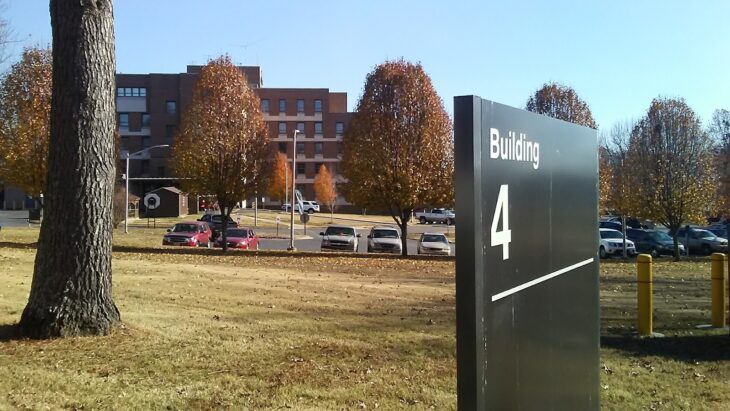



About John J Pershing VA Medical Center
Veterans and current service personnel can get treatment and support for substance abuse issues at the John J. Pershing VA Medical Center in Poplar Bluff, Missouri. All forms and severities of substance use are addressed with personalized treatment programs that consider personal recovery goals, the challenges faced by veterans, and co-occurring mental health disorders like depression and anxiety. Referrals are not usually required at their location, and telehealth mental health services are available for clients unable to make it to the clinic in person.
Clients are not required to be clean to receive treatment for substance use disorder at the VA. In fact, they help clients wean off drugs and alcohol in a controlled way using prescription medications. Evidence based medications such as methadone, Suboxone and naltrexone are provided to reduce cravings and withdrawal symptoms, helping clients detox from substances with as little discomfort as possible.
Alongside medications, clients participate in individual and group counseling, family therapy and psychoeducation to address the underlying causes and triggers of addiction. Proven therapeutic approaches like motivational interviewing and cognitive behavioral therapy help clients change their behaviors, develop healthy coping strategies and maintain motivation for making lasting changes.
Clients who are at high risk of personal harm due to their addiction can be referred to a residential VA substance abuse program. Inpatient treatment provides structure and stability for clients who perhaps don’t have a strong support network or find it difficult to abstain from substances when left to their own devices.
| Levels of Care | Detox Service Setting | Programs | Payment Options | |||||||
|---|---|---|---|---|---|---|---|---|---|---|
|
Outpatient
|
Aftercare programs provide ongoing support once you complete a rehab program. They may include several components to help you maintain sobriety, including therapy, community support groups, and relapse-prevention strategies. This gives you a network of resources as you reintegrate into your daily life. |
Dual Diagnosis
|
Through the Substance Addiction Residential Rehabilitation Treatment Program, John J. Pershing VA Medical Center provides residential-level care for Veterans with substance use disorders needing structured, live-in treatment support. |
|||||||
|
Outpatient detox gives you access to medically supervised withdrawal services while still allowing you to live at home. You’ll attend a clinic for treatment and monitoring. This flexible option is suitable for those with mild to moderate withdrawal symptoms who have strong support systems. |
John J. Pershing VA Medical Center offers residential substance use treatment through its SARRTP program in Poplar Bluff, Missouri, providing structured, medically supported withdrawal management and recovery support for Veterans. |
John J. Pershing VA Medical Center offers medication options for opioid use disorder, supporting Veterans through medication-assisted treatment as part of its substance use disorder care. |
||||||||
|
Adult programs address the substance use and life challenges specific to adults. Therapists can deliver sessions in individual, group, and family settings. Services often include job support and life-skills training.
|
Alcohol detox programs offer medical support to help individuals withdraw safely from alcohol. Your care team may use medications to ease your symptoms and provide medical monitoring to address complications.
|
Cognitive behavioral therapy focuses on changing harmful thought patterns and behaviors associated with addiction. You’ll learn healthier coping mechanisms by identifying and replacing negative thoughts. This improves your emotional resilience and decreases your relapse potential.
|
LGBTQ-friendly programs create an inclusive and affirming space for recovery. Treatment is sensitive to issues like discrimination and stigma. You’ll receive support and therapy that respects and acknowledges your unique experiences.
|
Men's programs address substance use while also considering the social pressures, family roles, and mental health concerns that are specific to men. You’ll learn healthy coping mechanisms as you build emotional resilience and develop communication skills.
|
Military / Veterans
|
Opioid detox uses medications to ease severe withdrawal symptoms. It also includes medical supervision to help you manage potential complications. These services allow you to stabilize and begin a recovery plan.
|
Senior programs address the unique needs of older adults such as isolation and chronic pain. Programs include peer support and medical oversight for age-related health concerns. The goal is to improve quality of life and promote sober aging.
|
Women's programs offer a safe and supportive space to focus on gender-specific issues such as trauma, family roles, and mental health conditions. Therapists tailor the sessions to address women's needs and foster empowerment in a healing and nurturing environment.
|
Young adult programs are designed for individuals who are transitioning into adulthood. Topics of discussion typically include identity, independence, and peer relationships. Providers may also offer life-skills training and career support.
|
John J. Pershing VA Medical Center treats substance use disorders involving alcohol, drugs, and other addictions through outpatient and residential programs available to Veterans in the Poplar Bluff area. |
|
Payment Assistance
|
Military Insurance
|
Private Insurance
|
Self Pay
|
Medicaid
|
Medicare
|
Sliding Scale Payment
|
Levels of Care
Aftercare programs provide ongoing support once you complete a rehab program. They may include several components to help you maintain sobriety, including therapy, community support groups, and relapse-prevention strategies. This gives you a network of resources as you reintegrate into your daily life.
Through the Substance Addiction Residential Rehabilitation Treatment Program, John J. Pershing VA Medical Center provides residential-level care for Veterans with substance use disorders needing structured, live-in treatment support.
Detox Service Setting
Outpatient detox gives you access to medically supervised withdrawal services while still allowing you to live at home. You’ll attend a clinic for treatment and monitoring. This flexible option is suitable for those with mild to moderate withdrawal symptoms who have strong support systems.
John J. Pershing VA Medical Center offers residential substance use treatment through its SARRTP program in Poplar Bluff, Missouri, providing structured, medically supported withdrawal management and recovery support for Veterans.
John J. Pershing VA Medical Center offers medication options for opioid use disorder, supporting Veterans through medication-assisted treatment as part of its substance use disorder care.
Programs
John J. Pershing VA Medical Center treats substance use disorders involving alcohol, drugs, and other addictions through outpatient and residential programs available to Veterans in the Poplar Bluff area.
Amenities
Accreditations


Accepted Insurance
Contact


- Monday 7AM - 6PM
- Tuesday 7AM - 6PM
- Wednesday 7AM - 6PM
- Thursday 7AM - 6PM
- Friday 7AM - 6PM
- Saturday 7AM - 2PM
- Sunday 7AM - 2PM

Having struggled with her mental health, Gemma has spent much of her writing career focused on topics surrounding behavioral health and stigmatized health issues, such as eating disorders, depression, obesity, and sexually transmitted diseases. She has a background in biology and research science that helps her understand chemical dependency as a disease. By writing about drug rehabilitation in an accessible and compassionate way, she hopes more people will feel encouraged to seek help.

Kerry Nenn is a full-time freelance writer and prize-winning author. She contributes regularly to addiction-recovery sites, international journal publications, and Christian ministries. Her published works include 10 books and myriad articles. Her work has received recognition both locally and nationally.
Detox.com regularly reviews this listing for accuracy but changes may occur between updates. For the most up-to-date information, please contact John J Pershing VA Medical Center.
Nearby Detox Centers



Search by Missouri Cities
FAQs
Does John J Pershing VA Medical Center offer detox services for veterans?
John J Pershing VA Medical Center in Poplar Bluff, Missouri provides substance use treatment services for eligible veterans. The facility is a VA medical center focused on serving the veteran population. Veterans interested in detox or withdrawal management should contact the facility directly to confirm current program availability and eligibility requirements.
What insurance does John J Pershing VA Medical Center accept for detox?
John J Pershing VA Medical Center accepts Tricare and Medicare for covered services. Veterans may also access care through military insurance benefits. The facility can verify insurance coverage and explain what detox or substance use treatment services are covered under each plan during the intake process.
Is John J Pershing VA Medical Center open to all veterans seeking detox?
John J Pershing VA Medical Center serves the veteran population and specializes in military healthcare. Eligibility for detox and substance use services depends on veteran status and other enrollment criteria. The medical center’s intake team can assess eligibility and discuss available treatment options for qualifying veterans in the Poplar Bluff area.