

 800-262-4205
Lincoln Trail Behavioral Health System
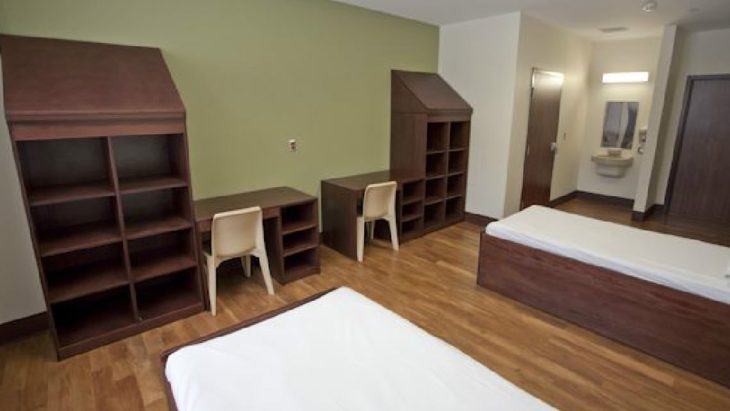
About Lincoln Trail Behavioral Health System
Lincoln Trail Behavioral Health System provides a highly structured adult chemical dependency inpatient program. Their services are available for adults over 18 in Radcliff, Kentucky, who need supervised detoxification. They make treatment accessible to many by accepting Medicare as well as the majority of private insurance providers.
Based on the Living in Balance model, the program emphasizes relapse prevention. They provide a wealth of opportunities for everyday living enhancements through lengthy group sessions. This method offers the tools required to develop a sober lifestyle. It also assists you in identifying aspects of your life that may have been neglected because of addiction.
Patients participate in SMART recovery programming or create a wellness recovery action plan in addition to the core program. Effective management of your sobriety and mental health requires these tools. Their WRAP service helps with discharge planning by allowing you to create a thorough plan. This ensures a seamless return to everyday life and strengthens your resolve to prevent relapses.
You will receive treatment from a multidisciplinary team that includes a licensed social worker, certified alcohol and drug counselor, activity therapist and nurse. By tailoring each person’s treatment plan to their specific requirements, a personalized approach to recovery is guaranteed.
They help you improve your overall health by managing your medications and providing dietary advice. The program is prepared to handle co-occurring disorders as well acknowledging the complexity of addiction. In order to provide comprehensive care you can take part in group sessions that address psychiatric concerns and chemical dependency.
When you are admitted a dedicated case coordinator starts the discharge planning process by helping you create plans and goals for moving to a less intensive level of care. Their overall goal is to assist you in taking back your life and achieving long term sobriety.
| Levels of Care | Detox Service Setting | Programs | Payment Options | Medications Offered | |||
|---|---|---|---|---|---|---|---|
|
Inpatient and residential programs provide round-the-clock medical and emotional support as you live at the treatment facility. This level of care may be recommended if you have severe addictions or mental health conditions since it removes outside distractions and allows you to focus solely on therapy. |
Partial hospitalization programs provide comprehensive treatment in a structured setting during the day but allow you to return home at night. These programs offer a balance of inpatient and outpatient rehab and provide intensive support without full time residency. |
Intensive Outpatient
|
In outpatient therapy, you’ll attend therapy sessions several times each week while living at home. This is ideal if you have a strong support system and a lower risk of relapse. Outpatient treatment offers flexibility to maintain work, school or family obligations. |
Dual diagnosis programs address substance use disorders and co-occurring mental health conditions simultaneously. This integrated approach to care improves the likelihood of long term recovery and stability by addressing the root causes of addiction. |
|||
|
Inpatient detox occurs in a dedicated treatment facility. You’ll live there around the clock and receive intensive medical support and supervision to help manage your withdrawal symptoms. It is suitable for individuals with moderate to severe addictions as it ensures a stable detox environment. |
Outpatient detox gives you access to medically supervised withdrawal services while still allowing you to live at home. You’ll attend a clinic for treatment and monitoring. This flexible option is suitable for those with mild to moderate withdrawal symptoms who have strong support systems. |
||||||
|
Teen (13 - 18)
|
Adult programs address the substance use and life challenges specific to adults. Therapists can deliver sessions in individual, group and family settings. Services often include job support and life skills training in a structured environment. |
Senior programs address the unique needs of older adults like chronic pain, grief and isolation. Programs include peer support and medical oversight for age related health concerns. The goal is to improve quality of life and promote sober aging. |
Military and veteran programs offer specialized support for clients who served in the armed services. Programs focus on reintegration and healing within a structured and supportive environment that acknowledges the unique struggles of military life. |
Alcohol detox programs offer medical support to help individuals withdraw safely from alcohol. Your care team may use medications to ease your symptoms and provide medical monitoring to address complications. |
Drug detox programs support individuals who are withdrawing from addictive substances like cocaine and heroin. Medical support helps you manage symptoms in a controlled and safe environment so you can achieve initial sobriety. |
Opioid detox uses medications to ease severe withdrawal symptoms. It also includes medical supervision to help you manage potential complications. These services allow you to stabilize and begin a recovery plan. |
Cognitive behavioral therapy focuses on changing harmful thought patterns and behaviors associated with addiction. You’ll learn healthier coping mechanisms by identifying and replacing negative thoughts. This improves your emotional resilience and decreases your relapse potential. |
|
Medicaid
|
Medicare
|
Military Insurance
|
Private Insurance
|
Self Pay
|
|||
|
Methadone
|
Levels of Care
Inpatient and residential programs provide round-the-clock medical and emotional support as you live at the treatment facility. This level of care may be recommended if you have severe addictions or mental health conditions since it removes outside distractions and allows you to focus solely on therapy.
Partial hospitalization programs provide comprehensive treatment in a structured setting during the day but allow you to return home at night. These programs offer a balance of inpatient and outpatient rehab and provide intensive support without full time residency.
In outpatient therapy, you’ll attend therapy sessions several times each week while living at home. This is ideal if you have a strong support system and a lower risk of relapse. Outpatient treatment offers flexibility to maintain work, school or family obligations.
Dual diagnosis programs address substance use disorders and co-occurring mental health conditions simultaneously. This integrated approach to care improves the likelihood of long term recovery and stability by addressing the root causes of addiction.
Detox Service Setting
Inpatient detox occurs in a dedicated treatment facility. You’ll live there around the clock and receive intensive medical support and supervision to help manage your withdrawal symptoms. It is suitable for individuals with moderate to severe addictions as it ensures a stable detox environment.
Outpatient detox gives you access to medically supervised withdrawal services while still allowing you to live at home. You’ll attend a clinic for treatment and monitoring. This flexible option is suitable for those with mild to moderate withdrawal symptoms who have strong support systems.
Programs
Adult programs address the substance use and life challenges specific to adults. Therapists can deliver sessions in individual, group and family settings. Services often include job support and life skills training in a structured environment.
Senior programs address the unique needs of older adults like chronic pain, grief and isolation. Programs include peer support and medical oversight for age related health concerns. The goal is to improve quality of life and promote sober aging.
Military and veteran programs offer specialized support for clients who served in the armed services. Programs focus on reintegration and healing within a structured and supportive environment that acknowledges the unique struggles of military life.
Alcohol detox programs offer medical support to help individuals withdraw safely from alcohol. Your care team may use medications to ease your symptoms and provide medical monitoring to address complications.
Drug detox programs support individuals who are withdrawing from addictive substances like cocaine and heroin. Medical support helps you manage symptoms in a controlled and safe environment so you can achieve initial sobriety.
Opioid detox uses medications to ease severe withdrawal symptoms. It also includes medical supervision to help you manage potential complications. These services allow you to stabilize and begin a recovery plan.
Cognitive behavioral therapy focuses on changing harmful thought patterns and behaviors associated with addiction. You’ll learn healthier coping mechanisms by identifying and replacing negative thoughts. This improves your emotional resilience and decreases your relapse potential.
Medications Offered
Amenities
Accreditations


Accepted Insurance



Contact


- Monday Open 24 hours
- Tuesday Open 24 hours
- Wednesday Open 24 hours
- Thursday Open 24 hours
- Friday Open 24 hours
- Saturday Open 24 hours
- Sunday Open 24 hours


Kerry Nenn is a full-time freelance writer and prize-winning author. She contributes regularly to addiction-recovery sites, international journal publications, and Christian ministries. Her published works include 10 books and myriad articles. Her work has received recognition both locally and nationally.
Detox.com regularly reviews this listing for accuracy but changes may occur between updates. For the most up-to-date information, please contact Lincoln Trail Behavioral Health System.
Nearby Detox Centers
Search by Kentucky Cities
FAQs
What detox services does Lincoln Trail Behavioral Health System offer for adults?
Lincoln Trail’s Acute Detox Services help adults ages 18 and older safely withdraw from alcohol, opioids, benzodiazepines, and other substances. The facility provides both inpatient detox in a structured residential setting and outpatient detox options, allowing individuals to choose the level of care that fits their situation.
Does Lincoln Trail offer medical detox with 24-hour supervision and monitoring?
Yes, Lincoln Trail provides inpatient detox with 24-hour care in a safe, structured environment. The facility’s inpatient programs include medical supervision and medication management as appropriate during the withdrawal process. Admissions are available 24 hours a day, 7 days a week.
What mental health conditions are treated during detox at Lincoln Trail in Radcliff?
Lincoln Trail’s Dual Diagnosis Program treats individuals with both substance use disorders and co-occurring mental health conditions, including depression, anxiety, bipolar disorder, PTSD, and trauma-related concerns. Assessment, stabilization, and integrated treatment for these conditions are provided alongside substance use detox.
What insurance does Lincoln Trail Behavioral Health System accept for detox?
Lincoln Trail accepts Medicare, Medicaid, TRICARE, and most private insurance plans. For individuals without insurance, self-pay options are available. The facility’s admissions specialists can help verify coverage and explain behavioral healthcare benefits.
Does Lincoln Trail offer specialized detox programs for military members or veterans?
Yes, Lincoln Trail’s Military Service Program is designed to meet the unique needs of active duty service members, veterans, and first responders. The facility accepts TRICARE and provides specialized care that addresses military-related experiences alongside substance use treatment.
What therapies are used during detox and early recovery at Lincoln Trail?
Lincoln Trail uses evidence-based therapies including Cognitive Behavioral Therapy (CBT) and Dialectical Behavior Therapy (DBT), along with trauma-focused approaches. Treatment may also include individual therapy, group therapy, family therapy, and expressive therapies such as art and music therapy during the detox and recovery process.