

 502-234-5206
MedMark Treatment Centers Louisville
Louisville, KY
40219


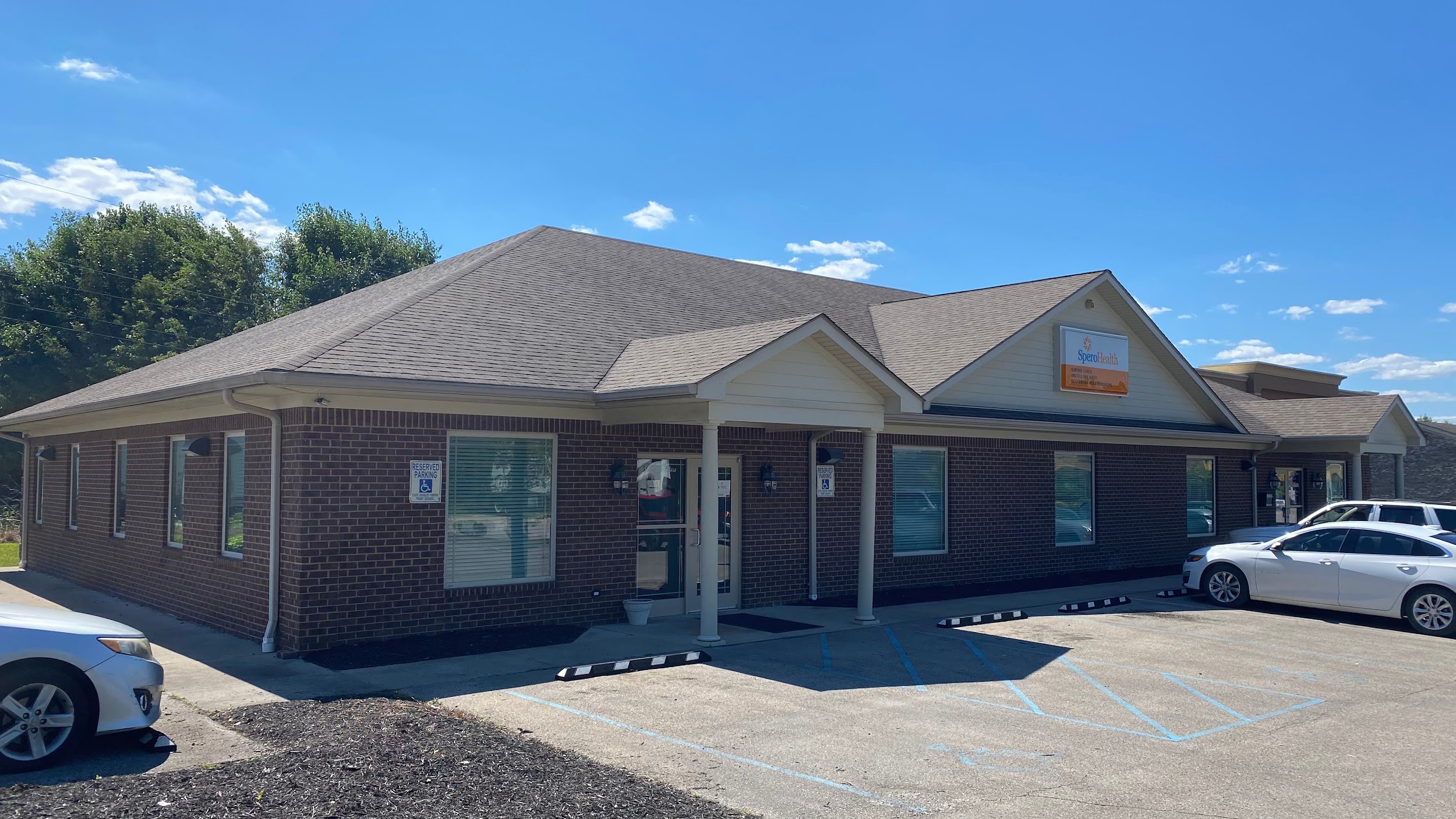
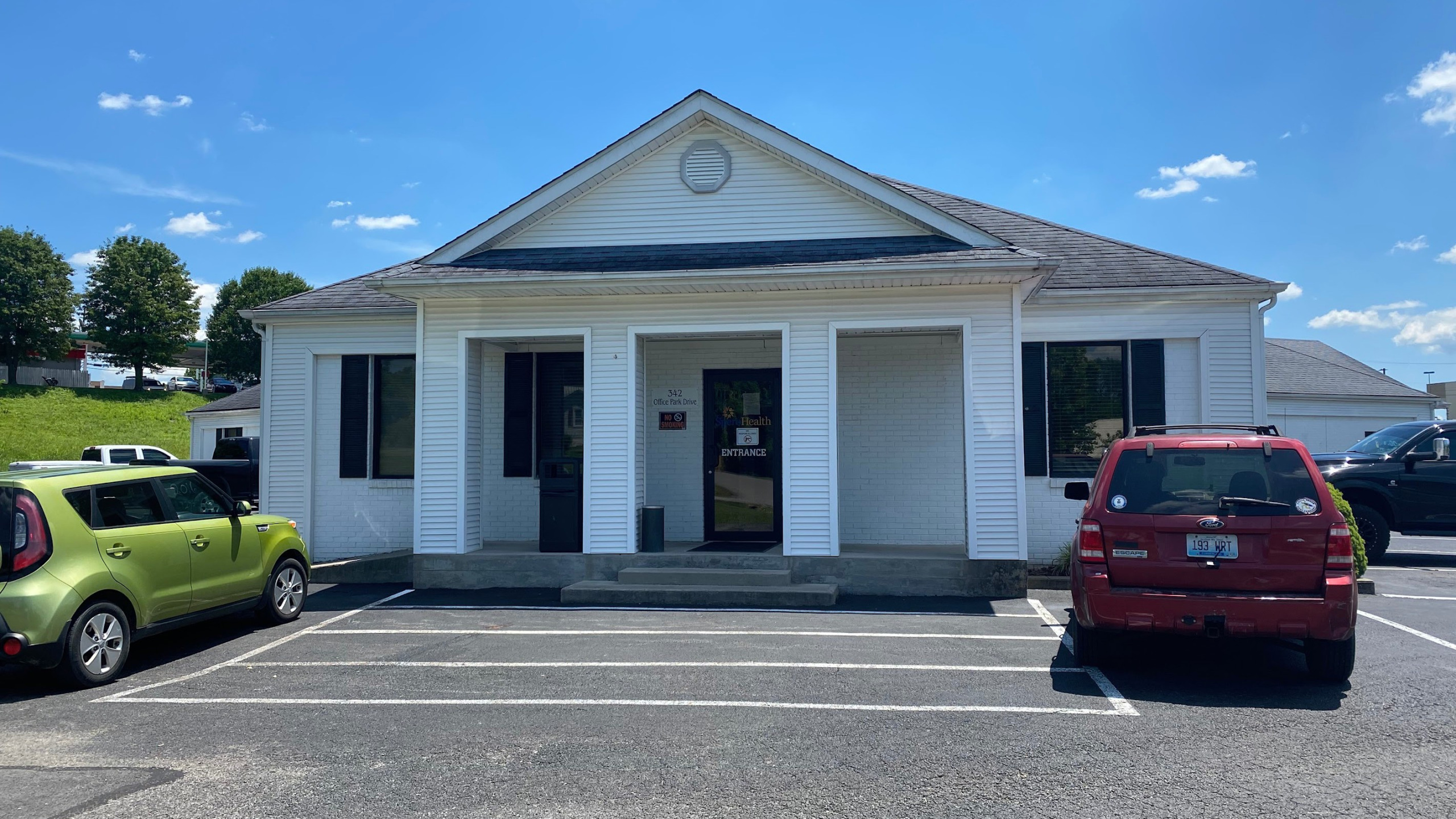

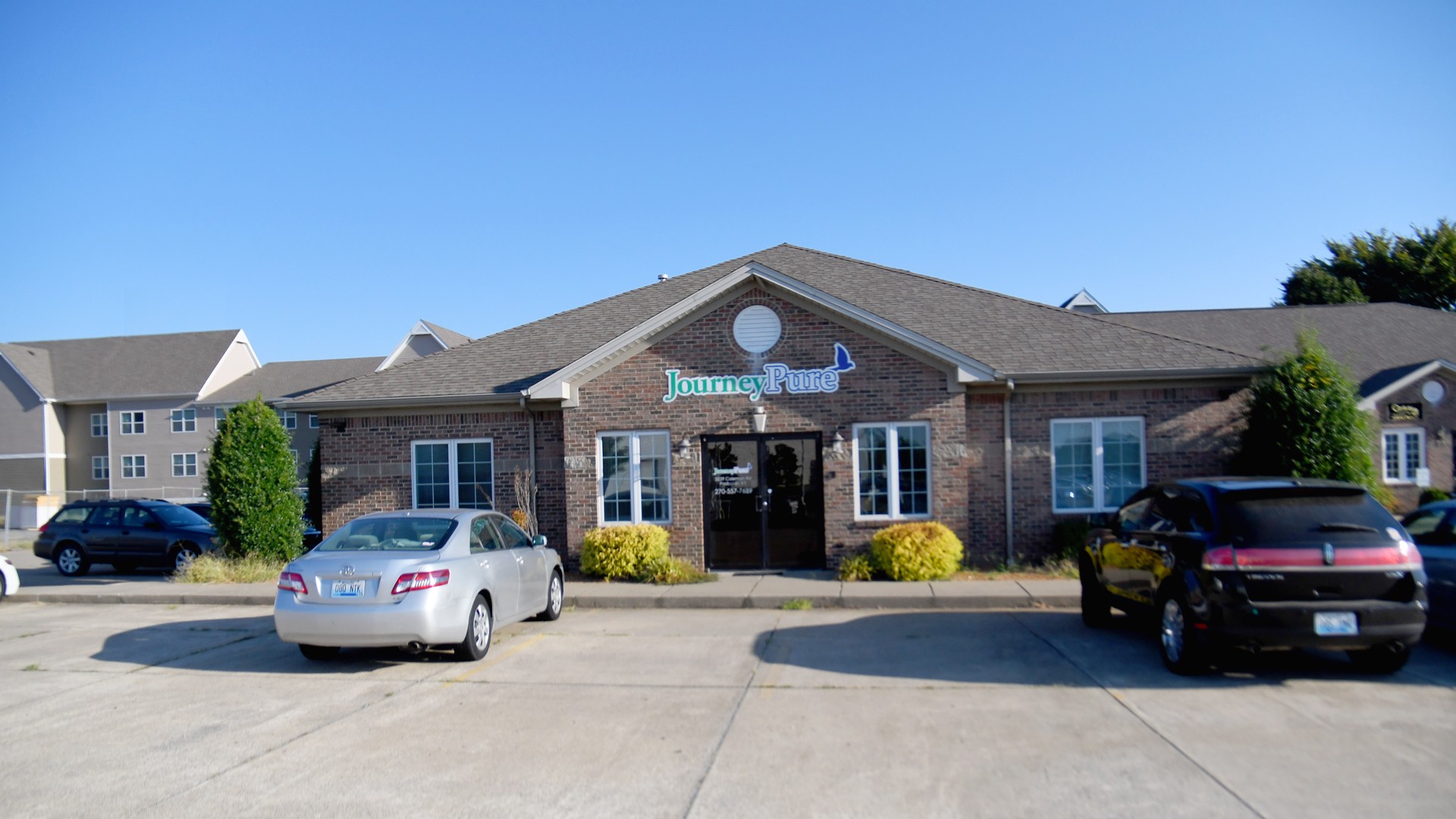
| Name | Address | Detox Service Setting | Levels Of Care | Media |
|---|---|---|---|---|
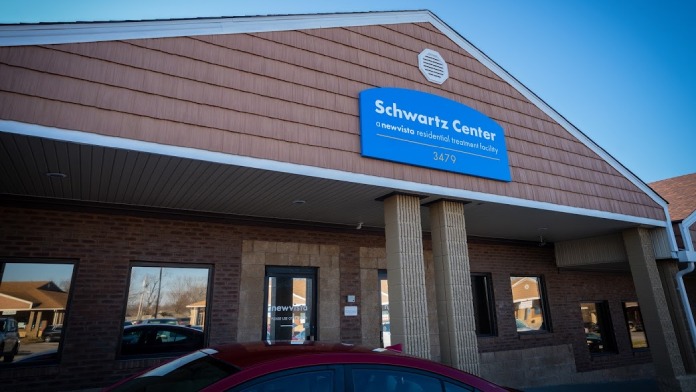
Addiction Recovery Care Karens Place |
125 North Main Cross Street Louisa, KY 41230 |
Detox Service Setting
Inpatient DetoxOutpatient Detox
|
Levels Of Care
InpatientOutpatientAftercare
|

|
Aria Kentucky – Morehead Rehab & Detox Center |
445 Clinic Drive Morehead, KY 40351 |
Detox Service Setting
Inpatient DetoxOutpatient DetoxMAT
|
Levels Of Care
InpatientOutpatientIntensive Outpatient+3
|
|
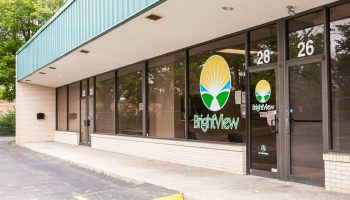
BrightView Lexington Addiction Treatment Center |
575 West Main Street Lexington, KY 40507 |
Detox Service Setting
Outpatient Detox
|
Levels Of Care
OutpatientDual Diagnosis
|
|
Corner of Hope Recovery Center |
1811 Standard Avenue Louisville, KY 40210 |
Detox Service Setting
Inpatient DetoxOutpatient Detox
|
Levels Of Care
InpatientOutpatientDual Diagnosis+1
|

|
Crossroads Louisville |
1700 Cargo Ct Jeffersontown, KY 40299 |
Detox Service Setting
Inpatient DetoxOutpatient Detox
|
Levels Of Care
InpatientOutpatient
|
|
Crown Recovery Center |
2735 Bardstown Rd Springfield, KY 40061 |
Detox Service Setting
Inpatient DetoxOutpatient Detox
|
Levels Of Care
InpatientOutpatient
|

|
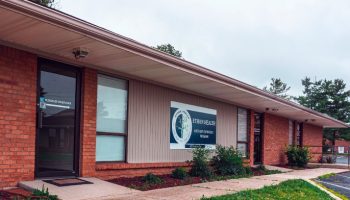
Ethan Health |
1623 Foxhaven Dr Richmond, KY 40475 |
Detox Service Setting
Inpatient DetoxOutpatient Detox
|
Levels Of Care
InpatientOutpatient
|
|
Healing Place Womens Community |
1503 South 15th Street Louisville, KY 40210 |
Detox Service Setting
Inpatient Detox
|
Levels Of Care
|

|
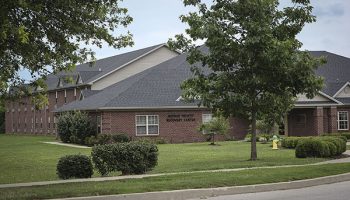
Hope Center Recovery For Men |
250 West Loudon Avenue Lexington, KY 40508 |
Detox Service Setting
Inpatient Detox
|
Levels Of Care
Inpatient
|
|
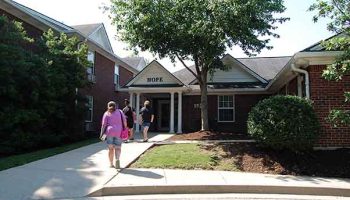
Hope Center, Inc |
1524 Versailles Road Lexington, KY 40504 |
Detox Service Setting
Inpatient DetoxMAT
|
Levels Of Care
Inpatient
|
|
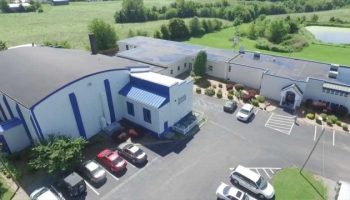
Isaiah House Treatment Center |
1090 Industry Road Harrodsburg, KY 40330 |
Detox Service Setting
Inpatient DetoxOutpatient Detox
|
Levels Of Care
InpatientOutpatient
|
|
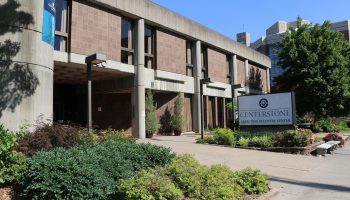
Jefferson Alcohol & Drug Abuse Center |
600 South Preston Street Louisville, KY 40202 |
Detox Service Setting
Inpatient DetoxOutpatient Detox
|
Levels Of Care
InpatientOutpatient
|
|
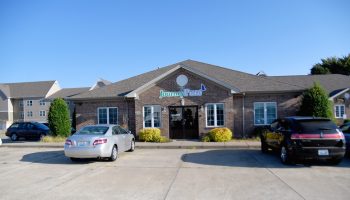
JourneyPure Paducah Outpatient and Suboxone Clinic |
2500 Holt Road Paducah, KY 42001 |
Detox Service Setting
Inpatient DetoxOutpatient DetoxMAT
|
Levels Of Care
InpatientPHPOutpatient+4
|
|
Landmark Recovery of Louisville |
4112 Fern Valley Road Louisville, KY 40219 |
Detox Service Setting
Inpatient DetoxOutpatient Detox
|
Levels Of Care
InpatientOutpatientAftercare+1
|
|
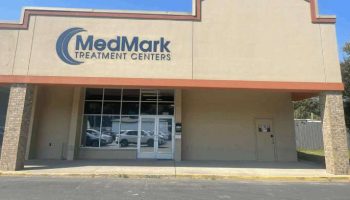
MedMark Treatment Centers Louisville |
4922 Poplar Level Rd Louisville, KY 40219 |
Detox Service Setting
Inpatient DetoxOutpatient Detox
|
Levels Of Care
InpatientOutpatient
|
|
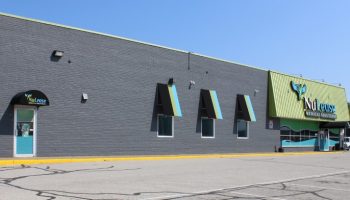
NuLease Medical Solutions |
5722 Outer Loop Louisville, KY 40219 |
Detox Service Setting
Inpatient DetoxOutpatient Detox
|
Levels Of Care
InpatientOutpatient
|
|
Recovery Works Georgetown |
3107 Cincinnati Rd Georgetown, KY 40324 |
Detox Service Setting
Inpatient DetoxOutpatient Detox
|
Levels Of Care
InpatientOutpatient
|

|
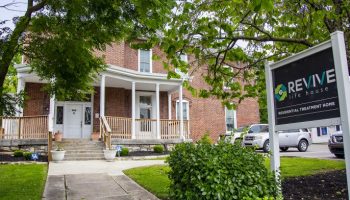
Revive Life House |
800 S Main St Nicholasville, KY 40356 |
Detox Service Setting
Inpatient DetoxOutpatient Detox
|
Levels Of Care
InpatientOutpatientPHP+2
|
|
Roaring Brook Recovery |
600 Perimeter Dr Lexington, KY 40517 |
Detox Service Setting
Inpatient DetoxOutpatient Detox
|
Levels Of Care
InpatientOutpatient
|

|
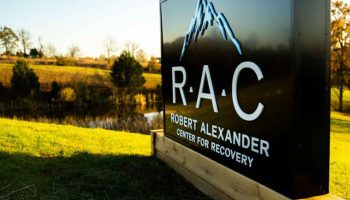
Robert Alexander |
130 Hope St Mount Washington, KY 40047 |
Detox Service Setting
|
Levels Of Care
InpatientPHPOutpatient+1
|
|
Kentucky runs its substance use system through the Cabinet for Health and Family Services (CHFS). The Office of Inspector General licenses every detox and treatment facility in the state as an Alcohol and Other Drug Entity under Administrative Regulation 908 KAR 1:370.
The Department for Behavioral Health, Developmental and Intellectual Disabilities sets clinical standards and coordinates care. Anyone choosing a detox center can start with the KY HELP Statewide Call Center at 1-833-859-4357, free and answered around the clock.
Kentucky pairs a growing treatment network with a deep public safety net. The state expanded Medicaid, and Kentucky Medicaid covers the full continuum of substance use care, delivered through managed care organizations.
Kentucky has also invested heavily in overdose response, funding a statewide naloxone program and one of the South’s most established networks of syringe service programs run through local health departments.
These efforts are showing results. Kentucky overdose deaths fell 30.2 percent in 2024, the largest single-year drop in state history and the third straight annual decline.
Fentanyl still drives the crisis, which is why medically supervised detox matters. Admission usually begins with an assessment that assigns an American Society of Addiction Medicine (ASAM) level of care to match the setting to a person’s needs.
Paying for detox in Kentucky is more manageable than many people expect, between expanded Medicaid, commercial insurance parity protections, and state-funded programs that serve uninsured residents. Understanding how much detox costs and the assistance options below can help you plan before treatment begins.
The cost of detox in Kentucky depends on the level of medical supervision, the substance involved, the length of stay, and whether care happens in a hospital, a residential facility, or an outpatient setting.
Alcohol and benzodiazepine withdrawal often require closer monitoring, which raises the cost, and the Louisville and Lexington metros tend to run higher than rural areas. The figures below are full cash-pay (self-pay) rates before insurance, Medicaid, Medicare, or state funding is applied. Most people with coverage pay far less, and many qualify for care at no cost.
Medicare covers medically necessary detox for Kentucky residents. Part A pays for inpatient hospital withdrawal management, and Part B covers outpatient services, including opioid treatment program care that provides methadone, buprenorphine, and naltrexone.
Medicare Advantage plans sold in Kentucky must offer at least the same coverage. Your out-of-pocket cost depends on the setting, the services received, and your plan’s deductibles and coinsurance.
Kentucky Medicaid covers medically supervised withdrawal, residential treatment, outpatient services, and medication-assisted treatment. Coverage is delivered through managed care organizations such as Aetna Better Health, Anthem, Humana, Passport by Molina, UnitedHealthcare, and WellCare, and some services may require prior authorization. More than 142,000 Kentuckians received addiction services through Medicaid in a recent year.
Kentucky funds a broad public safety net so that cost is not a barrier to starting detox. Beyond commercial insurance and Medicaid, several options help people pay for care:

Kentucky’s network of regional Community Mental Health Centers, supported by the Department for Behavioral Health, provides detox, treatment, and recovery services on a sliding scale, using state and federal funds to serve uninsured and underinsured residents.
The KY HELP Statewide Call Center (1-833-859-4357) is a free, confidential line that connects Kentuckians to treatment, including publicly funded options, and helps navigate coverage and placement for people without insurance.
Federally Qualified Health Centers and nonprofit providers across Kentucky offer detox and outpatient services on a sliding fee scale tied to income, keeping care reachable for people without full coverage.
Enrolled veterans can access substance use treatment and medically supervised detox through the Robley Rex VA Medical Center in Louisville, the Lexington VA Health Care System, and other VA facilities, with community care referrals when needed.
Detox and treatment programs in Kentucky are overseen by state agencies and credentialing bodies, with national accreditation adding a further layer of quality assurance. These are the primary bodies that regulate withdrawal management and addiction care across the state:
The Office of Inspector General within the Cabinet for Health and Family Services licenses every detox and treatment facility in Kentucky as an Alcohol and Other Drug Entity under 908 KAR 1:370, conducting inspections and enforcing staffing, safety, and clinical standards.
DBHDID sets behavioral health standards, funds community treatment, and houses the Kentucky State Narcotic Authority, which oversees the opioid treatment programs that dispense methadone.
The Kentucky Board of Alcohol and Drug Counselors licenses and certifies the counselors who staff the state’s detox and treatment programs, verifying the education, supervised experience, and testing behind each credential.
Beyond state oversight, many Kentucky detox and treatment providers voluntarily earn accreditation from CARF International or The Joint Commission. These independent bodies audit programs against national standards for safety, clinical quality, and outcomes, signaling externally reviewed care.
Medication-assisted treatment in Kentucky is regulated at the federal and state levels. Opioid treatment programs that dispense methadone must hold SAMHSA certification under 42 CFR Part 8, register with the DEA, and be approved by the Kentucky State Narcotic Authority, while the KASPER prescription monitoring program tracks dispensing.
Kentucky has widened access to medication-assisted treatment through office-based opioid treatment and telehealth, and the federal buprenorphine waiver has been eliminated.
Buprenorphine, often prescribed as Suboxone, is widely available in Kentucky through office-based providers, telehealth, and licensed treatment programs. This reach matters in the rural counties of Eastern Kentucky that were hit hardest by the crisis. Kentucky Medicaid covers buprenorphine, making it a practical first step for opioid use disorder treatment.
Methadone is dispensed only through opioid treatment programs certified by SAMHSA and approved by the Kentucky State Narcotic Authority, and is not available at retail pharmacies. Kentucky Medicaid covers methadone for eligible residents at licensed programs statewide.
Naltrexone, including the extended-release injection Vivitrol, blocks opioid effects and is not a controlled substance, so any licensed Kentucky prescriber can offer it in a standard outpatient setting. It treats both opioid and alcohol use disorder after withdrawal is complete, and Kentucky Medicaid covers it statewide.
Kentucky has built one of the South’s most established overdose prevention systems. Because fentanyl is present in the majority of the state’s overdose deaths, Kentucky maintains a statewide standing order that lets pharmacists dispense naloxone without an individual prescription, funds free naloxone through the Kentucky Opioid Response Effort, and authorizes syringe service programs through local health departments. These services often become a person’s first connection to detox and treatment.
Authorized by state law in 2015, Kentucky’s syringe service programs operate through local health departments at more than 80 sites across the state, offering sterile supplies, naloxone, testing, and links to treatment.
Through the Kentucky Opioid Response Effort and a statewide standing order, residents and agencies can obtain free naloxone from pharmacies, local health departments, and community organizations without an individual prescription.
The Kentucky Harm Reduction Coalition works to reduce overdose deaths and disease transmission across Kentucky by expanding access to syringe services, naloxone, and testing while connecting people to care.
NEXT Distro is an online harm reduction platform that mails free naloxone and supplies to Kentucky residents who cannot easily reach an in-person program.
Kentucky has made major progress against overdose deaths, though fentanyl keeps the danger high. These figures from state agencies show where Kentucky stands today.
Kentucky overdose deaths fell 30.2 percent in 2024, the largest single-year decrease in state history and the third consecutive annual decline, according to the Kentucky Office of Drug Control Policy.
Fentanyl was present in 62.3 percent of Kentucky overdose deaths in 2024, the most common substance involved, according to the Kentucky Office of Drug Control Policy.
Kentucky operates more than 80 syringe service program sites across its counties through local health departments, one of the largest such networks in the South, per the Cabinet for Health and Family Services.
Call the KY HELP Statewide Call Center at 1-833-859-4357, a free and confidential line. Staff connect you to detox and treatment regardless of insurance, including state-funded programs and Community Mental Health Centers that serve uninsured residents, and can help you enroll in Medicaid.
Yes. Kentucky’s statewide standing order lets pharmacists dispense naloxone without an individual prescription, and free naloxone is available through the Kentucky Opioid Response Effort, local health departments, and syringe service programs. NEXT Distro also mails free naloxone to Kentucky residents.
It depends on the substance, your withdrawal history, and any co-occurring conditions. Alcohol and benzodiazepine withdrawal can be life-threatening and often need inpatient care. Reviewing whether you really need inpatient detox with a clinician determines the safest level of care.
Yes. Kentucky Medicaid covers medically supervised withdrawal, residential treatment, outpatient services, and medication-assisted treatment. Coverage runs through managed care organizations, and some services may require prior authorization. More than 142,000 Kentuckians received addiction services through Medicaid in a recent year.
Most medically supervised detox lasts three to seven days, though timelines vary by substance and severity. Opioid and alcohol withdrawal typically span several days, while some sedatives require a longer taper. Your care team adjusts the plan based on your symptoms and medical needs.


Gayle Morris, BSN, MSN, received her bachelor’s degree from the University of Illinois Chicago Medical Center and her first master’s degree from Indiana University Purdue University Indianapolis. She practiced nursing for more than two decades with a focus on pediatric physical rehabilitation, helping children and their parents after a head injury or spinal cord injury. She has been a freelance writer in health, wellness, and mental health for more than 15 years. She loves exercise, her dogs and guinea pigs, and gardening.