

 800-262-4205
Portland Metro Treatment Center

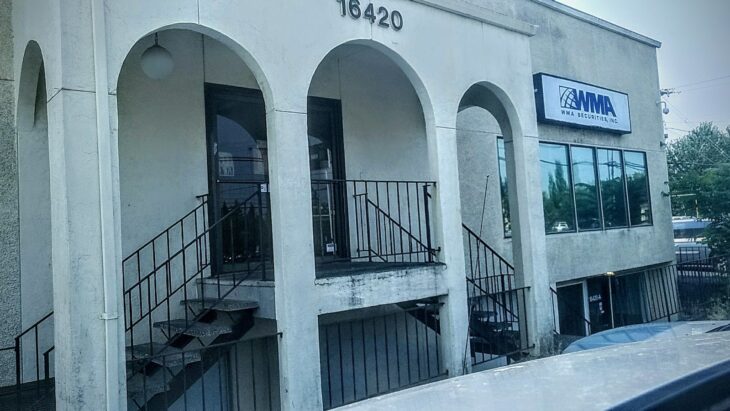
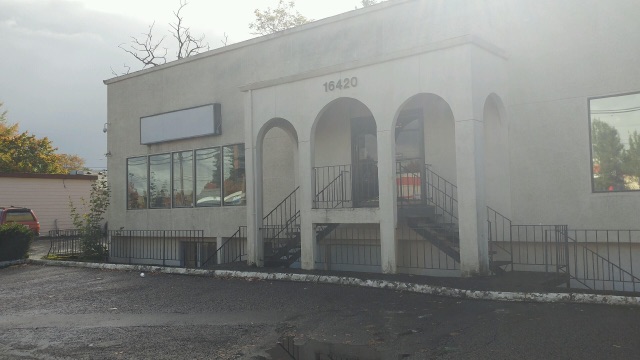


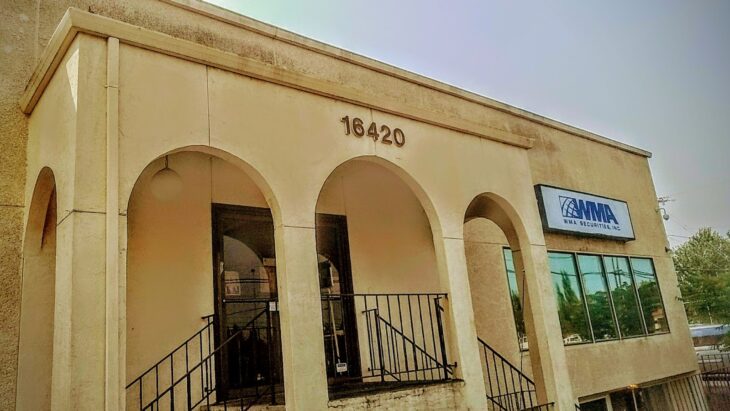
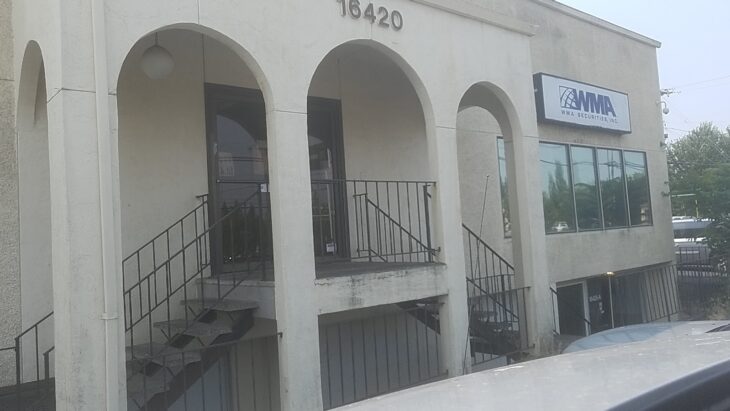
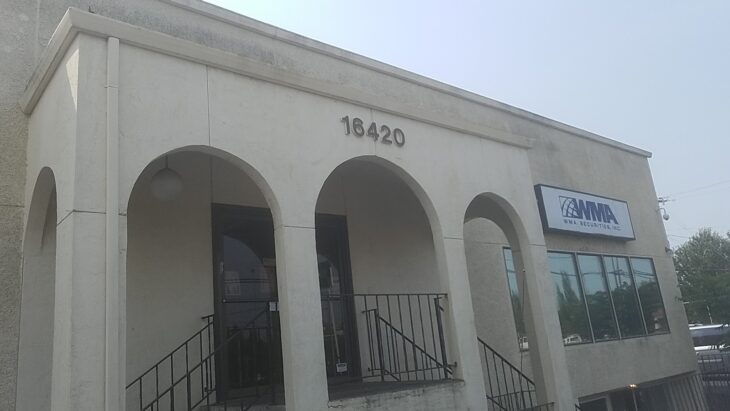
About Portland Metro Treatment Center
The Portland Metro Treatment Center is a private and accredited addiction treatment facility run by New Season. Based in Oregon, support here is available to men, women, and young adults. You’ll find it in a calm suburban neighborhood, not too far from local parks like Lynchwood, and Verdell Burdine Rutherford Park.
They’re open weekdays, Saturday mornings, and selected holidays. As for payment, the center accepts private insurance providers, including Medicare and Medicaid. You can also access grants to support funding.
Medication Assisted Treatment (MAT) as Part of Drug Rehab Support
Here you can access outpatient MAT using FDA-approved buprenorphine, Suboxone, and methadone to support you in reducing your risk of relapse by managing those tricky cravings and withdrawal symptoms.
As you progress through the program, you may also be able to access take-home doses for greater independence and flexibility. Meanwhile, alongside receiving your doses, you can expect to engage in individual, group, and family counseling. These are provided to help address the emotional aspect of substance abuse, along with any past experiences or traumas that may be connected to this coping mechanism and behavior.
You’re encouraged to let the medical team know if you have any issues or questions regarding your MAT experience, since this way they can adjust your prescription as needed. Along with your feedback, the team will also conduct regular medical exams to keep an eye on your physical wellbeing.
Referrals for Further Substance Abuse Support in Oregon’s Largest City
Perhaps this level of care will be ideal for you, or maybe you’ll find yourself needing more structured, intensive support services. Should this be the case, the team can refer you to other relevant local services in Washington, Vancouver, Hillsboro, Lake Oswego, Beaverton, and Gresham that might be a better fit for you.
| Levels of Care | Detox Service Setting | Programs | Payment Options | |||
|---|---|---|---|---|---|---|
|
In outpatient therapy, you’ll attend therapy sessions several times each week while living at home. This is ideal if you have a strong support system and a lower risk of relapse. Outpatient treatment offers flexibility to maintain work, school or family obligations. |
||||||
|
Outpatient detox gives you access to medically supervised withdrawal services while still allowing you to live at home. You’ll attend a clinic for treatment and monitoring. This flexible option is suitable for those with mild to moderate withdrawal symptoms who have strong support systems. |
Medication assisted treatment combines medication and counseling to manage withdrawal and reduce cravings for opioid and alcohol addiction. Medications may include methadone, buprenorphine or naltrexone. MAT is tailored to your needs so you can actively participate in your treatment journey. |
|||||
|
Adult programs address the substance use and life challenges specific to adults. Therapists can deliver sessions in individual, group and family settings. Services often include job support and life skills training in a structured environment.
|
Alcohol detox programs offer medical support to help individuals withdraw safely from alcohol. Your care team may use medications to ease your symptoms and provide medical monitoring to address complications.
|
Drug detox programs support individuals who are withdrawing from addictive substances like cocaine and heroin. Medical support helps you manage symptoms in a controlled and safe environment so you can achieve initial sobriety.
|
Men's programs address substance use while also considering the social pressures, family roles and mental health concerns that are specific to men. You’ll learn healthy coping mechanisms as you build emotional resilience and develop communication skills.
|
Opioid detox uses medications to ease severe withdrawal symptoms. It also includes medical supervision to help you manage potential complications. These services allow you to stabilize and begin a recovery plan.
|
Women's programs offer a safe and supportive space to focus on gender specific issues such as trauma, family roles and mental health conditions. Therapists tailor the sessions to address women's needs and foster empowerment in a healing and nurturing environment.
|
Young adult programs are designed for individuals who are transitioning into adulthood. Topics of discussion typically include identity, independence and peer relationships. Providers may also offer life skills training and career support.
|
|
Medicaid
|
Private Insurance
|
Self Pay
|
Medicare
|
Levels of Care
In outpatient therapy, you’ll attend therapy sessions several times each week while living at home. This is ideal if you have a strong support system and a lower risk of relapse. Outpatient treatment offers flexibility to maintain work, school or family obligations.
Detox Service Setting
Outpatient detox gives you access to medically supervised withdrawal services while still allowing you to live at home. You’ll attend a clinic for treatment and monitoring. This flexible option is suitable for those with mild to moderate withdrawal symptoms who have strong support systems.
Medication assisted treatment combines medication and counseling to manage withdrawal and reduce cravings for opioid and alcohol addiction. Medications may include methadone, buprenorphine or naltrexone. MAT is tailored to your needs so you can actively participate in your treatment journey.
Programs
Amenities
Accreditations

Accepted Insurance
Contact


- Monday 4:30AM - 1PM
- Tuesday 4:30AM - 1PM
- Wednesday 4:30AM - 1PM
- Thursday 4:30AM - 1PM
- Friday 4:30AM - 1PM

Lauren wears many hats, and works as a holistic deep tissue massage therapist, content strategist, and copywriter. She’s been writing copy and dreaming up content for a number of brands for almost 10 years, having worked with a mixture of B2B and B2C brand. Some of her more notable clients include adidas, Gucci, Pepsi, and Hotels.com. A skilled editor and copywriter, she also enjoys planning content for social media and brand marketing campaigns.

Peter W.Y. Lee is a historian with a focus in American Cold War culture. He has examined how popular culture has served as a coping mechanism for the challenges and changes impacting American society throughout the twentieth century.
Detox.com regularly reviews this listing for accuracy but changes may occur between updates. For the most up-to-date information, please contact Portland Metro Treatment Center.
Nearby Detox Centers

Search by Oregon Cities
FAQs
What opioid addiction treatment does Portland Metro Treatment Center offer?
Portland Metro Treatment Center provides outpatient medication-assisted treatment (MAT) for opioid addiction. The facility offers methadone, buprenorphine (Suboxone), and naltrexone combined with counseling and behavioral therapies. This whole-patient approach helps reduce cravings and withdrawal symptoms while addressing the psychological aspects of addiction.
Does Portland Metro Treatment Center provide telehealth counseling for opioid treatment?
Yes, Portland Metro Treatment Center offers telehealth appointments for certain services when clinically appropriate. Patients can receive counseling and medical follow-up visits remotely using a phone, tablet, or computer, supporting flexible access to ongoing addiction treatment without requiring in-person visits.
What insurance does Portland Metro Treatment Center accept for MAT?
Portland Metro Treatment Center accepts Medicaid, Medicare, and most major private insurance plans. The facility also offers self-pay options for uninsured patients. Staff can help verify insurance coverage and explain available payment options, including cash, checks, and credit cards.
How does medication-assisted treatment reduce opioid withdrawal symptoms?
At Portland Metro Treatment Center, MAT medications like methadone and buprenorphine help reduce cravings and manage withdrawal symptoms, allowing patients to focus on counseling and recovery. The facility pairs medication with individual and group counseling to address underlying causes of addiction and develop long-term coping skills.
What happens during the treatment planning process at Portland Metro Treatment Center?
Patients at Portland Metro Treatment Center work with their treatment team to develop an individualized treatment plan. The facility provides medication management, ongoing monitoring, drug screening, and referrals to community resources as needed to support sustained recovery from opioid addiction.