800-262-4205
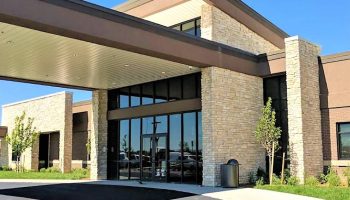
North Range Behavioral Health Littler Prevention Campus

About North Range Behavioral Health Littler Prevention Campus
North Range’s Early Childhood Services assist families living with mental health or substance use disorders. Some services are also in place to prevent the development of behavioral health concerns in young children. You’ll find them in Greeley, Colorado.
Early childhood programs support the healthy behavioral development of young children who may experience emotional or social challenges due to a number of factors. Parents and other caregivers receive their own support while learning how to best promote the child’s own development. These services are provided along with North Range’s adult mental health and SUD programs, such as detox and withdrawal management.
They accept Medicaid and Medicare here. They won’t turn you away if you can’t afford services.
A Supportive Location
The Early Childhood Services are available from North Range’s Littler Prevention Campus, which is conveniently situated amongst some of Greenley’s best community resources. Whether you need extra help with care or need a calm place to relax after a tough session (like Lincoln Park), you’ll find what you need nearby.
Coordinating Care
While this program has many services for families (including outpatient therapy), one that I think deserves attention is the Early Childhood Mental Health Consultation. It’s a chance to learn more about the resources available to you (including those outside North Range’s own offerings) and get a sense of direction for you and your family’s behavioral health care.
What I especially like about it is the included care coordination. It’s always nice to have extra help when navigating treatment and recovery, and with care coordination, your providers will stay informed across the board about changes in your treatment. Doing so allows them to tailor to strengthen your support and more accurately address problem areas.
Therapy Together
I think what’s great about their therapy program is that it’s not done individually. Parents, children, and caregivers participate together, involving them directly in each other’s recovery efforts and strengthening these relationships. Therapy includes education and training as well, so parents and caregivers can strengthen their own skills.
| Levels of Care | Detox Service Setting | Programs | Payment Options |
|---|---|---|---|
|
Inpatient and residential programs provide round-the-clock medical and emotional support as you live at the treatment facility. This level of care may be recommended if you have severe addictions or mental health conditions since it removes outside distractions and allows you to focus solely on therapy. |
In outpatient therapy, you’ll attend therapy sessions several times each week while living at home. This is ideal if you have a strong support system and a lower risk of relapse. Outpatient treatment offers flexibility to maintain work, school or family obligations. |
||
|
Inpatient detox occurs in a dedicated treatment facility. You’ll live there around the clock and receive intensive medical support and supervision to help manage your withdrawal symptoms. It is suitable for individuals with moderate to severe addictions as it ensures a stable detox environment. |
Outpatient detox gives you access to medically supervised withdrawal services while still allowing you to live at home. You’ll attend a clinic for treatment and monitoring. This flexible option is suitable for those with mild to moderate withdrawal symptoms who have strong support systems. |
||
|
Alcohol detox programs offer medical support to help individuals withdraw safely from alcohol. Your care team may use medications to ease your symptoms and provide medical monitoring to address complications.
|
Drug detox programs support individuals who are withdrawing from addictive substances like cocaine and heroin. Medical support helps you manage symptoms in a controlled and safe environment so you can achieve initial sobriety.
|
||
|
Private Insurance
|
Self Pay
|
Levels of Care
Inpatient and residential programs provide round-the-clock medical and emotional support as you live at the treatment facility. This level of care may be recommended if you have severe addictions or mental health conditions since it removes outside distractions and allows you to focus solely on therapy.
In outpatient therapy, you’ll attend therapy sessions several times each week while living at home. This is ideal if you have a strong support system and a lower risk of relapse. Outpatient treatment offers flexibility to maintain work, school or family obligations.
Detox Service Setting
Inpatient detox occurs in a dedicated treatment facility. You’ll live there around the clock and receive intensive medical support and supervision to help manage your withdrawal symptoms. It is suitable for individuals with moderate to severe addictions as it ensures a stable detox environment.
Outpatient detox gives you access to medically supervised withdrawal services while still allowing you to live at home. You’ll attend a clinic for treatment and monitoring. This flexible option is suitable for those with mild to moderate withdrawal symptoms who have strong support systems.
Programs
Contact



Nikki Wisher is an Atlanta-based content writer with over a decade of experience specializing in health and wellness. While she spends most of her days writing about various aspects of health, from addiction recovery to fitness to skin care, she also writes content in many other areas like photography, beauty, and marketing. Her passion project is her inclusive running blog, forallrunners.com.
Detox.com regularly reviews this listing for accuracy but changes may occur between updates. For the most up-to-date information, please contact North Range Behavioral Health Littler Prevention Campus.