

 303-536-7218
Spero Recovery Center
Evergreen, CO
80439
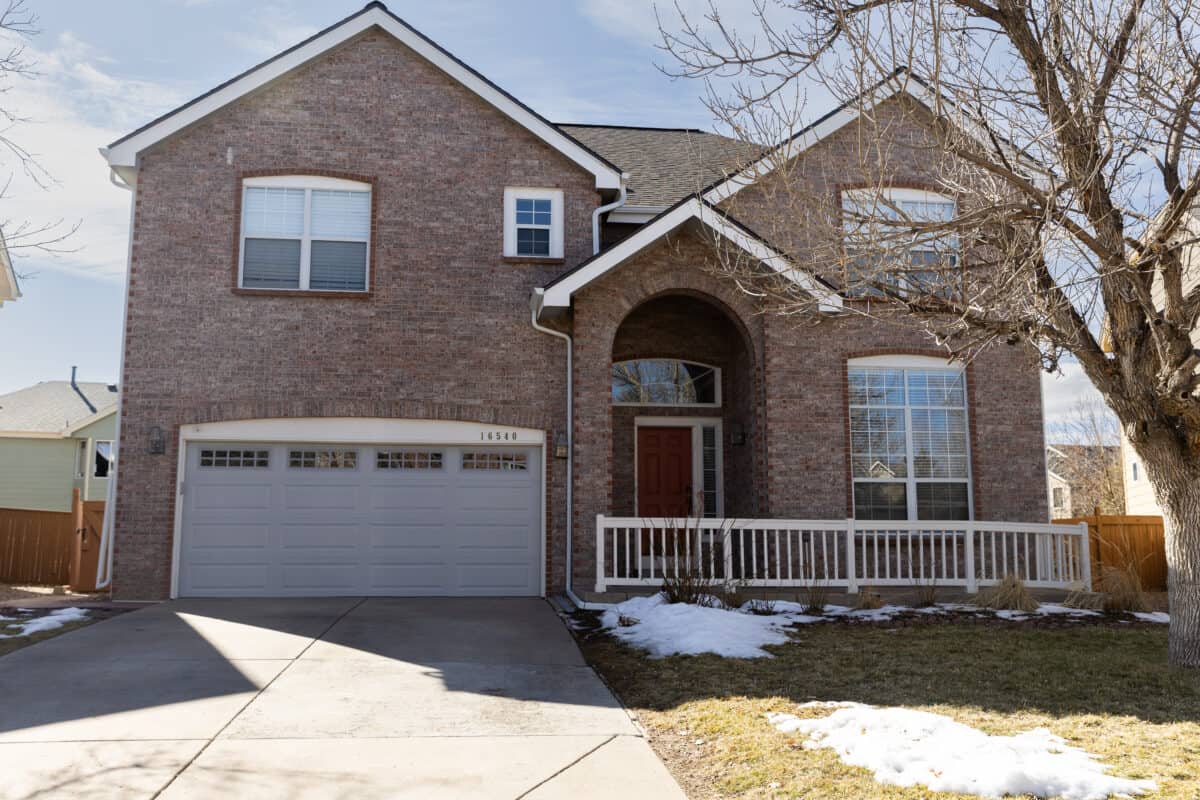

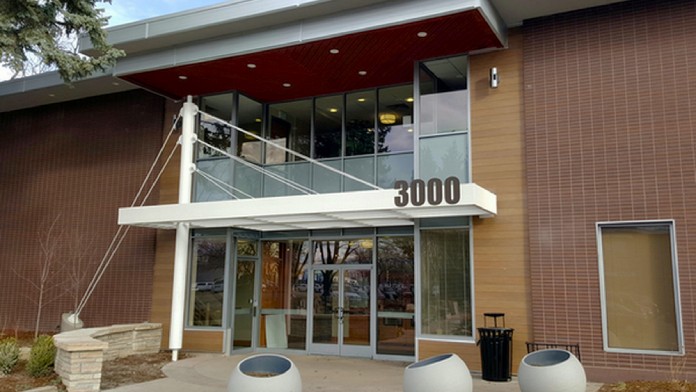
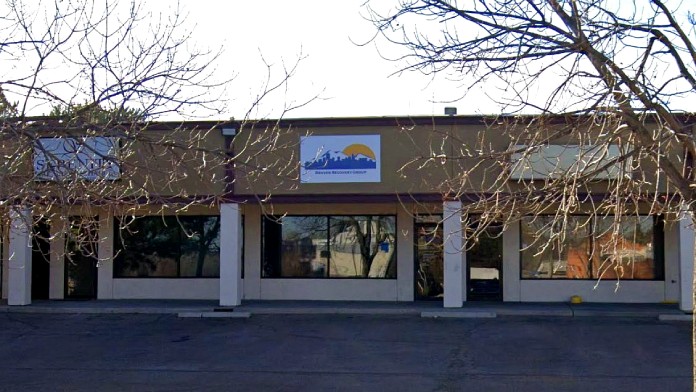
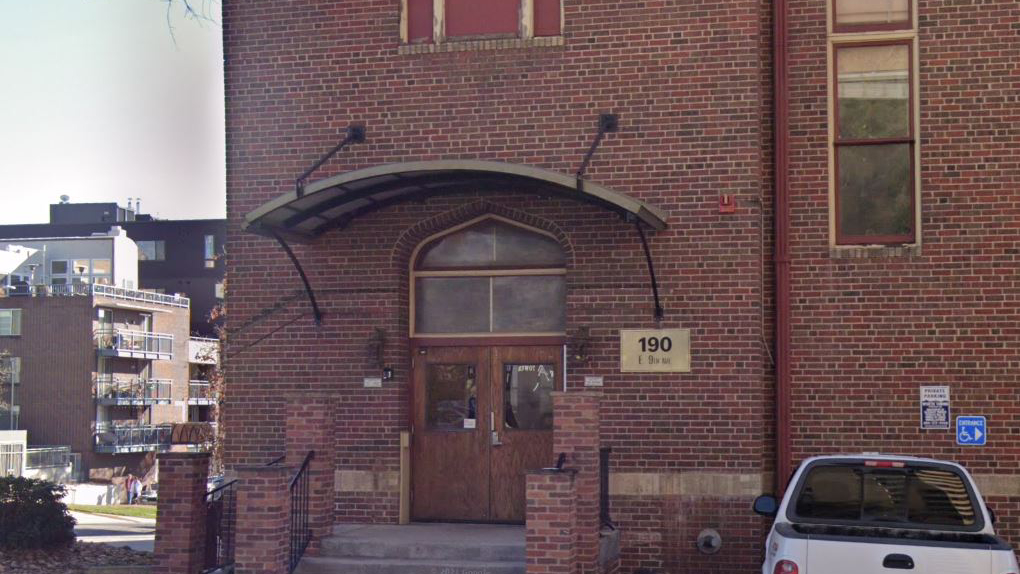


| Name | Address | Detox Service Setting | Levels Of Care | Media |
|---|---|---|---|---|
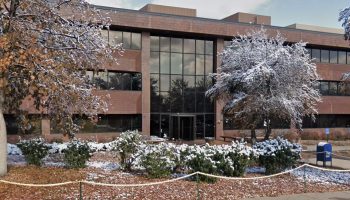
Recovery Monitoring Solutions Aurora |
14707 East 2nd Avenue Aurora, CO 80011 |
Detox Service Setting
Outpatient Detox
|
Levels Of Care
OutpatientAftercareDual Diagnosis+1
|
|
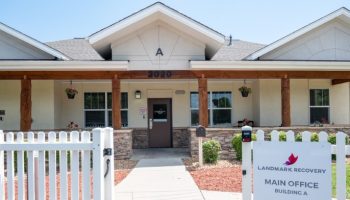
Sheridan Grove Recovery |
2000 S Blackhawk St Aurora, CO 80014 |
Detox Service Setting
Inpatient DetoxOutpatient Detox
|
Levels Of Care
InpatientOutpatient
|
|
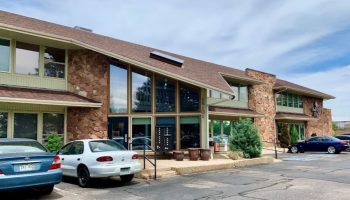
The Coleman Institute ARCH Detox |
15101 East Iliff Avenue Aurora, CO 80014 |
Detox Service Setting
|
Levels Of Care
Aftercare
|
|
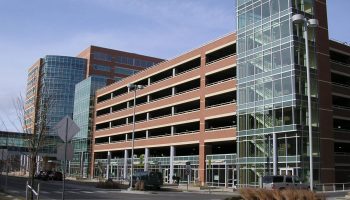
University of Colorado Hospital Leprino Building |
12401 East 17th Avenue Aurora, CO 80045 |
Detox Service Setting
Inpatient DetoxOutpatient Detox
|
Levels Of Care
InpatientOutpatientDual Diagnosis
|
|
Arapahoe House |
1290 South Potomac Street Aurora, CO 80012 |
Detox Service Setting
|
Levels Of Care
|
|
Center for Dependency, Addiction and Rehabilitation (CeDAR) A division of UCHealth |
1693 North Quentin Street Aurora, CO 80045 |
Detox Service Setting
Hospital DetoxInpatient DetoxOutpatient Detox+1
|
Levels Of Care
InpatientOutpatientPHP+2
|
|
Dont Look Back Center |
14211 E 4th Ave Aurora, CO 80011 |
Detox Service Setting
Inpatient DetoxOutpatient Detox
|
Levels Of Care
InpatientOutpatient
|
|
Hazelbrook Sober Living |
16736 E Iliff Ave Aurora, CO 80013 |
Detox Service Setting
|
Levels Of Care
Outpatient
|
|
Potomac Street Center |
750 Potomac Street Aurora, CO 80011 |
Detox Service Setting
Outpatient Detox
|
Levels Of Care
OutpatientAftercareDual Diagnosis
|
|
Road Called STRATE |
14241 E. 4th Ave Aurora, CO 80011 |
Detox Service Setting
|
Levels Of Care
|
|
Turning Point Mental Health Services |
6825 East Tennessee Avenue Denver, CO 80224 |
Detox Service Setting
Outpatient Detox
|
Levels Of Care
OutpatientAftercareDual Diagnosis
|

|
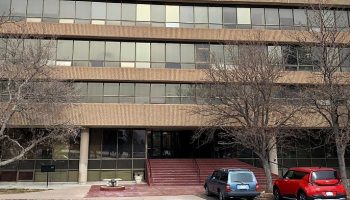
Continuum Recovery Center of Colorado |
9725 E Hampden Ave Denver, CO 80231 |
Detox Service Setting
Inpatient DetoxOutpatient Detox
|
Levels Of Care
InpatientOutpatient
|
|
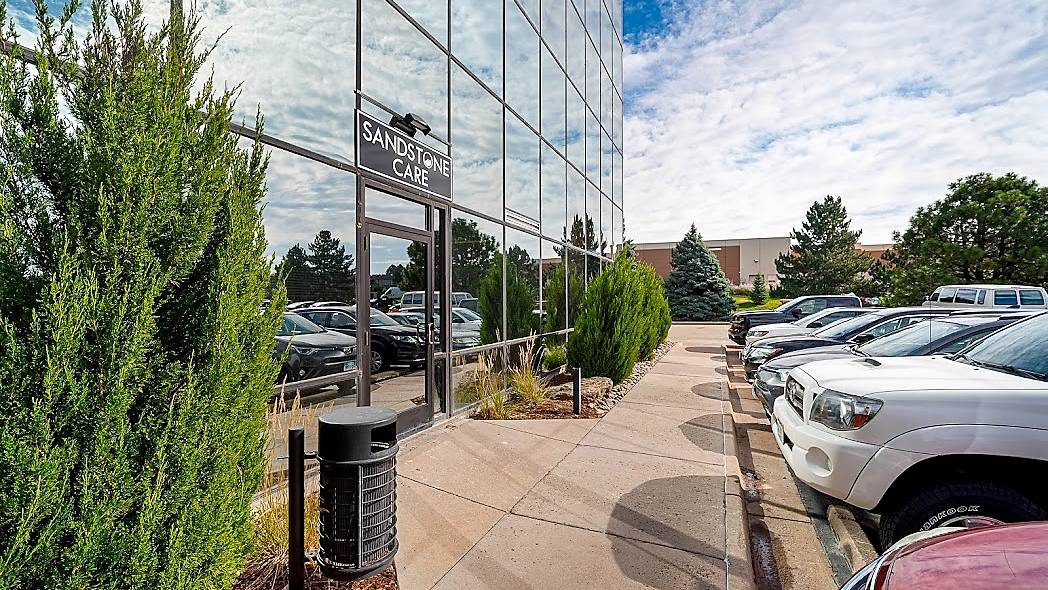
Sandstone Care Denver Center |
7555 E Hampden Avenue Denver, CO 80231 |
Detox Service Setting
Inpatient DetoxOutpatient DetoxMAT
|
Levels Of Care
InpatientPHPOutpatient+4
|

|
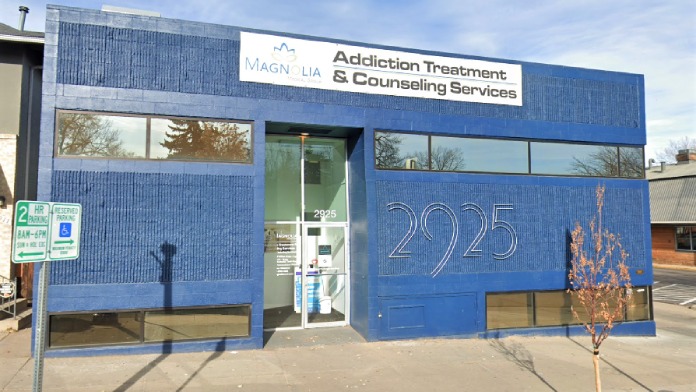
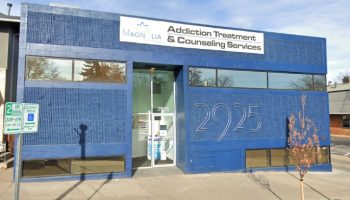
Magnolia Medical Group |
2925 E Colfax Ave Denver, CO 80206 |
Detox Service Setting
Inpatient DetoxOutpatient Detox
|
Levels Of Care
InpatientOutpatient
|
|
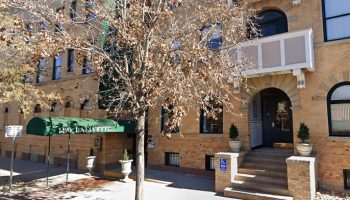
Magnolia Medical Group Lafayette |
1490 Lafayette St Denver, CO 80218 |
Detox Service Setting
Inpatient DetoxOutpatient DetoxMAT
|
Levels Of Care
InpatientOutpatientIntensive Outpatient+1
|
|
Detox in Aurora is licensed by the Colorado Behavioral Health Administration (BHA), the state agency that replaced the former Office of Behavioral Health in 2022, while Arapahoe County Public Health coordinates local prevention, harm reduction, and opioid settlement-funded programs for the city. Because Aurora spans Arapahoe, Adams, and Douglas counties, residents may work with more than one county health department depending on where they live, and both Arapahoe and Adams counties run their own dedicated harm reduction teams.
Unlike much of the country, Colorado has not seen a steady decline in overdose deaths. State health data show fentanyl-related deaths rose to 1,631 in 2024, up from 1,097 in 2023, and provisional 2025 figures place Colorado among only a few states reporting a year-over-year increase rather than a decrease. Arapahoe County alone has invested more than $4 million in opioid settlement funds since 2023 into detox, sober living, and peer navigation programs in response.
Anyone in Aurora considering treatment should know that withdrawal management capacity remains limited locally. The county has used settlement funds to open a Transitional Safety Zone home to bridge people from withdrawal into sober living while they wait for a residential bed, and 7 out of 10 counterfeit pills seized in Colorado in 2024 contained a potentially lethal dose of fentanyl, up from 4 in 10 in 2021.
Detox costs in Aurora vary by level of care, and most residents combine private insurance, Health First Colorado, or county-funded treatment rather than paying cash in full. Reviewing how much detox costs in advance helps you ask better questions when you call a provider.
Cost depends heavily on the level of care: medically managed hospital detox costs substantially more than outpatient counseling, and Aurora’s cash-pay rates track close to statewide averages. The figures below are full cash-pay (self-pay) totals before insurance, Medicaid, Medicare, or other assistance; most people with coverage pay significantly less out of pocket. Length of stay and medical complexity drive the final total.
Medicare covers medically necessary inpatient and outpatient detox in Aurora, plus Opioid Treatment Program services such as methadone and buprenorphine under Part B, with coverage details depending on the treatment setting.
Health First Colorado, the state’s Medicaid program, covers withdrawal management, residential treatment, outpatient care, and MAT for eligible Aurora residents through a Regional Accountable Entity that coordinates local behavioral health benefits.
Cost should not be the reason someone skips detox in Aurora. Options beyond private insurance include:

Community-based clinics in Aurora offer income-based fees for behavioral health screening and referral, often coordinated through Tri-County or Arapahoe County health programs.
The Hornbuckle Foundation and Tribe Recovery provide peer navigation and outreach for uninsured residents at no cost.
Arapahoe County’s opioid settlement funding covers sober living, detox referral, and Transitional Safety Zone placements regardless of insurance status.
Colorado’s statewide referral line at 800-780-2294 connects residents to free, low-cost, and sliding-scale treatment options.
The following bodies oversee detox and substance use disorder treatment serving Aurora:
The state licensing authority for substance use disorder treatment programs, created in 2022 to consolidate behavioral health oversight formerly split across multiple agencies. See bha.colorado.gov.
Coordinates local harm reduction, opioid settlement fund allocation, and community partnerships for Aurora residents living in Arapahoe County. See arapahoeco.gov.
Covers withdrawal management, residential treatment, outpatient care, and MAT for eligible Aurora residents through regional behavioral health coordination. See healthfirstcolorado.com.
Regulates state-licensed commercial health plans and enforces mental health and substance use parity requirements for privately insured Aurora residents. See doi.colorado.gov.
Medication-assisted treatment in Aurora is delivered through BHA-licensed Opioid Treatment Programs, regulated federally under 42 CFR Part 8 and subject to SAMHSA certification and DEA registration. Arapahoe County’s opioid settlement plan has directed additional funding toward expanding MAT capacity through the County Sheriff’s Office and community clinics.
Widely available through outpatient clinics and telehealth in Aurora, buprenorphine lets many residents begin treatment without a residential stay. This flexibility helps residents who cannot travel daily to a clinic, and Health First Colorado covers it.
Restricted to certified Opioid Treatment Programs, methadone requires daily on-site dosing at licensed clinics throughout Aurora and the Denver metro area. Health First Colorado coverage keeps it financially accessible for enrolled residents.
Non-addictive and requiring no special licensing, naltrexone is prescribed in standard outpatient settings throughout Aurora. The injectable form treats both opioid and alcohol use disorder and is covered under Health First Colorado and most commercial plans.
Aurora’s fentanyl risk has driven Arapahoe County to launch new mobile harm reduction infrastructure, and community partners fill gaps in outreach and peer support.
Launched in 2024, Prevention Point is Arapahoe County’s mobile harm reduction unit, supplementing fixed sites in Aurora and Englewood with fentanyl test strips and overdose prevention education.
Serving the Adams County portion of Aurora, Project Connects provides a nonjudgmental syringe access program alongside naloxone distribution and support for people who have responded to or experienced an overdose.
Funded in part through Arapahoe County’s opioid settlement plan, the Hornbuckle Foundation’s outreach staff meet people experiencing homelessness and addiction where they are, building trust that leads to treatment engagement.
Operating across multiple Colorado cities, Colorado Health Network’s Access Point program reports hundreds of overdose reversals statewide each year through naloxone provided directly to participants.
Colorado’s overdose trend has moved in the opposite direction from much of the country recently, making local harm reduction and treatment access especially urgent in Aurora.
Colorado recorded 1,631 fentanyl-related overdose deaths in 2024, up from 1,097 in 2023, according to state health department data. Source: Denver7.
Arapahoe County recorded 180 deaths attributed to opioids in a recent year, prompting the county’s expanded settlement-funded response. Source: Arapahoe County.
Arapahoe County has invested more than $4 million in opioid settlement funds since 2023 into detox, sober living, harm reduction, and peer navigation programs. Source: CBS News Colorado.
Call Colorado’s statewide referral line at 800-780-2294, or contact Arapahoe County Public Health directly for help connecting to sliding-scale and settlement-funded treatment options.
Yes. Health First Colorado covers medical detox, residential treatment, outpatient care, and MAT for eligible Aurora residents through regional behavioral health coordination.
Arapahoe County Public Health’s Prevention Point mobile unit and fixed sites, along with Adams County’s Project Connects, both distribute free naloxone and training to Aurora residents.
It is a sober living home funded by Arapahoe County’s opioid settlement plan that helps people move from withdrawal management into stable, supportive housing while they wait for further treatment placement.
Medical detox involves 24-hour nursing and physician oversight for people at higher withdrawal risk, while outpatient detox allows people to attend scheduled appointments while living at home, typically for milder withdrawal.


Kerry Nenn is a full-time freelance writer and prize-winning author. She contributes regularly to addiction-recovery sites, international journal publications, and Christian ministries. Her published works include 10 books and myriad articles. Her work has received recognition both locally and nationally.