Find Drug & Alcohol Detox Centers in Colorado

The struggle with addiction to drugs or alcohol is real throughout Colorado much like it is in the rest of the United States. A state notorious for low taxes and a strong school system, Colorado is attractive to many—recent marijuana legalization has deeply impacted the area creating a surplus in tax funds and lowered drug related criminal activity.

Sadly, opiate addiction, methamphetamine abuse and heroin overdoses are still a major concern throughout the state. If you or someone you love is struggling with addiction, Colorado detox centers can help you overcome the physical burden of the addiction in preparation for recovery.

Our helpline can connect you with local detox centers in Aspen, Boulder, and Denver. Call 303-835-0664 to be connected with a detox center near you today.

Detox Centers in Colorado

132 Results
Filters
Setting
Medications Offered
Treatment
Programs
Payment Options
Name Address Detox Service Setting Levels Of Care Media

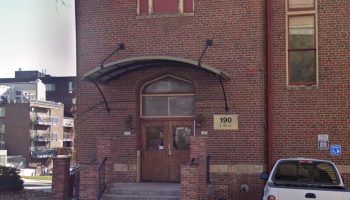
Acacia Counseling

190 East 9th Avenue Denver, CO 80203
Detox Service Setting
Outpatient Detox
Levels Of Care
OutpatientAftercareDual Diagnosis
Acacia Counseling

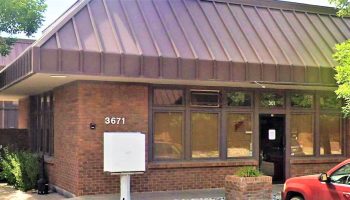
Broadway Counseling Services Englewood

3671 South Huron Street Englewood, CO 80110
Detox Service Setting
Outpatient Detox
Levels Of Care
OutpatientAftercareDual Diagnosis
Broadway Counseling Services Englewood

Continuum Recovery Center of Colorado

9725 E Hampden Ave Denver, CO 80231
Detox Service Setting
Inpatient DetoxOutpatient Detox
Levels Of Care
InpatientOutpatient
Continuum Recovery Center of Colorado

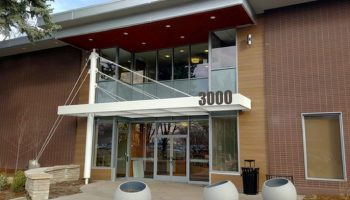
Creative Counseling Services Fort Collins

3000 S College Ave Fort Collins, CO 80525
Detox Service Setting
Inpatient DetoxOutpatient Detox
Levels Of Care
InpatientOutpatient
Creative Counseling Services Fort Collins

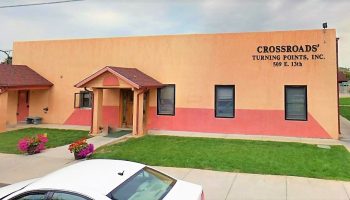
Crossroads Turning Points

509 East 13th Street Pueblo, CO 81001
Detox Service Setting
Inpatient DetoxOutpatient Detox
Levels Of Care
InpatientOutpatientDual Diagnosis
Crossroads Turning Points

CuraWest

2535 S Downing St Denver, CO 80210
Detox Service Setting
Inpatient DetoxOutpatient Detox
Levels Of Care
InpatientOutpatient
CuraWest

Denver Recovery Group Colorado Springs

2531 Airport Rd Colorado Springs, CO 80910
Detox Service Setting
Inpatient DetoxOutpatient Detox
Levels Of Care
InpatientOutpatient
Denver Recovery Group Colorado Springs

Denver Springs Englewood

8835 American Way Englewood, CO 80112
Detox Service Setting
Inpatient DetoxOutpatient DetoxMAT
Levels Of Care
InpatientPHPOutpatient+1
Denver Springs Englewood

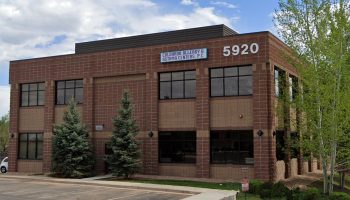
Gallus Detox Center Littleton

5920 South Estes Street Littleton, CO 80123
Detox Service Setting
Inpatient Detox
Levels Of Care
InpatientAftercare
Gallus Detox Center Littleton

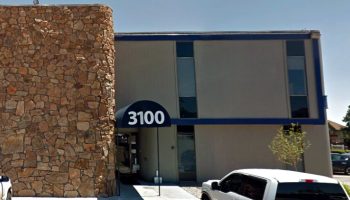
Hands Up Counseling

3100 N Academy Blvd Colorado Springs, CO 80917
Detox Service Setting
Inpatient DetoxOutpatient Detox
Levels Of Care
InpatientOutpatient
Hands Up Counseling

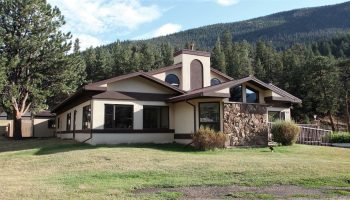
Harmony Foundation

1600 Fish Hatchery Road Estes Park, CO 80517
Detox Service Setting
Inpatient DetoxOutpatient Detox
Levels Of Care
InpatientOutpatientAftercare+1
Harmony Foundation

Healing Pines Recovery

5550 Co Rd 124 Elizabeth, CO 80107
Detox Service Setting
Inpatient DetoxOutpatient Detox
Levels Of Care
InpatientOutpatient
Healing Pines Recovery

Landmark Recovery of Denver

2000 S Blackhawk St Aurora, CO 80014
Detox Service Setting
Inpatient DetoxOutpatient Detox
Levels Of Care
InpatientOutpatient
Landmark Recovery of Denver

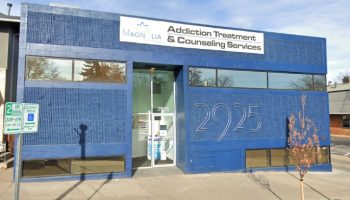
Magnolia Medical Group

2925 E Colfax Ave Denver, CO 80206
Detox Service Setting
Inpatient DetoxOutpatient Detox
Levels Of Care
InpatientOutpatient
Magnolia Medical Group

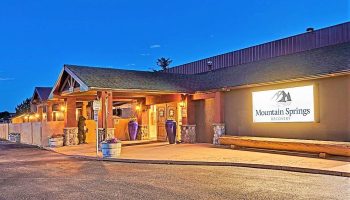
Mountain Springs Recovery

1865 Woodmoor Drive Monument, CO 80132
Detox Service Setting
Inpatient DetoxOutpatient Detox
Levels Of Care
InpatientOutpatientAftercare+1
Mountain Springs Recovery

Mountain View Recovery

5475 Mark Dabling Blvd Colorado Springs, CO 80918
Detox Service Setting
Inpatient DetoxOutpatient Detox
Levels Of Care
InpatientOutpatient
Mountain View Recovery

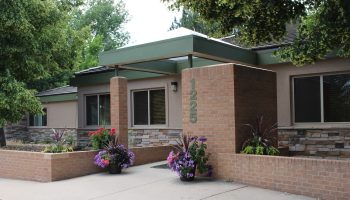
Narconon Colorado Drug Rehab Fort Collins

1225 Redwood Street Fort Collins, CO 80524
Detox Service Setting
Inpatient DetoxOutpatient Detox
Levels Of Care
InpatientOutpatientAftercare+2
Narconon Colorado Drug Rehab Fort Collins

New Beginnings Recovery Center

191 East Orchard Road Littleton, CO 80121
Detox Service Setting
Inpatient DetoxOutpatient DetoxMAT
Levels Of Care
InpatientPHPOutpatient+2
New Beginnings Recovery Center

Northpoint Colorado

4565 Kendall Pkwy Loveland, CO 80538
Detox Service Setting
Inpatient DetoxOutpatient Detox
Levels Of Care
InpatientOutpatient
Northpoint Colorado

Sandstone Care – Colorado Springs

2102 University Park Boulevard Colorado Springs, CO 80918
Detox Service Setting
Inpatient Detox
Levels Of Care
InpatientAftercareDual Diagnosis
Sandstone Care – Colorado Springs

Drug & Alcohol Detox in Colorado

Colorado’s detox system includes hospital-based “medically managed” units, clinically managed withdrawal programs, and office-based medication programs.  

The Colorado Behavioral Health Administration (BHA) manages licensing and oversight for many substance use treatment programs across the state. It also provides licensure/approvals through its LADDERS system and regulates behavioral health entities and controlled substance licenses used in withdrawal management.

Recently, Health First Colorado (Medicaid) expanded its substance use disorder (SUD) benefit to include residential/inpatient treatment and withdrawal management, shaping how many facilities structure detox-to-treatment pathways.

A Colorado-specific trend worth knowing is the state’s active use of opioid settlement dollars to expand infrastructure, including rural withdrawal management capacity. For example, a 2025 award supported the ROOTS initiative to add recovery residences and a withdrawal management program in Northeast Colorado—an area where long travel distances can delay care. 

Colorado has also scaled overdose prevention statewide through the Colorado Department of Public Health and Environment (CDPHE)’s Naloxone Bulk Purchase Fund. This includes a prioritization plan implemented in 2024 to focus supplies on those at the highest overdose risk. 

When searching for a detox center in Colorado, pay close attention to geography and the level of medical monitoring. Many beds are concentrated along the Front Range, while mountain and rural communities may rely more heavily on ED-based stabilization and fewer specialty programs. Ask whether the program can manage fentanyl/polysubstance withdrawal, whether it can start or continue medication-assisted treatment (MAT), and how it coordinates next-step placement so you don’t lose momentum after discharge.
Find The Perfect Detox Center For You

Filter treatment centers in Colorado by level of care offered to find the best detox program for you or a loved one.

Paying for Detox in Colorado

Detox costs in Colorado vary widely based on medical complexity, setting (hospital vs. facility-based withdrawal management), and length of stay. Insurance can reduce out-of-pocket costs, but network status and utilization review rules still matter—especially when a clientneeds a higher ASAM level of care.

How Much Does Detox Cost in Colorado?

Colorado-specific “average” pricing is not published in a single official dataset, so the most commonly cited figures are published ranges and state-level estimates from treatment resources and provider guidance. Costs rise quickly when detox is delivered as a hospital admission or when complications (e.g., severe alcohol withdrawal) require higher-acuity monitoring. 

Estimated cost ranges (self-pay/typical published estimates):

$250–$1,500 per day
Medical Detox
$625/day (Typically 90-day stay)
Inpatient Rehab
$250–$800 per day
Outpatient Rehab
~$5 per formulations (Medicaid covers 100% of buprenorphine in CO)
Methadone Treatment

Does Private Insurance Cover Detox in Colorado?

Private plans regulated in Colorado must cover behavioral health benefits consistent with federal parity rules. Colorado strengthened the framework with HB25-1002 (signed in 2025; effective 2026). This bill requires coverage for medically necessary behavioral health/SUD treatment and aligns utilization review/level-of-care decisions with recognized clinical standards.

Six widely used private insurers in Colorado (based on Colorado DOI market-share reporting across major medical segments and covered lives):

Kaiser Permanente
Cigna
United Health Care
Aetna

Medicare and Medicaid in Colorado

Medicare

Medicare covers SUD treatment in Colorado through the same federal rules as other states. Part A covers inpatient hospital care (including methadone when treated as a hospital inpatient), and Part B covers opioid treatment program (OTP) services—methadone, buprenorphine, and naltrexone—when delivered through a Medicare-enrolled OTP.

Medicaid

Health First Colorado expanded its SUD benefit to include residential/inpatient treatment and withdrawal management. Coverage is structured around ASAM levels of care and administered through the state’s behavioral health system, which can affect referrals and authorization steps.

Other Ways to Pay for Detox Treatment

Sliding Scale Payment Systems

Community-based providers may offer reduced-cost detox-related services. For example, Jefferson Center lists its Withdrawal Management (Detox) program as “Reduced Cost,” which can help uninsured or underinsured residents in the Denver-metro region. 


Nonprofits and Charities

The Salvation Army’s Denver Adult Rehabilitation Center describes its program as no-fee, providing housing, meals, counseling, and work therapy (often as a step after detox). 


Local Government Programs or Grants

Colorado’s safety-net framework explicitly includes “withdrawal management facilities” as part of crisis/safety-net services (ASAM-based levels of care), and local public systems like Denver Health operate dedicated withdrawal management programs (Denver CARES)


Veterans Programs

Veterans can access SUD treatment through VA services in Colorado (including VA Eastern Colorado health care). VA programs can cover or reduce costs significantly for eligible veterans. 

Colorado Regulations and Accreditation for Detox

Who is the state licensing authority and other key regulatory bodies?

Colorado Behavioral Health Administration (BHA)

The BHA is Colorado’s central behavioral health authority and manages licensing/approvals for behavioral health providers through LADDERS, including oversight tied to behavioral health entity licensing and controlled substance licenses used for withdrawal management.

Website: LADDERS

Colorado Department of Health Care Policy and Financing (HCPF)

HCPF administers Health First Colorado (Medicaid) and defines covered SUD services (including withdrawal management and residential/inpatient), aligning the continuum with ASAM levels of care and reimbursement structures that influence how many detox programs operate and coordinate step-down care.

Colorado Department of Public Health and Environment (CDPHE)

CDPHE is the state’s public health authority and hosts Colorado’s overdose surveillance dashboards; it also runs statewide overdose prevention infrastructure (e.g., naloxone bulk purchase program), which directly shapes the detox/harm-reduction ecosystem patients interact with before and after withdrawal management.

Key MAT Medications and Regulatory Status in Colorado

In Colorado, facility-level controlled-substance handling for SUD treatment intersects with BHA oversight.

Buprenorphine can be prescribed in office-based settings; Colorado Hospital Association guidance notes that Colorado Medicaid covers 100% of buprenorphine, and some formulations may be relatively low-cost (while others are more expensive).

For opioid use disorder (OUD), methadone is dispensed through federally certified Opioid Treatment Programs (OTPs), with Medicare describing OTP-bundled services and coverage rules at the federal level.

Naltrexone is also available. It’s not a controlled opioid, so the Colorado Hospital Association notes it can be prescribed by any appropriately licensed prescriber and is available in oral and long-acting injectable forms (often used for alcohol use disorder and relapse prevention after opioid detox).

Overdose Prevention and Harm Reduction in Colorado

Colorado’s harm-reduction network combines statewide public health infrastructure with community-based syringe access and overdose prevention programs. These services help prevent fatal overdose, reduce infectious disease transmission, and often serve as a bridge into detox, MAT, and ongoing recovery care—especially for people who aren’t ready for abstinence-only treatment yet.

Colorado Department of Public Health & Environment — Naloxone Bulk Purchase Fund

This program offers Naloxone distribution support, training/technical assistance, and bulk purchasing for eligible entities. CDPHE’s Bulk Fund has provided free/low-barrier naloxone access statewide and implemented a prioritization plan (2024) to focus limited supply on the highest-risk groups and communities.

Harm Reduction Action Center (Denver)

Syringe access/exchange Naloxone HIV/HCV prevention support Local outreach

This center provides syringe access/exchange, naloxone, safer-use supplies, HIV/HCV prevention support, and local outreach. It’s a long-running Denver-based harm reduction provider offering low-barrier services and supplies designed to reduce overdose and disease risk while connecting participants to medical care and treatment when they’re ready.

Colorado Health Network — Access Point (Syringe Exchange)

Syringe services Naloxone fentanyl test strip training Overdose prevention education

This resource provides syringe services, naloxone, fentanyl test strip training, overdose prevention education, and referrals. Access Point provides harm-reduction supplies and overdose prevention services, including naloxone distribution and education/training on safer use and testing tools.

High Rockies Harm Reduction

Naloxone Fentanyl and xylazine test strips Wound care supplies Syringe disposal

High Rockies Harm Reduction offers Naloxone, fentanyl and xylazine test strips, sterile safer-use supplies, syringe disposal, wound care supplies, overdose prevention education. This is a rural-facing harm reduction program focused on free supplies and outreach across mountain communities, with practical overdose prevention tools and warm handoffs to services.

Detox Statistics in Colorado

Colorado’s detox needs are shaped by a high burden of opioid (including fentanyl) and stimulant involvement in overdose deaths. Recent state reporting highlights sustained overdose mortality and the continued dominance of synthetic opioids in fatal poisonings.

1,865 Total Overdose Deaths

Colorado recorded 1,865 drug overdose deaths among residents in 2023, underscoring the ongoing public health crisis across the state.

68% Opioid Involvement

In 2023, opioids were involved in 1,273 overdose deaths in Colorado — accounting for more than two out of three fatalities that year.

59% Fentanyl Involvement

Fentanyl alone was involved in 1,097 overdose deaths among Colorado residents in 2023, nearly six out of ten of all drug-related fatalities.

43% Methamphetamine Involvement

Methamphetamine was a factor in 810 overdose deaths in Colorado in 2023, reflecting the state’s significant and growing psychostimulant crisis.

292 Cocaine-Involved Deaths

Cocaine played a role in 292 overdose deaths in Colorado in 2023, adding to the complex multi-substance landscape driving fatalities statewide.

FAQs About Detox in Colorado

How do I know if I need “medically managed” detox vs. a withdrawal management facility?

In Colorado, detox may happen in a hospital (higher medical monitoring) or in a clinically managed withdrawal program. The safest way to choose is to ask what ASAM level of care the program provides and whether it can manage complications like severe alcohol withdrawal or complex polysubstance use.

Can insurance deny detox or step me down too early in Colorado?

Colorado’s HB25-1002 limits insurers’ ability to restrict medically necessary behavioral health/SUD treatment and ties coverage decisions to recognized clinical standards (including ASAM criteria for SUD). If you’re denied, ask for the clinical criteria used and the appeal path through your plan and the Division of Insurance.

Are there detox options for people who live in rural or mountain communities?

Access can be uneven outside the Front Range. Many rural areas rely on emergency departments for stabilization and referral, while regional programs may require travel. Ask about same-day intake, transportation options, and whether the provider coordinates placement so you aren’t discharged without a next step.

Can I start medications like buprenorphine during detox in Colorado?

Many programs can start or continue MAT, but policies vary. Ask whether the detox can initiate buprenorphine, whether an OTP referral is needed for methadone, and how quickly you’ll be linked to follow-up care (outpatient MAT, residential, or IOP) to reduce relapse/overdose risk.

Is naloxone free in Colorado, and can my family get it too?

Colorado has broad naloxone access through statewide public health programs and community harm-reduction groups. Eligibility and distribution routes vary, but many organizations provide naloxone to people at risk and to friends/family—often paired with overdose response training and other safer-use education.

Two people talking
Get Help Today!
If you or a loved one is in need of help, call today. Pick up the phone and get the help you need.
800-483-2193
Confidential. Available 24 Hours
Get Help Today Phone icon 800-779-4314