

 303-536-7218
Spero Recovery Center
Evergreen, CO
80439

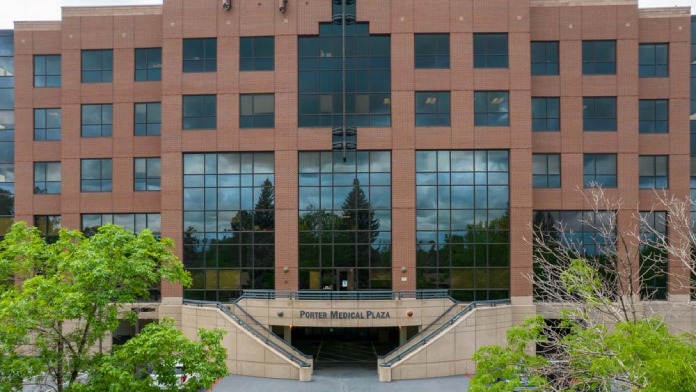


| Name | Address | Detox Service Setting | Levels Of Care | Media |
|---|---|---|---|---|
AspenRidge Recovery Lakewood |
7500 West Mississippi Avenue Lakewood, CO 80226 |
Detox Service Setting
Inpatient DetoxOutpatient DetoxMAT
|
Levels Of Care
InpatientOutpatientPHP+2
|

|
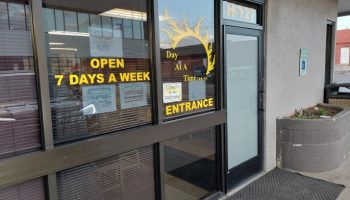
Day At A Time Club |
3355 S Wadsworth Blvd Lakewood, CO 80227 |
Detox Service Setting
Inpatient DetoxOutpatient Detox
|
Levels Of Care
InpatientOutpatient
|
|
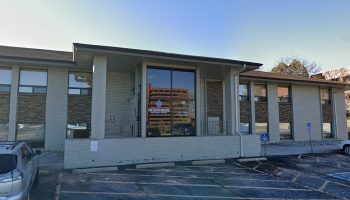
Emerald Isle Recovery Center |
12157 West Cedar Drive Lakewood, CO 80228 |
Detox Service Setting
Inpatient DetoxOutpatient DetoxMAT
|
Levels Of Care
InpatientPHPAftercare+1
|
|
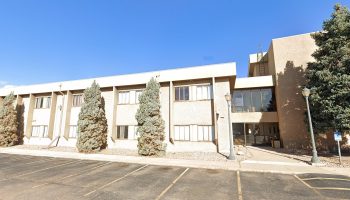
Fusion Health Services |
1360 South Wadsworth Boulevard Lakewood, CO 80232 |
Detox Service Setting
Outpatient Detox
|
Levels Of Care
OutpatientDual Diagnosis
|
|
Red Rock Recovery Center |
8805 W 14th Ave #200 Lakewood, CO 80215 |
Detox Service Setting
Inpatient DetoxOutpatient Detox
|
Levels Of Care
InpatientOutpatient
|
|
Jefferson City for Mental Health — Residential Recovery Center – Closed |
421 Zang Street Lakewood CO Lakewood, CO 80228 |
Detox Service Setting
Inpatient DetoxOutpatient Detox
|
Levels Of Care
InpatientOutpatient
|
|
Monarch Sober Living Homes |
Lakewood, CO 80123 |
Detox Service Setting
Inpatient DetoxOutpatient Detox
|
Levels Of Care
InpatientOutpatient
|
|
Spanish Clinic Morrison Road |
4200 Morrison Road Denver, CO 80219 |
Detox Service Setting
Outpatient Detox
|
Levels Of Care
OutpatientDual Diagnosis
|
|
West Pines Behavioral Health |
3400 North Lutheran Parkway Wheat Ridge, CO 80033 |
Detox Service Setting
Inpatient DetoxOutpatient Detox
|
Levels Of Care
InpatientOutpatientAftercare+1
|
|
Addiction Research and Treatment Services Peer 1 |
3762 West Princeton Circle Denver, CO 80236 |
Detox Service Setting
Inpatient DetoxOutpatient Detox
|
Levels Of Care
InpatientOutpatientAftercare+2
|
|
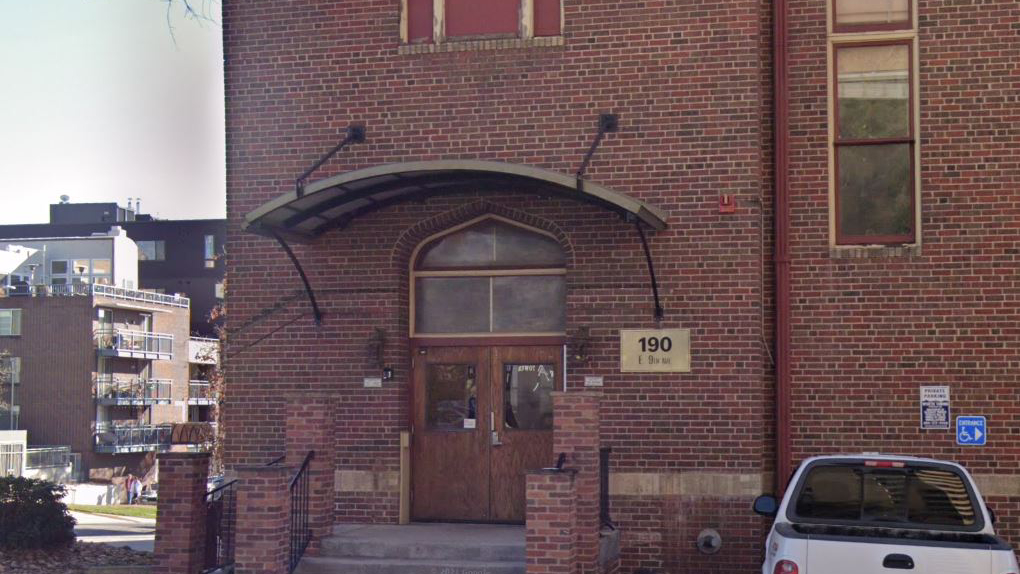
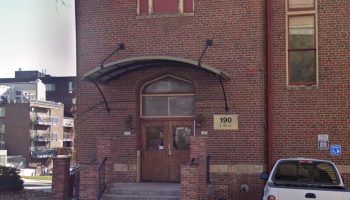
Acacia Counseling |
190 East 9th Avenue Denver, CO 80203 |
Detox Service Setting
Outpatient Detox
|
Levels Of Care
OutpatientAftercareDual Diagnosis
|
|
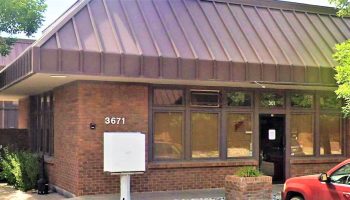
Broadway Counseling Services Englewood |
3671 South Huron Street Englewood, CO 80110 |
Detox Service Setting
Outpatient Detox
|
Levels Of Care
OutpatientAftercareDual Diagnosis
|
|
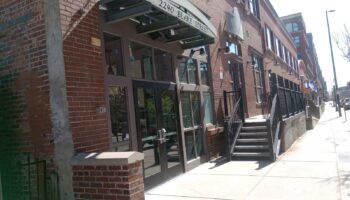
Front Range Clinic |
2240 Blake Street Denver, CO 80205 |
Detox Service Setting
Outpatient DetoxMAT
|
Levels Of Care
Outpatient
|
|
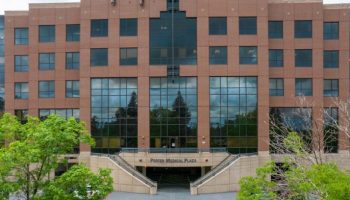
CuraWest |
2535 S Downing St Denver, CO 80210 |
Detox Service Setting
Inpatient DetoxOutpatient Detox
|
Levels Of Care
InpatientOutpatient
|
|
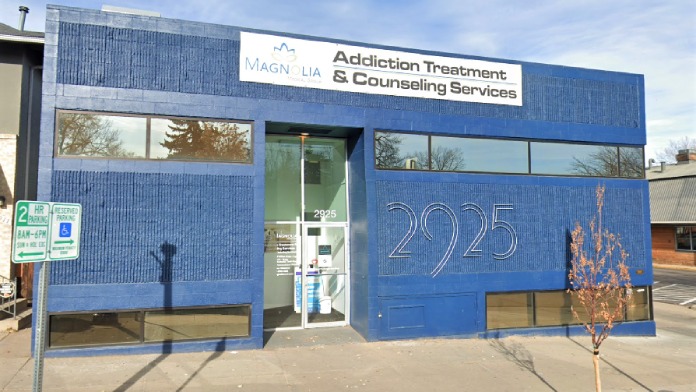
Magnolia Medical Group Lafayette |
1490 Lafayette St Denver, CO 80218 |
Detox Service Setting
Inpatient DetoxOutpatient DetoxMAT
|
Levels Of Care
InpatientOutpatientIntensive Outpatient+1
|
|
Lakewood sits in Jefferson County, just west of Denver, and its opioid overdose death rates exceed the statewide average, which makes choosing a detox center with the right level of medical supervision a critical decision.
The community falls within Colorado’s state licensing framework for substance use disorder treatment. Since January 1, 2024, the Colorado Behavioral Health Administration (BHA) has served as the state’s central licensing authority for behavioral health entities, including detox and withdrawal management facilities. The BHA oversees Behavioral Health Entity licenses and Controlled Substance Licenses through its LADDERS system, while the Colorado Department of Public Health and Environment (CDPHE) handles facility inspections and health facility licensing. Programs that treat people under court referral, accept public funding, or use controlled substances in withdrawal management must hold a BHA license whether they operate as private or nonprofit providers.
Jefferson County Public Health (JCPH) plays an active local role. Through its Bridge Clinic and Points West Syringe Access Program, JCPH connects residents to low-barrier SUD services in the Lakewood area. The Law Enforcement Assisted Diversion (LEAD) pilot, a collaboration between the Lakewood Police Department, the Community Connection Center, and JCPH, redirects people with substance use issues toward treatment rather than the criminal justice system.
In response to the area’s high overdose rate, Colorado’s Health First Colorado (Medicaid) benefit was expanded to include inpatient and residential SUD treatment and medically supervised withdrawal management, and state opioid settlement funds are actively being directed toward expanding treatment infrastructure. Communities like Lakewood have better access to detox beds than rural Colorado, but inpatient withdrawal management capacity can be limited during peak demand, so calling ahead to verify bed availability and asking about typical wait times is advisable.
Detox in Lakewood can be covered through several public and private funding pathways, so understanding your options before seeking treatment can reduce delays and help you focus on care. For more on using insurance to offset the cost of detox, see paying with health insurance.
Detox costs in Lakewood depend on the level of care, the substances involved, the length of stay, and whether a program bills insurance or public funding. Health First Colorado and other public pathways can substantially reduce or eliminate what individuals pay out of pocket.
Medicare is accepted at some Jefferson County withdrawal management programs, including the Jefferson Center Withdrawal Management Program, which accepts Health First Colorado, Medicare, and private insurance.
Health First Colorado, Colorado’s Medicaid program administered by the Department of Health Care Policy and Financing (HCPF), covers medically supervised withdrawal management, medication-assisted treatment, intensive outpatient programs, residential treatment, and continuing outpatient care when medically necessary. Prior authorization is typically required for inpatient and residential services. People who use Health First Colorado in the Jefferson County area are assigned to a Regional Accountable Entity, currently Colorado Access for Region 4 (Denver metro), which manages behavioral health access and provider networks. Eligibility is primarily income-based, and residents can apply any time through the state’s PEAK system.
Several alternate and low-cost payment options serve Lakewood residents.

Operates on a reduced-cost basis and accepts Health First Colorado, Medicare, and private insurance. It is designed to serve uninsured and underinsured Jefferson County residents.
Several Lakewood-area outpatient providers, including Creative Treatment Options, offer sliding-scale fees based on income, with session rates as low as $40.
Colorado’s Behavioral Health Safety Net provides state grant funding through the BHA for people who cannot pay, routed through contracted community mental health and SUD providers.
Eligible veterans can access SUD treatment, including detox, through the VA system at little or no out-of-pocket cost.
Colorado is actively directing opioid settlement dollars toward expanded treatment capacity, with some awards targeting withdrawal management access for underserved populations.
Colorado’s regulatory framework for detox and withdrawal management involves multiple state agencies. Understanding who oversees what can help you verify that a program is properly licensed before you enroll.
Operational since January 1, 2024, the BHA is the central licensing authority for behavioral health treatment entities in Colorado, including detox and withdrawal management programs. It issues Behavioral Health Entity licenses, oversees the Controlled Substance Licenses required for programs dispensing medications in withdrawal management, and manages compliance through its LADDERS system. Learn more at bha.colorado.gov.
CDPHE conducts facility inspections and handles health facility licensing, particularly for programs that bill Medicare or Medicaid. It also serves as the state’s public health authority for overdose surveillance and runs the Naloxone Bulk Purchase Fund. Learn more at cdphe.colorado.gov.
JCPH plays a direct local role in SUD services, operating the Points West Syringe Access Program and the Bridge Clinic and coordinating the Lakewood LEAD diversion program. It also functions as a key referral hub connecting residents to licensed treatment. Learn more at jeffco.us.
The Division enforces state and federal mental health parity laws for commercial insurers. House Bill 25-1002, signed in 2025 and effective in 2026, requires commercial plans to use nationally recognized, not-for-profit clinical criteria such as ASAM standards when making utilization review decisions for behavioral health and SUD treatment. Learn more at doi.colorado.gov.
Medication-assisted treatment is an integral part of the withdrawal management continuum in Lakewood, and access has expanded meaningfully in recent years.
Available through Jefferson County’s Bridge Clinic as a low-barrier initiation-to-maintenance program, as well as through licensed outpatient providers and office-based prescribers in the Lakewood area. Health First Colorado covers buprenorphine formulations.
Dispensed through federally certified Opioid Treatment Programs. In Colorado, OTPs require DEA certification and state BHA approval. Lakewood-area residents have access to OTP clinics along the Front Range.
Available in oral and long-acting injectable form (Vivitrol). Because it is not a controlled substance, it can be prescribed by any appropriately licensed prescriber and is used for both opioid and alcohol use disorders, including as a relapse-prevention tool after completing detox.
Lakewood residents have access to several harm reduction programs operating in or near the city. These services provide overdose prevention supplies, sterile equipment, and connections to care for people who are not yet in treatment or who are waiting to enter a program. For people managing active fentanyl use or polysubstance use, these resources can be lifesaving.
Points West is operated by Jefferson County Public Health and is located at 645 Parfet Street in Lakewood. In-office hours run Monday, Wednesday, and Thursday, with street outreach on Tuesday and Friday. No ID is required, and all services are free, anonymous, and confidential.
The Bridge Clinic is Jefferson County Public Health’s low-barrier medication program for opioid use disorder. It is designed for people who are not yet connected to a long-term prescriber, offering short-term medication initiation and a structured handoff to sustained community care.
Based in Denver and accessible to Lakewood residents, the Harm Reduction Action Center provides low-barrier supplies and education. Staff connect participants to medical care and treatment at whatever pace works for the individual.
Access Point Colorado operates without ID requirements and offers supplies alongside practical training on recognizing and responding to overdose. Referrals to treatment programs are available for participants who want them.
Colorado’s Opiate Antagonist Bulk Purchase Fund has provided free naloxone to eligible organizations since 2019. As of May 2024, CDPHE implemented a prioritization plan to direct limited supply toward individuals at highest overdose risk, including those served by syringe programs and people released from incarceration. Naloxone is also available over the counter at most major pharmacies in Colorado.
Jefferson County’s overdose rates persistently exceed statewide figures, and fentanyl’s role in the local drug supply continues to shape both the risk profile for people using substances and the clinical demands placed on detox programs.
Jefferson County’s opioid overdose death rate of 24.8 per 100,000 residents is higher than the Colorado statewide average of 22 per 100,000, according to a 2024 report. Source: Jeffco Transcript, Colorado Community Media.
Nonfatal emergency room visits for opioid overdose in Jefferson County reached 40.1 per 100,000 residents, compared to the statewide average of 31 per 100,000. Source: Jeffco Transcript, Colorado Community Media.
In 2023, fentanyl and other synthetic opioids were involved in 61% of total drug overdose deaths in Colorado, according to CDC data. Source: USAFacts, CDC data.
Yes. Health First Colorado covers medically supervised withdrawal management, medication-assisted treatment, residential treatment, and outpatient services when medically necessary. Prior authorization is typically required for inpatient and residential levels of care. Residents in the Jefferson County area access behavioral health services through Colorado Access, the Regional Accountable Entity for the Denver metro region.
The Jefferson Center for Mental Health operates a Withdrawal Management program in the Jefferson County area that serves residents at reduced cost, and Jefferson County Public Health’s Bridge Clinic offers low-barrier buprenorphine initiation at no cost. Several Lakewood outpatient programs, including Creative Treatment Options, use sliding-scale fees based on income, and BHASO state safety-net funding can help cover services for uninsured residents through contracted providers.
Yes. Buprenorphine-based treatment is available through Jefferson County Public Health’s Bridge Clinic and through multiple outpatient providers in the Lakewood area. Community Medical Services opened a Lakewood clinic in late 2024 offering on-demand MAT for opioid use disorder, and methadone is available through federally certified Opioid Treatment Programs accessible along the Front Range.
Inpatient detox provides 24-hour medical monitoring in a residential setting and is appropriate for people with severe withdrawal risk, significant polysubstance use, or unstable housing. Outpatient detox allows people to live at home while attending scheduled clinical visits. In Lakewood, both options exist, though inpatient withdrawal management bed availability can be limited, so calling ahead to verify capacity is advisable.
Some programs operate on a walk-in or on-demand model. Community Medical Services’ Lakewood clinic specifically offers intakes on demand without a scheduled appointment, and Jefferson County Public Health’s Points West program is also walk-in friendly, though it focuses on harm reduction rather than clinical detox. For medically monitored inpatient withdrawal management, most facilities require an intake assessment and may have a waitlist.
The Lakewood Law Enforcement Assisted Diversion program is a collaboration between the Lakewood Police Department, the Community Connection Center, and Jefferson County Public Health. Officers refer individuals with substance use issues to case managers and community services rather than to the criminal justice system. LEAD can serve as an entry point to treatment for people who might not otherwise seek help on their own.


Cary has more than three decades of nursing expertise as an LPN and holds a bachelor’s degree in Liberal Arts. She is also working toward a Master’s degree focused on public health policy. Her professional journey has been dedicated to addressing healthcare disparities for both adults and children.