800-671-4304
Polk County Behavioral Health
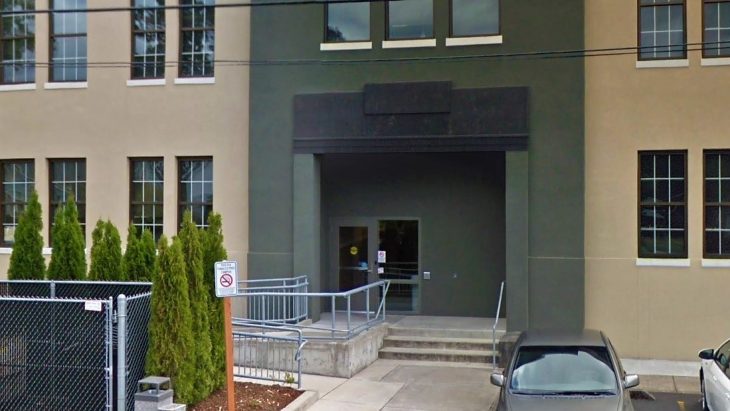
About Polk County Behavioral Health
Polk County Behavioral Health is a county operated provider offering outpatient mental health and substance use disorder services for Polk County residents in Dallas, Oregon. Services include outpatient and intensive outpatient SUD treatment, individual and group therapy, DUII education and rehabilitation, peer support and walk in crisis care at the Polk CARES Center.
The program uses a same day access model and sliding fee structure to ensure that Polk County residents receive the care they need, regardless of ability to pay.
Outpatient and Intensive Outpatient Substance Use Treatment
Polk County Behavioral Health provides comprehensive outpatient SUD services beginning with a drug and alcohol assessment to determine the right level of care. The team includes Certified Alcohol and Drug Counselors, Qualified Mental Health Professionals and Peer Support Specialists who deliver individual counseling, treatment groups and referrals to detox or residential programs when clinically appropriate.
Treatment sessions address both immediate challenges and underlying issues fueling substance use, with access to telehealth and in person appointments. The intensive outpatient track offers structured, higher intensity care for clients who need more support, while the outpatient level provides flexible weekly sessions tailored to individual recovery goals.
Walk In Crisis Support and Substance Use Welcome Center
The Polk CARES Center at the Dallas location provides walk in crisis services during weekday hours, including risk evaluations, suicide prevention and safety planning and immediate connections to behavioral health treatment. The Welcome Center for Substance Use Support offers a low barrier entry point for adults seeking assessment, peer navigation and help accessing detox or treatment referrals.
Getting Started on Your Recovery Journey In Dallas
Polk County Behavioral Health serves clients in person at the Academy Street office in Dallas and via secure telehealth for enrolled clients, with weekday hours from 8:00 am to 5:00 pm. Polk County residents with Oregon Health Plan (OHP) can access same day intake appointments and a Sliding Fee Discount Program provides free or reduced cost care for uninsured or underinsured individuals based on federal income guidelines.
| Levels of Care | Detox Service Setting | Programs | Payment Options | ||
|---|---|---|---|---|---|
|
In outpatient therapy, you’ll attend therapy sessions several times each week while living at home. This is ideal if you have a strong support system and a lower risk of relapse. Outpatient treatment offers flexibility to maintain work, school or family obligations. |
Dual diagnosis programs address substance use disorders and co-occurring mental health conditions simultaneously. This integrated approach to care improves the likelihood of long term recovery and stability by addressing the root causes of addiction. |
||||
|
Outpatient detox gives you access to medically supervised withdrawal services while still allowing you to live at home. You’ll attend a clinic for treatment and monitoring. This flexible option is suitable for those with mild to moderate withdrawal symptoms who have strong support systems. |
|||||
|
Adult programs address the substance use and life challenges specific to adults. Therapists can deliver sessions in individual, group and family settings. Services often include job support and life skills training in a structured environment. |
Alcohol detox programs offer medical support to help individuals withdraw safely from alcohol. Your care team may use medications to ease your symptoms and provide medical monitoring to address complications. |
Men's programs address substance use while also considering the social pressures, family roles and mental health concerns that are specific to men. You’ll learn healthy coping mechanisms as you build emotional resilience and develop communication skills. |
Opioid detox uses medications to ease severe withdrawal symptoms. It also includes medical supervision to help you manage potential complications. These services allow you to stabilize and begin a recovery plan. |
Women's programs offer a safe and supportive space to focus on gender specific issues such as trauma, family roles and mental health conditions. Therapists tailor the sessions to address women's needs and foster empowerment in a healing and nurturing environment. |
Young adult programs are designed for individuals who are transitioning into adulthood. Topics of discussion typically include identity, independence and peer relationships. Providers may also offer life skills training and career support. |
|
Payment Assistance
|
Medicaid
|
Self Pay
|
Levels of Care
In outpatient therapy, you’ll attend therapy sessions several times each week while living at home. This is ideal if you have a strong support system and a lower risk of relapse. Outpatient treatment offers flexibility to maintain work, school or family obligations.
Dual diagnosis programs address substance use disorders and co-occurring mental health conditions simultaneously. This integrated approach to care improves the likelihood of long term recovery and stability by addressing the root causes of addiction.
Detox Service Setting
Outpatient detox gives you access to medically supervised withdrawal services while still allowing you to live at home. You’ll attend a clinic for treatment and monitoring. This flexible option is suitable for those with mild to moderate withdrawal symptoms who have strong support systems.
Programs
Adult programs address the substance use and life challenges specific to adults. Therapists can deliver sessions in individual, group and family settings. Services often include job support and life skills training in a structured environment.
Alcohol detox programs offer medical support to help individuals withdraw safely from alcohol. Your care team may use medications to ease your symptoms and provide medical monitoring to address complications.
Men's programs address substance use while also considering the social pressures, family roles and mental health concerns that are specific to men. You’ll learn healthy coping mechanisms as you build emotional resilience and develop communication skills.
Opioid detox uses medications to ease severe withdrawal symptoms. It also includes medical supervision to help you manage potential complications. These services allow you to stabilize and begin a recovery plan.
Women's programs offer a safe and supportive space to focus on gender specific issues such as trauma, family roles and mental health conditions. Therapists tailor the sessions to address women's needs and foster empowerment in a healing and nurturing environment.
Young adult programs are designed for individuals who are transitioning into adulthood. Topics of discussion typically include identity, independence and peer relationships. Providers may also offer life skills training and career support.
Contact



Gayle Morris, BSN, MSN, received her bachelor’s from the University of Illinois Chicago Medical Center and her first master’s from the Indiana University Purdue University Indianapolis. She practiced nursing for over two decades with a focus on pediatric physical rehabilitation, which required mental health skills to help children, and their parents work through new challenges after a head injury or spinal cord injury. She has been a freelance writer in health, wellness, and mental health for over 15 years. She loves exercise, her dogs and guinea pigs, and gardening.