800-262-4205
Recovery Centers Of Arkansas Little Rock
About Recovery Centers Of Arkansas Little Rock
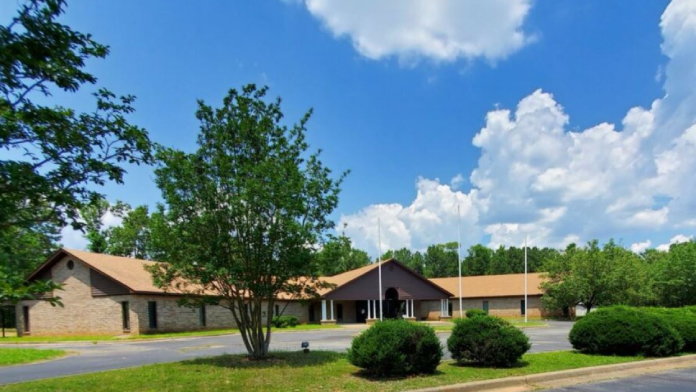
Recovery Centers of Arkansas Little Rock, known as the Sibley Center, is a women’s addiction treatment center in Little Rock, Arkansas, offering residential substance use treatment, outpatient services and long-term sober living on one campus.
The nonprofit program provides evidence based care for substance use and co-occurring mental health conditions in a women-only environment.
Women’s Recovery Programs and Levels of Care
Treatment at the Sibley Center often begins with an assessment to determine the right level of care, with many women entering residential treatment before stepping down into PHP, IOP or outpatient services.
Graduates of residential care can also transition into The Cottage, a long-term sober living home for continued support.
Clients engage in psychotherapy, process groups and psychoeducational groups covering 12-step recovery, relapse prevention, mindfulness, parenting and life skills.
Individual sessions with a certified recovery counselor, psychiatric evaluations for insured clients, weekly on-site AA, NA, CA and Al-Anon meetings, and Sunday family education round out the experience.
Quick Facts About the Sibley Center
- Location: 9219 Sibley Hole Road in Little Rock, Arkansas
- Levels of care: Residential, PHP, IOP, outpatient, and long-term sober living
- Who they treat: Adult women with substance use and co-occurring mental health conditions
- Approach: Evidence-based therapy, 12-step integration, psychiatric care, and family education
- Payment options: Arkansas Blue Cross Blue Shield, Ambetter, additional commercial plans and state grant funding for eligible residents of Pulaski, Saline, Lonoke and Prairie Counties
- Amenities: On-campus cottage housing with shared living, dining and kitchen spaces
- Accreditation: CARF accredited and listed in the SAMHSA national directory
Getting Started
To begin treatment at Recovery Centers of Arkansas Sibley Center in Little Rock, prospective clients can complete an intake assessment to identify the appropriate level of care. The admissions team can verify insurance benefits, explain grant eligibility and walk through sober living options.
| Levels of Care | Detox Service Setting | Programs | Payment Options |
|---|---|---|---|
|
Inpatient and residential programs provide round-the-clock medical and emotional support as you live at the treatment facility. This level of care may be recommended if you have severe addictions or mental health conditions since it removes outside distractions and allows you to focus solely on therapy. |
In outpatient therapy, you’ll attend therapy sessions several times each week while living at home. This is ideal if you have a strong support system and a lower risk of relapse. Outpatient treatment offers flexibility to maintain work, school or family obligations. |
||
|
Inpatient detox occurs in a dedicated treatment facility. You’ll live there around the clock and receive intensive medical support and supervision to help manage your withdrawal symptoms. It is suitable for individuals with moderate to severe addictions as it ensures a stable detox environment. |
Outpatient detox gives you access to medically supervised withdrawal services while still allowing you to live at home. You’ll attend a clinic for treatment and monitoring. This flexible option is suitable for those with mild to moderate withdrawal symptoms who have strong support systems. |
||
|
Alcohol detox programs offer medical support to help individuals withdraw safely from alcohol. Your care team may use medications to ease your symptoms and provide medical monitoring to address complications.
|
Drug detox programs support individuals who are withdrawing from addictive substances like cocaine and heroin. Medical support helps you manage symptoms in a controlled and safe environment so you can achieve initial sobriety.
|
||
|
Private Insurance
|
Self Pay
|
Levels of Care
Inpatient and residential programs provide round-the-clock medical and emotional support as you live at the treatment facility. This level of care may be recommended if you have severe addictions or mental health conditions since it removes outside distractions and allows you to focus solely on therapy.
In outpatient therapy, you’ll attend therapy sessions several times each week while living at home. This is ideal if you have a strong support system and a lower risk of relapse. Outpatient treatment offers flexibility to maintain work, school or family obligations.
Detox Service Setting
Inpatient detox occurs in a dedicated treatment facility. You’ll live there around the clock and receive intensive medical support and supervision to help manage your withdrawal symptoms. It is suitable for individuals with moderate to severe addictions as it ensures a stable detox environment.
Outpatient detox gives you access to medically supervised withdrawal services while still allowing you to live at home. You’ll attend a clinic for treatment and monitoring. This flexible option is suitable for those with mild to moderate withdrawal symptoms who have strong support systems.
Programs
Accepted Insurance


Contact



Maygen Brockway, MTC, lives in scenic Southern Utah and has over 10 years of editing and writing experience. She’s created content for the medical, wedding, fashion, and technical industries. She loves poetry and coffee, writing, and being a social butterfly and a mom.
Detox.com regularly reviews this listing for accuracy but changes may occur between updates. For the most up-to-date information, please contact Recovery Centers Of Arkansas Little Rock.