501-213-3573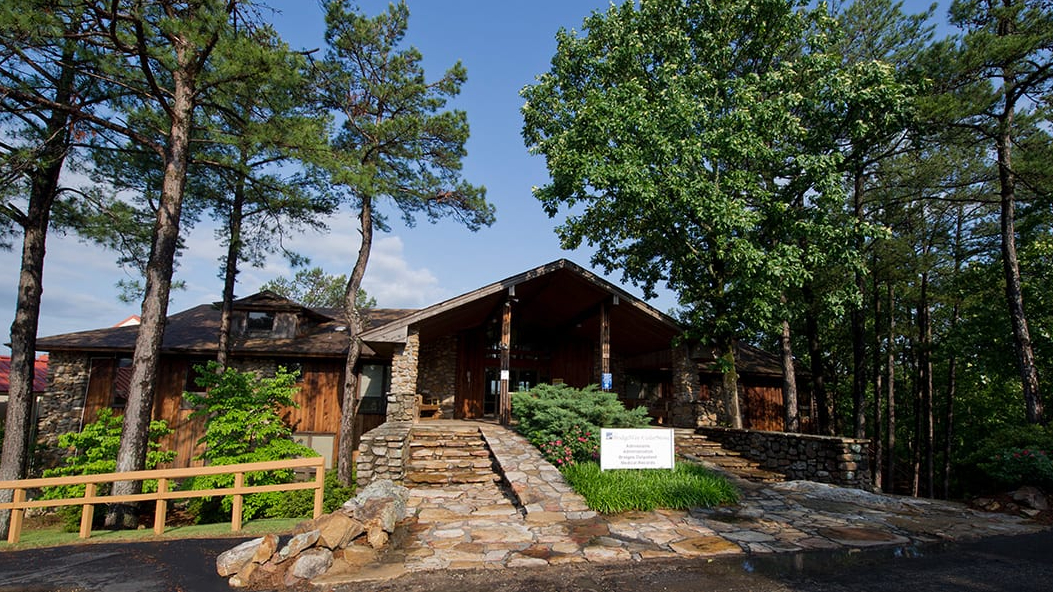
The BridgeWay
North Little Rock, AR
72113
Fayetteville is the third-largest Arkansan city, and unfortunately, a great deal of its residents are suffering from substance abuse and addiction. Whether you or someone you love is dealing with alcohol dependence, prescription opioid abuse, or heroin addiction, it is time to seek treatment, and many individuals find detox a safe option treatment for withdrawal and early recovery.
Get help finding drug and alcohol detox centers in Fayetteville, AR by calling 501-596-0833 now to find the treatment options that will best suit your needs and begin your journey of recovery today.
| Name | Address | Detox Service Setting | Levels Of Care | Media |
|---|---|---|---|---|
ARC Clinic Fayetteville |
4038 Remington Dr Fayetteville, AR 72703 |
Detox Service Setting
Inpatient DetoxOutpatient Detox
|
Levels Of Care
InpatientOutpatient
|
|
Suboxone Recovery Center of Arkansas |
102 E Sunbridge Dr Fayetteville, AR 72703 |
Detox Service Setting
Inpatient DetoxOutpatient Detox
|
Levels Of Care
InpatientOutpatient
|
|
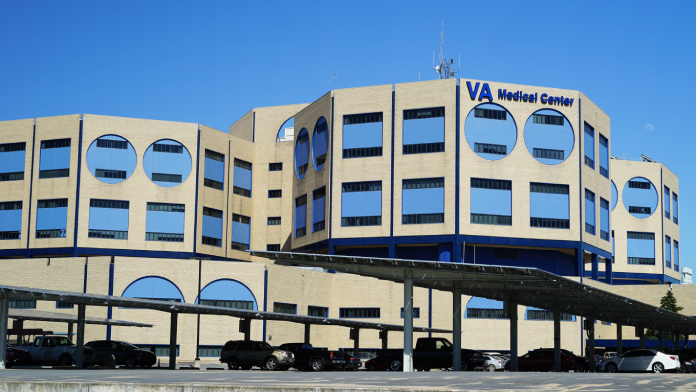
VA Fayetteville Arkansas health care |
1100 North College Avenue Fayetteville, AR 72703 |
Detox Service Setting
Hospital DetoxInpatient DetoxOutpatient Detox+1
|
Levels Of Care
InpatientOutpatient
|
|
Vantage Point Behavioral Health Hospital |
4253 North Crossover Road Fayetteville, AR 72703 |
Detox Service Setting
Inpatient DetoxOutpatient Detox
|
Levels Of Care
InpatientOutpatientDual Diagnosis
|
|
MedMark Treatment Centers Springdale |
7255 Meeshow Drive Springdale, AR 72762 |
Detox Service Setting
Outpatient Detox
|
Levels Of Care
OutpatientAftercare
|
|
EagleCrest Recovery |
1101 Southwest Coventry Boulevard Bentonville, AR 72712 |
Detox Service Setting
Inpatient DetoxOutpatient DetoxMAT
|
Levels Of Care
InpatientOutpatientPHP+3
|
|
Gateway House Recovery Center Womens Residential |
3900 North Armour Street Fort Smith, AR 72904 |
Detox Service Setting
Inpatient DetoxOutpatient Detox
|
Levels Of Care
InpatientOutpatientDual Diagnosis+1
|
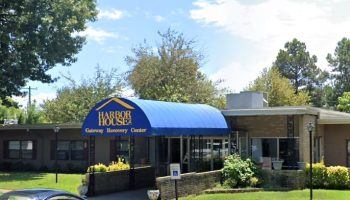
|
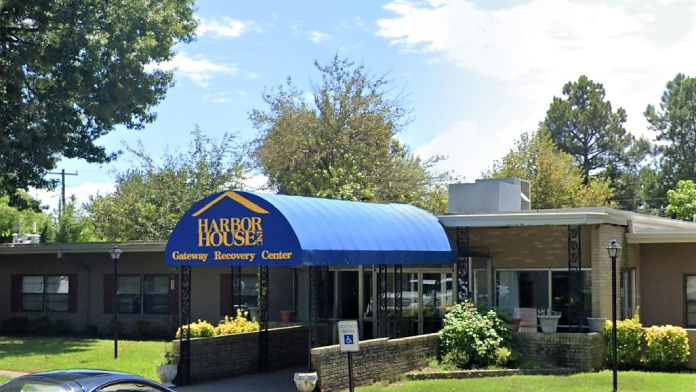
Harbor House, Inc. |
620 South 21st Street Fort Smith, AR 72901 |
Detox Service Setting
Inpatient DetoxOutpatient Detox
|
Levels Of Care
InpatientOutpatientAftercare+2
|
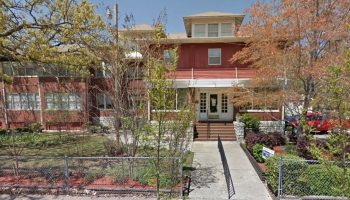
|
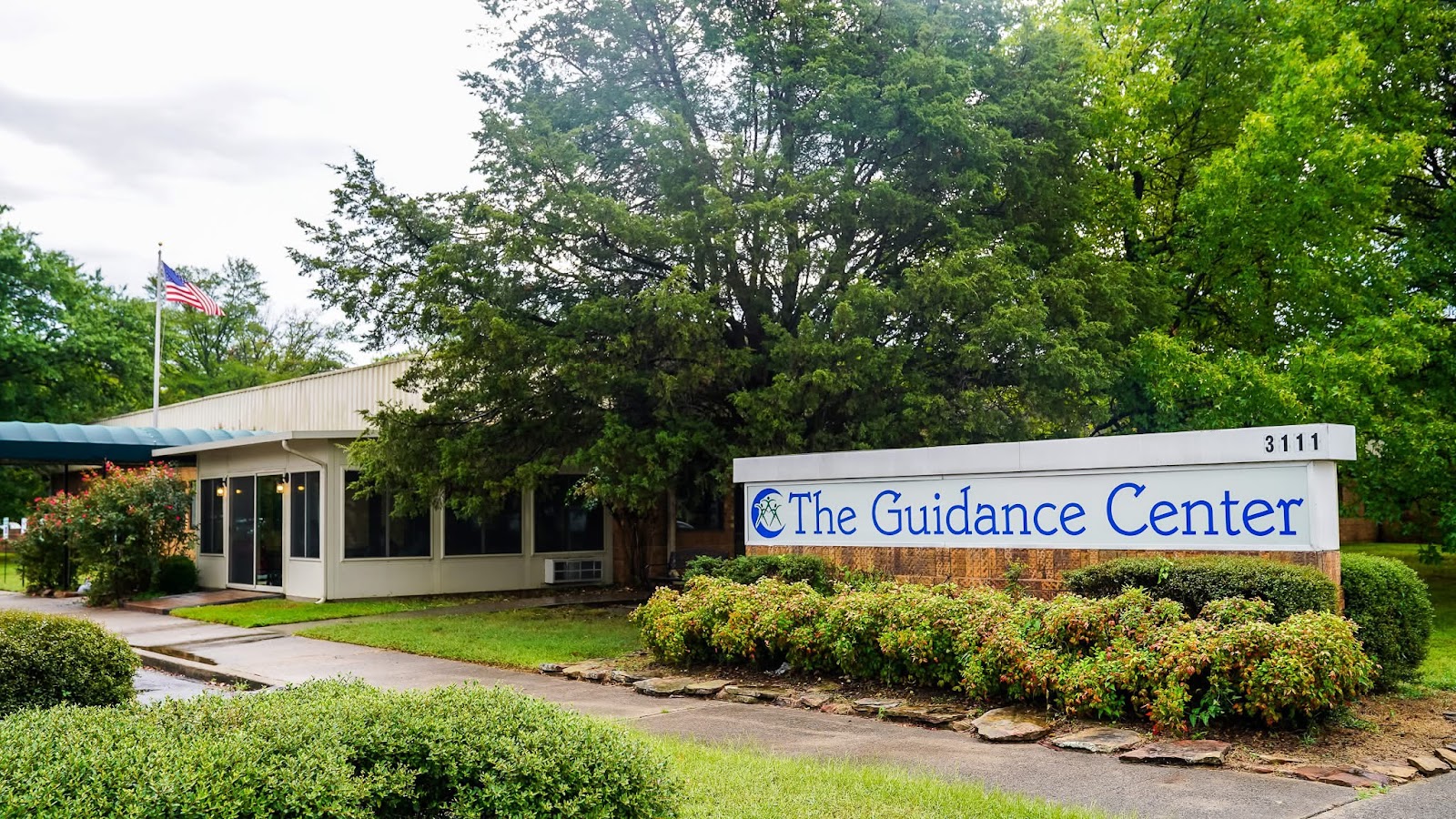
Western Arkansas Counseling and Guidance Center Fort Smith |
3111 S 70th St Fort Smith, AR 72903 |
Detox Service Setting
Inpatient DetoxOutpatient Detox
|
Levels Of Care
InpatientOutpatient
|
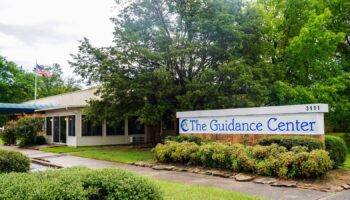
|
Northeastern Oklahoma Council on Alcohol Treatment Facility |
130 West Steve Owens Boulevard Miami, OK 74354 |
Detox Service Setting
Inpatient DetoxOutpatient Detox
|
Levels Of Care
InpatientOutpatientDual Diagnosis+1
|
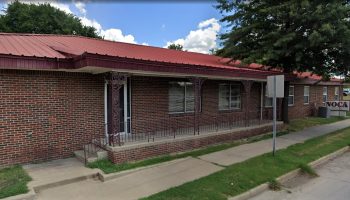
|
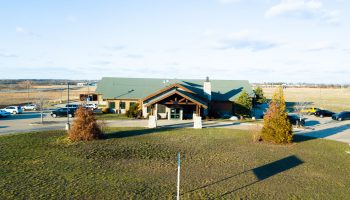
Grand Falls Center |
5615 W 32nd St Joplin, MO 64804 |
Detox Service Setting
|
Levels Of Care
InpatientPHPOutpatient+1
|
|
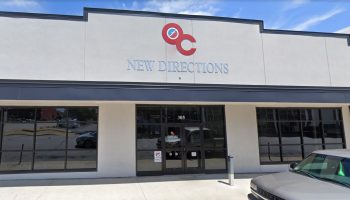
Ozark Center New Directions Joplin |
305 South Virginia Avenue East Joplin, MO 64801 |
Detox Service Setting
Outpatient Detox
|
Levels Of Care
Outpatient
|
|
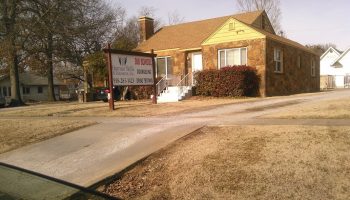
Human Skills and Resources |
408 East Will Rogers Boulevard Claremore, OK 74017 |
Detox Service Setting
Outpatient Detox
|
Levels Of Care
Outpatient
|
|
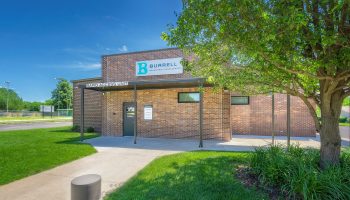
Burrell Behavioral Health |
800 South Park Avenue Springfield, MO 65802 |
Detox Service Setting
Inpatient DetoxOutpatient DetoxMAT
|
Levels Of Care
InpatientOutpatientDual Diagnosis+2
|
|
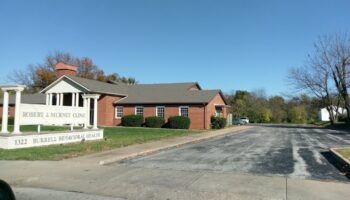
Burrell Behavioral Health Murney Clinic |
1322 South Campbell Avenue Springfield, MO 65807 |
Detox Service Setting
Outpatient DetoxMAT
|
Levels Of Care
OutpatientDual Diagnosis
|
|
Fayetteville is the primary hub for medically supervised detox in Northwest Arkansas, serving Washington County and the surrounding region. While methamphetamine remains the most common substance in Arkansas treatment admissions statewide, fentanyl’s share of overdose deaths has grown significantly.
Opioid settlement funds are actively reaching Northwest Arkansas through the Arkansas Opioid Recovery Partnership (ARORP), a statewide initiative distributing multi-year settlement dollars to local organizations for naloxone distribution, recovery housing, peer support, and overdose response.
As of 2024, ARORP had funded projects in all 75 Arkansas counties and disbursed over $26 million since 2022.
Fayetteville is home to the Veterans Health Care System of the Ozarks, one of the few facilities in the region providing CARF-accredited residential treatment alongside outpatient and medication-assisted options.
In addition, the University of Arkansas campus adds a layer of community-level prevention: Arkansas Act 811 of 2023, which took effect January 1, 2024, requires all public higher education institutions to keep naloxone kits on campus, and the Pat Walker Health Center operates a 24-hour Narcan vending machine for students and community members.
Detox and substance use disorder treatment facilities in the city are licensed and monitored by the Arkansas Division of Aging, Adult, and Behavioral Health Services (DAABHS), the state agency within the Department of Human Services that oversees publicly funded treatment and sets licensure standards under its published Licensure Standards for Alcohol and Other Drug Abuse Treatment Programs.
DAABHS also maintains the Regional Alcohol and Drug Detoxification (RADD) Manual, which governs medically supervised detox protocols across the state.
For anyone evaluating treatment options in Fayetteville, understanding which level of care fits your situation is an important first step before contacting any specific facility.
The cost of detox in Fayetteville varies depending on the level of care, the length of stay and the substances involved. Thankfully, several state-funded, nonprofit and insurance-based pathways exist for residents who cannot afford private pay rates.
Understanding how much detox costs before beginning your search will help you identify which programs are realistic options.
Detox costs in Arkansas are consistent with national patterns across levels of care. Medical complexity, prescription medication needs and length of stay all affect total cost. Insurance coverage typically reduces out-of-pocket expenses substantially.
Cost estimates below are statewide Arkansas averages, as city-specific cost data for Fayetteville is not publicly reported.
Private insurance plans in Arkansas must comply with the Affordable Care Act’s mental health and substance use disorder parity requirements, which means they cannot provide less coverage for behavioral health treatment than for medical or surgical care. The Arkansas Insurance Department enforces these standards for plans sold in the state.
It is important to keep in mind that coverage levels, network status and prior authorization requirements vary by plan. Arkansas Act 964 separately prohibits health insurers from requiring prior authorization for FDA-approved MAT medications.
The most common commercial insurers in the Fayetteville and Northwest Arkansas market include:
Medicare covers inpatient and outpatient addiction treatment in Fayetteville, including opioid treatment program services such as methadone and buprenorphine under Part B.
Copays and deductibles depend on the treatment setting, the services received, and the specific Medicare plan.
Arkansas Medicaid operates under the Arkansas Health and Opportunity for Me (ARHOME) program.
ARHOME covers medical detox, inpatient care, outpatient treatment and all FDA-approved MAT medications without prior authorization.
Enrollment is open year-round through the Arkansas Department of Human Services for individuals with household income at or below 138% of the federal poverty level.
There are meaningful options for Fayetteville residents who are uninsured or underinsured:

The Salvation Army Fayetteville Corps provides free inpatient addiction care for men through its work recovery program, which includes room, board, counseling and group therapy in exchange for work participation. No insurance is required.
Several Fayetteville treatment providers, including facilities that accept state education and state welfare funds, use income-based sliding fee scales. Eligibility is determined at intake.
DAABHS contracts with community-based providers to deliver publicly funded treatment to Arkansans who cannot pay privately. Arkansas 211 (dial 2-1-1) connects callers with local state-funded resources.
The Fayetteville VA Medical Center (Veterans Health Care System of the Ozarks) provides substance use disorder treatment at no cost to eligible Veterans, including MAT with buprenorphine and naltrexone, group and individual therapy and same-day walk-in evaluations on weekdays.
ARORP distributes opioid settlement funds to Northwest Arkansas organizations for recovery housing, peer support and naloxone access. Residents can contact ARORP directly at arorp.org to identify funded programs in Washington County.
Some of the key regulatory and accreditation bodies that oversee detox and substance use disorder treatment in Fayetteville and Arkansas include:
DAABHS is the primary state licensing authority for substance use disorder treatment in Arkansas, including detoxification programs in Fayetteville. The division issues licenses, monitors compliance with the Arkansas SUD treatment standard and administers federal SAMHSA grant funding distributed to community providers statewide.
Operating within DAABHS, OADAP functions as Arkansas’s State Opioid Treatment Authority, setting program standards for opioid treatment programs, including facilities that dispense methadone and buprenorphine. It reviews and accredits OTP licenses in coordination with SAMHSA and the DEA.
The Insurance Department enforces state insurance laws applicable to substance use disorder coverage, including the requirements of Arkansas Act 964, which prohibits prior authorization for FDA-approved MAT medications. Consumers with insurance coverage complaints or questions about parity compliance can contact the department directly.
ADH provides epidemiological surveillance of overdose trends and co-administers naloxone training and prevention programs, including the Bureau of Alcohol and Drug Abuse Prevention (ADAP), which licenses certain treatment program categories. ADH data informs how DAABHS allocates resources across regions, including Northwest Arkansas.
Medication-assisted treatment in Fayetteville is regulated at both the federal and state levels.
Federally, MAT providers must comply with SAMHSA’s revised 42 CFR Part 8 (effective April 2024), which updated OTP accreditation standards and permanently allowed take-home methadone doses for eligible patients.
Furthermore, Arkansas Act 964 requires all health insurers and the Medicaid program to cover FDA-approved MAT medications on the lowest cost-sharing tier without prior authorization.
Widely accessible in Fayetteville through office-based providers and outpatient programs. Since the federal X-waiver requirement was eliminated in 2023, any DEA-registered practitioner can prescribe buprenorphine, expanding access significantly. Telehealth prescribing is also available.
Restricted to certified Opioid Treatment Programs and cannot be obtained at a standard pharmacy for OUD treatment. Patients are typically required to attend the clinic for daily dosing initially, though updated 2024 federal rules allow OTPs to grant take-home doses for stable patients.
A non-controlled substance that any licensed prescriber can order. It requires seven to fourteen days of opioid abstinence before initiation. The injectable form (Vivitrol) is available in Fayetteville and is covered by ARHOME Medicaid. It is commonly used in diversion programs and for alcohol use disorder.
Fayetteville is home to the leading harm reduction organization in Northwest Arkansas.
The following resources provide naloxone, sterile supplies, fentanyl testing and peer support to people who use drugs and to their families, many of whom are in Fayetteville specifically because fentanyl in the illicit supply continues to pose a serious risk of overdose.
NWAHR is based in Fayetteville and provides services across the NWA region, including Springdale, Rogers, and Bentonville. Their 24-hour volunteer-staffed text hotline connects people and families to naloxone, supplies and recovery resources.
In the two years before early 2025, NWAHR reported more than 400 confirmed overdose reversals using the naloxone kits they distributed.
NEXT Distro operates statewide in Arkansas through a formal partnership with NWAHR. Residents who cannot access in-person distribution text the NWAHR hotline to initiate a mail-based naloxone request.
The vending machine at the Pat Walker Health Center southeast entrance operates around the clock and dispenses free Narcan and fentanyl prevention kits to anyone on campus. Users input a zip code to access supplies.
The NARCANsas app (available on iOS and Android) allows users to report overdose reversals attributed to distributed kits.
ARORP is an initiative of the Association of Arkansas Counties and the Arkansas Municipal League that distributes opioid settlement funds to local organizations.
Since 2022, ARORP-funded partners have distributed 86,000-plus naloxone doses statewide, including projects serving Washington County.
Washington County has seen meaningful reductions in overdose deaths in recent years, though the presence of fentanyl in the local drug supply and methamphetamine’s continued prevalence make professional detox and harm reduction resources critically important for the Fayetteville community.
Arkansas reported 391 drug overdose deaths in 2024, a 24% decrease from the 516 deaths recorded in 2023, according to CDC provisional data. The 2024 total was the lowest since 2019.
Fentanyl and other synthetic opioids accounted for 52% of all drug overdose deaths in Arkansas in 2023, reflecting the extent to which the illicit supply has been contaminated with synthetic opioids.
Northwest Arkansas Harm Reduction reported more than 400 confirmed overdose reversals in the two years preceding early 2025 from naloxone kits distributed in the Fayetteville and Northwest Arkansas region.
No. Arkansas Act 964 prohibits all health insurers and the ARHOME Medicaid program from requiring prior authorization for FDA-approved MAT medications, including buprenorphine, methadone and naltrexone.
These medications must also be placed on the lowest available cost-sharing tier. A valid prescription and compliance with SAMHSA guidelines are the only conditions a plan can require.
Yes. State-funded programs contracted through DAABHS serve uninsured residents, and several Fayetteville facilities offer income-based sliding fee scales.
The Salvation Army Fayetteville Corps provides free inpatient care for men through its work recovery program. As well, Calling Arkansas 211 connects you with local no-cost and low-cost options based on your situation and county.
The Fayetteville VA Medical Center, part of the Veterans Health Care System of the Ozarks, provides outpatient and CARF-accredited residential treatment for Veterans.
Services include individual and group therapy, medication-assisted treatment with buprenorphine and naltrexone, and same-day walk-in evaluations available Monday through Friday. Veterans can call (479) 444-5048.
Enrollment in VA benefits is not always required to begin the evaluation process.
Yes. Northwest Arkansas Harm Reduction distributes free naloxone locally and by mail across the state.
The Pat Walker Health Center on the University of Arkansas campus has a free 24-hour Narcan vending machine.
Additionally, Arkansas pharmacists can dispense naloxone without a patient-specific prescription, and most insurance plans, including ARHOME Medicaid, cover it at no cost at the pharmacy.
Yes. Northwest Arkansas Harm Reduction employs state-certified Peer Recovery Support Specialists who connect people ready for treatment with next steps in the recovery process through their 24-hour text hotline at (479) 553-9459.
ARORP-funded organizations in Washington County also provide peer support programming. The Arkansas Peer Recovery directory at rehabs.org/centers/arkansas is a searchable statewide resource.
Fentanyl is present in the illicit drug supply across Northwest Arkansas and accounted for 52% of Arkansas overdose deaths in 2023.
It is frequently found in counterfeit pills, heroin, and other substances, meaning people who use drugs may not know fentanyl is present. In response, Northwest Arkansas Harm Reduction distributes fentanyl testing strips for free, and the Pat Walker Health Center vending machine dispenses fentanyl harm prevention kits at no cost.