Find Drug & Alcohol Detox Centers in Kansas City, MO

The substance abuse issue in the United States has become an epidemic, and unfortunately, the Heart of America is no exception. Many Kansas City residents are suffering from severe addiction syndromes and need help. Luckily, professional detox facilities exist where patients can safely navigate withdrawal under medical supervision.

Call 816-542-7048 today if you or someone you love is struggling with a substance use disorder and needs help. We can match you with alcohol detox centers in Kansas City, MO.

Detox Centers in Kansas City

24 Results
Filters
Setting
Medications Offered
Treatment
Programs
Payment Options
Name Address Detox Service Setting Levels Of Care Media

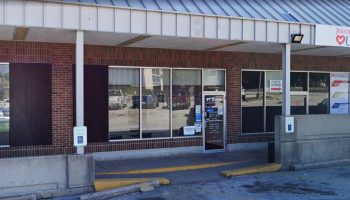
BHG Kansas City North Treatment Center

1125 North 5th Street Kansas City, KS 66101
Detox Service Setting
Outpatient Detox
Levels Of Care
OutpatientDual Diagnosis
BHG Kansas City North Treatment Center

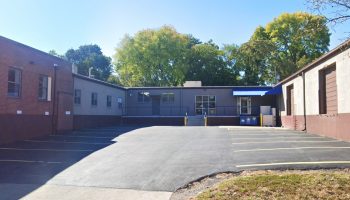
BHG Kansas City Treatment Center

2534 Campbell Street Kansas City, MO 64108
Detox Service Setting
Outpatient Detox
Levels Of Care
OutpatientDual Diagnosis
BHG Kansas City Treatment Center

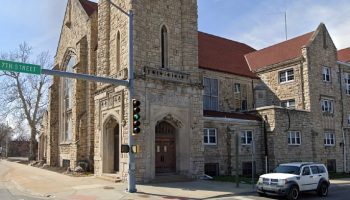
Blue Ocean Center for Recovery Kansas City

1201 N 7th St Trfy Kansas City, KS 66101
Detox Service Setting
Inpatient DetoxOutpatient Detox
Levels Of Care
InpatientOutpatient
Blue Ocean Center for Recovery Kansas City

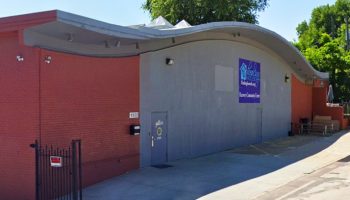
Healing House Inc

4505 Saint John Avenue Kansas City, MO 64123
Detox Service Setting
Inpatient DetoxOutpatient Detox
Levels Of Care
InpatientOutpatient
Healing House Inc

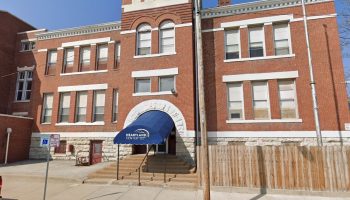
Heartland Center for Behavioral Change Out Patient Clinic

1534 Campbell Street Kansas City, MO 64108
Detox Service Setting
Inpatient DetoxOutpatient Detox
Levels Of Care
InpatientOutpatient
Heartland Center for Behavioral Change Out Patient Clinic

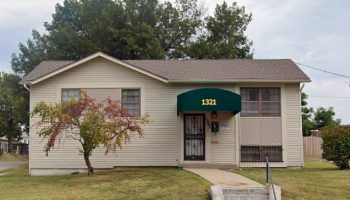
Heartland RADAC

1321 7th St Kansas City, KS 66101
Detox Service Setting
Inpatient DetoxOutpatient Detox
Levels Of Care
InpatientOutpatient
Heartland RADAC

Mattie Rhodes Center Northeast Office

148 North Topping Avenue Kansas City, MO 64123
Detox Service Setting
Outpatient Detox
Levels Of Care
OutpatientDual Diagnosis
Mattie Rhodes Center Northeast Office

ReDiscover Transitions

1000 East 24th Street Kansas City, MO 64108
Detox Service Setting
Outpatient DetoxMAT
Levels Of Care
OutpatientIntensive Outpatient
ReDiscover Transitions

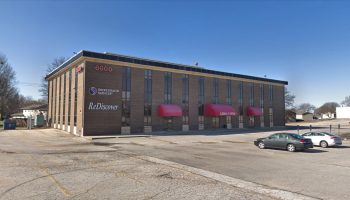
ReDiscover Treatment Options Program Loma Vista

8800 Blue Ridge Boulevard Kansas City, MO 64138
Detox Service Setting
Outpatient Detox
Levels Of Care
OutpatientAftercareDual Diagnosis
ReDiscover Treatment Options Program Loma Vista

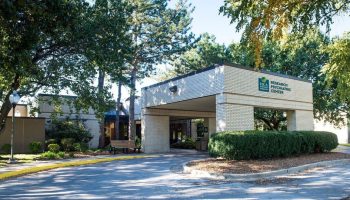
Research Psychiatric Center

2323 East 63rd Street Kansas City, MO 64130
Detox Service Setting
Inpatient DetoxOutpatient Detox
Levels Of Care
InpatientOutpatientAftercare+1
Research Psychiatric Center

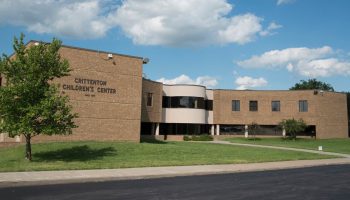
Saint Lukes Hospital of Kansas City Crittenton Childrens Center

10918 Elm Avenue Kansas City, MO 64134
Detox Service Setting
Inpatient DetoxOutpatient Detox
Levels Of Care
InpatientOutpatientDual Diagnosis
Saint Lukes Hospital of Kansas City Crittenton Childrens Center

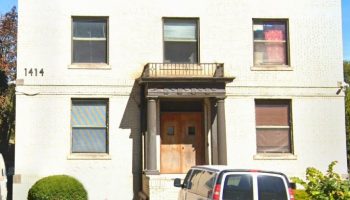
Welcome House

1414 E 27th St Kansas City, MO 64108
Detox Service Setting
Inpatient DetoxOutpatient Detox
Levels Of Care
InpatientOutpatient
Welcome House

Associates at Hope Harbor OP Kansas City

3730 Metropolitan Avenue Kansas City, KS 66106
Detox Service Setting
Levels Of Care

DRD Management Inc

723 East 18th Street Kansas City, MO 64108
Detox Service Setting
Outpatient DetoxMAT
Levels Of Care
Outpatient

Heartland Center For Behavioral Change

1730 Prospect Avenue Kansas City, MO 64127
Detox Service Setting
MATOutpatient Detox
Levels Of Care
Outpatient

Heartland Center for Behavioral Change – KC Outpatient

1514 Campbell Street Kansas City, MO 64108
Detox Service Setting
MATHospital DetoxInpatient Detox+1
Levels Of Care
InpatientOutpatientAftercare

Kansas City Metro Methadone Program

3901 Rainbow Boulevard Kansas City, KS 66103
Detox Service Setting
Inpatient DetoxOutpatient DetoxMAT
Levels Of Care
InpatientOutpatientDual Diagnosis+1

Midwest Recovery Centers

13340 Holmes Rd Kansas City, MO 64145
Detox Service Setting
Inpatient DetoxOutpatient Detox
Levels Of Care
InpatientOutpatient

New Vision – Research Medical Center

2316 East Meyer Boulevard Kansas City, MO 64132
Detox Service Setting
Hospital DetoxInpatient DetoxOutpatient Detox+1
Levels Of Care
InpatientOutpatientDual Diagnosis+1

The Crossroads Program

13860 Wyandotte Street Kansas City, MO 64145
Detox Service Setting
Outpatient DetoxMAT
Levels Of Care
OutpatientAftercare

The Salvation Army – KCK Citadel

6723 State Avenue Kansas City, KS 66102
Detox Service Setting
Levels Of Care

The University of Kansas Hospital Psychiatry Department KUMC

3901 Rainbow Blvd Kansas City, KS 66160
Detox Service Setting
Inpatient DetoxOutpatient Detox
Levels Of Care
InpatientOutpatient

University Health Behavioral Health Crossroads

300 West 19 Terrace Kansas City, MO 64108
Detox Service Setting
Inpatient DetoxOutpatient Detox
Levels Of Care
InpatientOutpatientDual Diagnosis+1

University Health Behavioral Health Recovery Health Services

1000 East 24th Street Kansas City, MO 64108
Detox Service Setting
MATHospital Detox
Levels Of Care
Inpatient

Drug & Alcohol Detox in Kansas City, MO

The illicit drug supply in Kansas City, Missouri is heavily contaminated with fentanyl, present in 88% of opioid-involved deaths across the four Greater Kansas City counties in 2024. In addition, polysubstance use involving both opioids and stimulants is an increasing concern in Jackson County, and programs with experience treating this combination are worth seeking out when evaluating detox options.

People searching for drug or alcohol detox in Kansas City will find a metro area with more than 50 outpatient providers and approximately 8 dedicated detox facilities.

Two recent developments shape the local treatment picture. As of January 2024, Missouri’s 1115 SUD Demonstration Waiver expanded MO HealthNet coverage to include medically necessary residential treatment at qualifying facilities with 25 beds or fewer, a meaningful change for Medicaid-insured residents who previously lacked residential coverage.

Additionally, Jackson County directed opioid settlement funds from 2023 and 2024 toward a new mental health treatment facility in partnership with University Health.

Detox programs in Kansas City are certified and regulated by the Missouri Division of Behavioral Health (DBH), a division of the Missouri Department of Mental Health (DMH). The Office of Licensure and Certification within DMH monitors ongoing facility compliance.

Locally, Jackson County Public Health (JCPH) is the county’s lead public health agency and has been pressing state legislators to legalize syringe services programs, which remain prohibited under Missouri law as of 2025.
Find The Perfect Detox Center For You

Filter treatment centers in Kansas City by level of care offered to find the best detox program for you or a loved one.

Paying for Detox in Kansas City

Costs for drug and alcohol detox in Kansas City vary widely based on the level of care, length of stay and insurance coverage. Therefore, understanding what you can expect to pay before entering detox helps you plan without surprises.

How Much Does Detox Cost in Kansas City?

Kansas City ranks near the national average for addiction treatment cost, with an average total program cost of approximately $57,559, comparable to the Missouri state average of $56,782 and the national average of $57,193.

These figures reflect the full pre-insurance cost and weigh higher-cost residential options heavily. Actual out-of-pocket costs vary substantially based on care level, medication needs and insurance coverage. Many people pay significantly less, particularly for outpatient and MAT services.

$150,000+
Medical Detox
$56,000–$60,000
Inpatient Rehab
$1,700–$5,000
Outpatient Rehab
$4,000–$7,000
Methadone Treatment

Does Private Insurance Cover Detox in Kansas City?

Under the Affordable Care Act, private insurers must cover substance use disorder treatment at parity with other medical benefits. In Missouri, the Department of Commerce and Insurance (DCI) oversees commercial insurer compliance.

Be sure to verify your coverage details and find in-network providers through healthcare.gov.

The most common commercial insurers in the Kansas City market include:

Blue Cross Blue Shield
United Health Care
Cigna
Aetna
Ambetter
Oscar

Medicare and Medicaid in Kansas City

Medicare

Medicare covers inpatient and outpatient drug and alcohol detox in Kansas City under Parts A and B. Part B covers opioid treatment program (OTP) services, including methadone, buprenorphine and naltrexone.

It is important to consider that copays and deductibles depend on the treatment setting, services received and your specific plan.

Medicaid

Missouri Medicaid, known as MO HealthNet, covers detox and withdrawal management for eligible residents, including inpatient and outpatient services.

As of January 2024, Missouri’s federal 1115 Demonstration Waiver expanded coverage to include medically necessary residential SUD treatment in qualifying facilities with 25 beds or fewer.

In some cases, a pre-authorization may be required through your managed care plan.

Other Ways to Pay for Detox Treatment

Cost should not prevent anyone from getting help in Kansas City.

Several local options exist for people without private insurance coverage:

Sliding Scale Payment: 

Samuel U. Rodgers Health Center is a Federally Qualified Health Center (FQHC) serving the Kansas City area that uses a sliding fee scale based on income, making services accessible to uninsured and low-income patients.

State-Funded Programs (CSTAR): 

Missouri’s Comprehensive Substance Treatment and Rehabilitation (CSTAR) program funds detox and treatment services for income-eligible residents. CSTAR-certified providers in Jackson County accept individuals who cannot afford private-pay care; contact DMH’s treatment locator at dmh.mo.gov to find them.

Nonprofits: 

Heartland Center for Behavioral Change accepts government funding and Medicaid and holds CARF accreditation, providing treatment to qualifying individuals regardless of ability to pay.

Veterans Programs: 

The VA Kansas City Healthcare System provides SUD treatment, detox services, and MAT for eligible veterans. Contact the VA directly to confirm enrollment and service eligibility before your intake appointment.

Payment Plans and Financing: 

Many private detox and residential programs in Kansas City offer payment plans or third-party financing. Ask admissions staff before assuming full upfront payment is required.

Kansas City, Missouri Regulations and Accreditation for Detox

Several key regulatory and accreditation bodies oversee detox and withdrawal management services in Kansas City and Missouri:

Missouri Division of Behavioral Health (DBH)

The primary state authority certifying substance use disorder treatment facilities in Missouri. DBH administers the CSTAR (Comprehensive Substance Treatment and Rehabilitation) program and requires certification for any SUD provider seeking state funds or participation in public funding programs.

Website: dmh.mo.gov

Missouri Office of Licensure and Certification

A unit within the Missouri Department of Mental Health that provides ongoing regulatory oversight for licensed and certified providers. This office monitors compliance with the Missouri Code of State Regulations Title 9, Division 30, which governs detoxification program goals, eligibility criteria, levels of care and clinical performance standards.

Website: dmh.mo.gov

Jackson County Public Health (JCPH)

The local public health authority for Jackson County, which encompasses Kansas City. JCPH conducts overdose surveillance, publishes evidence-based harm reduction policy briefs and advocates for expanded SUD service capacity at the county level.

Website: jcph.org

SAMHSA (Substance Abuse and Mental Health Services Administration)

The federal regulatory authority for opioid treatment programs (OTPs). Any facility dispensing methadone for opioid use disorder must be SAMHSA-certified and DEA-registered under 42 CFR Part 8. SAMHSA also certifies Kansas City’s dedicated MAT providers, including ReDiscover’s Transitions and Treatment Options Program (TOP) clinics.

Website: samhsa.gov

Key MAT Medications and Regulatory Status in Kansas City

Medication-assisted treatment in Kansas City follows both federal SAMHSA standards and Missouri DBH certification requirements. As well, counseling and behavioral therapy are expected components of care at all certified programs.

Missouri’s MO HealthNet and most commercial insurers cover all three FDA-approved MAT medications.

Buprenorphine: 

Available through licensed prescribers at multiple outpatient settings in Kansas City, including SAMHSA-certified OTPs and telehealth platforms. Expanded telehealth prescribing options have improved access for patients who have difficulty reaching a clinic in person.

Methadone: 

Must be dispensed through a SAMHSA-certified OTP; it cannot be obtained through a standard pharmacy for OUD treatment. ReDiscover’s Treatment Options Program (TOP) and Transitions Clinic are the primary OTP providers in eastern Jackson County, offering daily dosing alongside counseling and case management.

Naltrexone: 

No special DEA licensing is required to prescribe naltrexone. Available in oral and monthly injectable (Vivitrol) form at a wide range of treatment settings in Kansas City. It is fully covered by MO HealthNet and most commercial insurers.

Overdose Prevention and Harm Reduction in Kansas City

Kansas City has a growing harm reduction network focused on preventing overdose deaths and keeping people who use drugs alive and connected to care.

The local drug supply is heavily contaminated with fentanyl, which is present in the vast majority of opioid-involved deaths across the metro area.

Missouri made progress in 2023 by legalizing fentanyl test strips and maintaining statewide standing orders for naloxone, but syringe services programs (SSPs) remain prohibited under state law. As a result, Jackson County Public Health and community advocates continue to call for legalization.

The organizations below provide free naloxone, fentanyl test strips, wound care and related services to Kansas City residents.

Confluence HRKC

Free naloxone (Narcan) delivery Fentanyl test strips Wound care supplies Street outreach via van (2 days/week) Home and curbside delivery (4 routes/week)

Confluence HRKC is a harm reduction collective providing free, confidential delivery of naloxone and other supplies to people across Kansas City.

They run four delivery routes each week and two street outreach days, meeting people where they are without requiring a visit to a fixed location.

First Call Kansas City

Free naloxone kits Harm reduction education Family support services Recovery support Community naloxone delivery

First Call has made free naloxone access a community priority. Kits are available by texting their Google phone number for direct delivery, picking up at their office, or receiving them at community events.

No identification or documentation is required to receive a kit.

Kansas City Public Library

Free Narcan kits at all branch locations Anonymous access, no questions asked

The Kansas City Public Library system distributes free Narcan kits at every branch location across the city.

Kits are available without registration, making library locations a stigma-free, walk-in access point for anyone seeking overdose reversal medication.

MoNetwork (Missouri Network for Opiate Reform and Recovery)

Free naloxone by mail HIV and hepatitis C testing Harm reduction education Recovery support

MoNetwork is Missouri’s statewide naloxone mailing affiliate and ships free kits directly to residents’ homes across the state, including Kansas City.

They also connect individuals to local treatment options and peer recovery resources.

Detox Statistics in Kansas City, Missouri

Drug-involved deaths across the Kansas City metro area have declined in recent years, though fentanyl continues to saturate the local drug supply and certain communities are experiencing worsening trends.

402 Drug-Involved Deaths in Greater KC (2024) 

  • Drug-involved deaths across the four Greater Kansas City counties (Jackson, Clay, Platte, and Cass) totaled 402 in 2024, a 10% decrease from 2023.

88% Fentanyl Presence in Opioid Deaths:

Fentanyl was detected in 88% of all opioid-involved deaths in the Greater Kansas City area in the first six months of 2024, continuing its saturation of the local drug supply.

94% Increase in Overdose Deaths Among Seniors in Jackson County:

Adults aged 65 and older in Jackson County experienced a 94% increase in drug-involved deaths in 2024 (35 total deaths), even as most other age groups saw modest declines.

FAQs About Detox in Kansas City, MO

Does MO HealthNet (Missouri Medicaid) cover detox in Kansas City?

Yes. MO HealthNet covers medical detox, outpatient services and medication-assisted treatment for eligible residents.

Since January 2024, Missouri’s 1115 Demonstration Waiver has also extended coverage to medically necessary residential SUD treatment at qualifying facilities with 25 beds or fewer.

Be sure to contact your managed care plan to verify pre-authorization requirements before admission.

Where can I get free naloxone in Kansas City?

Free naloxone is widely available across Kansas City with no identification required. Pick it up at any Kansas City Public Library branch, request home delivery through Confluence HRKC (816-944-0917) or First Call KC, or have kits mailed by contacting MoNetwork at monetwork.org.

Missouri’s statewide standing pharmacy order also lets anyone request naloxone at most pharmacies without a prescription.

Are syringe exchange programs available in Kansas City?

Syringe services programs (SSPs) are currently prohibited by Missouri state law, making formal needle exchange unavailable in Kansas City. Jackson County Public Health and community advocates are actively pushing for legalization.

In the meantime, organizations like Confluence HRKC and First Call KC provide wound care supplies and other harm reduction resources to people who inject drugs.

How do I access state-funded detox in Kansas City without insurance?

Use Missouri’s behavioral health treatment locator at dmh.mo.gov to find CSTAR-certified providers in Jackson County.

CSTAR programs offer state-funded care on a sliding scale based on income and are the primary low-barrier option for uninsured residents. Bring proof of Missouri residency and income documentation when attending your intake appointment.

What should I expect after leaving detox in Kansas City?

Detox addresses physical withdrawal but is not a complete treatment for substance use disorder. Most people benefit from a follow-up program, such as inpatient residential care, intensive outpatient or continued MAT. Planning your next step before discharge improves outcomes.

Does Kansas City have MAT options for people without insurance?Yes. ReDiscover's Treatment Options Program (TOP) and Transitions Clinic in Kansas City accept MO HealthNet, Medicare, and self-pay clients on a sliding fee scale. ReDiscover is the only MAT provider in eastern Jackson County and is both SAMHSA-certified and CARF-accredited, making it the primary OTP access point for uninsured and low-income residents seeking methadone or buprenorphine.

Yes. ReDiscover’s Treatment Options Program (TOP) and Transitions Clinic in Kansas City accept MO HealthNet, Medicare, and self-pay clients on a sliding fee scale.

ReDiscover is the only MAT provider in eastern Jackson County and is both SAMHSA-certified and CARF-accredited, making it the primary OTP access point for uninsured and low-income residents seeking methadone or buprenorphine.

Two people talking
Get Help Today!
If you or a loved one is in need of help, call today. Pick up the phone and get the help you need.
800-483-2193
Confidential. Available 24 Hours
Get Help Today Phone icon 800-779-4314