

 800-262-4205
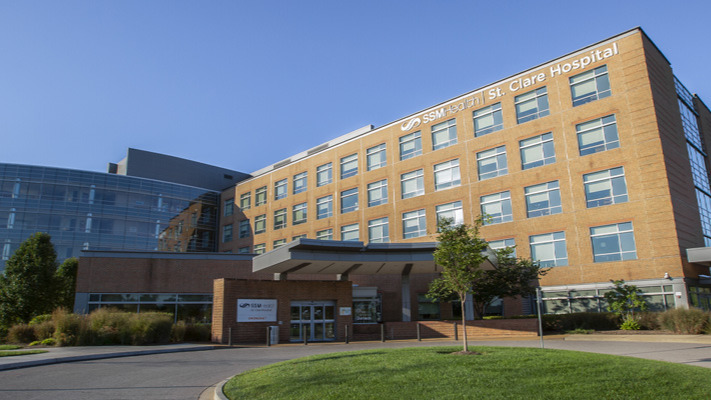
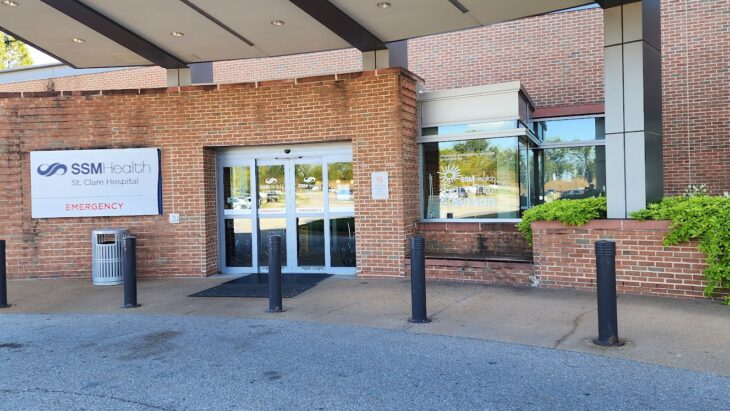
SSM Health St. Clare Hospital – Fenton

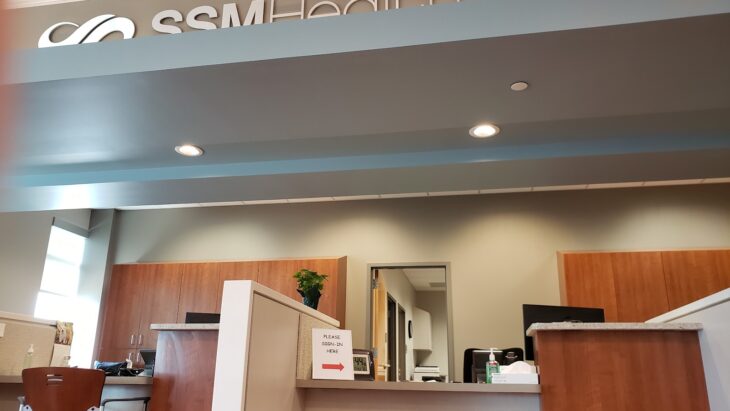

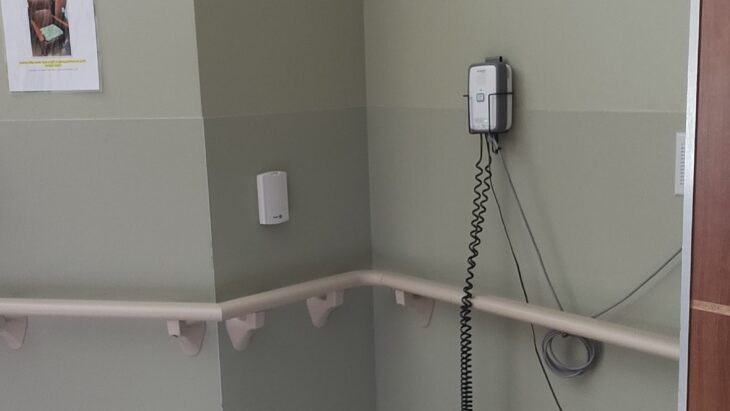
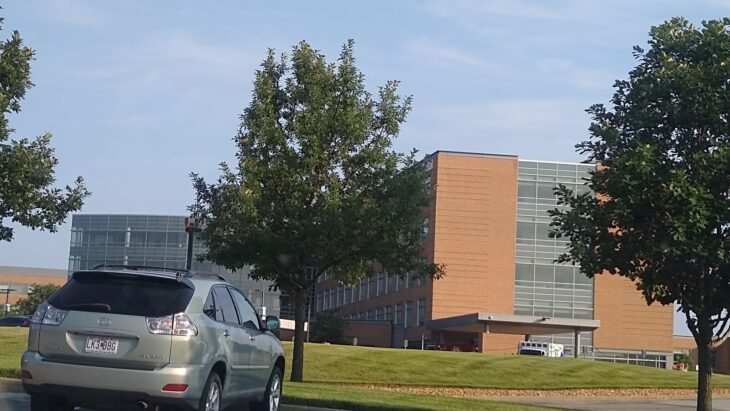
About SSM Health St. Clare Hospital – Fenton
SSM Health Saint Clare Hospital Fenton provides thorough medication assisted treatment (MAT) in Fenton, Missouri, for those with substance use disorders. Individualized rehabilitation programs can be found at this facility. These programs are created especially for people dealing with drug and alcohol addiction including opiate abuse. Their strategy responds to the increasing need for medically monitored addiction treatment.
The center offers services to adults who are 18 years of age and older. They focus on individualized care and treatment programs to meet the needs of each patient. Patients gain access to a strong therapeutic framework under the supervision of physicians and master’s level clinicians. Staff specialize in dual diagnosis to treat conditions like anxiety and depression.
Programs for outpatient rehabilitation enable people to receive treatment without having to put their lives on hold. The program’s adaptability makes them suitable for people who have a solid support network, a secure living arrangement and the motivation to change. Services include treatment for alcoholism and chemical addiction with an emphasis on the individual recovery process and the intricacies of each patient’s illness.
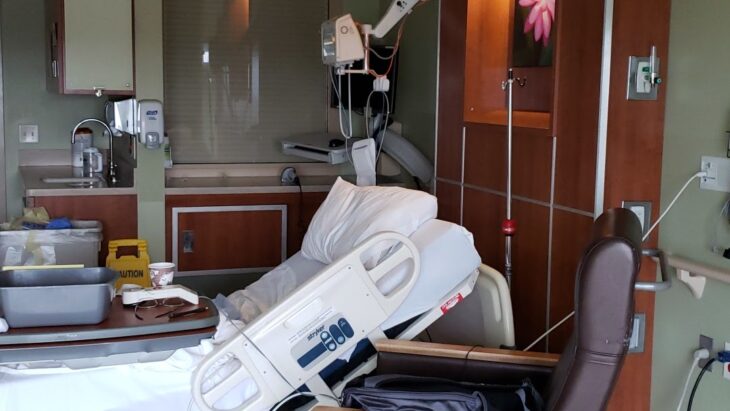
They also offer specialized treatment designed to meet the needs of adults who require medical help to manage alcohol and opiate withdrawal symptoms. Their stabilization program provides 24-hour medically supervised care and MAT. They also assist with transition planning and provide aftercare services to promote long term success. To ensure a thorough approach to recovery the team works with patients to provide the resources required for a fresh start.
| Levels of Care | Detox Service Setting | Programs | Payment Options | ||||
|---|---|---|---|---|---|---|---|
|
Inpatient
|
Outpatient
|
Aftercare programs provide ongoing support once you complete a rehab program. They may include several components to help you maintain sobriety, including therapy, community support groups, and relapse-prevention strategies. This gives you a network of resources as you reintegrate into your daily life. |
Dual Diagnosis
|
An intervention is a guided and structured conversation with an individual who is struggling with addiction. During the conversation, family and friends encourage the individual to seek treatment. This is often a pivotal step for those resistant to getting help. |
|||
|
Inpatient detox occurs in a dedicated treatment facility. You’ll live there around the clock and receive intensive medical support and supervision to help manage your withdrawal symptoms. It is suitable for individuals with moderate to severe addictions as it ensures a stable detox environment. |
Outpatient detox gives you access to medically supervised withdrawal services while still allowing you to live at home. You’ll attend a clinic for treatment and monitoring. This flexible option is suitable for those with mild to moderate withdrawal symptoms who have strong support systems. |
||||||
|
Patients 18 or older who have graduated from high school count as adults for SSM Health Behavioral Health services. |
Alcohol detox programs offer medical support to help individuals withdraw safely from alcohol. Your care team may use medications to ease your symptoms and provide medical monitoring to address complications.
|
Cognitive behavioral therapy focuses on changing harmful thought patterns and behaviors associated with addiction. You’ll learn healthier coping mechanisms by identifying and replacing negative thoughts. This improves your emotional resilience and decreases your relapse potential.
|
Men's programs address substance use while also considering the social pressures, family roles, and mental health concerns that are specific to men. You’ll learn healthy coping mechanisms as you build emotional resilience and develop communication skills.
|
Opioid detox uses medications to ease severe withdrawal symptoms. It also includes medical supervision to help you manage potential complications. These services allow you to stabilize and begin a recovery plan.
|
Senior programs address the unique needs of older adults such as isolation and chronic pain. Programs include peer support and medical oversight for age-related health concerns. The goal is to improve quality of life and promote sober aging.
|
Women's programs offer a safe and supportive space to focus on gender-specific issues such as trauma, family roles, and mental health conditions. Therapists tailor the sessions to address women's needs and foster empowerment in a healing and nurturing environment.
|
Young adult programs are designed for individuals who are transitioning into adulthood. Topics of discussion typically include identity, independence, and peer relationships. Providers may also offer life-skills training and career support.
|
|
Payment Assistance
|
Medicaid
|
Medicare
|
Military Insurance
|
Private Insurance
|
Self Pay
|
Levels of Care
Aftercare programs provide ongoing support once you complete a rehab program. They may include several components to help you maintain sobriety, including therapy, community support groups, and relapse-prevention strategies. This gives you a network of resources as you reintegrate into your daily life.
An intervention is a guided and structured conversation with an individual who is struggling with addiction. During the conversation, family and friends encourage the individual to seek treatment. This is often a pivotal step for those resistant to getting help.
Detox Service Setting
Inpatient detox occurs in a dedicated treatment facility. You’ll live there around the clock and receive intensive medical support and supervision to help manage your withdrawal symptoms. It is suitable for individuals with moderate to severe addictions as it ensures a stable detox environment.
Outpatient detox gives you access to medically supervised withdrawal services while still allowing you to live at home. You’ll attend a clinic for treatment and monitoring. This flexible option is suitable for those with mild to moderate withdrawal symptoms who have strong support systems.
Programs
Patients 18 or older who have graduated from high school count as adults for SSM Health Behavioral Health services.
Amenities
Accreditations

Accepted Insurance
Contact




Kerry Nenn is a full-time freelance writer and prize-winning author. She contributes regularly to addiction-recovery sites, international journal publications, and Christian ministries. Her published works include 10 books and myriad articles. Her work has received recognition both locally and nationally.
Detox.com regularly reviews this listing for accuracy but changes may occur between updates. For the most up-to-date information, please contact SSM Health St. Clare Hospital – Fenton.
Nearby Detox Centers
Search by Missouri Cities
FAQs
What levels of behavioral health care does the hospital offer?
SSM Health Behavioral Health offers outpatient group therapy. The Youth and Family Intensive Outpatient Program serves adolescents ages 11 to 18 with depression, anxiety or bipolar disorder. Substance use may be present as a secondary issue. For more on that overlap, see co-occurring disorders care. After IOP group psychotherapy, aftercare is group and individual psychotherapy.
Does SSM Health St. Clare Hospital have a campus bus stop?
Yes. The Fenton campus has a Metro Bus stop. SSM Health St. Clare Hospital serves southwest St. Louis County, and the stop sits on the campus itself. You can reach the campus on that Metro Bus.
Who counts as an adult for behavioral health services?
Patients who are 18 and have graduated from high school count as adults, and they are eligible for adult services at SSM Health Behavioral Health. That rule is how adult behavioral health services are defined there. The hospital serves southwest St. Louis County.
How often does the youth program meet for group therapy?
Group psychotherapy is held in the evening for three hours, three times a week. One session each week is a family group night. That is the group therapy schedule.