Find Drug & Alcohol Detox Centers in Cedar Rapids, IA

Detox Centers in Cedar Rapids

15 Results
Filters
Setting
Medications Offered
Treatment
Programs
Payment Options
Name Address Detox Service Setting Levels Of Care Media

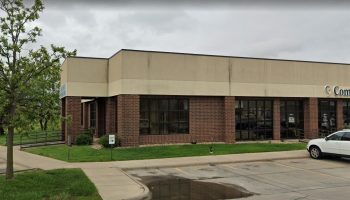
Cedar Rapids Comprehensive Treatment Center

5005 Bowling St SW Cedar Rapids, IA 52404
Detox Service Setting
Inpatient DetoxOutpatient Detox
Levels Of Care
InpatientOutpatient
Cedar Rapids Comprehensive Treatment Center

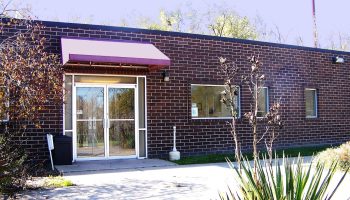
ASAC – Area Substance Abuse Council – Heart of Iowa

4050 Bowling Street SW Cedar Rapids, IA 52404
Detox Service Setting
Hospital DetoxInpatient DetoxOutpatient Detox+1
Levels Of Care
InpatientOutpatientAftercare+2

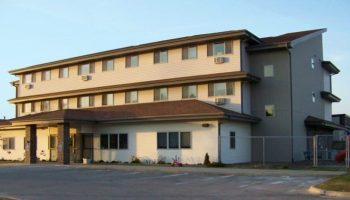
ASAC – Area Substance Abuse Council – Main Campus

3601 16th Avenue SW Cedar Rapids, IA 52404
Detox Service Setting
Hospital DetoxInpatient DetoxOutpatient Detox
Levels Of Care
InpatientOutpatientAftercare+2

ASAC – Area Substance Abuse Council – The Way Home

5480 Kirkwood Boulevard SW Suite 100 Cedar Rapids, IA 52404
Detox Service Setting
Hospital DetoxInpatient DetoxOutpatient Detox
Levels Of Care
InpatientOutpatientAftercare+2

Four Oaks Family and Children’s Services, Smith Center

5400 Kirkwood Blvd SW Cedar Rapids, IA 52404
Detox Service Setting
Levels Of Care

St. Lukes Hospital Cedar Rapids

1026 A Avenue Northeast Cedar Rapids, IA 52402
Detox Service Setting
Inpatient DetoxOutpatient Detox
Levels Of Care
InpatientOutpatientAftercare+2

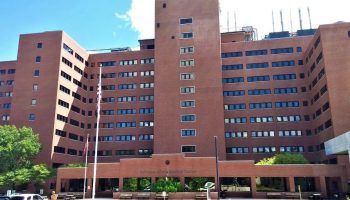
Iowa City VA Medical Center

601 Highway 6 West Iowa City, IA 52246
Detox Service Setting
Inpatient DetoxOutpatient DetoxMAT
Levels Of Care
InpatientPHPOutpatient+2
Iowa City VA Medical Center

Community and Family Resources

430 Southgate Avenue Iowa City, IA 52240
Detox Service Setting
Inpatient DetoxOutpatient Detox
Levels Of Care
InpatientOutpatientAftercare+2
Community and Family Resources

Community and Family Resources

430 Southgate Avenue Iowa City, IA 52240
Detox Service Setting
Outpatient DetoxMAT
Levels Of Care
OutpatientAftercareDual Diagnosis+3
Community and Family Resources

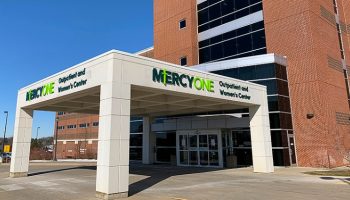
Mercyone Waterloo Horizons

3421 W 9th St Waterloo, IA 50702
Detox Service Setting
Inpatient DetoxOutpatient Detox
Levels Of Care
InpatientOutpatient
Mercyone Waterloo Horizons

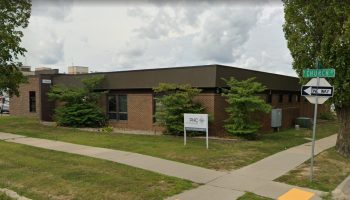
PHC Primary Health Care Medical Clinic Marshalltown

412 East Church Street Marshalltown, IA 50158
Detox Service Setting
Inpatient DetoxOutpatient Detox
Levels Of Care
InpatientOutpatientAftercare+3
PHC Primary Health Care Medical Clinic Marshalltown

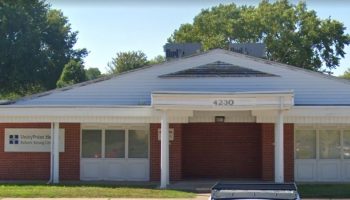
CADS Center for Alcohol and Drug Services Rock Island

4230 11th Street Rock Island, IL 61201
Detox Service Setting
Inpatient DetoxOutpatient Detox
Levels Of Care
InpatientOutpatientAftercare+1
CADS Center for Alcohol and Drug Services Rock Island

The Abbey Center

1401 Central Avenue Bettendorf, IA 52722
Detox Service Setting
Inpatient DetoxOutpatient Detox
Levels Of Care
InpatientOutpatientAftercare+2
The Abbey Center

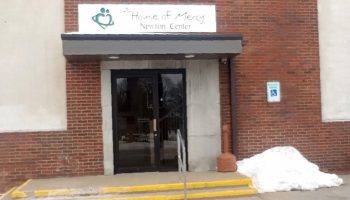
House of Mercy

200 North 8th Avenue East Newton, IA 50208
Detox Service Setting
Outpatient Detox
Levels Of Care
OutpatientAftercareDual Diagnosis
House of Mercy

Primary Health Care Medical – East Side

3509 East 29th Street Des Moines, IA 50317
Detox Service Setting
Inpatient DetoxOutpatient DetoxMAT
Levels Of Care
InpatientOutpatientAftercare+3
Primary Health Care Medical – East Side

Drug & Alcohol Detox in Cedar Rapids, IA

Cedar Rapids sits in Linn County, which has become one of eastern Iowa’s most active areas for addiction treatment investment and overdose response. Residential and inpatient capacity in Cedar Rapids is limited relative to demand, and wait lists are common for higher levels of care.

Linn County’s substance use picture has a local character that matters when choosing a program. Opioids, including illicit fentanyl, remain the primary driver of overdose fatalities in the county, even as methamphetamine has surpassed opioids statewide as the leading cause of overdose deaths in Iowa.

People seeking immediate placement may be directed toward outpatient services or offered bridge care while waiting for a residential bed. The Linn County Mental Health Access Center on 13th Street NW operates around the clock and can connect adults experiencing a substance use crisis with same-day triage and referrals.

In 2024, Linn County deployed $150,000 from its share of national opioid settlement funds to install seven naloxone vending machines at public sites across the county. A second round of state-level opioid settlement spending, totaling $29 million appropriated by the Iowa Legislature in 2025, is directed toward treatment infrastructure, MAT access in underserved areas, and recovery community center development, all of which will benefit Cedar Rapids-area residents in the coming years.

All drug and alcohol detox facilities operating in the city must hold a license from the Iowa Department of Health and Human Services (Iowa HHS), Division of Behavioral Health, under Iowa Code Chapter 125. Programs are authorized for specific levels of care, from outpatient services and medically managed inpatient detox to opioid treatment programs, and the state requires renewal of these licenses on a one-to-three-year cycle.

Many facilities also carry national accreditation from the Commission on Accreditation of Rehabilitation Facilities (CARF), which signals adherence to a higher standard of clinical quality beyond the state’s baseline licensing requirements.


Paying for Detox in Cedar Rapids

Understanding the cost of detox in Cedar Rapids is a priority. Costs vary widely by level of care, facility type and individual medical need, but financial pathways exist for most situations.

How Much Does Detox Cost in Cedar Rapids?

Detox costs in Iowa vary by treatment setting, length of stay and clinical complexity. Many people reduce out-of-pocket costs substantially through insurance, Medicaid or local assistance programs. The figures below reflect general Iowa market ranges, as Cedar Rapids-area costs track closely with state averages.

Around $1,500 to $6,500 per week
Medical Detox
Around $500 to $2,000 per day without insurance (residential)
Inpatient Rehab
Around $250 to $700 per week
Outpatient Rehab
Around $300 to $600 per month (outpatient medication and counseling)
Methadone Treatment

Medicare and Medicaid in Cedar Rapids

Medicare

Medicare covers medically necessary inpatient and outpatient detox in Cedar Rapids, including opioid treatment program services such as methadone, buprenorphine and naltrexone under Part B. Copays and deductibles depend on the treatment setting and your specific plan.

Medicaid

Iowa Medicaid operates through the IA Health Link managed care program, administered by three managed care organizations: Iowa Total Care (Centene), Molina Healthcare, and Elevance/Amerigroup Iowa. IA Health Link covers detox, residential treatment, outpatient services and medication-assisted treatment for qualifying low-income residents. Some MAT services, including buprenorphine and naltrexone, are also available through Medicaid fee-for-service for members not enrolled in managed care.

Other Ways to Pay for Detox Treatment

Cost should not stand between someone and care. Cedar Rapids residents without private insurance have several concrete options:

Sliding Scale Payment

Several Cedar Rapids facilities adjust fees based on income. Still Waters Recovery and Wellness, for example, offers session rates as low as $20 for income-qualifying patients.

State-Funded Program

The Substance Abuse Prevention and Treatment (SAPT) Block Grant funds community-based SUD services across Iowa. Facilities that contract with Iowa HHS for treatment services receive state funding, which allows them to serve patients at reduced or no cost, depending on eligibility.

Nonprofit and Charity Care

CARF-accredited nonprofits in the Cedar Rapids area, including House of Mercy, accept Medicaid and Medicare and provide SUD treatment on a charitable care basis. These organizations prioritize access regardless of ability to pay.

Veterans Programs

TRICARE covers detox and MAT for active-duty military and their dependents. Iowa veterans may also access treatment through the Iowa City VA Health Care System, which serves the eastern Iowa region, including Cedar Rapids.

Opioid Settlement Funds

Iowa’s 2025 opioid settlement appropriation includes infrastructure funding for MAT access in underserved areas. Linn County’s separate $150,000 settlement allocation has already been directed to harm reduction programming, and additional county-level disbursements for treatment access are expected as the settlement framework matures.

Cedar Rapids, Iowa Regulations and Accreditation for Detox

Primary regulatory and accreditation bodies overseeing detox and substance use treatment in Cedar Rapids and Iowa include:

Iowa HHS, Division of Behavioral Health

The state’s primary licensing authority for all substance use disorder and problem gambling treatment programs. Under Iowa Code Chapter 125 and Iowa Administrative Code 641, Chapter 155, any facility providing detox, residential, outpatient or opioid treatment services must hold a current license from this division. The Division issues and renews program licenses, conducts compliance monitoring and authorizes specific levels of care a facility may provide. Learn more at hhs.iowa.gov.

Iowa Commission on Substance Abuse

Now functioning within Iowa HHS following the 2023 government realignment under Senate File 514, the Iowa Commission on Substance Abuse retains formal authority under Iowa Code Chapter 125 as the granting body for SUD program licenses. Its oversight role encompasses the full range of licensed services, from assessment-only programs through medically managed inpatient detox. Learn more at hhs.iowa.gov.

Commission on Accreditation of Rehabilitation Facilities (CARF)

A national independent accreditation body. CARF accreditation requires programs to meet rigorous standards for clinical quality, patient rights and organizational management. It is not a state licensing requirement, but many Iowa HHS-contracted providers pursue it as a mark of quality assurance. Cedar Rapids Treatment Center is among the locally operating CARF-accredited programs. Learn more at carf.org.

SAMHSA (for Opioid Treatment Programs)

Federal law requires that any program dispensing methadone for opioid use disorder be a SAMHSA-certified Opioid Treatment Program (OTP). Certification requires approval from a SAMHSA-recognized accreditation body, DEA registration, and ongoing compliance with 42 CFR Part 8. OTPs in Cedar Rapids must maintain this federal certification in addition to their Iowa HHS state license. Learn more at samhsa.gov.

Key MAT Medications and Regulatory Status in Cedar Rapids

Medication-assisted treatment in Cedar Rapids is governed by both federal and state-level rules. Iowa HHS licenses MAT providers and requires that counseling and behavioral therapy be integrated components of care. For opioid use disorder specifically, federal SAMHSA and DEA regulations apply to controlled substances used in treatment. Iowa Medicaid (IA Health Link) covers all three major MAT medications, though coverage pathways differ by drug.

Buprenorphine

Available through IA Health Link managed care for most members, and through Medicaid fee-for-service for others. Prescribers are no longer required to hold a separate waiver under federal rules updated in 2023, increasing access at primary care offices and outpatient clinics. Telehealth initiation of buprenorphine is permitted in Iowa, making it accessible even without in-person visits.

Methadone

Restricted to SAMHSA-certified Opioid Treatment Programs. Patients must report in person, typically daily during early treatment. Cedar Rapids has OTP-certified providers that dispense methadone, and IA Health Link covers methadone through contracted OTP facilities.

Naltrexone

No special facility certification is required to prescribe naltrexone. The injectable form, Vivitrol, is covered by Iowa Medicaid and is commonly used in Cedar Rapids for both opioid use disorder and alcohol use disorder, including in correctional and legal diversion settings.

Overdose Prevention and Harm Reduction in Cedar Rapids

Cedar Rapids has built a practical harm reduction infrastructure anchored by community organizations, Linn County Public Health and opioid settlement funding. The focus has centered on naloxone access and syringe services, two interventions with strong evidence for reducing overdose mortality.

While opioids remain the leading cause of overdose fatalities in Linn County, a growing share of supply involves fentanyl contamination across multiple drug types, making naloxone availability relevant beyond opioid use alone.

Iowa Harm Reduction Coalition (IHRC)

Syringe exchange and disposal Naloxone distribution and education HIV and hepatitis C rapid testing MAT linkage coordination Overdose education and a hotline (319-214-0540)

IHRC operates directly in Cedar Rapids as one of its five Iowa service areas. The organization runs community outreach, syringe services and free HIV and HCV screening, and also provides case management for people who want to connect to buprenorphine or other MAT. Their MAT Linkage Coordinator is based in Cedar Rapids and works with local hospitals and clinical partners. iowaharmreductioncoalition.org

CRUSH of Iowa Recovery Community Center

Naloxone distribution (on-site and vending machine) Peer recovery support Overdose education and prevention training Referrals to treatment programs

CRUSH was founded in Cedar Rapids after a family lost their son to an overdose in 2016. The recovery community center at 317 7th Ave SE provides peer-led support and free naloxone to anyone who needs it. The CRUSH vending machine has been restocked four times in a single year due to demand, reflecting the volume of people the organization reaches. crushofiowa.com

Linn County Public Health Naloxone Vending Machines

Free naloxone (Narcan) nasal spray Fentanyl test strips Wound care kits and other harm reduction supplies Sharps containers

In June 2024, Linn County used $150,000 in opioid settlement funds to install seven naloxone vending machines at sites across the county, including the Linn County Mental Health Access Center, the CRUSH Recovery Community Center and public libraries in Hiawatha and Marion. Machines are stocked quarterly and available 24/7 at no cost. linncountyiowa.gov

Linn County Mental Health Access Center

24/7 walk-in substance use crisis triage Peer support services Referrals to detox and residential treatment Co-located naloxone vending

The Mental Health Access Center at 501 13th St. NW in Cedar Rapids accepts walk-ins at any hour and provides immediate triage for adults experiencing a substance use crisis. It offers a no-barrier access point for people who need help connecting to detox or stabilization services without going through an emergency department. linncountyiowa.gov

Detox Statistics in Cedar Rapids, Iowa

Linn County has seen measurable progress in reducing overdose deaths over the past several years, largely tied to expanded naloxone access, opioid settlement investment and community-based outreach. The data below reflects the most recent available figures from local, state and federal sources.

Overdose Deaths Down Sharply in Linn County

Linn County overdose deaths fell from 27 in 2023 to 11 as of August 2024, continuing a downward trend since 2022. Source: Linn County Public Health Overdose Data Report, 2024.

51 Overdose Responses in Cedar Rapids in 2025

The Cedar Rapids Police Department responded to 51 overdose incidents in 2025; three resulted in death, down from higher prior-year averages. Source: The Gazette, April 2026.

Methamphetamine Now Iowa's Top Overdose Killer

Psychostimulants, primarily methamphetamine, surpassed opioids as the leading cause of overdose deaths statewide in Iowa in 2024 and have held that position since, according to CDC data and Iowa HHS. Source: KCRG-TV and Iowa HHS, March 2026.

FAQs About Detox in Cedar Rapids, IA

How do I access low-cost or state-funded detox in Cedar Rapids if I do not have insurance?

Start by contacting the Linn County Mental Health Access Center at 501 13th St. NW, which provides 24/7 triage and can connect you with income-based programs and state-funded slots. Facilities that contract with Iowa HHS are required to serve patients on a sliding fee basis when state grant funds are available. Have proof of Iowa residency and income documentation ready to speed up eligibility screening.

Does Iowa Medicaid cover inpatient detox and MAT?

Yes. Iowa Medicaid through IA Health Link covers medically managed inpatient detox, residential treatment, outpatient services and all three major MAT medications: buprenorphine, methadone, and naltrexone. Coverage is available through the three managed care organizations operating in Iowa, and some MAT services are also covered through Medicaid fee-for-service. Facilities must be enrolled as Iowa HHS-licensed providers to bill Medicaid.

Are there residential (inpatient) detox beds available in Cedar Rapids?

Residential and inpatient capacity is limited in Cedar Rapids relative to demand, and wait lists are common. There are five inpatient-level programs and three dedicated detox facilities in or near the city. If a residential bed is not immediately available, facilities can offer bridge care and outpatient services while you wait, or refer you to programs in nearby communities, so calling multiple facilities on the same day improves your chances of faster placement.

Does Iowa have a Good Samaritan law that applies to overdoses?

Yes. Iowa Code Section 124.411 provides limited civil and criminal immunity to individuals who call 911 for an overdose emergency in good faith. The law is intended to remove fear of arrest as a barrier to calling for help. It does not protect against all charges, and its scope has specific conditions, so consulting an attorney for questions about individual circumstances is advisable.

What should I know about detoxing from methamphetamine versus opioids in Cedar Rapids?

Opioid withdrawal is managed with specific FDA-approved medications (buprenorphine, methadone, naltrexone) that reduce physical symptoms and cravings. Methamphetamine withdrawal does not currently have FDA-approved medications and is managed primarily with supportive care, sleep, nutrition and behavioral therapy. Both require professional supervision. In Linn County, opioids remain the primary driver of overdose deaths locally, even as meth has surpassed opioids statewide, so providers here maintain strong protocols for both.

What happens after detox in Cedar Rapids?

Detox addresses physical stabilization but is not a standalone treatment for substance use disorder. After detox, most people transition into ongoing care, which may include inpatient residential treatment, an intensive outpatient program, sober living, ongoing MAT or some combination. CRUSH of Iowa and the Linn County Mental Health Access Center both offer peer support and referrals to help people connect to the next level of care. Learning about aftercare planning before you complete detox makes a meaningful difference in long-term outcomes.

Two people talking
Get Help Today!
If you or a loved one is in need of help, call today. Pick up the phone and get the help you need.
800-483-2193
Confidential. Available 24 Hours
Get Help Today Phone icon 800-779-4314