804-250-5432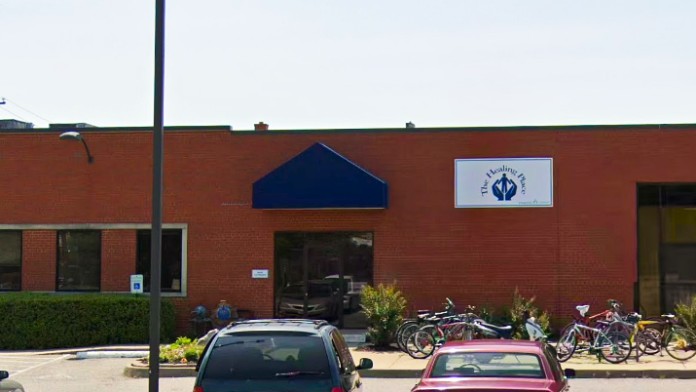
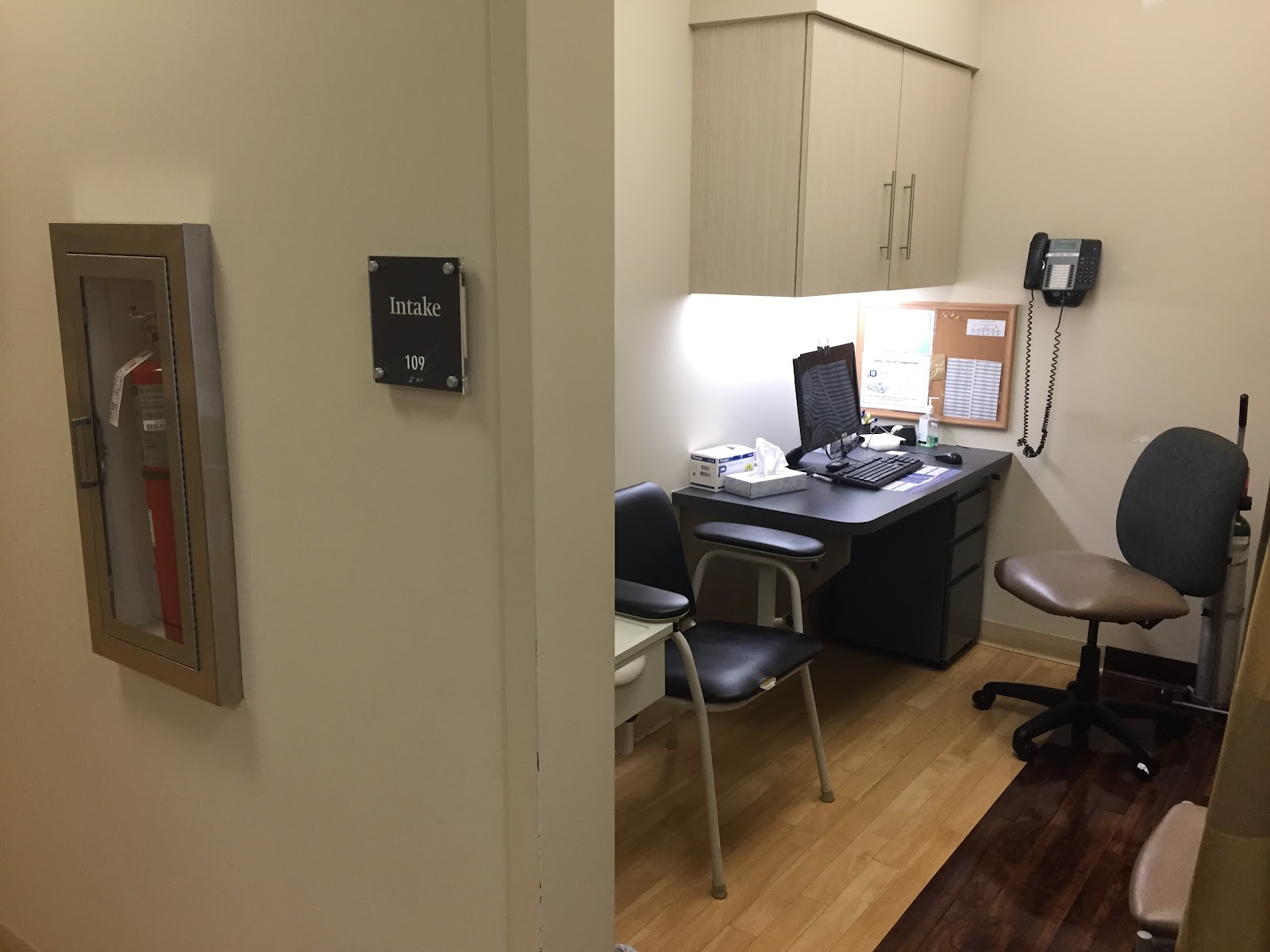
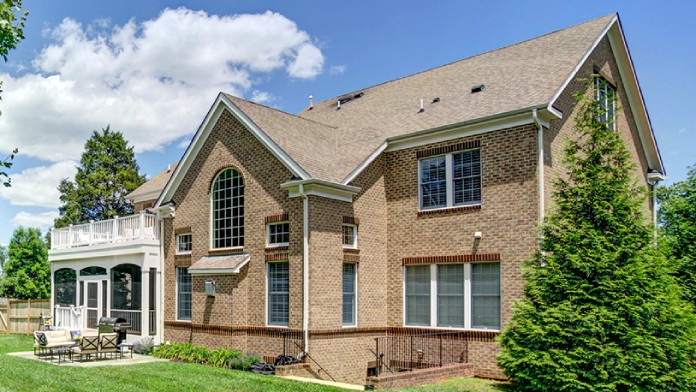
The CARITAS Healing Place for Men
Richmond, VA
23224
Search Richmond detox centers. There are 14 inpatient detox, 14 outpatient, and 6 medication assisted detox centers in Richmond. Explore treatment options for alcohol, opiate, or prescription drug addiction and begin healing today.


| Name | Address | Detox Service Setting | Levels Of Care | Media |
|---|---|---|---|---|
FCCR Southlake |
905 Southlake Boulevard Richmond, VA 23236 |
Detox Service Setting
Outpatient DetoxMAT
|
Levels Of Care
OutpatientAftercareIntensive Outpatient
|
|
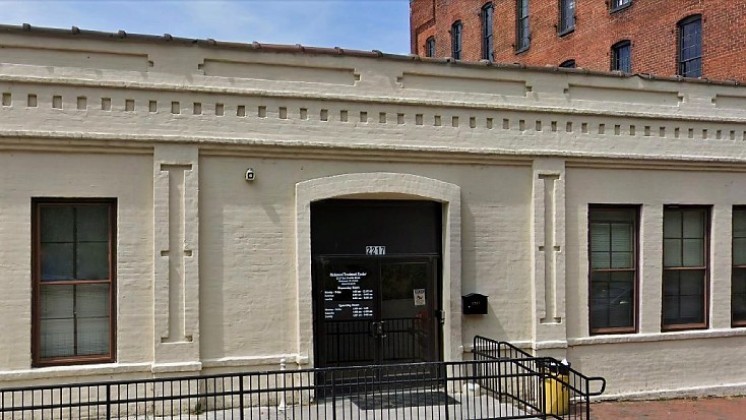
New Season Richmond Treatment Center |
2217 East Franklin Street Richmond, VA 23223 |
Detox Service Setting
Outpatient Detox
|
Levels Of Care
Outpatient
|
|
Rbha |
1700 Front Street Richmond, VA 23222 |
Detox Service Setting
Inpatient DetoxMAT
|
Levels Of Care
Outpatient
|

|
Southside Treatment Center |
9609 Jefferson Davis Highway Richmond, VA 23237 |
Detox Service Setting
Outpatient DetoxMAT
|
Levels Of Care
OutpatientDual DiagnosisAftercare
|

|
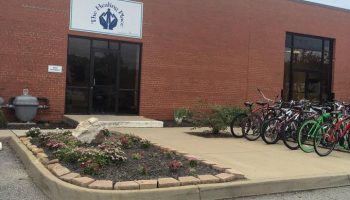
The CARITAS Healing Place for Men |
700 Dinwiddie Avenue Richmond, VA 23224 |
Detox Service Setting
Inpatient DetoxMAT
|
Levels Of Care
InpatientAftercareIntervention
|
|
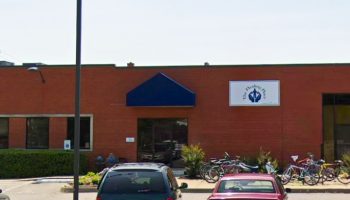
The CARITAS Healing Place for Men |
700 Dinwiddie Ave Richmond, VA 23224 |
Detox Service Setting
Inpatient DetoxOutpatient Detox
|
Levels Of Care
InpatientOutpatient
|
|
True Recovery RVA |
2604 North Parham Road Richmond, VA 23294 |
Detox Service Setting
Inpatient DetoxOutpatient Detox
|
Levels Of Care
InpatientOutpatientIntensive Outpatient+1
|

|
Archstone Counseling & Treatment |
1007 Peachtree Boulevard Richmond, VA 23226 |
Detox Service Setting
Inpatient DetoxOutpatient DetoxMAT
|
Levels Of Care
InpatientOutpatientDual Diagnosis+1
|
|
Avalon Recovery House |
4115 Sprenkle Ln Richmond, VA 23228 |
Detox Service Setting
Hospital DetoxInpatient DetoxOutpatient Detox+1
|
Levels Of Care
InpatientOutpatient
|
|
Broad Highway Recovery Interventions |
5706 Jasonwood Ct Richmond, VA 23225 |
Detox Service Setting
Hospital DetoxInpatient DetoxOutpatient Detox
|
Levels Of Care
InpatientOutpatientDual Diagnosis+3
|
|
Dominion Care |
1640 E Parham Rd Richmond, VA 23228 |
Detox Service Setting
Outpatient DetoxMAT
|
Levels Of Care
OutpatientDual DiagnosisPHP+2
|
|
Family Counseling Center for Recovery |
4906 Radford Avenue Richmond, VA 23230 |
Detox Service Setting
|
Levels Of Care
|
|
Leesburg Treatment Services – Closed |
681 Hioaks Rd Richmond, VA 23225 |
Detox Service Setting
Inpatient DetoxOutpatient Detox
|
Levels Of Care
InpatientOutpatient
|
|
Metro Treatment of Virginia LP |
2217 East Franklin Street Richmond, VA 23223 |
Detox Service Setting
Inpatient DetoxOutpatient DetoxMAT
|
Levels Of Care
InpatientOutpatient
|
|
Parham Doctors’ Hospital |
7700 E Parham Rd Richmond, VA 23294 |
Detox Service Setting
Inpatient DetoxOutpatient Detox
|
Levels Of Care
InpatientOutpatient
|
|
Pinnacle Treatment Services of Richmond |
155 Wadsworth Drive Richmond, VA 23236 |
Detox Service Setting
Inpatient DetoxOutpatient DetoxMAT
|
Levels Of Care
InpatientOutpatient
|
|
RPMC – Richmond Private Methadone Clinic |
4926 West Broad Street Richmond, VA 23230 |
Detox Service Setting
Outpatient DetoxMAT
|
Levels Of Care
OutpatientPHPDual Diagnosis+1
|
|
Rubicon Men’s Treatment |
1700 Front St Richmond, VA 23222 |
Detox Service Setting
Inpatient DetoxOutpatient Detox
|
Levels Of Care
InpatientOutpatient
|
|
Rubicon Womens Treatment Community |
2825 Rady Street Richmond, VA 23222 |
Detox Service Setting
Inpatient Detox
|
Levels Of Care
InpatientDual Diagnosis
|
|
Tucker Pavilion |
7101 Jahnke Road Richmond, VA 23225 |
Detox Service Setting
Hospital DetoxInpatient DetoxOutpatient Detox
|
Levels Of Care
InpatientOutpatientPHP+3
|
Richmond has a complex and evolving detox landscape shaped by one of the highest opioid overdose rates in Virginia. The Virginia Department of Behavioral Health and Developmental Services (DBHDS) licenses and oversees all substance use disorder treatment facilities in the state, including detox programs in Richmond.
Locally, the Richmond Behavioral Health Authority (RBHA) serves as the primary public access point for residents without private insurance, operating multiple gender-specific residential and outpatient programs across the city. Richmond’s detox environment has several features worth knowing before you search for a program.
The city has established a “Spike Alert” system, an early warning program managed through the Richmond Opioid Task Force (ROTF) that notifies emergency services and community providers when sudden increases in overdose incidents occur. This allows resources to be redirected quickly in response to shifts in the local drug supply, which has been heavily dominated by fentanyl and fentanyl-laced substances.
Virginia’s Good Samaritan law also protects individuals who call for help during a drug-related emergency from prosecution for drug possession, reducing a key barrier to seeking care. Finding care in Richmond often means navigating a mix of private facilities and publicly funded options. RBHA programs are available on a sliding scale or at no cost for eligible Richmond residents.
Private and hospital-based facilities, including VCU Medical Center, provide higher-acuity medical detox for complex or co-occurring medical conditions. When choosing a detox center, patients and families should ask specifically about fentanyl-informed withdrawal protocols, MAT availability, and whether the facility has on-site psychiatric support, as co-occurring mental health conditions are common among people seeking detox in Richmond.
Understanding the cost of detox in Richmond is a practical first step, and how much you pay out of pocket depends heavily on your insurance coverage, the level of care required, and whether you use a public or private provider.
Costs in Richmond vary by care setting, medical complexity, length of stay, and whether substances like fentanyl require more intensive monitoring. Medically managed hospital detox carries the highest price tag due to 24-hour nursing and physician oversight. Outpatient and MAT programs are substantially more accessible for patients managing withdrawal with moderate support needs. Many people reduce out-of-pocket expenses through Virginia Medicaid, private insurance, or publicly funded programs through RBHA.
Private insurance companies operating in Virginia must comply with the Affordable Care Act, which requires mental health and substance use disorder treatment benefits to be covered at parity with other medical services.
The Virginia Bureau of Insurance, a division of the State Corporation Commission, oversees insurer compliance in the state. Richmond residents can check plan coverage and network status through Virginia’s state insurance marketplace. The most common commercial insurance carriers serving Richmond include:


Medicare covers inpatient and outpatient detox in Richmond, including medically supervised withdrawal management at hospital and residential levels of care. Part B covers opioid treatment program services, including methadone and buprenorphine when provided through a certified opioid treatment program (OTP). Copays and deductibles vary depending on the plan and care setting.
Virginia Medicaid, officially branded as Cardinal Care and administered by the Department of Medical Assistance Services (DMAS), covers a full continuum of detox and SUD treatment services through the Addiction and Recovery Treatment Services (ARTS) benefit. ARTS covers inpatient detox, residential treatment, outpatient services, peer recovery support, and MAT for qualifying low-income residents. Prior authorization may be required, depending on the managed care organization. Copays are minimal, typically $1 to $3 per service.
Do not let cost prevent you from getting detox care in Richmond. Several local and state-funded options exist outside of private insurance:

Richmond Behavioral Health Authority (RBHA) accepts Medicaid, Medicare, and offers sliding-scale fees for uninsured Richmond city residents. Their North Campus in Highland Park provides medically supervised detox, short- and long-term residential care, and intensive outpatient services.
The McShin Foundation, a peer-led recovery community organization based in Richmond, accepts self-pay on a grant and scholarship basis. McShin partners with local physicians for medical detox referrals and offers residential and outpatient recovery programs for adults regardless of financial status.
The Virginia Opioid Abatement Authority (OAA) distributes settlement funds to Richmond-area providers for evidence-based overdose prevention, treatment, and recovery programs. In 2023, the City of Richmond released $600,000 through an RFA to fund local organizations serving Richmond residents.
The Hunter Holmes McGuire VA Medical Center on Broad Rock Boulevard in Richmond provides comprehensive substance use disorder treatment services, including medically supervised detox and MAT, for eligible veterans at no cost.
Here are the key regulatory and accreditation bodies that oversee detox and withdrawal management services in Richmond and Virginia:
The primary state licensing authority for all substance use disorder treatment facilities in Virginia, including detox programs operating in Richmond. DBHDS issues licenses, monitors compliance with 12VAC35-105 (Rules and Regulations for Licensing Providers), and funds community-based SUD services through Community Services Boards statewide. Residential SUD facilities must also obtain ASAM Level of Care certification through a DMAS-contracted vendor.
DMAS administers Virginia Medicaid (Cardinal Care) and the ARTS benefit, which sets Medicaid certification requirements for detox and SUD treatment providers in Richmond. Facilities serving Medicaid recipients must meet ASAM criteria and comply with DMAS billing and quality standards. DMAS also contracts with Managed Care Organizations to coordinate ARTS benefits delivery.
RBHA is the designated Community Services Board for the City of Richmond. As the public access point for behavioral health services in Richmond, RBHA is the first point of contact for many uninsured or Medicaid-enrolled residents seeking detox. It operates under a performance contract with DBHDS and is subject to the same state licensing standards as private providers.
RHHD is the local public health authority for the City of Richmond and Henrico County. Through its substance use disorder and opioid response programs, RHHD conducts epidemiological surveillance of overdose trends, coordinates the Spike Alert early warning system, and distributes naloxone through rapid training programs. RHHD data informs how DBHDS and RBHA allocate treatment resources locally.
Medication-assisted treatment in Richmond is regulated at both the federal and state levels, with DBHDS and DMAS overseeing licensed providers. In April 2024, SAMHSA updated federal Opioid Treatment Program regulations under 42 CFR Part 8, and DBHDS subsequently aligned Virginia’s licensing regulations with those federal changes while incorporating several more protective state-level requirements.
Widely available in Richmond through OTPs, outpatient clinics, and telehealth providers. Following the elimination of the federal X-waiver requirement in 2023, any DEA-registered prescriber can now initiate buprenorphine treatment. Virginia regulations require that the buprenorphine/naloxone combination product be prescribed for off-site use except in specific clinical circumstances, and the Virginia Prescription Monitoring Program must be checked before initiation and at least quarterly.
Restricted to certified Opioid Treatment Programs under federal and Virginia regulations. In Richmond, OTPs include Broad Street CTC and the Richmond Treatment Center. Daily supervised dosing is required at program initiation; take-home doses require documented clinical criteria. Virginia Medicaid covers methadone within OTPs under the ARTS benefit.
Unrestricted and non-controlled, naltrexone requires no special licensing and can be prescribed in any clinical setting. The injectable extended-release formulation (Vivitrol) is widely used in Richmond for both opioid and alcohol use disorders and is covered under Virginia Medicaid.
Richmond has built a multi-layered harm reduction network that grew substantially in response to the city’s fentanyl-driven overdose crisis. The Richmond Opioid Task Force, Richmond City Health District, and a network of community organizations collaborate to make naloxone, syringe services, and drug checking tools available across the city.
These programs are a critical bridge to care: they meet people where they are and often serve as the first point of contact before someone enters formal fentanyl detox or treatment.
Health Brigade operates multiple fixed and mobile syringe exchange sites across Richmond, including the West End clinic and mobile stops in Church Hill, Northside, and Southside neighborhoods. Their program is need-based and operates without requiring ID for enrollment, reducing barriers for people who may avoid services due to stigma or legal concerns.
River City Harm Redux is a grassroots organization offering free, on-demand harm reduction supplies via phone, text, or DM. Unlike fixed-site programs, their model provides immediate access without requiring someone to travel to a specific location, making it especially valuable for people outside the city core or in acute need.
Launched in early 2024 and expanded in 2026 from three to six units with funding from the Virginia Opioid Abatement Authority, Richmond’s harm reduction vending machines are sited at public library branches across the city, including North Avenue, Broad Rock, Ginter Park, and Marshall Plaza. The machines provide anonymous, around-the-clock access without any interaction with staff or program enrollment.
RHHD operates the Rapid REVIVE! program, which allows Richmond residents to complete a seven-minute overdose recognition and response training online and receive free naloxone without an in-person visit. The program also operates the Spike Alert system, which notifies emergency services and community providers when a cluster of overdoses signals a potentially dangerous shift in the local drug supply.
Richmond consistently ranked among Virginia localities with the highest per-capita opioid overdose death rates from 2019 through 2023, driven by a fentanyl-saturated drug supply. Recent data shows meaningful declines in 2024, though community providers caution that the progress depends on continued investment in harm reduction and treatment access.
Richmond City recorded approximately 297 total drug overdose deaths in 2023 according to the Virginia Department of Health’s Office of the Chief Medical Examiner, making it one of the highest-burden localities in the state.
Approximately 90 to 91% of overdose deaths in Richmond involved fentanyl or similar synthetic opioids, according to available VDH and OCME data covering 2021 through 2023.
Virginia recorded 1,548 drug overdose deaths in 2024, a 37% decrease from 2023, with fentanyl-involved deaths falling 44% statewide. Virginia ranked as having the second-largest decline in overdose deaths in the country that year.
The Richmond Behavioral Health Authority (RBHA) is the primary access point for uninsured Richmond residents. RBHA offers medically supervised detox, residential care, and outpatient services on a sliding-scale basis. Call 211 to be connected with Virginia’s social services hotline, which can help identify additional publicly funded detox programs based on your specific situation.
Yes. Virginia’s Good Samaritan law provides limited protection from prosecution for drug possession to both the person experiencing an overdose and the person who calls for help. The protection applies when someone in good faith calls 911 or seeks medical attention. It does not cover all drug-related offenses, so speaking with a legal aid organization is advisable for more specific guidance.
In most cases, yes. Following federal regulatory changes in 2023 that eliminated the X-waiver requirement, Richmond-area providers, including SaVida Health and other outpatient MAT clinics, can initiate buprenorphine treatment through telehealth in many circumstances. Virginia regulations still require at least one in-person counseling session monthly during the first year of treatment, but initial prescribing access has expanded. Contact the Richmond Behavioral Health Authority or your primary care provider to discuss current telehealth options for opioid use disorder.
RBHA operates as the city’s public safety-net provider, funded through a DBHDS performance contract and serving residents regardless of ability to pay. Private detox centers in Richmond typically offer more amenities, faster admission timelines, and a broader range of insurance options, but have higher out-of-pocket costs for uninsured individuals. For residents with Medicaid, both public and many private providers accept inpatient detox coverage through Virginia’s ARTS benefit.
Yes. The Hunter Holmes McGuire VA Medical Center on Broad Rock Boulevard in Richmond provides substance use disorder treatment, including medically supervised withdrawal management and MAT, to eligible veterans at no cost. The Virginia Department of Veterans Services also maintains a local benefits office and can connect veterans to the VA system or community-based SUD providers accepting TRICARE.
You can use the DBHDS Provider Search System at dbhds.virginia.gov to verify whether a facility holds a current license. All legal detox and SUD treatment providers in Virginia are required to hold a DBHDS license under 12VAC35-105. Checking a facility’s license status before admission is a straightforward way to confirm it meets minimum state clinical and safety standards.