800-262-4205
The Lexington Center for Opioid Dependence


About The Lexington Center for Opioid Dependence
The Lexington Center for Opioid Dependence is an outpatient addiction treatment provider in Lexington, Kentucky, specializing in medication assisted treatment for opioid addiction. The center combines a Medication Maintenance Therapy Program with counseling, group therapy and telemedicine follow ups to support recovery from prescription painkillers, heroin and other opioids. Clients appreciate that the doctors listen carefully and treat each person with respect, not as a number.
Outpatient Medication Assisted Treatment Paired with Group Therapy
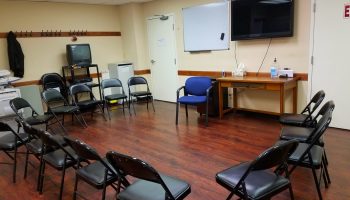
The center provides outpatient medication assisted treatment (MAT) that includes opioid replacement therapy and anti craving medication, paired with weekly group therapy and educational counseling about addiction and recovery. After an intake assessment and physician evaluation, each client receives an individualized recovery plan. Referrals to individual therapy, family therapy and mutual support groups like AA and NA are also available.
Treatment for Adults Addicted to Opioids
The Lexington Center treats adults struggling with opioid dependence, including those addicted to prescription pain medications, heroin, or suboxone. The physicians are board certified by the American Board of Addiction Medicine, which means they have specialized training to manage more complex addiction cases.
The center accepts private insurance and self pay. Payment is required in full at each visit, with no exceptions noted on their site. Your first visit includes a medical history review, psychosocial assessment and urine drug screen at the Lexington office on Professional Heights Drive.
After that initial in person appointment, many follow ups can be completed by telemedicine, with prescriptions sent to a pharmacy near you and drug testing kits provided for remote check ins.
| Levels of Care | Detox Service Setting | Programs | Payment Options |
|---|---|---|---|
|
Inpatient and residential programs provide round-the-clock medical and emotional support as you live at the treatment facility. This level of care may be recommended if you have severe addictions or mental health conditions since it removes outside distractions and allows you to focus solely on therapy. |
In outpatient therapy, you’ll attend therapy sessions several times each week while living at home. This is ideal if you have a strong support system and a lower risk of relapse. Outpatient treatment offers flexibility to maintain work, school or family obligations. |
||
|
Inpatient detox occurs in a dedicated treatment facility. You’ll live there around the clock and receive intensive medical support and supervision to help manage your withdrawal symptoms. It is suitable for individuals with moderate to severe addictions as it ensures a stable detox environment. |
Outpatient detox gives you access to medically supervised withdrawal services while still allowing you to live at home. You attend a clinic for treatment and monitoring. This flexible option is suitable when you have mild to moderate withdrawal symptoms and have strong support systems. |
||
|
Alcohol detox programs offer medical support to help individuals withdraw safely from alcohol. Your care team may use medications to ease your symptoms and provide medical monitoring to address complications.
|
Drug detox programs support individuals who are withdrawing from addictive substances like cocaine and heroin. Medical support helps you manage symptoms in a controlled and safe environment so you can achieve initial sobriety.
|
||
|
Private Insurance
|
Self Pay
|
Levels of Care
Inpatient and residential programs provide round-the-clock medical and emotional support as you live at the treatment facility. This level of care may be recommended if you have severe addictions or mental health conditions since it removes outside distractions and allows you to focus solely on therapy.
In outpatient therapy, you’ll attend therapy sessions several times each week while living at home. This is ideal if you have a strong support system and a lower risk of relapse. Outpatient treatment offers flexibility to maintain work, school or family obligations.
Detox Service Setting
Inpatient detox occurs in a dedicated treatment facility. You’ll live there around the clock and receive intensive medical support and supervision to help manage your withdrawal symptoms. It is suitable for individuals with moderate to severe addictions as it ensures a stable detox environment.
Outpatient detox gives you access to medically supervised withdrawal services while still allowing you to live at home. You attend a clinic for treatment and monitoring. This flexible option is suitable when you have mild to moderate withdrawal symptoms and have strong support systems.
Programs
Contact



Gayle Morris, BSN, MSN, received her bachelor’s degree from the University of Illinois Chicago Medical Center and her first master’s degree from Indiana University Purdue University Indianapolis. She practiced nursing for more than two decades with a focus on pediatric physical rehabilitation, helping children and their parents after a head injury or spinal cord injury. She has been a freelance writer in health, wellness, and mental health for more than 15 years. She loves exercise, her dogs and guinea pigs, and gardening.
Detox.com regularly reviews this listing for accuracy but changes may occur between updates. For the most up-to-date information, please contact The Lexington Center for Opioid Dependence.