

 800-262-4205
The Recovery Village Ridgefield

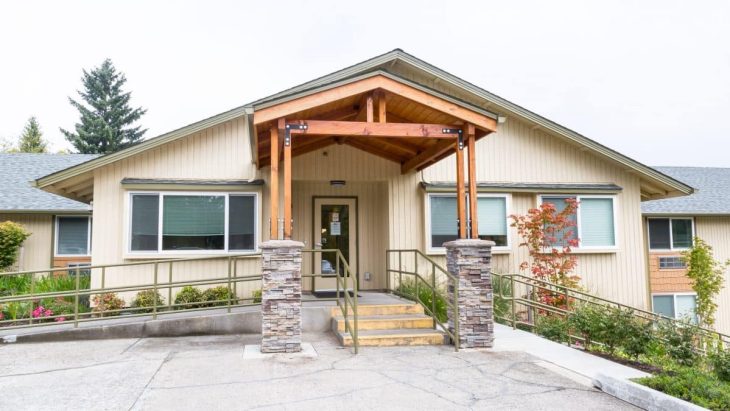
About The Recovery Village Ridgefield
The Recovery Village in Ridgefield, Washington, specializes in accredited medical drug detox for adults struggling with substance abuse. Support is also available for concurrent mental health conditions. Private insurance providers, medical loans, and government grants are all accepted, along with financing and flexible payment options and flexible payment for uninsured clients.
Medical Drug Detox in Northern Clark County
A fundamental first step in your recovery journey, medically supervised detox is all about cleaning out your system, and safely ridding it of addictive substances for good. During this process, you may experience uncomfortable withdrawal symptoms, which is why the team is on hand 24/7 to ensure you’re as comfortable as possible. They may administer comfort medications to lessen certain symptoms and cravings.
You’ll also receive a thorough treatment plan, which includes support for any concurrent mental or behavioral health issues you might also be struggling with. The facility is quiet and comfy to allow you to recover and rest as you regain your strength. Nutritious meals are provided to keep you going through the process.
Medication assisted treatment (MAT) is used as needed and may be carried into further care if you pursue continuing support here. Generally, the detox phase can last anywhere between 5-10 days, though this varies from person to person.
Residential Drug Rehab in Ridgefield
If you opt to stay on for residential care, you can enjoy a peaceful recovery environment on the facility’s clean and serene 5.6-acre campus. You can enjoy various recreational activities and amenities like yoga, a fully equipped fitness facility, shuffleboard, seasonal walking trails, basketball, as well as a pool and ping pong table.
| Levels of Care | Detox Service Setting | Programs | Payment Options | ||||
|---|---|---|---|---|---|---|---|
|
Inpatient and residential programs provide round-the-clock medical and emotional support as you live at the treatment facility. This level of care may be recommended if you have severe addictions or mental health conditions since it removes outside distractions and allows you to focus solely on therapy. |
Partial hospitalization is a step down from inpatient care. Clients stay on site with more independence and free time while managing recovery. |
Each week includes the scheduled sessions of individual therapy and of group therapy. Patients live at home during this intensive outpatient track. |
Relapse prevention plans, referrals and support groups make up the aftercare, along with other resources that continue long after treatment ends. |
Co-occurring mental health treatment can be offered at every treatment level, at each step of care. |
|||
|
Inpatient detox occurs in a dedicated treatment facility. You’ll live there around the clock and receive intensive medical support and supervision to help manage your withdrawal symptoms. It is suitable for individuals with moderate to severe addictions as it ensures a stable detox environment. |
Outpatient detox gives you access to medically supervised withdrawal services while still allowing you to live at home. You’ll attend a clinic for treatment and monitoring. This flexible option is suitable for those with mild to moderate withdrawal symptoms who have strong support systems. |
Medication assisted treatment combines medication and counseling to manage withdrawal and reduce cravings for opioid and alcohol addiction. Medications may include methadone, buprenorphine or naltrexone. MAT is tailored to your needs so you can actively participate in your treatment journey. |
|||||
|
Many programs here take both men and women. The age floor is 18, so the programs are for adults at that age and older. |
Alcohol detox programs offer medical support to help individuals withdraw safely from alcohol. Your care team may use medications to ease your symptoms and provide medical monitoring to address complications.
|
Cognitive behavioral therapy focuses on changing harmful thought patterns and behaviors associated with addiction. You’ll learn healthier coping mechanisms by identifying and replacing negative thoughts. This improves your emotional resilience and decreases your relapse potential.
|
Men's programs address substance use while also considering the social pressures, family roles and mental health concerns that are specific to men. You’ll learn healthy coping mechanisms as you build emotional resilience and develop communication skills.
|
Opioid detox uses medications to ease severe withdrawal symptoms. It also includes medical supervision to help you manage potential complications. These services allow you to stabilize and begin a recovery plan.
|
Senior programs address the unique needs of older adults like chronic pain, grief and isolation. Programs include peer support and medical oversight for age related health concerns. The goal is to improve quality of life and promote sober aging.
|
Women's programs offer a safe and supportive space to focus on gender specific issues such as trauma, family roles and mental health conditions. Therapists tailor the sessions to address women's needs and foster empowerment in a healing and nurturing environment.
|
Young adult programs are designed for individuals who are transitioning into adulthood. Topics of discussion typically include identity, independence and peer relationships. Providers may also offer life skills training and career support.
|
|
Private Insurance
|
Self Pay
|
Levels of Care
Inpatient and residential programs provide round-the-clock medical and emotional support as you live at the treatment facility. This level of care may be recommended if you have severe addictions or mental health conditions since it removes outside distractions and allows you to focus solely on therapy.
Partial hospitalization is a step down from inpatient care. Clients stay on site with more independence and free time while managing recovery.
Each week includes the scheduled sessions of individual therapy and of group therapy. Patients live at home during this intensive outpatient track.
Relapse prevention plans, referrals and support groups make up the aftercare, along with other resources that continue long after treatment ends.
Co-occurring mental health treatment can be offered at every treatment level, at each step of care.
Detox Service Setting
Inpatient detox occurs in a dedicated treatment facility. You’ll live there around the clock and receive intensive medical support and supervision to help manage your withdrawal symptoms. It is suitable for individuals with moderate to severe addictions as it ensures a stable detox environment.
Outpatient detox gives you access to medically supervised withdrawal services while still allowing you to live at home. You’ll attend a clinic for treatment and monitoring. This flexible option is suitable for those with mild to moderate withdrawal symptoms who have strong support systems.
Medication assisted treatment combines medication and counseling to manage withdrawal and reduce cravings for opioid and alcohol addiction. Medications may include methadone, buprenorphine or naltrexone. MAT is tailored to your needs so you can actively participate in your treatment journey.
Programs
Many programs here take both men and women. The age floor is 18, so the programs are for adults at that age and older.
Amenities
Accreditations


Accepted Insurance

Contact



Lauren wears many hats, and works as a holistic deep tissue massage therapist, content strategist, and copywriter. She’s been writing copy and dreaming up content for a number of brands for almost 10 years, having worked with a mixture of B2B and B2C brand. Some of her more notable clients include adidas, Gucci, Pepsi, and Hotels.com. A skilled editor and copywriter, she also enjoys planning content for social media and brand marketing campaigns.

Peter W.Y. Lee is a historian with a focus in American Cold War culture. He has examined how popular culture has served as a coping mechanism for the challenges and changes impacting American society throughout the twentieth century.
Detox.com regularly reviews this listing for accuracy but changes may occur between updates. For the most up-to-date information, please contact The Recovery Village Ridgefield.
Nearby Detox Centers
Search by Washington Cities
FAQs
What levels of care does The Recovery Village Ridgefield offer?
Partial hospitalization is a step down from inpatient care, so clients remain on site with more free time and independence. Intensive outpatient sets individual and group therapy each week while patients live at home. Any of those levels can include co-occurring mental health treatment. The later piece is aftercare planning, with relapse prevention plans, referrals and support groups once treatment ends.
How is the outpatient week organized for patients?
Patients live at home and attend scheduled individual therapy and group therapy each week. That weekly schedule is the shape of this intensive outpatient track. Those repeated sessions make up the week, with home as the base between them.
Can insurance cover treatment, or is private pay offered?
Many insurers cover some or all of the professional treatment cost at The Recovery Village Ridgefield. Private pay is also available. The private pay option sits beside the insured route.
What rooms and amenities does the setting include?
Two fully equipped gyms are part of the setting. Rooms are clean and well appointed, with comfortable treatment areas and recreational amenities beside them. Those rooms, gyms and amenities are the physical surroundings of a stay.
Who can enroll at The Recovery Village Ridgefield?
Men and women from age 18 upward are who many of the programs take. Many treatment programs are open to both groups, and that age line is 18 for each. It’s the same boundary for men and for women.