

 360-639-5550
The Recovery Village Ridgefield Detox Center
Vancouver, WA
98662


| Name | Address | Detox Service Setting | Levels Of Care | Media |
|---|---|---|---|---|
American Behavioral Health Systems Spokane Washington on Cozza |
44 East Cozza Drive Spokane, WA 99208 |
Detox Service Setting
Inpatient DetoxMAT
|
Levels Of Care
InpatientAftercare
|
|
Gateway Counseling Services |
140 South Arthur Street Spokane, WA 99202 |
Detox Service Setting
Outpatient Detox
|
Levels Of Care
Outpatient
|
|
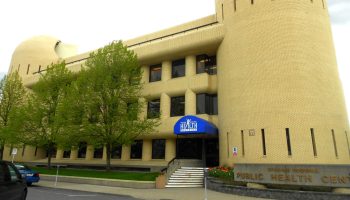
Spokane Regional Health District Opioid Treatment Services |
1101 West College Avenue Spokane, WA 99201 |
Detox Service Setting
Outpatient Detox
|
Levels Of Care
OutpatientAftercare
|
|
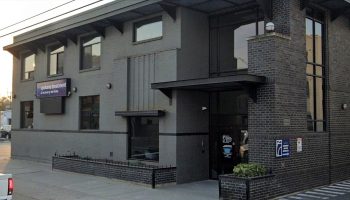
Spokane Treatment and Recovery Services |
105 West 3rd Avenue Spokane, WA 99201 |
Detox Service Setting
Inpatient DetoxOutpatient Detox
|
Levels Of Care
InpatientOutpatientDual Diagnosis+1
|
|
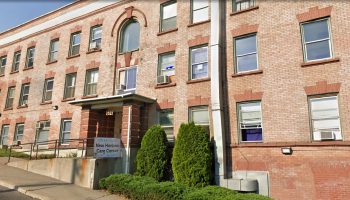
Sun Ray Court Mens Program |
518 South Browne Street Spokane, WA 99204 |
Detox Service Setting
Inpatient Detox
|
Levels Of Care
InpatientDual DiagnosisSober Living
|
|
Daybreak Youth Services – Spokane Inpatient |
628 S Cowley St Spokane, WA 99202 |
Detox Service Setting
Hospital DetoxInpatient Detox
|
Levels Of Care
InpatientDual DiagnosisIntervention
|
|
Frontier Behavioral Health Clinic |
107 S Division St Spokane, WA 99202 |
Detox Service Setting
Hospital DetoxInpatient DetoxOutpatient Detox+1
|
Levels Of Care
InpatientOutpatientDual Diagnosis+1
|
|
Pioneer Center East |
3400 West Garland Avenue Spokane, WA 99205 |
Detox Service Setting
Inpatient Detox
|
Levels Of Care
Inpatient
|
|
Royal Life Centers at Spokane Heights |
524 East Francis Avenue Spokane, WA 99208 |
Detox Service Setting
Hospital DetoxInpatient DetoxOutpatient Detox+1
|
Levels Of Care
InpatientOutpatientPHP+2
|
|
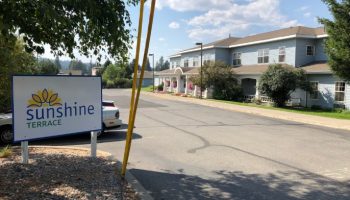
Sunshine Terrace and Behavioral Health |
1102 S Raymond Rd Spokane Valley, WA 99206 |
Detox Service Setting
Inpatient DetoxOutpatient Detox
|
Levels Of Care
InpatientOutpatient
|
|
Lourdes Medical Center |
520 North 4th Avenue Pasco, WA 99301 |
Detox Service Setting
Outpatient Detox
|
Levels Of Care
OutpatientAftercare
|
|
Richland VA Clinic |
825 Jadwin Avenue Richland, WA 99352 |
Detox Service Setting
Inpatient DetoxOutpatient DetoxMAT
|
Levels Of Care
InpatientOutpatientAftercare+3
|
|
Barth Clinic Ellensburg |
2411 West Dolarway Road Ellensburg, WA 98926 |
Detox Service Setting
Outpatient Detox
|
Levels Of Care
OutpatientAftercareDual Diagnosis+2
|
|
Barth Clinic Treatment |
201 East Lincoln Avenue Yakima, WA 98901 |
Detox Service Setting
Outpatient Detox
|
Levels Of Care
OutpatientAftercareDual Diagnosis+1
|
|
Triumph Treatment Services Riel House |
613 Superior Lane Yakima, WA 98902 |
Detox Service Setting
Inpatient Detox
|
Levels Of Care
InpatientDual Diagnosis
|
|
Spokane’s detoxification and addiction treatment services are a vital network of state-supported public health initiatives and private care facilities. These facilities are primarily regulated by the Washington State Department of Health (DOH) and the Washington State Health Care Authority (HCA).
However, the local system is rapidly adapting to address a severe crisis driven by fentanyl and methamphetamine. In recent years, local initiatives heavily emphasized harm reduction, low-barrier Medication-Assisted Treatment (MAT) and expanding mobile response capabilities to reach vulnerable populations.
The area’s geography and resource distribution are important in how you can get treatment and detox services. A large part of the city’s services are concentrated near downtown, which is where many of the local overdoses occur. Your treatment options can include walk in MAT clinics and harm reduction programs.
Public funds are available to cover inpatient detox treatment, but waitlists are common. This means that getting care early within community clinics is crucial.
Recently, local initiatives have worked to close these gaps. For example, the Spokane Fire Department actively participates in overdose response. They are trained and frequently involved in administering naloxone.
Organizations like CHAS Health and Compassionate Addiction Treatment (CAT) operate low-barrier clinics. This helps you start buprenorphine treatment on the same day you seek help. This provides you with immediate medical stabilization, which is crucial when you are waiting for a place in residential care.
Understanding the cost of drug and alcohol detox in Spokane helps you take the first steps in your recovery journey. While your expenses can be high, Washington state has strong insurance mandates and many financial assistance programs. This makes your treatment accessible regardless of your financial situation.
The cost of detox in Spokane varies based on your level of care to address your concerns, the severity of your withdrawal symptoms and the facility you choose. Facility costs also vary based on the types of therapies and amenities, such as workout facilities, world-class chefs and holistic treatments. These treatments can include equine therapy, yoga and outdoor recreational facilities.
Medical complexity, length of stay and the need for specialized withdrawal medications also significantly influence your total bill. Fortunately, when you’re a Washington resident, you can use private insurance or Apple Health (Medicaid) to cover the majority of your expenses.
Outpatient MAT programs combine prescribed medications with counseling, allowing you to manage withdrawal while staying at home, making them a highly cost-effective option.
Costs in Washington for treatment may include:
Yes, private insurance covers detox in Spokane. Under the Affordable Care Act and Washington state parity laws, insurance providers must offer behavioral health and substance use disorder benefits that are comparable to standard medical coverage.
The Washington State Office of the Insurance Commissioner oversees these regulations to ensure residents are not unfairly denied life-saving detox services.
The most popular private health insurance providers in the Spokane area include:
Medicare covers inpatient and outpatient detox services in Spokane. Part A covers hospitalization for severe withdrawal, while Part B covers outpatient services and MAT medications like methadone and buprenorphine. Copays and deductibles apply based on your Medicare plan.
Washington Apple Health (Medicaid) comprehensively covers inpatient, residential and outpatient detox, as well as MAT services. In Spokane, care is managed through regional Managed Care Organizations (MCOs), which frequently approve emergency detox admissions without requiring prior authorization.
Detox is a crucial first step to your recovery process. It is important that you do not let financial concerns stop you from seeking help. There are several alternative ways to pay for detox treatment in Spokane, including:

Community Health Centers like CHAS Health utilize sliding fee scales based on your income and household size, allowing uninsured residents to access outpatient detox and MAT affordably.
Spokane is home to several nonprofit organizations, such as Pioneer Human Services and the Union Gospel Mission, which provide subsidized or fully funded recovery programs and residential care.
The Spokane County Community Services Department (Behavioral Health division) allocates funding to provide crisis services, triage and treatment access for low-income or uninsured county residents.
Native American populations can access culturally competent care and specialized behavioral health funding through the Spokane Tribe of Indians Department of Health and Human Services.
The following are the key regulatory and accreditation bodies that oversee detox and withdrawal management services in Spokane:
The primary state licensing authority for healthcare facilities in Washington. The DOH issues licenses to substance use disorder treatment centers, ensuring they meet rigorous safety, staffing and clinical standards.
The HCA manages Washington Apple Health (Medicaid) and oversees the state’s behavioral health recovery system. They dictate programmatic standards and distribute federal and state funding for SUD treatment and detox services.
While the DOH licenses facilities, SRHD serves as the lead local public health authority. They monitor local overdose epidemiology, provide community health education and operate their own Opioid Treatment Program (OTP) for the region.
Medication-assisted treatment (MAT) in Spokane is highly regulated by the Washington DOH, the HCA and federal SAMHSA guidelines. The state actively promotes a “whole-person” approach, pairing MAT with behavioral counseling and social support. The following are some of the common FDA-approved medications used in MAT.
Highly accessible in Spokane, buprenorphine can be prescribed in standard primary care settings and via telehealth. This allows patients to initiate life-saving treatment quickly without visiting specialized clinics.
Tightly restricted under federal and state law, methadone can only be dispensed through certified Opioid Treatment Programs (OTPs), such as the clinic run by the Spokane Regional Health District, requiring daily supervised dosing initially.
As a non-addictive opioid antagonist with no potential for misuse, naltrexone requires no special DEA waiver. The injectable form (Vivitrol) is easily prescribed by standard clinicians for both opioid and alcohol use disorders and is covered by Apple Health.
Spokane has an active harm reduction community dedicated to keeping people alive during a severe toxic drug crisis. Local public health agencies, fire departments and community organizations work together to distribute life-saving supplies, offer basic medical care and build trust with individuals struggling with addiction.
These harm reduction services serve as a crucial safety net, preventing fatal overdoses and often acting as the first point of contact for individuals who eventually seek detox and long-term recovery.
SRHD runs a comprehensive harm reduction program aimed at reducing the spread of blood-borne pathogens. Their syringe exchange also acts as a hub for connecting individuals to the district’s methadone clinic and broader treatment resources.
Located in downtown Spokane, CAT provides an incredibly low-barrier environment where individuals can walk in off the street, receive basic survival needs and initiate medication-assisted treatment without an appointment or insurance barriers.
CHAS Health operates medical outreach teams that meet unhoused populations in encampments and shelters across Spokane. They integrate harm reduction with primary care, providing immediate medical attention and pathways to outpatient detox.
While operating statewide, PHRA provides a vital mail-based program for Spokane residents who may face stigma, lack transportation, or live outside the downtown core. They ship free, confidential harm reduction supplies directly to individuals’ homes.
Spokane County is currently battling a severe overdose crisis driven largely by a highly toxic drug supply of synthetic opioids and stimulants. While recent data suggests the curve of fatal overdoses may finally be flattening, the sheer volume of incidents remains a critical public health emergency.
In a shift from national trends, methamphetamine was the most common drug connected to overdose deaths in Spokane County in 2025, closely followed by fentanyl.
The Spokane Fire Department is heavily burdened by the crisis, responding to 1,795 overdose patients and administering the reversal drug Narcan 980 times in 2025 alone.
Spokane County recorded 344 fatal overdoses in 2025, maintaining historically high numbers despite a minor decrease from 346 deaths in 2024.
To access state-funded detox, you can call the Spokane County Regional Behavioral Health crisis line or visit a community clinic like CHAS Health. Facilities like Pioneer Center East accept state funding, though demand is high, so coordinating through a peer navigator or social worker is highly recommended.
Yes, many major outpatient detox centers, MAT clinics and harm reduction sites—especially those located downtown or along the Division Street corridor—are easily accessible via standard STA bus routes, allowing residents without vehicles to attend daily counseling and dosing appointments.
Yes, several low-barrier clinics in Spokane offer same-day MAT induction. Compassionate Addiction Treatment (CAT) and various CHAS Health locations specialize in immediate, walk-in stabilization to manage withdrawal symptoms quickly before a formal residential placement is required.
Washington state prioritizes pregnant individuals for substance use treatment. Programs at facilities like Excelsior Wellness and specialized tracks within the Apple Health network ensure pregnant women receive immediate, medically supervised MAT and prenatal care without waitlists.


Gayle Morris, BSN, MSN, received her bachelor’s degree from the University of Illinois Chicago Medical Center and her first master’s degree from Indiana University Purdue University Indianapolis. She practiced nursing for more than two decades with a focus on pediatric physical rehabilitation, helping children and their parents after a head injury or spinal cord injury. She has been a freelance writer in health, wellness, and mental health for more than 15 years. She loves exercise, her dogs and guinea pigs, and gardening.