360-639-5550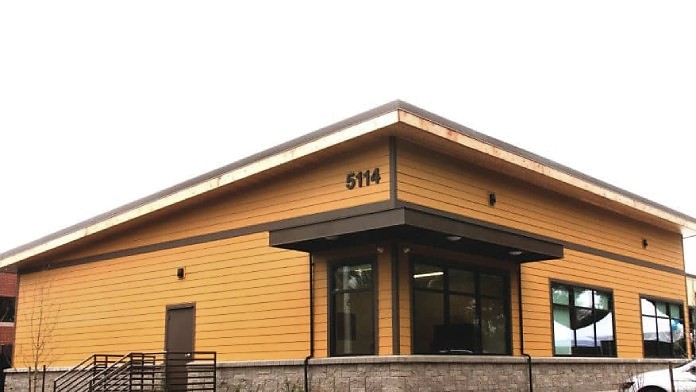
The Recovery Village Ridgefield Detox Center
Vancouver, WA
98662
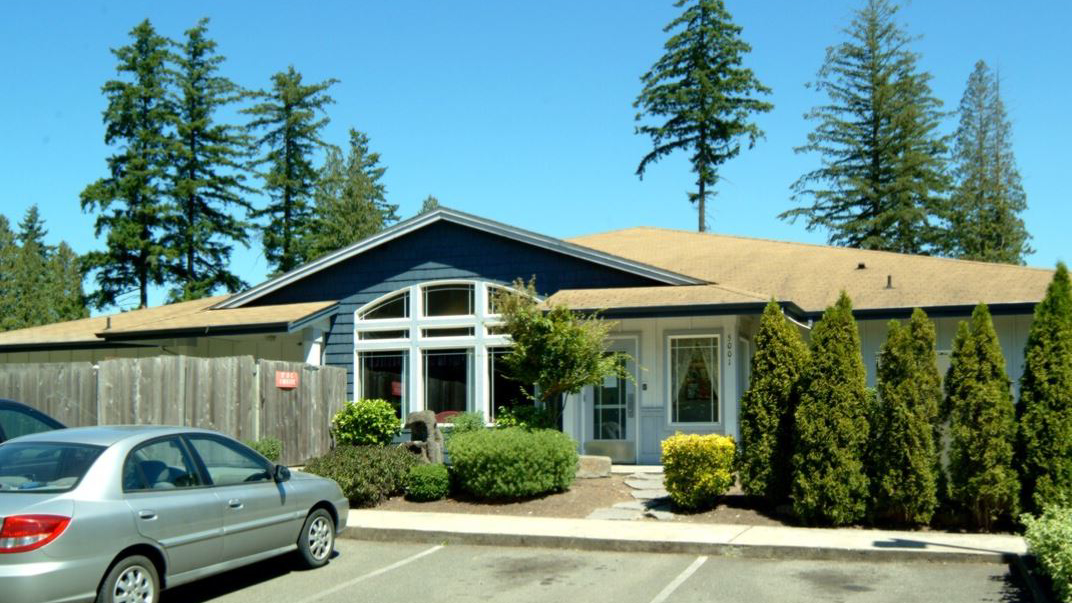
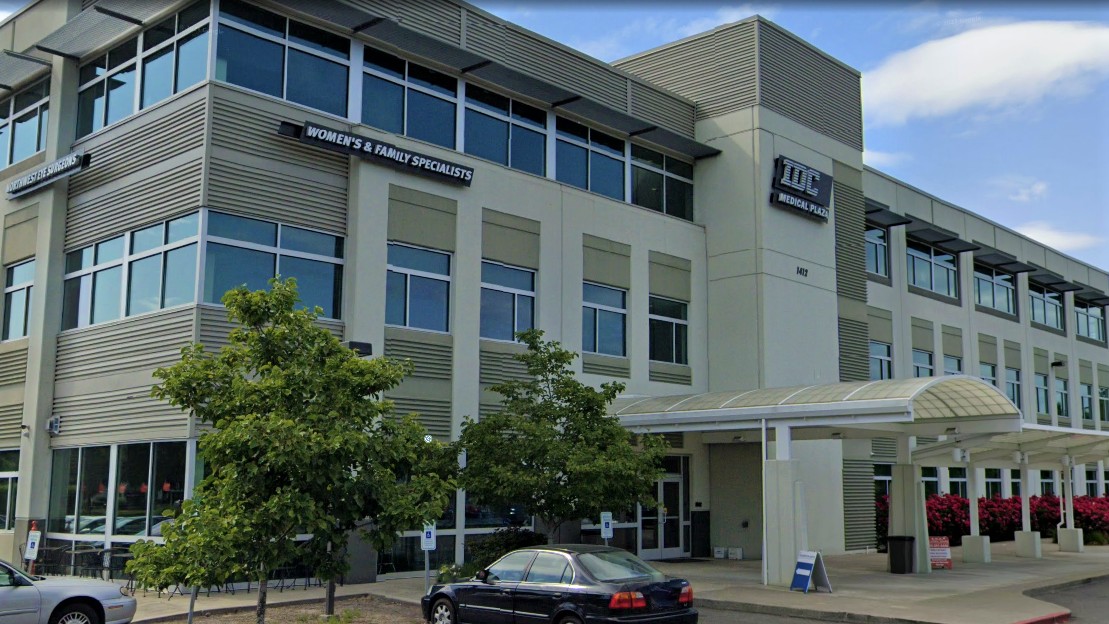
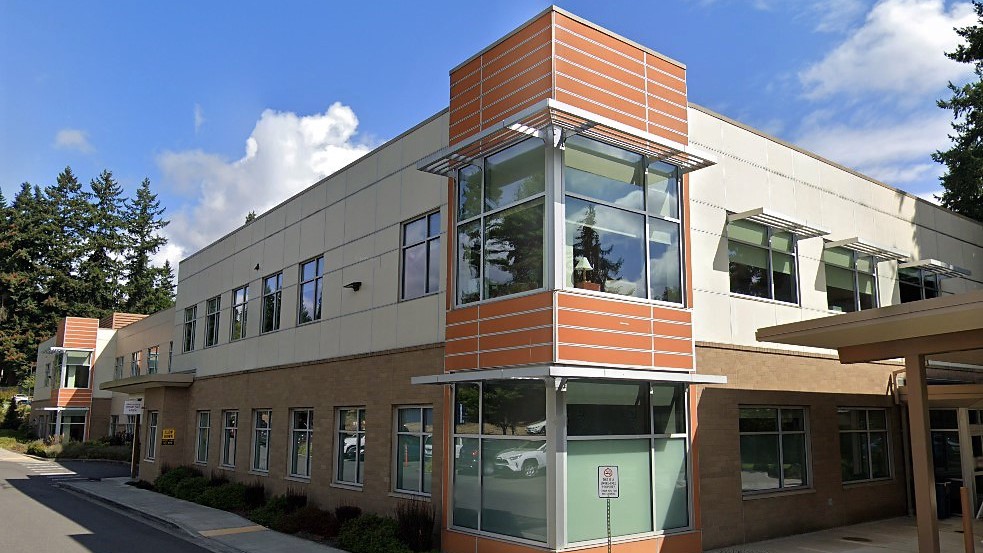
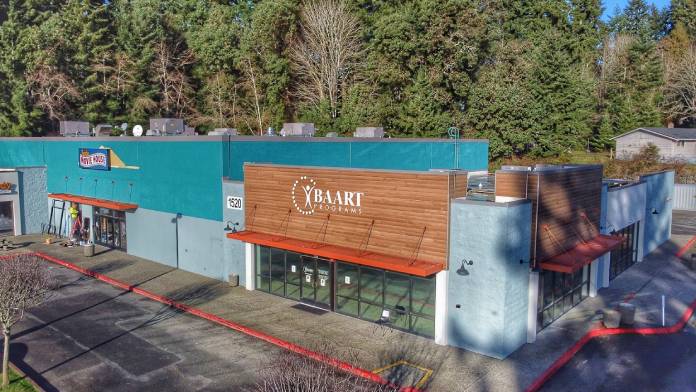
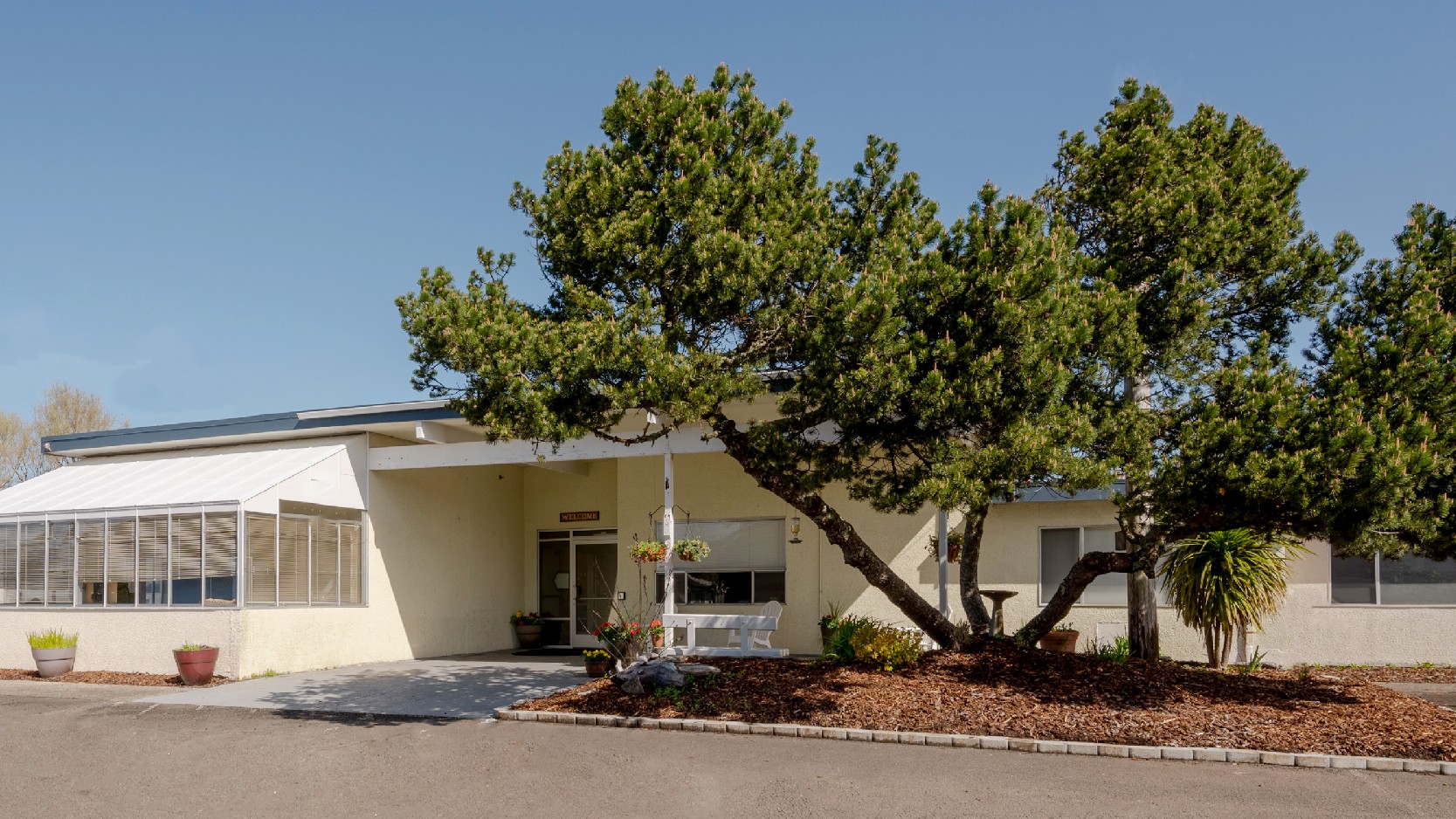
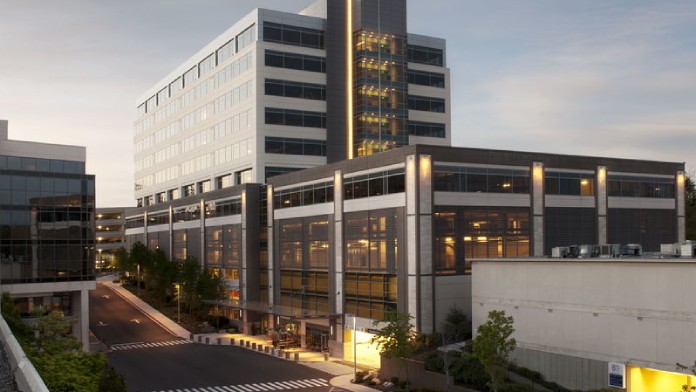
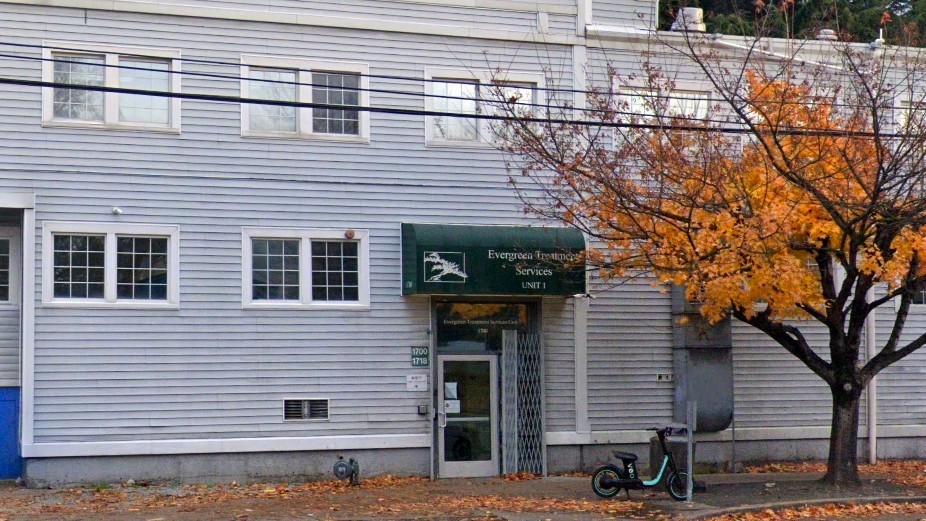
| Name | Address | Detox Service Setting | Levels Of Care | Media |
|---|---|---|---|---|
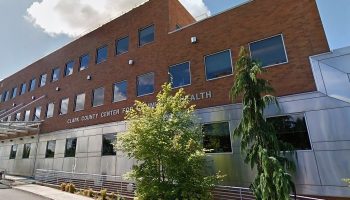
Lifeline Connections Recovery Resource Center |
1601 East 4th Plain Boulevard Vancouver, WA 98661 |
Detox Service Setting
Inpatient DetoxOutpatient DetoxMAT
|
Levels Of Care
InpatientOutpatientAftercare+4
|
|
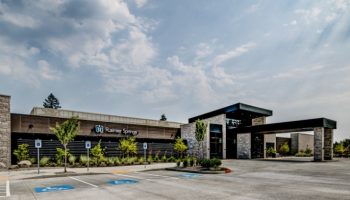
Rainier Springs |
2805 Northeast 129th Street Vancouver, WA 98686 |
Detox Service Setting
Inpatient DetoxOutpatient DetoxHospital Detox
|
Levels Of Care
InpatientOutpatientPHP+2
|
|
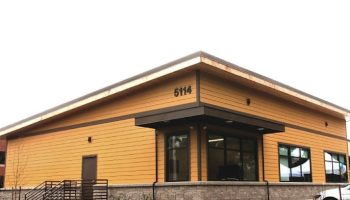
The Recovery Village Ridgefield Detox Center |
5114 NE 94th Ave Vancouver, WA 98662 |
Detox Service Setting
Inpatient DetoxOutpatient Detox
|
Levels Of Care
InpatientOutpatient
|
|
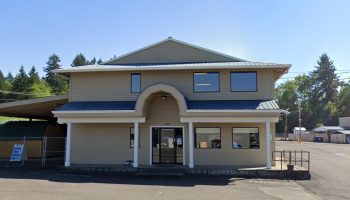
Vancouver Comprehensive Treatment Center |
2009 Northeast 117th Street Vancouver, WA 98686 |
Detox Service Setting
Outpatient Detox
|
Levels Of Care
Outpatient
|
|
Kaiser Permanente Cascade Park Medical Office |
12607 SE Mill Plain Blvd Vancouver, WA 98684 |
Detox Service Setting
Inpatient DetoxOutpatient DetoxMAT
|
Levels Of Care
InpatientOutpatientIntensive Outpatient
|
|
Lifeline Connections |
1601 East 4th Plain Boulevard Vancouver, WA 98661 |
Detox Service Setting
MAT
|
Levels Of Care
|
|
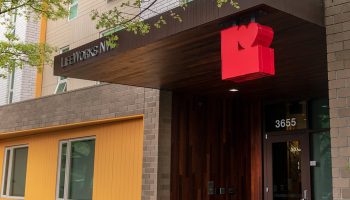
LifeWorks Project Network |
3655 Northeast Garfield Avenue Portland, OR 97212 |
Detox Service Setting
Inpatient Detox
|
Levels Of Care
InpatientAftercareDual Diagnosis
|
|
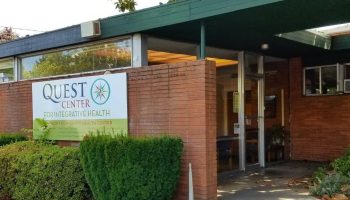
Quest Center for Integrative Health |
2901 East Burnside Street Portland, OR 97214 |
Detox Service Setting
Outpatient Detox
|
Levels Of Care
OutpatientDual Diagnosis
|
|
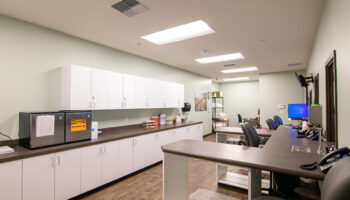
Belmont Comprehensive Treatment Center |
2600 Southeast Belmont Street Portland, OR 97214 |
Detox Service Setting
Outpatient DetoxMAT
|
Levels Of Care
Outpatient
|
|
Recovery Blvd Treatment Center |
1206 Southeast 11th Avenue Portland, OR 97214 |
Detox Service Setting
Inpatient DetoxOutpatient DetoxMAT
|
Levels Of Care
InpatientPHPOutpatient+5
|

|
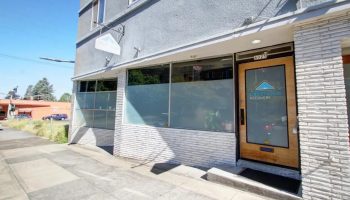
Crestview Recovery |
6025 Southeast Belmont Street Portland, OR 97215 |
Detox Service Setting
Inpatient DetoxOutpatient DetoxMAT
|
Levels Of Care
InpatientPHPOutpatient+2
|
|
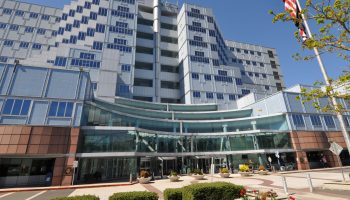
Portland VA Medical Center |
3710 Southwest US Veterans Hospital Road Portland, OR 97239 |
Detox Service Setting
Outpatient Detox
|
Levels Of Care
OutpatientAftercareDual Diagnosis+1
|
|
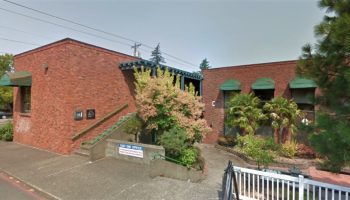
SLO Recovery Center |
1122 NE 122nd Ave Portland, OR 97230 |
Detox Service Setting
Inpatient DetoxOutpatient Detox
|
Levels Of Care
InpatientOutpatient
|
|
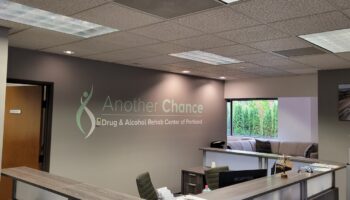
Another Chance Drug & Alcohol Rehab Center of Portland |
12670 Northwest Barnes Road Portland, OR 97229 |
Detox Service Setting
Inpatient DetoxOutpatient Detox
|
Levels Of Care
InpatientOutpatient
|
|
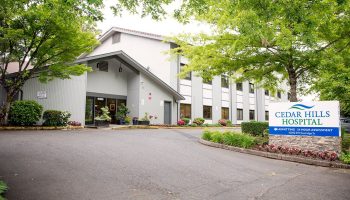
Cedar Hills Hospital |
10300 Southwest Eastridge Street Portland, OR 97225 |
Detox Service Setting
Inpatient Detox
|
Levels Of Care
InpatientAftercareDual Diagnosis
|
|
Vancouver sits across the Columbia River from Portland, Oregon, which gives residents geographic access to an unusually large addiction treatment provider network.
While many Clark County residents travel south for hospital-level detox at Providence Portland Medical Center or PeaceHealth, Vancouver has its own licensed inpatient and outpatient providers, including Lifeline Connections, which offers a 30-day inpatient program, medically supervised detox and outpatient services within the city.
Detox and withdrawal management programs in Vancouver are regulated and licensed at the state level by the Washington State Department of Health (DOH), which issues Behavioral Health Agency (BHA) licenses and Residential Treatment Facility (RTF) licenses under Chapters 246-341 and 246-337 of the Washington Administrative Code.
Opioid Treatment Programs offering methadone must hold a separate OTP license from DOH. Providers must also meet Washington Health Care Authority (HCA) coverage standards to bill Apple Health (Medicaid).
Additionally, Clark County Public Health provides a parallel layer of local oversight through its harm reduction infrastructure and the Clark County Board of Health, which regularly reviews overdose surveillance data.
The Clark County Opioid Abatement Council, funded through Washington’s share of national opioid litigation settlements, has been directing local resources toward treatment access, harm reduction infrastructure and peer recovery services since 2022.
The Southwest Washington Accountable Community of Health (SWACH) coordinates a regional network of programs addressing opioid use disorder across Clark, Klickitat, and Skamania Counties.
For anyone unsure where to start, the statewide Washington Recovery Help Line (1-866-789-1511) provides free 24/7 referrals and guidance and Clark County’s Recovery Navigator Program can pair callers with a peer specialist to move quickly from a moment of crisis into active treatment.
Detox costs in Vancouver vary considerably based on whether care is delivered in a hospital, a licensed residential facility or an outpatient setting. Understanding your insurance coverage before selecting a program can help you prevent unexpected out-of-pocket costs.
Washington’s robust Medicaid program, Apple Health, covers medically necessary detox and withdrawal management at no cost to eligible residents. The state’s large community behavioral health system moderates overall pricing.
Costs in Vancouver broadly reflect Washington state averages, with inpatient hospital-based detox being the most expensive setting and outpatient the least.
Facility type, length of stay and whether MAT medications are administered all affect the final bill.
Most major health plans active in Clark County are required under the Affordable Care Act and federal parity law to cover medically necessary substance use disorder treatment, including detox. Pre-authorization is often required for residential stays, so confirming approval before admission is important.
The six largest private insurers in the Vancouver market are:
Medicare covers medically necessary inpatient detox through Part A (subject to the $1,679 per-benefit-period deductible in 2025) and outpatient SUD treatment through Part B, including Intensive Outpatient Programs added to coverage in 2024. Residential detox programs are not covered under Original Medicare; patients who need that level of care should verify benefits through a Medicare Advantage plan or, if income-eligible, apply for Apple Health to cover remaining costs as a dual-eligible beneficiary.
Washington’s Medicaid program, Apple Health, covers medically supervised detox, withdrawal management, outpatient treatment and medication-assisted treatment at no cost for eligible residents. Eligibility is based on income; a single adult earning up to approximately $19,392 per year qualifies in 2025. Applications are accepted year-round at wahealthplanfinder.org.
In State Fiscal Year 2024, more than 35,000 clients received publicly funded outpatient treatment in Washington and over 10,000 received residential care through Apple Health.
Other ways to pay for rehab in Vancouver include:

Accepts Apple Health and offers sliding-scale fees for uninsured patients. One of the primary safety-net providers in Vancouver for both detox and residential care.
Can connect residents to state-funded behavioral health services and financial assistance programs.
The Substance Use Prevention, Treatment and Recovery Services Block Grant funds services for residents who face financial barriers to treatment in Southwest Washington.
Veterans in the Vancouver area can access outpatient SUD treatment and MAT through the VA campus in Portland, accessible via the I-205 Bridge.
Detox providers in Vancouver operate under a layered regulatory system that spans state licensing, Medicaid coverage standards and local public health oversight. So, understanding which bodies govern providers helps patients verify that a program is legitimate before enrolling.
Accessing medication-assisted treatment during or after detox is a recognized standard of care for opioid and alcohol use disorders, and multiple licensed providers in Vancouver offer all three FDA-approved MAT medications.
DOH licenses all Behavioral Health Agencies, Residential Treatment Facilities and Opioid Treatment Programs in Washington under Chapters 246-341 and 246-337 WAC. License status for any provider can be verified through DOH’s Provider Credential Search at doh.wa.gov.
Programs must meet strict clinical staffing, safety and documentation standards to maintain licensure.
HCA administers Apple Health (Medicaid) and sets coverage policy for substance use disorder services statewide, including which levels of care qualify for reimbursement and what clinical criteria apply.
HCA also oversees the Recovery Navigator Program and the Substance Use Prevention, Treatment and Recovery Services Block Grant.
CCPH monitors local overdose trends through the Clark County Board of Health, coordinates harm reduction services and distributes naloxone and public health education throughout the county.
CCPH reports to the state on local SUD and overdose data and works alongside SWACH on regional opioid response initiatives.
Licensed programs in Vancouver may use any of the following FDA-approved medications during detox and ongoing treatment. However, availability varies by provider and level of care.
Used for opioid withdrawal management and long-term maintenance. Available at Lifeline Connections, Ideal Option and other outpatient providers in Vancouver.
Dispensed daily through licensed Opioid Treatment Programs. Vancouver Comprehensive Treatment Center is a licensed OTP in the city.
A non-opioid option for opioid and alcohol use disorders, administered as a monthly injection. Available at several outpatient clinics.
Clark County has built a visible harm reduction infrastructure that sits alongside its treatment system. For people who are not yet ready or able to enter formal detox, these programs provide life-saving tools and a low-barrier entry point into care.
Fentanyl’s dominance in the local drug supply makes naloxone access especially critical in Vancouver, where the opioid has been involved in the large majority of overdose deaths in recent years.
Clark County Public Health operates the Harm Reduction Center in Vancouver, offering free, walk-in services to all community members. No appointment is necessary for naloxone training or kit pickup.
The center is accessible by C-TRAN bus routes 6, Vine Green, and 25.
The Southwest Washington Accountable Community of Health (SWACH) launched a network of naloxone vending machines across Clark, Klickitat and Skamania Counties in November 2022, funded in part by the Clark County Opioid Abatement Council.
These machines provide free, anonymous access to naloxone at multiple locations, including the Clark County Jail lobby (707 W 13th St., accessible Monday through Friday during business hours).
The Washington Recovery Help Line is a statewide resource available around the clock to anyone seeking help with substance use, mental health or overdose concerns.
Through stopoverdose.org, Washington residents can also order free naloxone online for home delivery without a prescription, under Washington’s statewide standing order.
Clark County’s Recovery Navigator Program pairs people with lived-experience peer specialists who can guide them from a moment of crisis through the process of accessing detox or treatment.
Administered through the Washington Health Care Authority, the program is available at no cost to Clark County residents.
Clark County has faced one of the more severe fentanyl crises in Southwest Washington, with overdose deaths climbing steeply through 2023 before showing a modest decline in 2024.
The data below reflects the county’s ongoing challenge and the early impact of expanded harm reduction investment.
Clark County recorded 104 fatal synthetic opioid overdose deaths in 2024, a 2.8% decrease from the prior year’s 107, according to Washington state’s Opioid and Drug Use Data dashboard.
In 2023, 41% of all drug overdose deaths in Clark County involved both fentanyl and methamphetamine, according to Clark County Public Health epidemiologist Adiba Ali. Methamphetamine is increasingly cut with fentanyl, raising the risk of accidental opioid overdose among people who do not use opioids intentionally.
Yes. Washington’s Apple Health Medicaid program covers medically necessary detox, withdrawal management, medication-assisted treatment and behavioral therapy at no cost to eligible residents.
Eligibility is based on income and Washington residency. You can apply year-round at wahealthplanfinder.org or by calling 1-855-923-4633.
Inpatient detox provides 24-hour medical monitoring in a residential or hospital setting and is recommended for alcohol dependence, high-dose opioid use, benzodiazepine dependence or polysubstance presentations. Whereas, outpatient detox allows patients to live at home while attending daily clinical check-ins and is suited to lower-severity cases with stable living situations and strong support networks. A licensed clinician can help assess which level is appropriate.
Clark County Public Health’s Harm Reduction Center provides same-day, no-appointment services, including naloxone training and harm reduction supplies.
For detox itself, Lifeline Connections accepts walk-in assessments and same-day referrals when capacity allows.
The Washington Recovery Help Line (1-866-789-1511) can also connect callers with available local options 24 hours a day.
Yes. Lifeline Connections and the Clark County Community Services office serve individuals without stable housing.
Clark County’s Recovery Navigator Program can also help unhoused residents navigate treatment access, and SWACH’s Southwest Diversion Housing Program, launched in 2024, provides transitional housing support for people leaving crisis stabilization.
Vancouver has several licensed providers offering all three primary medications for opioid use disorder.
Vancouver Comprehensive Treatment Center offers methadone dispensing as a licensed Opioid Treatment Program. Likewise, Lifeline Connections and Ideal Option offer buprenorphine-based treatment. Naltrexone (Vivitrol) injections are available through outpatient clinics.
Apple Health covers all three medications for eligible patients.
Yes. The Washington Recovery Help Line (1-866-789-1511) operates 24 hours a day, seven days a week. For a life-threatening overdose, always call 911.
Washington’s Good Samaritan Law (RCW 69.50.315) provides legal protection to people who call 911 to report an overdose, even if drugs are present at the scene.