800-262-4205
The University of Kansas Hospital Psychiatry Department KUMC
About The University of Kansas Hospital Psychiatry Department KUMC
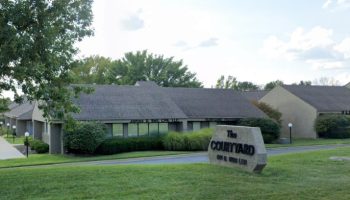
The University of Kansas Hospital Psychiatry Department at KUMC provides outpatient mental health and addiction treatment services for children, adolescents and adults throughout Kansas and the surrounding region.
The department offers medication assisted treatment for opioid use disorders, individual and group therapy, and specialized care for co-occurring mental health conditions like anxiety, depression, trauma and eating disorders. As an academic medical center, KUMC delivers evidence based treatment through an interdisciplinary team of board certified psychiatrists, psychologists, psychiatric social workers, and other specialists.
Opioid Addiction Treatment and Medication Assisted Care
KUMC specializes in comprehensive medication assisted treatment for opioid use disorders with multiple FDA approved options including methadone, buprenorphine/Suboxone, long acting buprenorphine injections, and Vivitrol.
The Kansas City Metro Methadone Program, founded in 1966, is the eighth oldest methadone maintenance clinic in the nation and brings over 50 years of experience in opioid addiction care.
Treatment combines medication management with individualized counseling and therapy to address both physical dependence and underlying issues. The academic medical center model provides access to medical specialists across disciplines for integrated care of complex co-occurring conditions, ensuring comprehensive support throughout recovery.
Advanced Treatment Options and Comprehensive Care
Beyond traditional addiction services, KUMC offers cutting-edge therapies including transcranial magnetic stimulation, esketamine treatment, electroconvulsive therapy, and access to clinical trials. The department’s affiliation with one of only 47 addiction psychiatry fellowship programs nationally ensures patients receive care informed by the latest research and clinical expertise.
Accessing Care at KUMC
The department serves patients at multiple locations throughout the Kansas City metropolitan area with both in-person and telehealth appointments available. KUMC is an academic medical center with an interdisciplinary treatment team providing specialized psychiatry and behavioral health services.
Most major medical insurance plans are accepted, with coverage varying by individual policy.
| Levels of Care | Detox Service Setting | Programs | Payment Options |
|---|---|---|---|
|
Inpatient and residential programs provide round-the-clock medical and emotional support as you live at the treatment facility. This level of care may be recommended if you have severe addictions or mental health conditions since it removes outside distractions and allows you to focus solely on therapy. |
In outpatient therapy, you’ll attend therapy sessions several times each week while living at home. This is ideal if you have a strong support system and a lower risk of relapse. Outpatient treatment offers flexibility to maintain work, school or family obligations. |
||
|
Inpatient detox occurs in a dedicated treatment facility. You’ll live there around the clock and receive intensive medical support and supervision to help manage your withdrawal symptoms. It is suitable for individuals with moderate to severe addictions as it ensures a stable detox environment. |
Outpatient detox gives you access to medically supervised withdrawal services while still allowing you to live at home. You’ll attend a clinic for treatment and monitoring. This flexible option is suitable for those with mild to moderate withdrawal symptoms who have strong support systems. |
||
|
Alcohol detox programs offer medical support to help individuals withdraw safely from alcohol. Your care team may use medications to ease your symptoms and provide medical monitoring to address complications.
|
Drug detox programs support individuals who are withdrawing from addictive substances like cocaine and heroin. Medical support helps you manage symptoms in a controlled and safe environment so you can achieve initial sobriety.
|
||
|
Private Insurance
|
Self Pay
|
Levels of Care
Inpatient and residential programs provide round-the-clock medical and emotional support as you live at the treatment facility. This level of care may be recommended if you have severe addictions or mental health conditions since it removes outside distractions and allows you to focus solely on therapy.
In outpatient therapy, you’ll attend therapy sessions several times each week while living at home. This is ideal if you have a strong support system and a lower risk of relapse. Outpatient treatment offers flexibility to maintain work, school or family obligations.
Detox Service Setting
Inpatient detox occurs in a dedicated treatment facility. You’ll live there around the clock and receive intensive medical support and supervision to help manage your withdrawal symptoms. It is suitable for individuals with moderate to severe addictions as it ensures a stable detox environment.
Outpatient detox gives you access to medically supervised withdrawal services while still allowing you to live at home. You’ll attend a clinic for treatment and monitoring. This flexible option is suitable for those with mild to moderate withdrawal symptoms who have strong support systems.
Programs
Contact



Amy Greene is an award-winning novelist and essayist. Her acclaimed debut novel, Bloodroot, was a New York Times national best seller. Her second novel, Long Man, was named a Best Book of the Year by The Washington Post in 2014. Her essays have appeared in publications such as The New York Times and Glamor Magazine. She currently resides in her native East Tennessee, amid the mountains she loves. In both her fiction and her nonfiction writing, Amy is dedicated exploring complex issues of mental health and spiritual and emotional wellbeing.
Detox.com regularly reviews this listing for accuracy but changes may occur between updates. For the most up-to-date information, please contact The University of Kansas Hospital Psychiatry Department KUMC.