

 800-262-4205
Transitions Drug Rehabilitation and Immediate Care

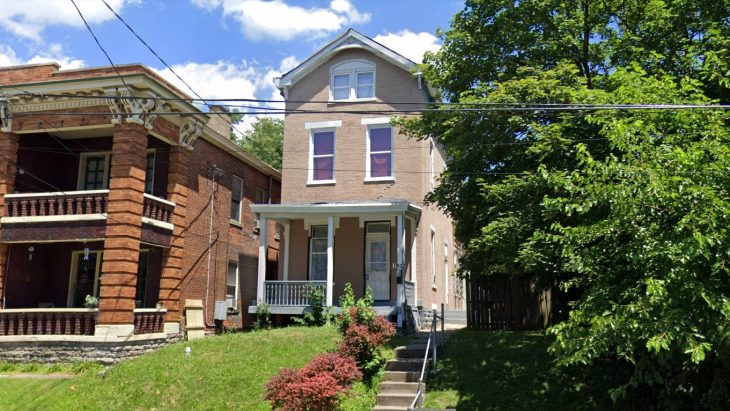
About Transitions Drug Rehabilitation and Immediate Care
Intensive outpatient treatment, or IOP, is offered at Transitions in Covington, and it’s an addiction treatment program for adult men.
Residential care isn’t in Covington, but that program is in Erlanger, Kentucky.
How many hours is the IOP?
You get three hours a day, and Transitions runs three days each week, which comes to nine hours of group therapy.
This type of care works well for those who have jobs and other responsibilities. They can plan their care around a three hour block.
What comes after the IOP?
The Outpatient After Care Program follows the IOP at Transitions, and that’s the aftercare you move into once the intensive days end.
Once those days end, treatment continues in a program called Grateful Life Center. There are many program options and a large therapeutic community to help those in recovery.
Is there recovery housing?
Transitions has recovery housing for people who are completing treatment.
If you’re on a medication for opioid use disorder, the Recovery Housing Program accepts every FDA-approved form of that medication.
They take cash or self-payment, and Transitions holds CARF accreditation and a Kentucky license.
| Levels of Care | Detox Service Setting | Programs | Payment Options | |||
|---|---|---|---|---|---|---|
|
Inpatient and residential programs provide round-the-clock medical and emotional support as you live at the treatment facility. This level of care may be recommended if you have severe addictions or mental health conditions since it removes outside distractions and allows you to focus solely on therapy. |
In outpatient therapy, you’ll attend therapy sessions several times each week while living at home. This is ideal if you have a strong support system and a lower risk of relapse. Outpatient treatment offers flexibility to maintain work, school or family obligations. |
The intensive outpatient program is followed by an outpatient aftercare program. That’s the order here. Aftercare is the program that comes second. |
Co-occurring disorders are treated with counseling plus medical and behavioral health services on site. Both kinds of care sit in the same place. |
Recovery housing here is for people who are completing treatment. Transitions runs that housing, and it’s for that stage of care. |
Intensive Outpatient
|
Partial hospitalization programs provide comprehensive treatment in a structured setting during the day but allow you to return home at night. These programs offer a balance of inpatient and outpatient rehab and provide intensive support without full time residency. |
|
Inpatient detox occurs in a dedicated treatment facility. You’ll live there around the clock and receive intensive medical support and supervision to help manage your withdrawal symptoms. It is suitable for individuals with moderate to severe addictions as it ensures a stable detox environment. |
Outpatient detox gives you access to medically supervised withdrawal services while still allowing you to live at home. You attend a clinic for treatment and monitoring. This flexible option is suitable when you have mild to moderate withdrawal symptoms and have strong support systems. |
|||||
|
Adult programs address the substance use and life challenges specific to adults. Therapists can deliver sessions in individual, group and family settings. Services often include job support and life skills training in a structured environment.
|
Alcohol detox programs offer medical support to help individuals withdraw safely from alcohol. Your care team may use medications to ease your symptoms and provide medical monitoring to address complications.
|
Cognitive behavioral therapy focuses on changing harmful thought patterns and behaviors associated with addiction. You’ll learn healthier coping mechanisms by identifying and replacing negative thoughts. This improves your emotional resilience and decreases your relapse potential.
|
Men's programs address substance use while also considering the social pressures, family roles and mental health concerns that are specific to men. You’ll learn healthy coping mechanisms as you build emotional resilience and develop communication skills.
|
Opioid detox uses medications to ease severe withdrawal symptoms. It also includes medical supervision to help you manage potential complications. These services allow you to stabilize and begin a recovery plan.
|
Women's programs offer a safe and supportive space to focus on gender specific issues such as trauma, family roles and mental health conditions. Therapists tailor the sessions to address women's needs and foster empowerment in a healing and nurturing environment.
|
Young adult programs are designed for individuals who are transitioning into adulthood. Topics of discussion typically include identity, independence and peer relationships. Providers may also offer life skills training and career support.
|
|
Medicaid
|
Medicare
|
Private Insurance
|
Self Pay
|
Levels of Care
Inpatient and residential programs provide round-the-clock medical and emotional support as you live at the treatment facility. This level of care may be recommended if you have severe addictions or mental health conditions since it removes outside distractions and allows you to focus solely on therapy.
In outpatient therapy, you’ll attend therapy sessions several times each week while living at home. This is ideal if you have a strong support system and a lower risk of relapse. Outpatient treatment offers flexibility to maintain work, school or family obligations.
The intensive outpatient program is followed by an outpatient aftercare program. That’s the order here. Aftercare is the program that comes second.
Co-occurring disorders are treated with counseling plus medical and behavioral health services on site. Both kinds of care sit in the same place.
Recovery housing here is for people who are completing treatment. Transitions runs that housing, and it’s for that stage of care.
Partial hospitalization programs provide comprehensive treatment in a structured setting during the day but allow you to return home at night. These programs offer a balance of inpatient and outpatient rehab and provide intensive support without full time residency.
Detox Service Setting
Inpatient detox occurs in a dedicated treatment facility. You’ll live there around the clock and receive intensive medical support and supervision to help manage your withdrawal symptoms. It is suitable for individuals with moderate to severe addictions as it ensures a stable detox environment.
Outpatient detox gives you access to medically supervised withdrawal services while still allowing you to live at home. You attend a clinic for treatment and monitoring. This flexible option is suitable when you have mild to moderate withdrawal symptoms and have strong support systems.
Programs
Accreditations


Contact



Maygen Brockway, MTC, lives in scenic Southern Utah and has over 10 years of editing and writing experience. She’s created content for the medical, wedding, fashion, and technical industries. She loves poetry and coffee, writing, and being a social butterfly and a mom.
Detox.com regularly reviews this listing for accuracy but changes may occur between updates. For the most up-to-date information, please contact Transitions Drug Rehabilitation and Immediate Care.
Nearby Detox Centers


Search by Kentucky Cities
FAQs
Which levels of care can you find at Transitions?
You’ll see intensive outpatient at three hours a day, three days a week, nine hours of group therapy. Outpatient care sits with a residential program, and partial hospitalization is offered too. Aftercare follows that intensive program. Counseling and on-site medical and behavioral health services are how co-occurring disorders care is handled. Recovery housing is for people completing treatment.
How many hours a week is the intensive outpatient program?
It’s nine hours a week. You’re there three days, three hours a day, and those hours are group therapy. That’s the intensive outpatient schedule. The week is built from those three days.
Is Transitions licensed, and who accredited it?
Yes. Kentucky licenses Transitions as Alcohol and Other Drug Entities. Accreditation comes from the Commission on Accreditation of Rehabilitation Facilities. That’s the CARF credential. You’d be looking at a state license plus that accreditation.