

 800-262-4205
Addiction Treatment Services (UMATS) at Rachel Upjohn

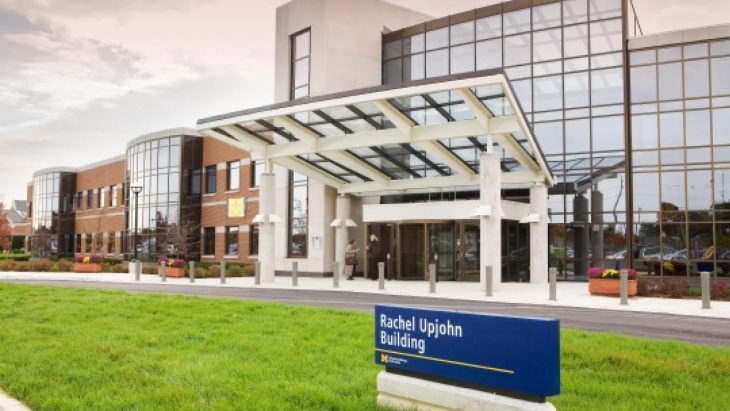
About Addiction Treatment Services (UMATS) at Rachel Upjohn
Our services are based on successful models of care and the wisdom of recovering individuals, supported by research, and delivered with compassion, hope, and respect for diversity.
We are committed to achieving positive outcomes through outstanding care for people recovering from substance use disorders, including problems with prescription medications, alcohol, and other drugs.
We offer assessments and a full range of evidence-based therapy options for individuals, groups, couples, and families. Recognizing that substance-related concerns range from milder problems to severe dependence, we provide early intervention and education as well as recovery-oriented addiction therapy, both for the individuals who are struggling as well as their friends and family.
We serve a diverse range of patients who have varying degrees of problems. We specialize in working with adolescents, young adults and college students, health professionals, and dually diagnosed individuals with both mental health and substance use issues.
We approach recovery from multiple perspectives, with the understanding that a fully realized recovery depends on physical, emotional, social, and spiritual wellbeing. Customized treatment plans are based on individual needs, strengths and responsibilities, and the severity of the problem.
Regardless of the level of treatment, each person is engaged in developing a specific plan for recovery. Supportive family members, friends, and others whose lives are affected are encouraged to participate in the process.
We use a multidisciplinary, professional approach to treatment, combining patient care, research, and education in the same setting. Our physicians, nurses, and social work therapists work together to provide individuals with the help they need.
Many patients with substance use disorders also suffer from symptoms of depression and anxiety. As part of the U-M Health System’s Department of Psychiatry, we monitor our patients for symptoms of such co-occurring illnesses and provide on-site psychiatric consultation when needed. For patients already receiving mental health care, we work with their community psychiatrist or therapist to coordinate care for both problems.
| Levels of Care | Detox Service Setting | Programs | Payment Options | Medications Offered | ||
|---|---|---|---|---|---|---|
|
In outpatient therapy, you’ll attend therapy sessions several times each week while living at home. This is ideal if you have a strong support system and a lower risk of relapse. Outpatient treatment offers flexibility to maintain work, school or family obligations. |
Inpatient and residential programs provide round-the-clock medical and emotional support as you live at the treatment facility. This level of care may be recommended if you have severe addictions or mental health conditions since it removes outside distractions and allows you to focus solely on therapy. |
Aftercare programs provide ongoing support after you complete a rehab program. They may include several components to help you maintain sobriety including therapy, community support groups and relapse prevention strategies. This gives you a network of resources as you reintegrate into your daily life. |
Intensive Outpatient
|
Dual diagnosis programs address substance use disorders and co-occurring mental health conditions simultaneously. This integrated approach to care improves the likelihood of long term recovery and stability by addressing the root causes of addiction. |
||
|
Outpatient detox gives you access to medically supervised withdrawal services while still allowing you to live at home. You’ll attend a clinic for treatment and monitoring. This flexible option is suitable for those with mild to moderate withdrawal symptoms who have strong support systems. |
Medication assisted treatment combines medication and counseling to manage withdrawal and reduce cravings for opioid and alcohol addiction. Medications may include methadone, buprenorphine or naltrexone. MAT is tailored to your needs so you can actively participate in your treatment journey. |
|||||
|
Adult programs address the substance use and life challenges specific to adults. Therapists can deliver sessions in individual, group and family settings. Services often include job support and life skills training in a structured environment.
|
Young adult programs are designed for individuals who are transitioning into adulthood. Topics of discussion typically include identity, independence and peer relationships. Providers may also offer life skills training and career support.
|
Women's programs offer a safe and supportive space to focus on gender specific issues such as trauma, family roles and mental health conditions. Therapists tailor the sessions to address women's needs and foster empowerment in a healing and nurturing environment.
|
Men's programs address substance use while also considering the social pressures, family roles and mental health concerns that are specific to men. You’ll learn healthy coping mechanisms as you build emotional resilience and develop communication skills.
|
Teen (13 - 18)
|
LGBTQ friendly programs create an inclusive and affirming space for recovery. Treatment is sensitive to issues like discrimination and stigma. You’ll receive support and therapy that respects and acknowledges your unique experiences.
|
Opioid detox uses medications to ease severe withdrawal symptoms. It also includes medical supervision to help you manage potential complications. These services allow you to stabilize and begin a recovery plan. |
|
Self Pay
|
Medicare
|
Private Insurance
|
Military Insurance
|
|||
|
Buprenorphine
|
Levels of Care
In outpatient therapy, you’ll attend therapy sessions several times each week while living at home. This is ideal if you have a strong support system and a lower risk of relapse. Outpatient treatment offers flexibility to maintain work, school or family obligations.
Inpatient and residential programs provide round-the-clock medical and emotional support as you live at the treatment facility. This level of care may be recommended if you have severe addictions or mental health conditions since it removes outside distractions and allows you to focus solely on therapy.
Aftercare programs provide ongoing support after you complete a rehab program. They may include several components to help you maintain sobriety including therapy, community support groups and relapse prevention strategies. This gives you a network of resources as you reintegrate into your daily life.
Dual diagnosis programs address substance use disorders and co-occurring mental health conditions simultaneously. This integrated approach to care improves the likelihood of long term recovery and stability by addressing the root causes of addiction.
Detox Service Setting
Outpatient detox gives you access to medically supervised withdrawal services while still allowing you to live at home. You’ll attend a clinic for treatment and monitoring. This flexible option is suitable for those with mild to moderate withdrawal symptoms who have strong support systems.
Medication assisted treatment combines medication and counseling to manage withdrawal and reduce cravings for opioid and alcohol addiction. Medications may include methadone, buprenorphine or naltrexone. MAT is tailored to your needs so you can actively participate in your treatment journey.
Programs
Opioid detox uses medications to ease severe withdrawal symptoms. It also includes medical supervision to help you manage potential complications. These services allow you to stabilize and begin a recovery plan.
Medications Offered
Amenities
Contact


Detox.com regularly reviews this listing for accuracy but changes may occur between updates. For the most up-to-date information, please contact Addiction Treatment Services (UMATS) at Rachel Upjohn.
Nearby Detox Centers

Search by Michigan Cities
FAQs
What outpatient detox and addiction treatment services does UMATS offer?
University of Michigan Addiction Treatment Services (UMATS) at the Rachel Upjohn Building provides outpatient treatment for adults 18 and older with substance use disorders. Services include assessment, individualized treatment planning, individual and group therapy, intensive outpatient programming, and medication-assisted treatment for opioid use disorder. The facility specializes in integrated care for individuals with co-occurring addiction and mental health conditions.
Does UMATS provide medication-assisted treatment for opioid addiction?
Yes, UMATS offers medication-assisted treatment (MAT) for opioid use disorder as part of its comprehensive addiction services. The medical team can prescribe buprenorphine and naltrexone to support recovery. These medications are integrated into the center’s outpatient treatment plan alongside counseling and therapy services.
How does UMATS treat dual diagnosis or co-occurring mental health conditions?
UMATS delivers integrated treatment for substance use disorders and co-occurring psychiatric conditions such as depression, anxiety, bipolar disorder, and PTSD. An interdisciplinary clinical team addresses both addiction and mental health needs together within the outpatient setting, ensuring coordinated, comprehensive care tailored to each patient’s situation.
What happens during the first assessment at UMATS in Ann Arbor?
The initial appointment at UMATS involves a comprehensive evaluation and assessment by the clinical team. Based on findings, the medical staff develops an individualized treatment plan and discusses appropriate levels of outpatient care, which may include individual therapy, group therapy, intensive outpatient programming, or medication treatment depending on each patient’s needs.
Does UMATS offer family support or involvement in addiction treatment?
Yes, family education and support services are available as part of treatment at UMATS. The facility recognizes that family involvement strengthens recovery outcomes and includes these options within its comprehensive outpatient programming for adults with substance use disorders.