Find Drug & Alcohol Detox Centers in Lansing, MI

Detox Centers in Lansing

15 Results
Filters
Setting
Medications Offered
Treatment
Programs
Payment Options
Name Address Detox Service Setting Levels Of Care Media

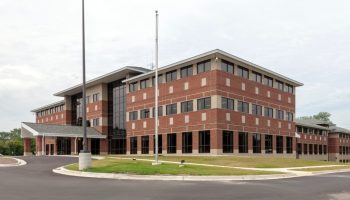
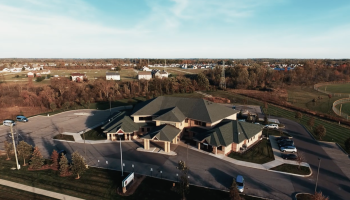
Community Mental Health The Recovery Center

812 East Jolly Road Lansing, MI 48910
Detox Service Setting
Inpatient DetoxOutpatient Detox
Levels Of Care
InpatientOutpatientAftercare
Community Mental Health The Recovery Center

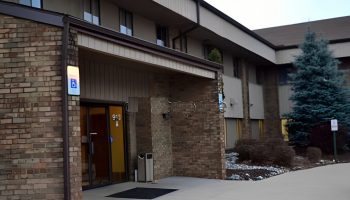
Michigan Therapeutic Consultants Lansing

913 West Holmes Road Lansing, MI 48910
Detox Service Setting
Outpatient Detox
Levels Of Care
OutpatientAftercareDual Diagnosis
Michigan Therapeutic Consultants Lansing

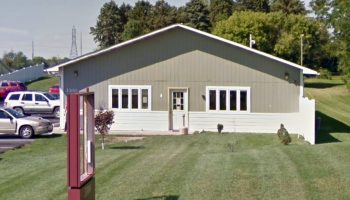
RISE Recovery Community

217 N Sycamore St Lansing, MI 48933
Detox Service Setting
Inpatient DetoxOutpatient Detox
Levels Of Care
InpatientOutpatient
RISE Recovery Community

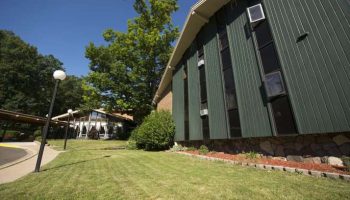
Edward W Sparrow Hospital Substance Abuse Program

1210 West Saginaw Street Lansing, MI 48915
Detox Service Setting
Hospital Detox
Levels Of Care
InpatientOutpatientPHP

Glass House [Mid-Michigan Recovery Services]

419 North Martin Luther King Junior Boulevard Lansing, MI 48915
Detox Service Setting
Inpatient DetoxOutpatient Detox
Levels Of Care
InpatientOutpatient

Victory Clinical Services Jackson

4902 South Cedar Street Lansing, MI 48910
Detox Service Setting
MATInpatient DetoxOutpatient Detox
Levels Of Care
InpatientOutpatient

Victory Clinical Services Jackson

3300 Lansing Avenue Jackson, MI 49202
Detox Service Setting
Outpatient Detox
Levels Of Care
Outpatient
Victory Clinical Services Jackson

A Forever Recovery

216 Saint Marys Lake Road Battle Creek, MI 49017
Detox Service Setting
Inpatient DetoxOutpatient DetoxMAT
Levels Of Care
InpatientPHPOutpatient+2
A Forever Recovery

Sacred Heart Rehabilitation Center Flint Outpatient Recovery & Wellness Services

2091 Professional Drive Flint, MI 48532
Detox Service Setting
Inpatient DetoxOutpatient DetoxMAT
Levels Of Care
InpatientOutpatientPHP+1
Sacred Heart Rehabilitation Center Flint Outpatient Recovery & Wellness Services

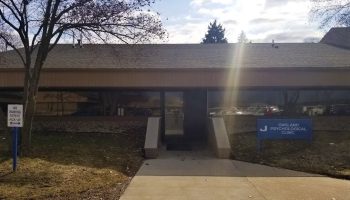
Oakland Psychological Clinic Flint

2222 South Linden Road Flint, MI 48532
Detox Service Setting
Outpatient Detox
Levels Of Care
OutpatientAftercareDual Diagnosis
Oakland Psychological Clinic Flint

Skywood Recovery

10499 48th Street Augusta, MI 49012
Detox Service Setting
Inpatient DetoxOutpatient Detox
Levels Of Care
InpatientOutpatientAftercare+2
Skywood Recovery

Ascension Brighton Center for Recovery

12851 Grand River Avenue Brighton, MI 48116
Detox Service Setting
Inpatient DetoxOutpatient DetoxMAT
Levels Of Care
InpatientPHPOutpatient+5
Ascension Brighton Center for Recovery

Recovery Unlimited Treatment

3169 Pierson Road Flint, MI 48504
Detox Service Setting
Outpatient DetoxMAT
Levels Of Care
Outpatient
Recovery Unlimited Treatment

Pine Rest Caledonia Clinic

6505 Cherry Meadow Drive Southeast Caledonia, MI 49316
Detox Service Setting
Outpatient DetoxMAT
Levels Of Care
OutpatientAftercareDual Diagnosis+1
Pine Rest Caledonia Clinic

Oakland Psychological Clinic in Grand Blanc

10785 South Saginaw Street Grand Blanc, MI 48439
Detox Service Setting
Outpatient Detox
Levels Of Care
OutpatientDual Diagnosis
Oakland Psychological Clinic in Grand Blanc

Drug & Alcohol Detox in Lansing, MI

Michigan’s Opioid Settlement Fund is actively reshaping what detox access looks like in this region. MDHHS has invested tens of millions of opioid settlement dollars in expanded naloxone access, syringe service programs, peer recovery coaches embedded in hospitals and a new Recovery Incentives Pilot that launched in 2025.

Lansing sits at the center of Michigan’s mid-state treatment network, with detox and substance use disorder (SUD) services regulated at the state level by the Michigan Department of Licensing and Regulatory Affairs (LARA) through its Bureau of Community and Health Systems (BCHS).

All residential and outpatient detox programs operating in Lansing must hold a valid LARA license and comply with the state’s Administrative Code rules for SUD facilities (R 325.1301 through R 325.1399), which set staffing, clinical and safety standards for every level of care.

For Lansing-area residents covered by Medicaid, SUD treatment access runs through Mid-State Health Network (MSHN), the regional Pre-Paid Inpatient Health Plan (PIHP) serving Ingham and surrounding counties. MSHN manages Medicaid-funded specialty behavioral health and SUD benefits for more than 350,000 enrolled beneficiaries across Region 5.

Calling MSHN directly at 888-292-5550 is the fastest path to benefit verification and provider referrals for uninsured or Medicaid-covered residents.

One practical local consideration is that the proposed 2025 LARA rule updates would require residential withdrawal management programs to maintain 24-hour on-site medical staff, raising the care standard but creating uncertainty for some smaller social-detox programs in the region.

Additionally, be sure to verify a facility’s current licensing status through LARA’s online provider search before committing to a program.
Find The Perfect Detox Center For You

Filter treatment centers in Lansing by level of care offered to find the best detox program for you or a loved one.

Paying for Detox in Lansing

Understanding the cost of detox in Lansing before you make a call gives you more control over the conversation. Costs vary significantly by level of care, medical complexity and whether services are provided in a hospital, a licensed residential facility or an outpatient setting.

How Much Does Detox Cost in Lansing?

Lansing-specific detox pricing is not publicly reported, but Michigan and national data provide reasonable benchmarks. Medical complexity, length of stay and whether medications are required are the main cost drivers at any level.

Most people reduce their out-of-pocket expenses through insurance, Medicaid or publicly funded programs.

$5,000 to $20,000+
Medical Detox
$6,000 to $30,000
Inpatient Rehab
$1,000 to $5,000
Outpatient Rehab
$300 to $1,200
Methadone Treatment

Does Private Insurance Cover Detox in Lansing?

Private insurers operating in Michigan must comply with the Affordable Care Act’s mental health parity requirements, meaning substance use disorder treatment coverage must be comparable to coverage for other medical conditions. The Michigan Department of Insurance and Financial Services (DIFS) oversees insurer compliance in the state.

Coverage terms, in-network provider availability and prior authorization requirements vary by plan, so verifying benefits directly with your insurer before enrollment is essential.

The six most common commercial insurance carriers in the Lansing market include:

Bcbs Michigan
Priority Health
United Health Care
Aetna
Humana

Medicare and Medicaid in Lansing

Medicare

Medicare covers inpatient and outpatient detox services in Lansing, including medically supervised hospital-based withdrawal management. Part B covers Opioid Treatment Program (OTP) services, including methadone, buprenorphine and naltrexone.

Keep in mind that copays and deductibles depend on the specific treatment setting and your plan type.

Medicaid

Michigan’s Medicaid expansion program is the Healthy Michigan Plan (HMP), available to adults ages 19 to 64 with incomes up to 138% of the federal poverty level.

HMP covers detox, inpatient residential, outpatient SUD services and MAT. MDHHS has removed the prior authorization requirement for medications to treat opioid use disorder (MOUD) for Medicaid beneficiaries, which has increased access to buprenorphine and other MAT options through primary care settings.

Lansing-area Medicaid SUD benefits are managed through Mid-State Health Network (MSHN).

Other Ways to Pay for Detox Treatment

There are several paths to treatment in Lansing that do not require private insurance:

Sliding Scale Payment Systems: 

Federally Qualified Health Centers (FQHCs) and safety-net providers in the greater Lansing area use sliding-scale fees based on federal poverty guidelines, making care financially accessible for low-income residents without private coverage.

Mid-State Health Network (MSHN) / Public Funding: 

MSHN manages Medicaid and publicly funded SUD treatment across Ingham County. Uninsured residents or those on Medicaid can call 888-292-5550 to access benefits, get placed in publicly funded detox programs, and be connected to outpatient and residential services at no or low cost.

Veterans Programs: 

The Michigan Veterans Affairs Agency (MVAA) connects veterans and their families to federal, state and local SUD treatment resources. Veterans can also access the John D. Dingell VA Medical Center network or contact a local Vet Center for substance use counseling and residential referrals.

Nonprofit and Faith-Based Programs: 

Lansing’s nonprofit treatment sector includes organizations such as Lifeboat Addiction Recovery Services, which provides peer recovery coaching and treatment navigation at low or no cost to residents regardless of insurance status.

Opioid Settlement-Funded Programs: 

Through MDHHS, Michigan is spending more than $40 million annually in opioid settlement funds across treatment, recovery housing and harm reduction. Several Lansing-area providers receive this funding, reducing costs for patients at participating facilities.

Lansing, Michigan Regulations and Accreditation for Detox

Several key regulatory and accreditation bodies oversee detox and withdrawal management services in Lansing and throughout Michigan:

Michigan Department of Licensing and Regulatory Affairs (LARA), Bureau of Community and Health Systems (BCHS)

LARA BCHS is the primary state licensing authority for all SUD treatment facilities in Michigan, including detox and withdrawal management programs in Lansing. LARA issues licenses, conducts compliance inspections and enforces the state’s Administrative Code rules for SUD programs (R 325.1301 through R 325.1399).

Residential withdrawal management programs must be either clinically managed (peer and social support only, no controlled substances) or medically monitored (medical and nursing care with medication administration). Both program types require active LARA licensure.

Michigan Department of Health and Human Services (MDHHS)

MDHHS is the parent agency overseeing SUD treatment funding, Medicaid SUD policy and the statewide opioid response in Michigan. MDHHS funds community-based SUD services, sets clinical and billing policy for Medicaid-covered treatment, and manages the Michigan Opioid Task Force.

Policy changes enacted by MDHHS directly affect what services are available and reimbursed at Lansing-area facilities.

Mid-State Health Network (MSHN), Region 5 PIHP

MSHN is the regional Pre-Paid Inpatient Health Plan serving Ingham County (and seven surrounding counties), responsible for managing Medicaid specialty behavioral health and SUD benefits. MSHN contracts with local SUD providers, monitors network adequacy and provides access to publicly funded detox for Medicaid beneficiaries and uninsured residents in the Lansing area.

Michigan Administrative Code, R 325.1301 to R 325.1399 (SUD Rules)

These administrative rules set the legal standards for SUD program licensure across Michigan, defining program types, staffing requirements, patient rights and clinical standards. They govern what any Lansing detox program must provide to maintain its license to operate.

Key MAT Medications and Regulatory Status in Lansing

Medication-assisted treatment is widely available in the Lansing area and plays a central role in managing opioid withdrawal safely. MDHHS has removed the prior authorization requirement for MOUD prescriptions for Medicaid enrollees, meaningfully expanding access through primary care and outpatient settings.

The three core MAT medications available in Lansing include:

Buprenorphine: 

Available from licensed prescribers across Lansing without a special waiver since the federal X-Waiver was eliminated in 2023. Prescribers can now initiate buprenorphine treatment in primary care, OTPs, and SUD clinics. Covered under the Healthy Michigan Plan with no prior authorization required.

Methadone: 

Available only through federally certified Opioid Treatment Programs (OTPs). Daily dosing is required initially. Methadone is covered under the Healthy Michigan Plan and Medicare Part B for OUD treatment, making it financially accessible for most Lansing residents.

Naltrexone: 

Non-addictive and unrestricted, naltrexone (including the injectable form Vivitrol) can be prescribed by any licensed provider. It is commonly used for alcohol use disorder and opioid use disorder after the acute withdrawal phase. Covered under the Healthy Michigan Plan.

Overdose Prevention and Harm Reduction in Lansing

Lansing has an active harm reduction network built around organizations that deliver naloxone, sterile supplies, drug testing tools and peer support directly to people who need them.

The city saw four fentanyl-involved overdose deaths in just 50 hours in March 2025, a spike that underscored how quickly contaminated drug supplies can shift.

In response to the opioid crisis, more than 20 locations across Ingham County offer free naloxone, and several organizations operate mobile outreach to reach people who cannot travel to a fixed site.

Additionally, harm reduction services in Lansing frequently serve as the first point of contact with the treatment system, connecting people to MAT, detox referrals and peer recovery coaches on their own timeline.

Punks With Lunch Lansing

Syringe service program (Ingham, Eaton, and Shiawassee counties) Naloxone distribution Fentanyl and xylazine test strips Food, hygiene, and clothing Biweekly mobile street outreach Treatment navigation

Punks With Lunch Lansing began in 2017 and became a registered nonprofit and designated Syringe Services Program in 2021.

Operating from The Fledge at 1300 Eureka St and through mobile teams, they reach unhoused and actively using populations across the county. The organization intentionally hires staff with lived experience, including people who are currently unhoused or using substances.

Lansing Syringe Access (LSA)

Sterile syringes and injection supplies Safer smoking supplies Naloxone Fentanyl test strips Delivery available (call or text 517-258-2491)

Lansing Syringe Access operates a fixed site at 913 W. Holmes Rd., Suite 130 (Monday through Friday, 12 to 3 p.m.) and offers delivery for people who cannot travel.

The organization provides supplies anonymously and without collecting personal information, removing two common barriers that prevent people from accessing harm reduction services.

Ingham County Health Department, Overdose Prevention and Recovery Program

Peer Recovery Coaches (call 517-887-4444, free) Naloxone and fentanyl/xylazine test strip distribution 2026 SUD Resource Guide Post-overdose outreach and referrals to shelter Food, medical care, detox and MAT

The Ingham County Health Department coordinates one of the region’s most accessible harm reduction networks. Their Peer Recovery Coaches are certified professionals in long-term recovery who can help people find naloxone, access clean supplies or connect to treatment at no cost.

The department also publishes a regularly updated SUD Resource Guide and a vending machine locator for free Narcan across the county.

Lifeboat Addiction Recovery Services

Peer Recovery Coaching (1601 E. Michigan Ave., call 517-977-1772) Naloxone training and access Treatment navigation and referrals and recovery support

Lifeboat Addiction Recovery Services operates the Lifeboat Network Center in Lansing and serves as a bridge between people who are active in their substance use and formal treatment.

Recovery coaches work with individuals at any stage and are listed as an MDHHS-supported provider. The center is also a resource for family members seeking support for loved ones.

Detox Statistics in Lansing, Michigan

Overdose deaths in Ingham County dropped notably in 2024, continuing a trend driven by expanded naloxone access and harm reduction investment.

Opioids, and fentanyl in particular, remain the primary driver of drug-related deaths in the Lansing area, while contamination of stimulant supplies with fentanyl and xylazine continues to create unpredictable risk.

48 Opioid-Specific Deaths: 

Of the 78 total overdose deaths among Ingham County residents in 2024, 48 were opioid-specific, with fentanyl involvement consistent with prior-year trends.

319 Naloxone Incidents: 

Lansing Fire Department reported 319 naloxone deployment incidents in 2024, lower than prior years, a sign that expanded community naloxone distribution may be preventing overdoses before EMS is needed.

36% Statewide Decline in Overdose Deaths:

Michigan’s projected 2024 overdose death count of approximately 1,877 represents a 36% reduction from 2,931 deaths in 2023, the third consecutive year of decline statewide.

FAQs About Detox in Lansing, MI

How do I access publicly funded detox in Lansing if I don't have insurance?

Contact Mid-State Health Network (MSHN) at 888-292-5550. MSHN manages publicly funded SUD treatment for Ingham County residents and can connect you with licensed detox providers who accept Medicaid or operate on state and federal grants.

You do not need to be enrolled in Medicaid before calling.

Does Michigan's Good Samaritan law protect me if I call for help during an overdose?

Yes. Michigan’s Good Samaritan law provides limited immunity from drug possession charges for individuals who seek medical assistance for themselves or someone else during an overdose.

The law prioritizes getting people emergency care over criminal prosecution. It does not cover all situations, so contacting a legal aid organization for specifics is advisable.

What is the difference between clinically managed and medically monitored detox in Michigan?

Michigan’s licensing rules define two residential withdrawal management program types. Clinically managed programs provide peer and social support but do not administer controlled substances for withdrawal management. Whereas, medically monitored programs have medical and nursing staff on site and can administer medications such as buprenorphine or benzodiazepines.

People withdrawing from alcohol, benzodiazepines or high-dose opioids typically require a medically supervised detox setting or higher level of care to safely manage withdrawal symptoms.

How long does detox usually take in Lansing?

Detox duration depends on the substance, how long a person has been using it and their overall health.

For example, opioid withdrawal typically runs 5 to 10 days in a medically monitored setting. Alcohol withdrawal can peak within 48 to 72 hours and may require 5 to 7 days of close monitoring. Stimulant detox is medically less acute but can last 1 to 2 weeks.

Facilities will assess medical history at intake and advise on the expected length of stay.

What happens after detox in Lansing; is there a next step?

Detox is the first clinical step, not a complete treatment. Most people leaving detox benefit from aftercare planning that connects them to either residential rehabilitation, an intensive outpatient program (IOP) or outpatient counseling with continued MAT.

MSHN-funded providers in Lansing can help bridge the gap between detox discharge and the next level of care at low or no cost for eligible residents.

Can I get MAT without going through inpatient detox first?

Yes. Buprenorphine and naltrexone can be initiated in outpatient settings, including primary care offices, FQHCs and community health clinics in Lansing. You do not need to complete inpatient detox before starting MAT.

For people with significant physical dependence, a provider may recommend a medically supervised setting for the first few days, but many people begin MAT on an outpatient basis.

Two people talking
Get Help Today!
If you or a loved one is in need of help, call today. Pick up the phone and get the help you need.
800-483-2193
Confidential. Available 24 Hours
Get Help Today Phone icon 800-779-4314