517-826-0048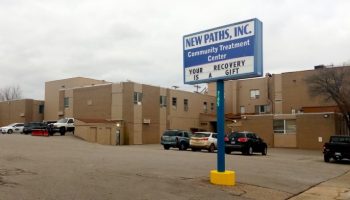

Drug and alcohol detox programs in Flint are licensed by Michigan’s Department of Licensing and Regulatory Affairs (LARA), specifically through its Bureau of Community and Health Systems (BCHS).
The BCHS issues annual licenses to all residential withdrawal management programs, inpatient detox units, and outpatient SUD providers statewide and conducts compliance inspections under Michigan Administrative Code (R 325.1301-R 325.1399). The Michigan Department of Health and Human Services (MDHHS), through its Behavioral Health and Developmental Disabilities Administration (BHDDA), sets statewide SUD policy and directs opioid settlement funding to local programs.
At the county level, the Region 10 Prepaid Inpatient Health Plan (PIHP), administered in partnership with Genesee Health System, manages Medicaid-funded SUD services for residents of Genesee, Lapeer, Sanilac, and St. Clair counties.
Genesee County carries one of the highest drug overdose death rates in Michigan. Fentanyl is involved in the majority of local overdose deaths, and carfentanil, a synthetic opioid far more potent than fentanyl, was detected in Genesee County in early 2025. Understanding how to choose a detox center that offers medically supervised withdrawal management is especially important given the severity and unpredictability of the local drug supply.
Michigan opioid settlement funds are actively supporting programs in Flint. New Paths, Inc., a CARF-accredited provider, is the primary publicly funded SUD treatment organization in Genesee County, accepting patients through Medicaid or state block grant funding. The Genesee County Quick Response Team, staffed by New Paths peer recovery coaches, connects overdose survivors to treatment within 60 minutes of a non-fatal overdose.