517-826-0048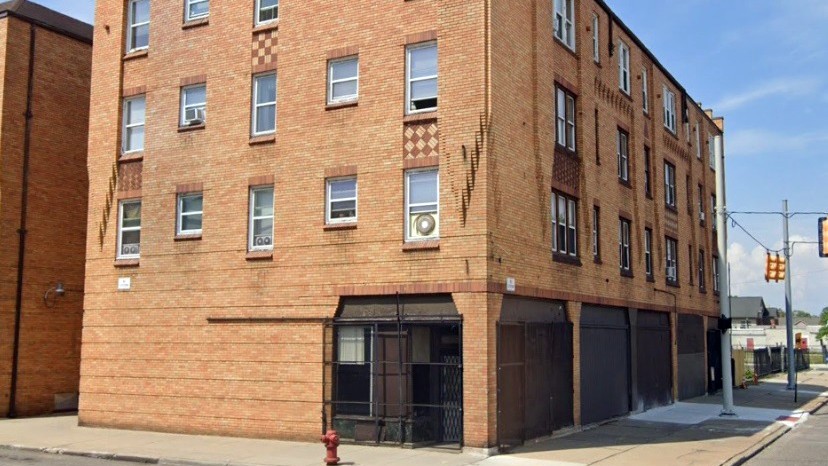
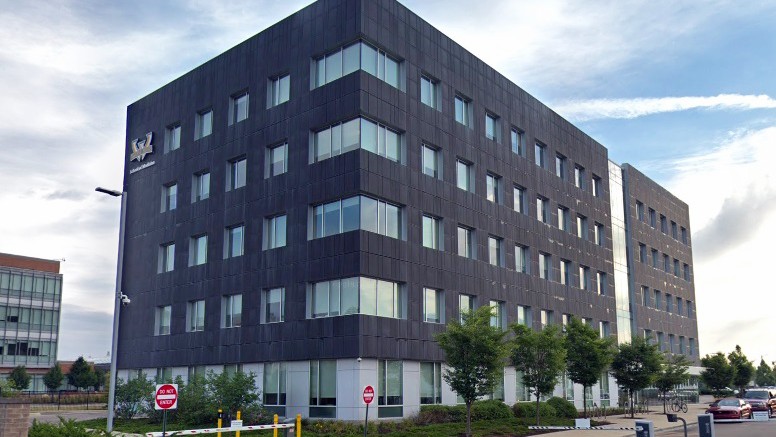
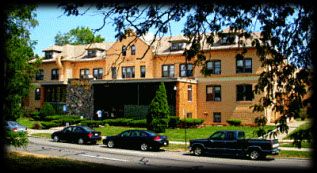
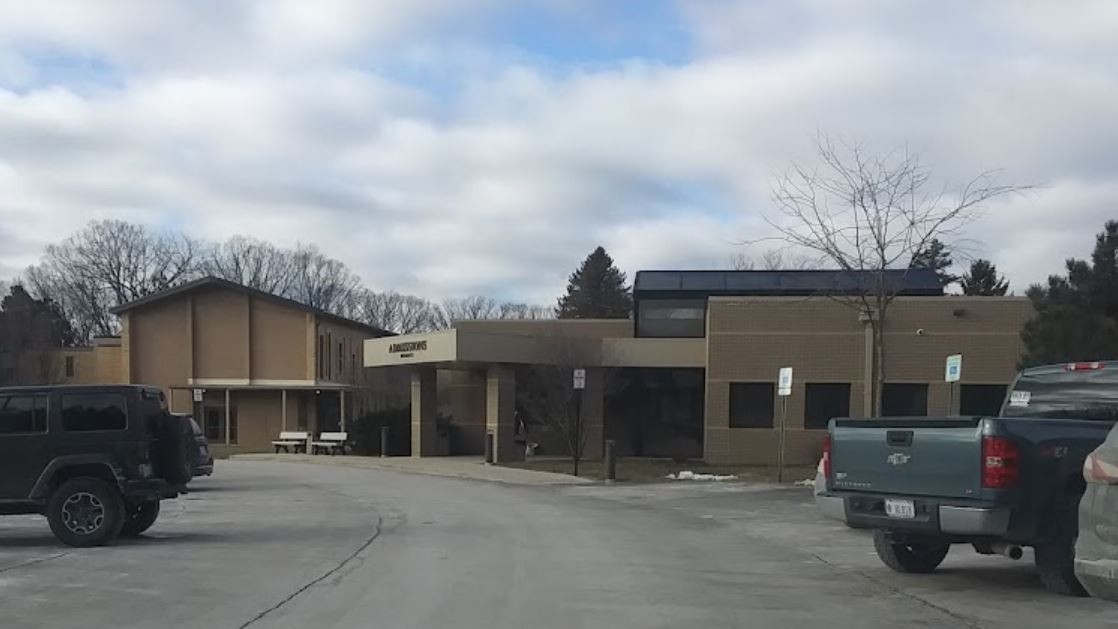
Lakeridge Village
Detroit, MI
48238
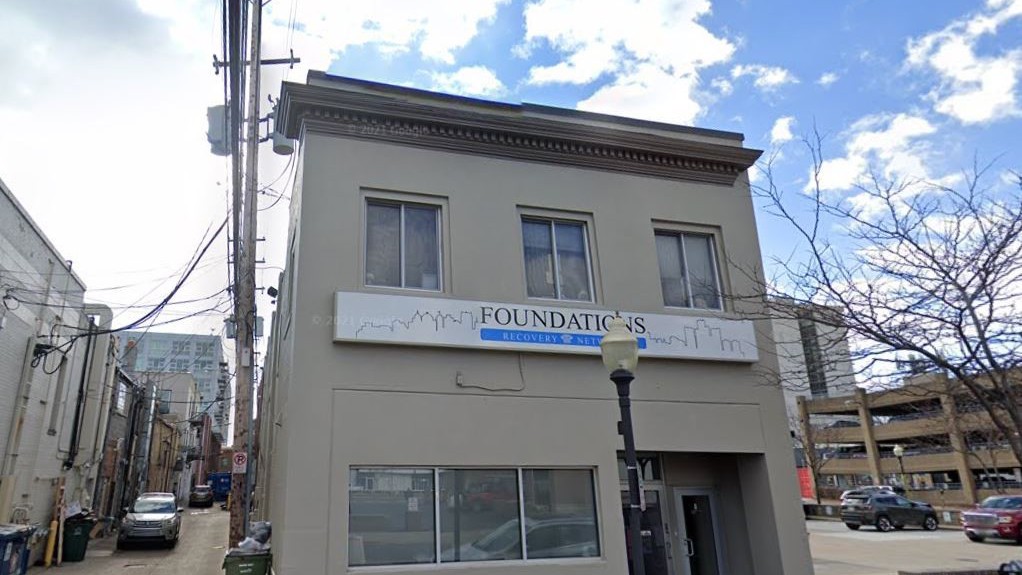
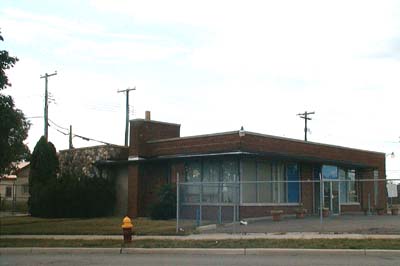
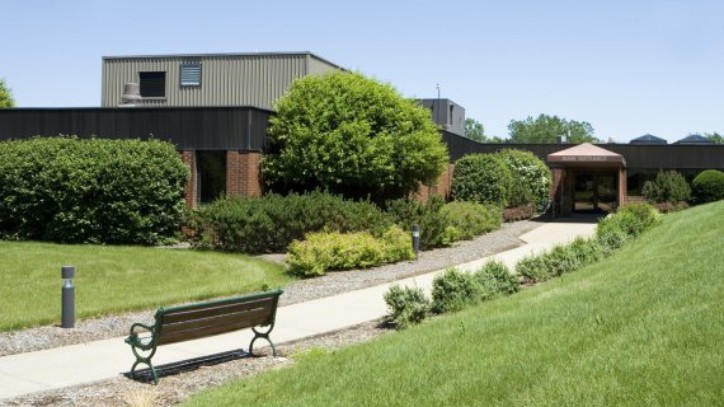
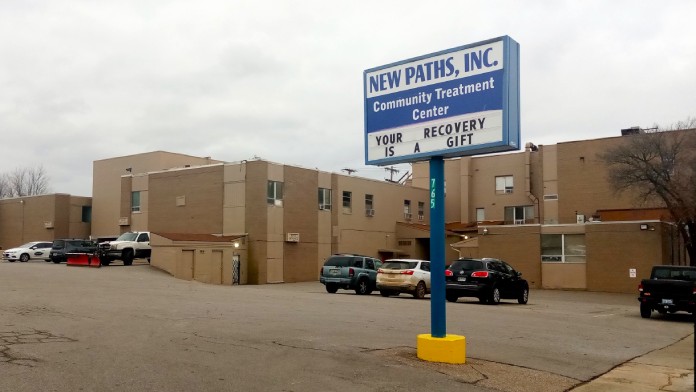
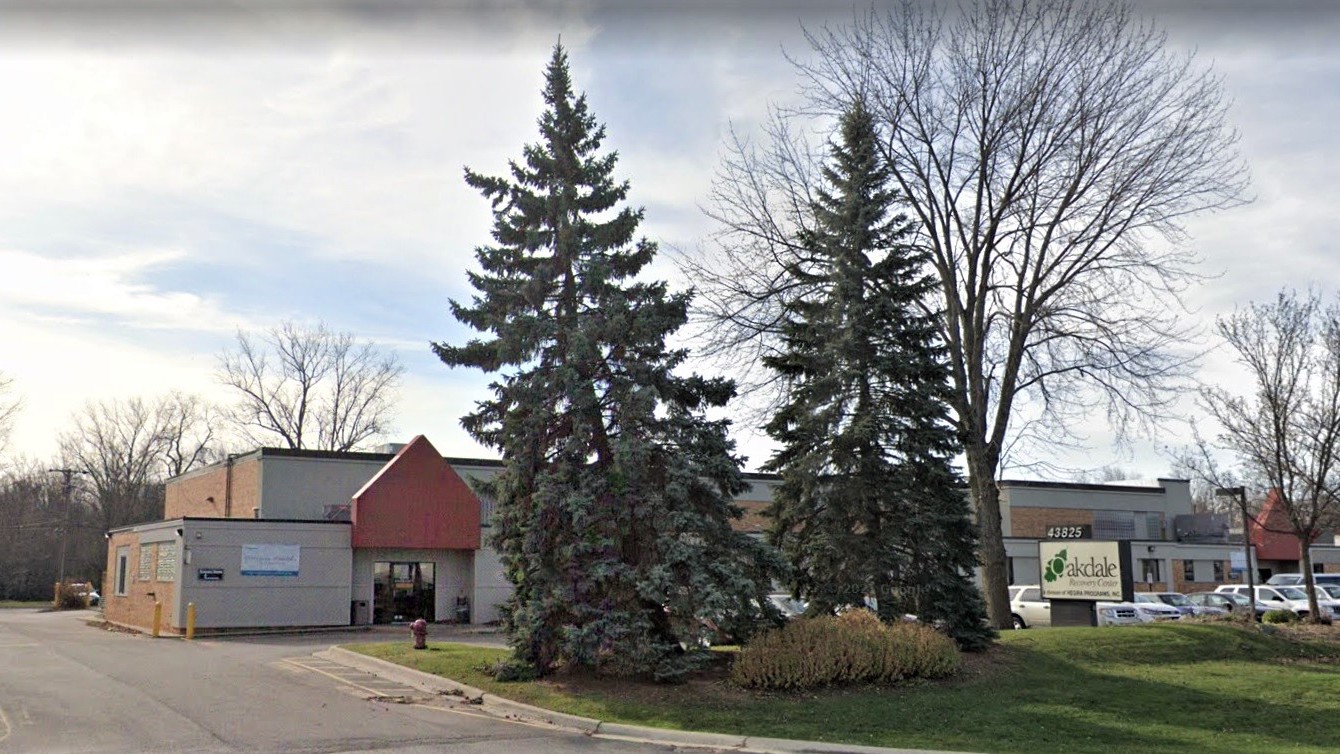
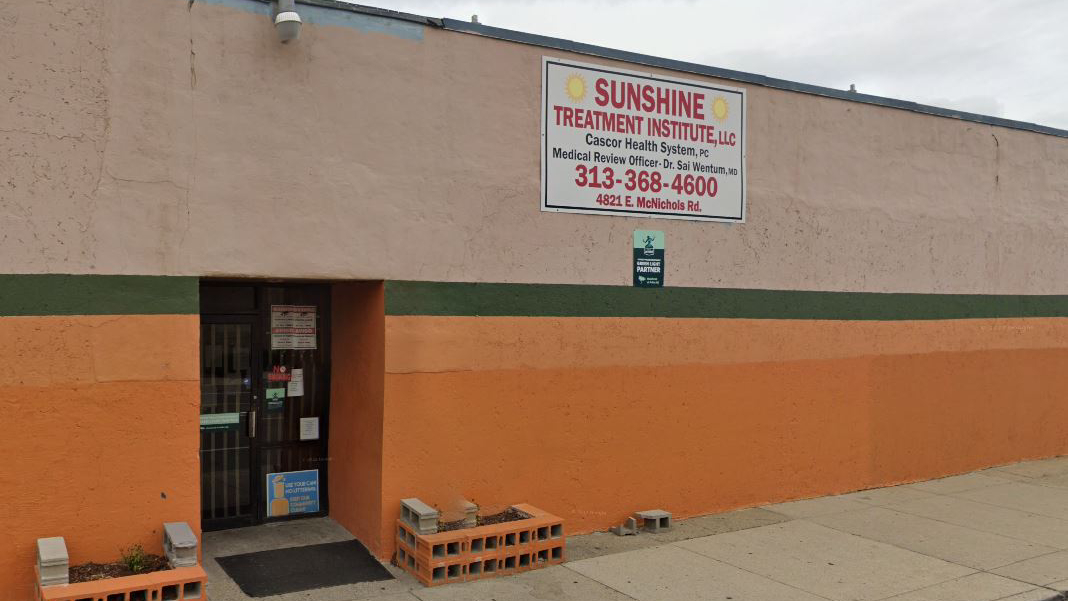
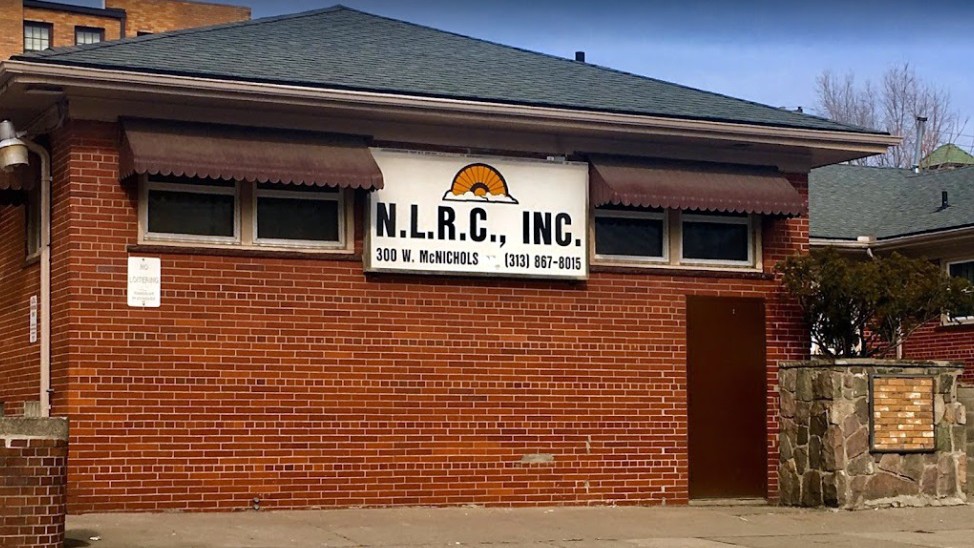

| Name | Address | Detox Service Setting | Levels Of Care | Media |
|---|---|---|---|---|
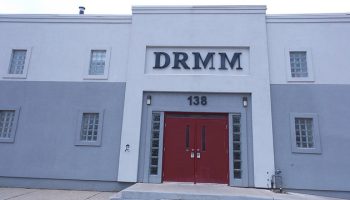
Detroit Rescue Mission Ministries |
150 Stimson Street Detroit, MI 48201 |
Detox Service Setting
Inpatient Detox
|
Levels Of Care
InpatientAftercareDual Diagnosis+2
|
|
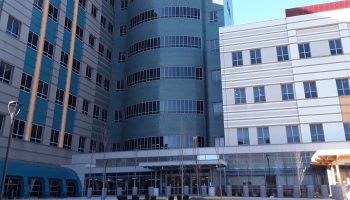
John D. Dingell VA Medical Center |
4646 John R Street Detroit, MI 48201 |
Detox Service Setting
Inpatient DetoxOutpatient Detox
|
Levels Of Care
InpatientOutpatientAftercare+2
|
|
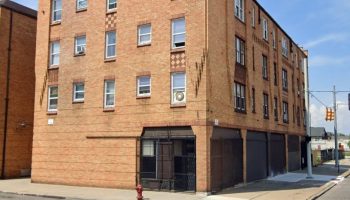
Lakeridge Village |
15941 Fairfield Street Detroit, MI 48238 |
Detox Service Setting
Inpatient DetoxOutpatient Detox
|
Levels Of Care
InpatientOutpatientDual Diagnosis+1
|
|
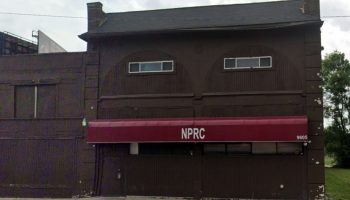
Nardin Park Recovery Center |
9605 West Grand River Avenue Detroit, MI 48204 |
Detox Service Setting
Outpatient Detox
|
Levels Of Care
OutpatientAftercareDual Diagnosis
|
|
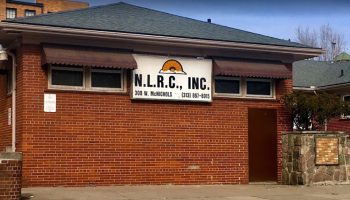
New Light Recovery Center |
300 West McNichols Road Detroit, MI 48203 |
Detox Service Setting
Outpatient Detox
|
Levels Of Care
OutpatientDual Diagnosis
|
|
SHAR |
1852 West Grand Boulevard Detroit, MI 48208 |
Detox Service Setting
Inpatient DetoxOutpatient DetoxMAT
|
Levels Of Care
InpatientOutpatient
|
|
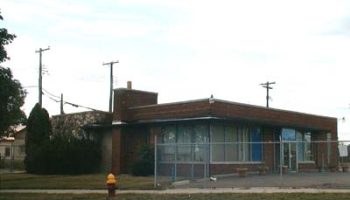
Star Center |
13575 Lesure Street Detroit, MI 48227 |
Detox Service Setting
Outpatient DetoxMAT
|
Levels Of Care
Outpatient
|
|
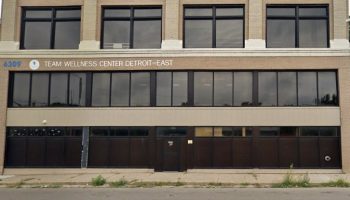
Team Wellness Centers Team East Mack Avenue |
6309 Mack Avenue Detroit, MI 48207 |
Detox Service Setting
Outpatient Detox
|
Levels Of Care
OutpatientDual Diagnosis
|
|
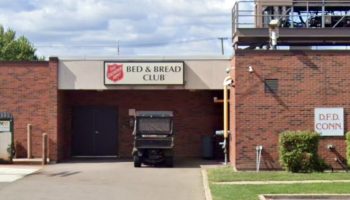
The Salvation Army Harbor Light Booth Services |
3737 Humboldt Street Detroit, MI 48208 |
Detox Service Setting
Inpatient DetoxOutpatient Detox
|
Levels Of Care
InpatientOutpatientAftercare+2
|
|
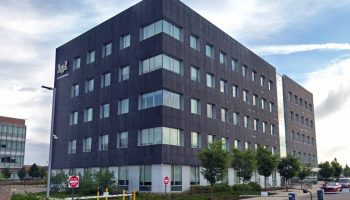
Tolan Park Research Clinic |
3901 Chrysler Service Drive Detroit, MI 48212 |
Detox Service Setting
Outpatient Detox
|
Levels Of Care
OutpatientDual Diagnosis
|
|
Conner Creek Health Center |
4777 Outer Dr E Detroit, MI 48234 |
Detox Service Setting
Inpatient DetoxOutpatient DetoxMAT
|
Levels Of Care
InpatientOutpatientPHP+1
|
|
Metro East Drug Treatment Corporation |
13929 Harper Avenue Detroit, MI 48213 |
Detox Service Setting
Outpatient DetoxMAT
|
Levels Of Care
Outpatient
|
|
New Life Home for Recovering Women – Closed |
17131 Gitre Street Detroit, MI 48205 |
Detox Service Setting
Inpatient DetoxOutpatient DetoxMAT
|
Levels Of Care
InpatientOutpatientDual Diagnosis+1
|
|
Quality Behavioral Health – Outpatient |
7220 Gratiot Avenue Detroit, MI 48213 |
Detox Service Setting
Inpatient DetoxOutpatient Detox
|
Levels Of Care
InpatientOutpatientAftercare+1
|
|
Quality Behavioral Health Inc |
751 East Grand Boulevard Detroit, MI 48207 |
Detox Service Setting
Inpatient DetoxOutpatient DetoxMAT
|
Levels Of Care
InpatientOutpatientDual Diagnosis
|
|
Salvation Army Harbor Light System Subst Abuse Ctr/Women/Children/Men |
3737 Lawton Street Detroit, MI 48208 |
Detox Service Setting
Inpatient DetoxOutpatient DetoxMAT
|
Levels Of Care
InpatientOutpatientPHP
|
|
StoneCrest Center |
15000 Gratiot Avenue Detroit, MI 48205 |
Detox Service Setting
Hospital DetoxInpatient DetoxOutpatient Detox
|
Levels Of Care
InpatientOutpatientDual Diagnosis
|
Detroit sits at the center of one of Michigan’s most acute overdose crises. In fact, the city accounts for more than 15% of Michigan’s total opioid deaths despite representing a fraction of the state’s population.
Treatment and detox facilities operating in Detroit are licensed and regulated by the Michigan Department of Licensing and Regulatory Affairs (LARA), which oversees substance use disorder programs statewide. They must also comply with standards set by the Michigan Department of Health and Human Services (MDHHS).
Additionally, local behavioral health coordination falls under the Detroit Wayne Integrated Health Network (DWIHN), the publicly funded managed care entity for Wayne County. DWIHN operates a 24/7 access line at 800-241-4949 that can match residents with detox, residential or outpatient care based on their coverage and immediate needs.
So, what’s being done? Two major initiatives launched in late 2024 and early 2025 reflect the city’s shift toward a harm-reduction-first approach. In September 2024, Detroit launched its Quick Response Team (QRT), a 24/7 program funded by national opioid settlement dollars that follows up with overdose survivors after Detroit Fire Department intervention and connects them directly to drug and alcohol detox programs.
In April 2025, the Detroit Health Department also deployed 25 Harm Reduction Wellness Stations across neighborhoods with the highest overdose rates, stocked with free naloxone kits, fentanyl test strips and xylazine test strips.
Of great concern is that Wayne County’s fentanyl-contaminated drug supply also now increasingly contains adulterants, including xylazine and medetomidine, a veterinary tranquilizer detected in Wayne County overdose deaths beginning in 2024. Both suppress respiration and do not respond to naloxone.
People seeking detox in Detroit should tell intake staff about any recent exposure to these substances, as withdrawal management protocols may need to account for polysubstance dependency.
Getting into detox is the priority. Understanding costs and coverage ahead of time helps remove one barrier from an already difficult decision. Detroit has a mix of private, Medicaid-funded and state-supported programs, and people with little or no insurance have real options.
Knowing how much detox costs and what your insurance actually covers can make the difference between acting today and waiting.
Detox costs in Detroit vary significantly based on the level of medical supervision required, the substance involved and whether the facility is private-pay, nonprofit, or publicly funded. For instance, opioid and alcohol withdrawal often require the highest level of monitoring, which drives up cost.
Michigan’s Department of Insurance and Financial Services (DIFS) regulates commercial insurance plans and enforces state parity requirements, which mandate that insurers cover substance use disorder treatment at the same level as other medical conditions.
In practice, coverage depth varies by plan, network and level of care. So, contacting your insurer before admission to verify in-network detox facilities is recommended.
The most common commercial insurance companies in the Detroit market include:

Medicare covers medically supervised detox in Detroit under Part A for inpatient hospital-based programs and under Part B for outpatient detox and opioid treatment program (OTP) services, including methadone, buprenorphine and naltrexone. Keep in mind that standard deductibles and copays apply depending on the care setting and plan type.
Michigan’s Medicaid expansion program is the Healthy Michigan Plan (HMP), administered through MDHHS and managed locally by DWIHN.
The Healthy Michigan Plan covers detox, residential treatment, outpatient programs and MAT for eligible adults ages 19 to 64 with incomes up to 138% of the federal poverty level. DWIHN coordinates this coverage for Wayne County residents and can connect uninsured or underinsured individuals with state-funded providers directly through its access line.
Cost should not be the reason someone waits to get help. Detroit has several programs that make treatment accessible regardless of insurance status:

Adult Well-Being Services (1423 Field Street, Detroit) provides substance use counseling and treatment on an ability-to-pay basis. The program will not turn anyone away for inability to pay, and fees are adjusted to match individual income.
The Detroit Wayne Integrated Health Network uses state and federal SUD funding to directly fund treatment services for Wayne County residents who are uninsured or underinsured. Calling the 24/7 access line (800-241-4949) is the fastest way to identify open placements.
The Salvation Army Harbor Light Center in Detroit offers a full continuum of care, including detox (typically 3 to 5 days), residential treatment and outpatient services, with free or low-cost options for those without coverage.
CareFirst Community Health Services in Detroit accepts Medicaid and uses sliding-scale fees for uninsured patients, offering outpatient behavioral health services, including SUD treatment.
Detroit-area veterans can access detox and SUD treatment through the John D. Dingell VA Medical Center (4646 John R. Street, Detroit), which provides inpatient detox and MAT for eligible veterans at no cost.
Detox facilities in Detroit operate under a multi-layer regulatory structure. Therefore, understanding who oversees these programs helps people assess the legitimacy of a provider before seeking admission.
For anyone beginning the search for medication-assisted treatment during or after detox, knowing how MAT access is regulated in Michigan is important.
LARA is the primary state licensing authority for all substance use disorder treatment facilities in Michigan, including detox programs.
LARA inspects facilities before licensure and conducts periodic compliance reviews.
Prospective patients can verify any facility’s active license using LARA’s public license lookup tool before admission.
MDHHS funds and oversees the state’s broader SUD treatment system through its Office of Recovery-Oriented Systems of Care, sets clinical standards for Medicaid-funded SUD services and coordinates opioid settlement fund allocation.
DWIHN administers the Medicaid behavioral health benefit for Wayne County residents and contracts with licensed SUD providers in the Detroit area.
It also receives State Opioid Response (SOR) grant funding, which specifically supports uninsured and underinsured individuals seeking opioid use disorder (OUD) treatment in Wayne County.
Methadone providers in Michigan must obtain licensure from LARA, approval from the State Board of Pharmacy, and federal approval from both the Food and Drug Administration (FDA) and the Drug Enforcement Administration (DEA).
This means not every detox facility can dispense methadone on-site; patients needing methadone maintenance are typically referred to licensed OTPs.
MAT options in Detroit include:
Available at licensed outpatient programs and through buprenorphine-waivered prescribers. DWIHN and Detroit Recovery Project both facilitate access through their provider networks. Buprenorphine can be initiated in many outpatient and emergency settings under Michigan’s expanded prescribing guidelines.
Available through licensed opioid treatment programs (OTPs) operating under the combined oversight of LARA, FDA, and DEA. Detroit has several active OTPs accessible to Medicaid patients. DWIHN’s SOR grant funding helps cover OTP costs for uninsured Wayne County residents.
Available in both oral and extended-release injectable forms at licensed outpatient SUD programs and some primary care settings following detox completion. Naltrexone requires full opioid clearance before initiation.
Detroit has substantially expanded its harm reduction infrastructure since 2023, funded largely by national opioid settlement proceeds. For people who are not yet ready for formal detox, harm reduction resources can prevent fatal overdoses and create a connection point to treatment.
Understanding fentanyl and the risks it presents is part of the picture, especially given that Detroit’s drug supply is heavily contaminated with synthetic opioids and increasingly with veterinary tranquilizers like xylazine and medetomidine.
Detroit’s Harm Reduction Wellness Stations are vending machines, newsstands and countertop displays deployed in neighborhoods with the highest overdose rates.
Funded by opioid settlement dollars, the program launched in April 2025 with 25 stations and plans to expand to 50. Supplies are available 24/7 with no registration required.
The Wayne County Department of Health, Human, and Veterans Services operates Well Wayne Stations at locations throughout the county, including in Dearborn at ACCESS and at multiple Corewell Health sites.
The station network is part of the county’s broader End Overdose Wayne initiative. A live map of station locations is available at endoverdosewayne.org.
DWIHN operates Wayne County’s comprehensive behavioral health and SUD response system.
Its SUD services team conducts community Narcan trainings, operates drug take-back drop boxes at all 11 Detroit Police Department precincts and coordinates the State Opioid Response grant that funds direct treatment for uninsured Wayne County residents.
The Youth Connection has trained more than 6,700 individuals in naloxone administration and distributed 7,600 naloxone kits across Detroit, with a particular focus on reaching Black residents and communities of color who face disproportionately higher overdose mortality rates.
The organization trains community members, block clubs, churches, schools and senior facilities.
Services: , , , and.
SOOAR operates a licensed syringe service program serving Detroit and surrounding Wayne County communities. The organization was among the first to operate a legal SSP outside Detroit city limits following the decriminalization of paraphernalia in partnering municipalities.
SOOAR’s Boots on the Ground outreach team conducts direct community outreach to people who use drugs, including those experiencing homelessness.
Detroit continues to face one of the most severe overdose crises among major U.S. cities. Progress is emerging from expanded harm reduction and treatment efforts, but the toxic drug supply and racial disparities in overdose mortality remain pressing public health challenges.
Detroit recorded an estimated 432 overdose deaths in 2023, representing more than 15% of Michigan’s total statewide opioid fatalities that year.
Michigan’s statewide overdose deaths fell approximately 34% between 2023 and 2024, roughly 1,000 fewer deaths, marking the state’s third consecutive year of decline.
Based on preliminary 2023 data, Black Michigan residents died from overdoses at 2.7 times the rate of white residents. In 2022, 28% of all Michigan overdose deaths were among Black residents.
Call DWIHN’s 24/7 access line at 800-241-4949. When you call, tell them your insurance status (Medicaid, private insurance, or uninsured) and whether you need detox, residential or outpatient care.
DWIHN can identify contracted providers with current availability and, for Medicaid-eligible residents, authorize placement on the call.
Detroit Recovery Project (313-365-3100) is also a useful entry point.
Yes. Michigan’s Healthy Michigan Plan covers detox, residential treatment, outpatient services and MAT for eligible adults.
DWIHN manages the Medicaid behavioral health benefit for Wayne County and directly funds state-backed care for residents who are uninsured or underinsured.
Eligibility and enrollment can be handled through MDHHS or by calling DWIHN.
Tell intake staff directly. Fentanyl and xylazine together require different medical management than opioids alone. Xylazine does not respond to naloxone, so medical staff need to know it may be present to monitor respiratory and cardiovascular function appropriately during withdrawal. Wayne County’s drug supply increasingly contains both substances, and facilities in Detroit are aware of this.
The Detroit Quick Response Team (QRT) is a city-funded program that follows up with individuals within 24 to 72 hours after an opioid overdose treated by Detroit Fire Department paramedics.
QRT staff, many of whom have lived experience with addiction, offer immediate connections to treatment, harm reduction, housing and employment services. The program operates 24/7 and can be reached at 833-202-4673.
Yes. State-funded inpatient and residential detox is available through DWIHN-contracted providers for uninsured Wayne County residents.
The Salvation Army Harbor Light Center in Detroit also offers medically supervised detox programs (typically 3 to 5 days) at no cost for individuals without insurance or the ability to pay. Arrival timing and availability vary; calling ahead through DWIHN is recommended.
Supervised alcohol detox is available at multiple Detroit facilities, including hospital-based programs at Henry Ford Health and Detroit Medical Center.
Alcohol withdrawal carries the risk of life-threatening seizures and delirium tremens, making medical supervision critical. People attempting to stop drinking after prolonged heavy use should not attempt to withdraw without medical oversight.