

 605-223-4715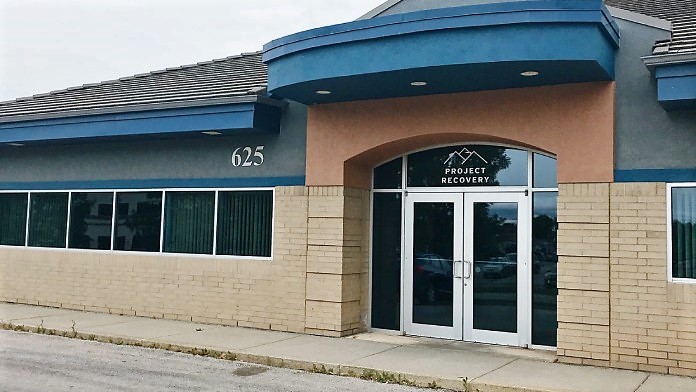
Project Recovery
Rapid City, SD
57701
| Name | Address | Detox Service Setting | Levels Of Care | Media |
|---|---|---|---|---|
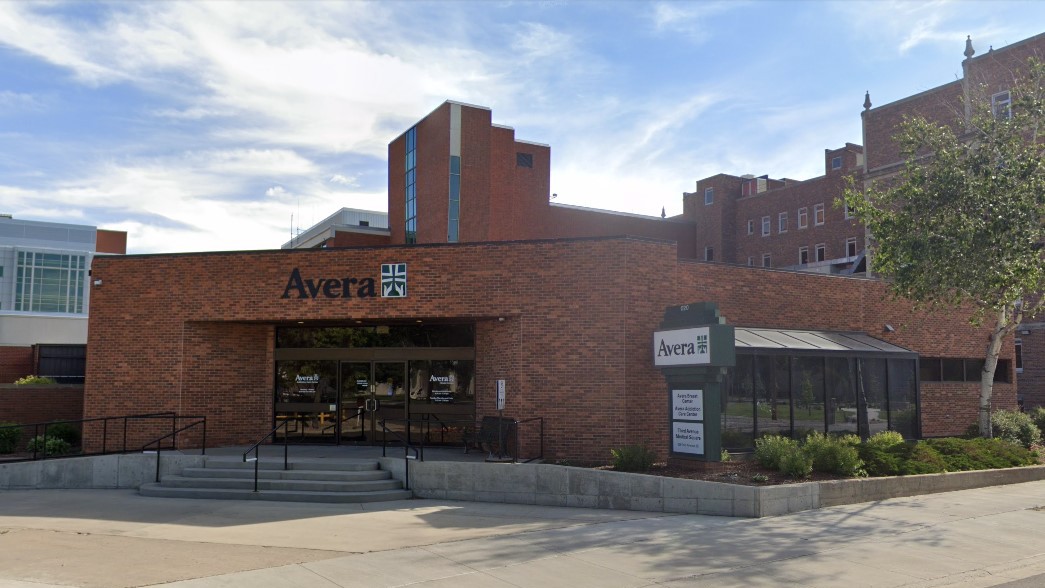
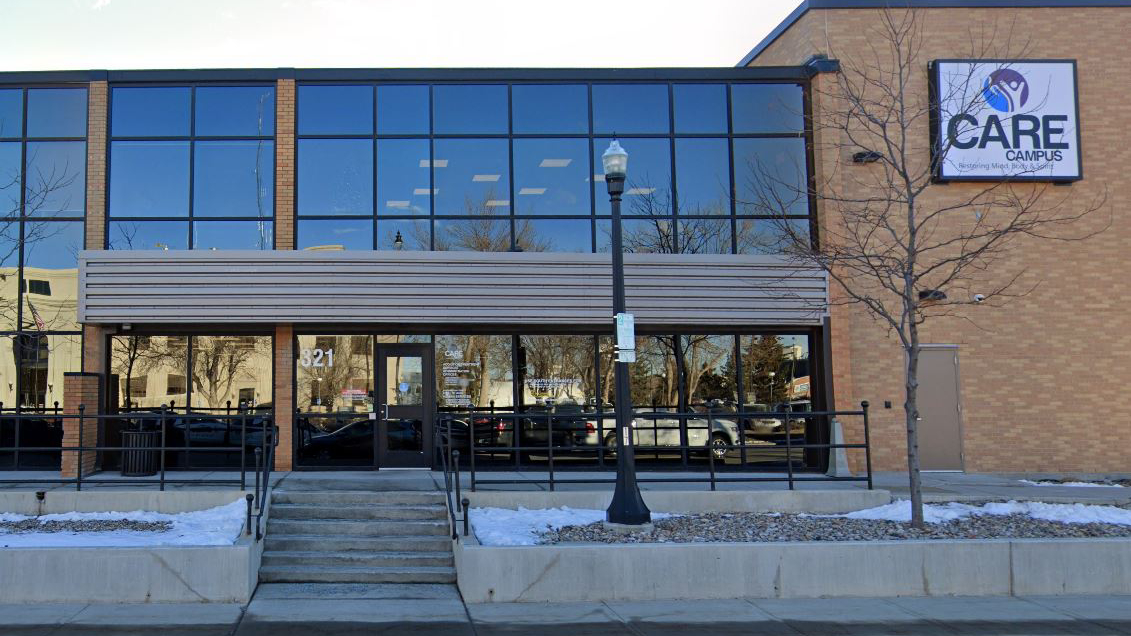
Avera Addiction Care Center Aberdeen |
620 3rd Avenue Southeast Aberdeen, SD 57401 |
Detox Service Setting
Inpatient DetoxOutpatient DetoxMAT
|
Levels Of Care
InpatientPHPOutpatient+2
|
|
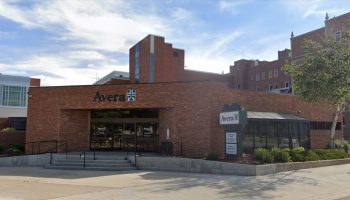
Avera Behavioral Health Hospital |
4400 West 69th Street Sioux Falls, SD 57108 |
Detox Service Setting
Inpatient DetoxOutpatient DetoxMAT
|
Levels Of Care
InpatientPHPOutpatient+3
|
|
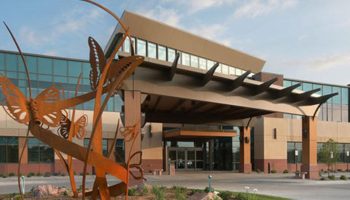
Pennington Country Care Campus Addiction Treatment |
321 Kansas City Street Rapid City, SD 57701 |
Detox Service Setting
Inpatient DetoxOutpatient Detox
|
Levels Of Care
InpatientOutpatientDual Diagnosis+1
|
|
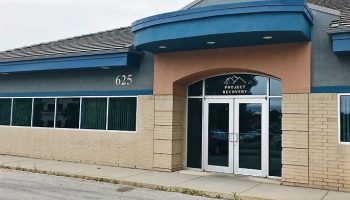
Project Recovery |
625 Flormann St Rapid City, SD 57701 |
Detox Service Setting
Inpatient DetoxOutpatient Detox
|
Levels Of Care
InpatientOutpatient
|
|
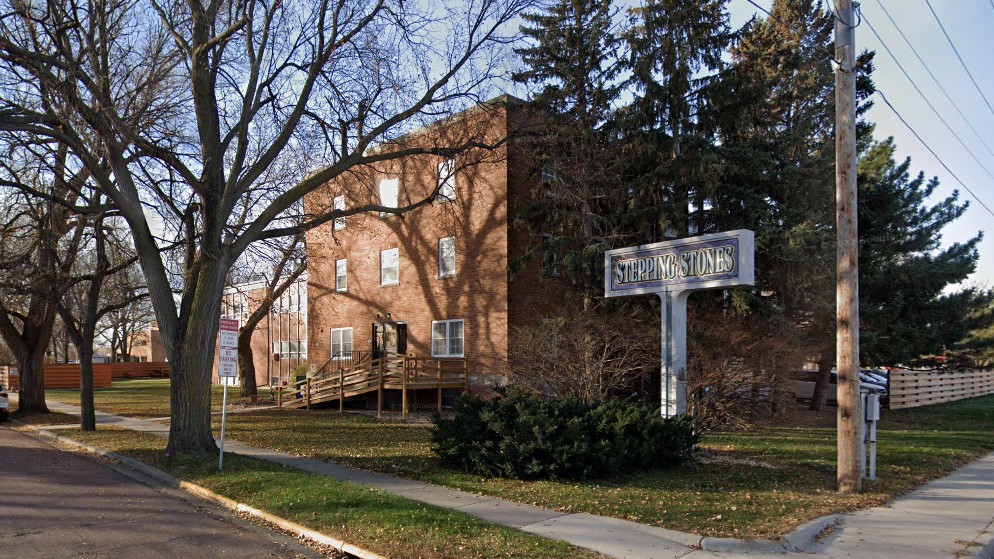
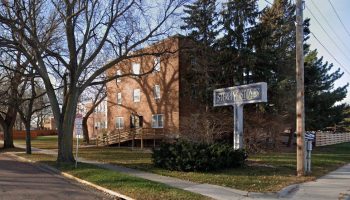
Stepping Stones Rehabilitation Services |
901 South Miller Avenue Mitchell, SD 57301 |
Detox Service Setting
Inpatient DetoxOutpatient Detox
|
Levels Of Care
InpatientOutpatientAftercare+2
|
|
Crisis Care Center Rapid City – Closed |
321 Kansas City St Rapid City, SD 57701 |
Detox Service Setting
Inpatient DetoxOutpatient Detox
|
Levels Of Care
InpatientOutpatient
|
|
Keystone Treatment Center |
1010 East 2nd Street Canton, SD 57013 |
Detox Service Setting
Inpatient Detox
|
Levels Of Care
Inpatient
|
|
Keystone Treatment Center – Sioux Falls |
3800 S Kiwanis Ave Sioux Falls, SD 57105 |
Detox Service Setting
Inpatient DetoxOutpatient Detox
|
Levels Of Care
InpatientOutpatient
|
|
Prairie View Prevention Services |
822 E 41st St Sioux Falls, SD 57105 |
Detox Service Setting
Inpatient DetoxOutpatient Detox
|
Levels Of Care
InpatientOutpatient
|
|
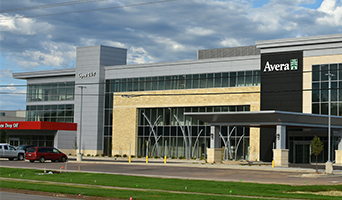
Avera Medical Group Family Health Center – Marion Road |
2100 South Marion Road Sioux Falls, SD 57106 |
Detox Service Setting
Inpatient DetoxOutpatient DetoxHospital Detox+1
|
Levels Of Care
InpatientOutpatientPHP
|
|
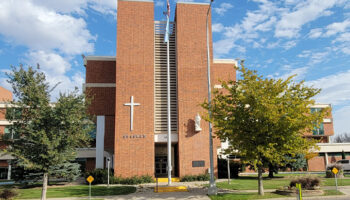
Avera St. Luke’s Hospital |
305 South State Street Aberdeen, SD 57401 |
Detox Service Setting
Outpatient Detox
|
Levels Of Care
OutpatientDual DiagnosisInpatient+1
|
|
City/County Alcohol and Drug Programs |
725 North Lacrosse Street Rapid City, SD 57701 |
Detox Service Setting
Inpatient Detox
|
Levels Of Care
|
|
Human Service Agency |
123 19th Street Northeast Watertown, SD 57201 |
Detox Service Setting
Outpatient DetoxMAT
|
Levels Of Care
OutpatientSober Living
|
|
Teen Challenge of the Dakotas |
600 West 16th Ave S Brookings, SD 57006 |
Detox Service Setting
Hospital DetoxInpatient Detox
|
Levels Of Care
InpatientAftercare
|
South Dakota’s overdose crisis looks unlike most of the country. Throughout the state, methamphetamine and fentanyl drive nearly equal shares of deaths, rather than fentanyl alone. In fact, in 2024, methamphetamine was involved in 42 percent of overdose deaths statewide, which was more than any other single drug. The state has responded with programs like Intensive Methamphetamine Treatment, a long-term evidence-based program specifically for people with severe methamphetamine use disorder, something few states offer as a distinct treatment track.
Unfortunately, the burden of this crisis falls unevenly across the population. American Indians in South Dakota die of overdose at a rate 4.4 times higher than white residents. To help combat this problem, seven of the state’s 39 substance use grant programs are specifically directed toward tribal communities.
South Dakota’s substance use disorder treatment programs are accredited by the Department of Social Services, Division of Behavioral Health, through its Office of Licensing and Accreditation, under Administrative Rule 67:61. Chemical dependency treatment facilities that provide medical detox are separately licensed as health care facilities by the South Dakota Department of Health.
Anyone researching detox should know that recent state data shows overdose deaths declining for a second straight year, even as opioid-involved deaths ticked upward in 2025, a sign the picture keeps shifting substance by substance.
South Dakota detox costs vary by facility type, whether care is delivered through a DOH-licensed chemical dependency facility or a DSS-accredited outpatient or residential program. By reviewing how much detox costs, you can develop a clearer understanding of what to expect before applying your insurance or Medicaid.
All four levels below reflect South Dakota-specific averages. With roughly six withdrawal management programs statewide, rural residents may need to factor in travel to reach one. These are cash-pay figures before insurance, Medicaid, or other aid; most people with coverage pay significantly less.
Medicare covers medically necessary detox and OTP services, including methadone, buprenorphine, and naltrexone, under Part B for South Dakota beneficiaries. Cost-sharing depends on treatment setting.
South Dakota Medicaid, administered by the Department of Social Services, covers SUD treatment including detox, residential care, outpatient services, and MAT. In 2023, the state expanded Medicaid eligibility to adults earning up to 138 percent of the federal poverty level, which widened access to coverage.
Several options can help people without insurance pay for treatment, including:

DSS has issued Behavioral Health Funding Opportunity grants using opioid settlement funds, with seven of the state’s 39 substance use grants specifically targeting tribal communities.
Many South Dakota treatment centers offer sliding-fee scales and payment plans for residents without commercial insurance.
DSS-contracted SUD agencies can deliver screenings and treatment via telehealth, with financial assistance available to reduce the cost of travel for rural residents.
The Division of Behavioral Health’s county-specific locator connects residents to the nearest low-cost SUD and mental health treatment services.
The following agencies regulate detox and SUD treatment in South Dakota:
This office accredits SUD treatment and prevention programs, including outpatient, residential, and detoxification services, under Administrative Rule 67:61. See olapublic.sd.gov.
DOH licenses chemical dependency treatment facilities as health care facilities and operates the State Unintentional Drug Overdose Reporting System, the state’s primary overdose surveillance tool.
BAPP licenses addiction counselors in South Dakota, including the Licensed Addiction Counselor credential that requires 2,000 hours of supervised experience.
This committee reviews statewide overdose data and guides how opioid settlement funds are allocated toward treatment, naloxone distribution, and prevention across South Dakota. See dss.sd.gov.
Medication-assisted treatment in South Dakota is regulated federally under SAMHSA’s 42 CFR Part 8 and DEA rules, with DSS accrediting opioid treatment programs at the state level. Because medication-assisted treatment access has historically lagged in rural areas, DSS-contracted agencies increasingly offer telehealth MAT initiation alongside financial assistance for residents who cannot easily reach a certified provider.
Buprenorphine is available through outpatient prescribers and telehealth across South Dakota, making it the most accessible MAT option for residents in the state’s many rural counties. It is covered under South Dakota Medicaid with limited cost-sharing requirements.
Methadone requires daily dosing at a certified opioid treatment program. Most of South Dakota’s OTPs are concentrated in its larger cities, creating real travel burdens for residents on tribal lands and other rural areas.
Naltrexone requires no special OTP licensing and can be prescribed by any qualified provider statewide. Given how heavily methamphetamine drives South Dakota’s overdose deaths, some programs pair naltrexone for opioid or alcohol use disorder with dedicated stimulant-focused counseling.
South Dakota’s harm reduction efforts increasingly focus on getting naloxone into the right hands in the right places, not just distributing it broadly. As methamphetamine and fentanyl drive nearly equal shares of overdose deaths, the state has partnered with nonprofits to place naloxone in everyday community spaces rather than relying only on clinical settings.
These programs are designed to keep people alive long enough to reach detox and treatment when they are ready.
Through a partnership with the state, Emily’s Hope has distributed over 22,000 naloxone kits to public spaces across South Dakota, from hospital lobbies to repurposed magazine racks.
This public data and education hub tracks South Dakota’s overdose trends in near real time, helping residents and providers understand where naloxone and other interventions are most needed.
South Dakota’s 988 line connects callers to trained Helpline Center counselors who can assess substance use concerns and make referrals. These services are available around the clock statewide.
Using SUDORS data, DOH is working to correct naloxone oversupply in some counties, like the Sioux Falls area, while closing gaps in the roughly 48 counties still below their distribution target.
South Dakota’s overdose numbers are trending down overall, even as the substances involved keep shifting between methamphetamine, fentanyl, and now more broadly to opioids.
South Dakota drug overdose deaths declined to 83 in 2025 from 94 in 2024, well below the 2021 peak of 104, with methamphetamine-involved deaths cut roughly in half. Source: South Dakota Searchlight.
South Dakota alcohol-related deaths rose 19 percent, from 306 in 2023 to 365 in 2024, giving the state the third-highest age-adjusted alcohol death rate in the nation. Source: South Dakota Department of Health.
Methamphetamine was involved in 42 percent of South Dakota’s overdose deaths in 2024, more than any other drug, including fentanyl. Source: USAFacts.
Yes. Intensive Methamphetamine Treatment (IMT) offers long-term, evidence-based programming specifically for people with severe methamphetamine use disorder, a distinct treatment track many states do not offer separately.
Yes. Seven of South Dakota’s 39 substance use treatment and prevention grants specifically target tribal communities, and residents can also access care through Indian Health Service and tribal health facilities.
The Division of Behavioral Health maintains a county-specific locator for substance use disorder and mental health treatment services, and many DSS-contracted agencies offer telehealth screening and treatment with financial assistance available.
Emily’s Hope, in partnership with the state, has placed free naloxone kits in libraries, gas stations, grocery stores, and hospital lobbies across South Dakota. You should also check Let’s Be Clear SD for the latest distribution data in your county.
State data shows overall overdose deaths declined in 2025, driven largely by a sharp drop in methamphetamine deaths. However, opioid-related deaths grew slightly, from 39 in 2024 to 41 in 2025, suggesting the drug supply is still shifting.


Cary has more than three decades of nursing expertise as an LPN and holds a bachelor’s degree in Liberal Arts. She is also working toward a Master’s degree focused on public health policy. Her professional journey has been dedicated to addressing healthcare disparities for both adults and children.