Find Drug & Alcohol Detox Centers in Pittsburgh, PA

Search Pittsburgh detox centers. There are 15 inpatient detox, 18 outpatient, and 4 medication assisted detox centers in Pittsburgh. Explore treatment options for alcohol, opiate or prescription drug addiction and begin healing today.

Detox Centers in Pittsburgh

18 Results
Filters
Payment Options
Treatment
Medications Offered
Programs
Setting
Name Address Detox Service Setting Levels Of Care Media

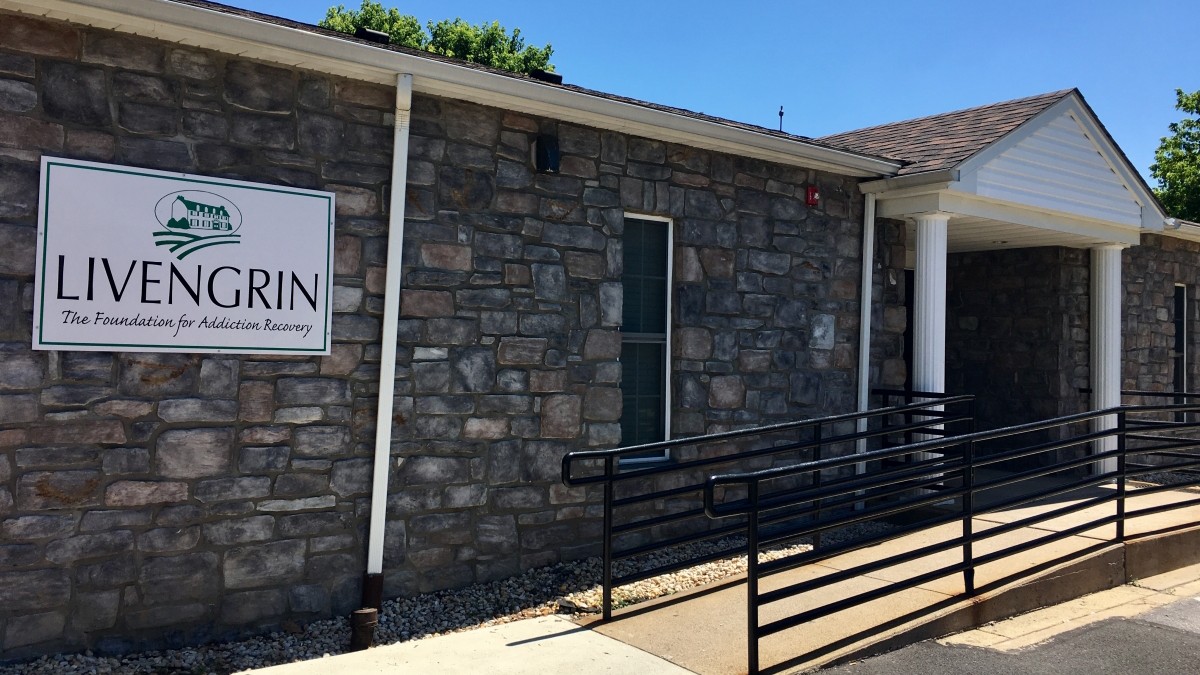
Gateway Rehabilitation Center – Green Tree

1016 Greentree Road Pittsburgh, PA 15220
Detox Service Setting
Inpatient DetoxOutpatient DetoxMAT
Levels Of Care
InpatientOutpatientIntensive Outpatient+1
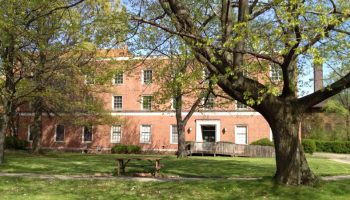
Gateway Rehabilitation Center – Green Tree

JADE Wellness Center Southside

809 Bingham Street Pittsburgh, PA 15203
Detox Service Setting
Inpatient DetoxOutpatient DetoxMAT
Levels Of Care
InpatientOutpatientIntensive Outpatient+2
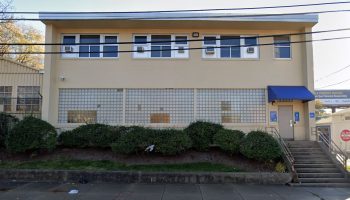
JADE Wellness Center Southside

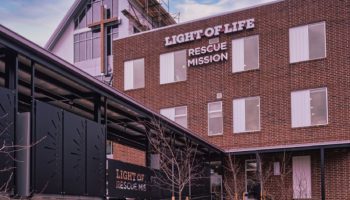
Light of Life Rescue Mission

234 Voeghtly St Pittsburgh, PA 15212
Detox Service Setting
Inpatient DetoxOutpatient Detox
Levels Of Care
InpatientOutpatient
Light of Life Rescue Mission

Pyramid Healthcare Pittsburgh Detox and Inpatient Treatment Center

306 Penn Avenue Pittsburgh, PA 15221
Detox Service Setting
Inpatient DetoxOutpatient DetoxMAT
Levels Of Care
InpatientOutpatientAftercare+3
Pyramid Healthcare Pittsburgh Detox and Inpatient Treatment Center

UPMC/Mercy Hospital Acute Medical Detox

1400 Locust Street Pittsburgh, PA 15219
Detox Service Setting
Hospital DetoxInpatient DetoxMAT
Levels Of Care
InpatientOutpatient
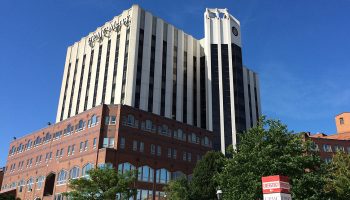
UPMC/Mercy Hospital Acute Medical Detox

VA Pittsburgh Healthcare System Center for Trt of Addictive Disorders

Dammond Drive Pittsburgh, PA 15213
Detox Service Setting
Inpatient DetoxOutpatient DetoxMAT
Levels Of Care
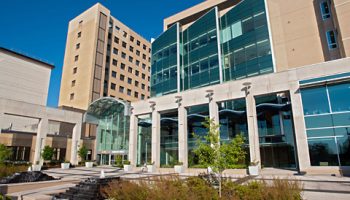
VA Pittsburgh Healthcare System Center for Trt of Addictive Disorders

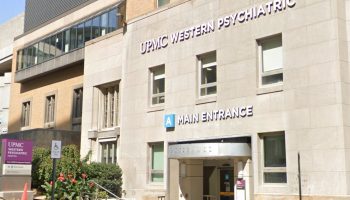
Western Psychiatric Institute and Clinic of UPMC

6714 Kelly Street Pittsburgh, PA 15208
Detox Service Setting
Outpatient Detox
Levels Of Care
OutpatientDual Diagnosis
Western Psychiatric Institute and Clinic of UPMC

Western Psychiatric Institute – Addiction Treatment Program

3811 O'Hara Street Pittsburgh, PA 15213
Detox Service Setting
Inpatient DetoxOutpatient DetoxMAT
Levels Of Care
InpatientOutpatientDual Diagnosis+2
Western Psychiatric Institute – Addiction Treatment Program

Alliance Medical Services of Pittsburgh Ensign 2

739 Ensign Avenue Pittsburgh, PA 15226
Detox Service Setting
Outpatient Detox
Levels Of Care
OutpatientAftercareDual Diagnosis

Allied Addiction Recovery, LLC

Park Building, 355 Fifth Avenue Pittsburgh, PA 15222
Detox Service Setting
Outpatient DetoxMAT
Levels Of Care
OutpatientDual DiagnosisSober Living

Gateway Rehab Green Tree

1016 Greentree Road Pittsburgh, PA 15220
Detox Service Setting
Outpatient Detox
Levels Of Care
Outpatient

Gateway Rehab Squirrel Hill

5818 Forbes Avenue Pittsburgh, PA 15217
Detox Service Setting
Inpatient DetoxOutpatient Detox
Levels Of Care
InpatientOutpatient

Mercy Behavioral Health 9th Street

264 S 9th St Pittsburgh, PA 15203
Detox Service Setting
Inpatient DetoxOutpatient Detox
Levels Of Care
InpatientOutpatient

Pittsburgh VA Medical Center

4100 Allequippa St Pittsburgh, PA 15240
Detox Service Setting
Inpatient DetoxOutpatient Detox
Levels Of Care
InpatientOutpatient

Renewal

326 Third Avenue Pittsburgh, PA 15222
Detox Service Setting
Inpatient DetoxOutpatient Detox
Levels Of Care
InpatientOutpatientAftercare+1

Tadiso

1425 Beaver Avenue Pittsburgh, PA 15233
Detox Service Setting
Outpatient Detox
Levels Of Care
OutpatientAftercareDual Diagnosis

Waddington Rehab Center

2681 Waddington Avenue Pittsburgh, PA 15226
Detox Service Setting
Hospital DetoxInpatient DetoxOutpatient Detox
Levels Of Care
InpatientOutpatientDual Diagnosis+1

Western Psychiatric Inst and Clinic CPCDS

3501 Forbes Avenue Pittsburgh, PA 15213
Detox Service Setting
Outpatient DetoxMAT
Levels Of Care
InpatientOutpatientIntervention+3

Drug & Alcohol Detox in Pittsburgh, PA

At the intersection of major academic medical systems and community focused public health initiatives is Pittsburgh’s drug and alcohol detoxification network.  The Pennsylvania Department of Drug and Alcohol Programs (DDAP) and the Allegheny County Department of Human Services (DHS) primarily regulate the local system. It treats addiction as part of your overall medical care.

Allegheny County is using opioid settlement payouts to expand access to care. These programs include harm reduction, low-barrier Medication-Assisted Treatment (MAT) and warm handoff programs in hospital emergency departments.

In Pittsburgh, treatment centers are concentrated around major medical hubs. For example,  Oakland and the East End house large-scale providers associated with UPMC and Allegheny Health Network (AHN).  Facilities like Gateway Rehab serve the South Side and surrounding suburbs.

The Pittsburgh Regional Transit (PRT) bus lines and light rail (the “T”) connect many underserved neighborhoods to central medical corridors. For people without a vehicle, this can mean the difference between getting treatment or not.  However, for those seeking immediate, state or county funded beds, waitlists can still be an obstacle.

A notable regional initiative is the expansion of Pennsylvania’s Centers of Excellence (COE) for opioid use disorder. Facilities like UPMC Western Psychiatric Hospital and AHN’s Center for Inclusion Health utilize this model to provide aggressive care coordination.

In an area where fentanyl is heavily identified in the local drug supply, connecting individuals transitioning out of detox with long term residential or outpatient services is a critical development.
 

Find The Perfect Detox Center For You

Filter treatment centers in Pittsburgh by level of care offered to find the best detox program for you or a loved one.

Paying for Detox in Pittsburgh

Understanding the cost of drug detox is important when seeking treatment.  The actual cost will depend on a mix of factors. The good news is that local financial solutions, insurance mandates that protect your rights and county funded programs can help with cost. These options help residents get the quality care they deserve regardless of their financial situation.


How Much Does Detox Cost in Pittsburgh?

The cost of detox in Pittsburgh depends on the level of care, program length and type of facility.

The more medical supervision is required, the higher the cost. Flexible alternatives such as outpatient and MAT programs are generally cheaper. Many Pittsburgh residents use insurance or Allegheny County block grants to offset these expenses.

Outpatient MAT programs combine prescribed medications with counseling and support. This lets you manage recovery while also maintaining your daily responsibilities. These costs are largely influenced by the specific medication prescribed.

Here are some average costs for detox and additional treatment in Pittsburgh.

$3,000 – $8,000
Medical Detox
$5,000 – $12,000
Inpatient Rehab
$1,000 – $2,500
Outpatient Rehab
$4,000 – $6,000
Methadone Treatment

Does Private Insurance Cover Detox in Pittsburgh?

In Pennsylvania, private insurance companies must comply with the Affordable Care Act and federal parity laws.

Mental health and substance abuse treatment coverage must be offered on the same level as standard medical and surgical benefits. Pennsylvania’s Insurance Department oversees compliance. The department ensures residents aren’t unfairly denied care.

Network status is essential. This matters when navigating systems like UPMC and Highmark, which have distinct provider networks.

The most common commercial insurance companies in Pittsburgh include:

Highmark
Upmc Health Plan
United Health Care
Aetna
Cigna

Medicare and Medicaid in Pittsburgh

Medicare

Medicare covers inpatient and outpatient alcohol and drug detox in Pittsburgh. For people needing medications for opioid use disorder such as methadone, buprenorphine and naltrexone, Part B will usually cover the cost.

Out of pocket expenses such as deductibles and copays depend on your Medicare plan and the treatment setting.

Medicaid

Medicaid in Pennsylvania, also known as Pennsylvania Medical Assistance, covers addiction services such as medical detox, residential treatment and outpatient care.

The Community Care Behavioral Health Organization (CCBH) manages these behavioral health benefits in Allegheny County.  It also requires coordination for in network placements.

Other Ways to Pay for Detox Treatment

Costs can feel overwhelming, but they shouldn’t stand in the way of life saving detox in Pittsburgh. If you are uninsured or underinsured, several alternative payment options are available.

Sliding Scale Payment Systems: 

Federally Qualified Health Centers (FQHCs) in the region offer sliding scale fees for outpatient and MAT.  Primary Care Health Services has locations in Homewood and the Hill District. The amount you will pay for services is based on federal poverty guidelines.

Nonprofits & Charities: 

Holistic recovery services and housing, regardless of your ability to pay, are available through strong community nonprofits like the Salvation Army Adult Rehabilitation Center on the South Side and Light of Life Rescue Mission.

Local Government Programs: 

The Department of Human Services (DHS) in Allegheny County uses block grants and opioid settlement funds to provide funding for uninsured residents. This funding covers detox and residential treatment at affiliated providers like Gateway Rehab.

Veterans Programs: 

The VA Pittsburgh Healthcare System, located at the University Drive and Heinz campuses, offers fully funded specialized substance use treatment, detox and dual diagnosis care for Vets in southwestern PA.

Pittsburgh, Pennsylvania Regulations and Accreditation for Detox

Several key regulatory and accreditation bodies oversee detox and withdrawal management services in Pittsburgh and across Pennsylvania. These regulations and accreditations help ensure that people get quality services that addresses their unique needs.

Pennsylvania Department of Drug and Alcohol Programs (DDAP)

In Pennsylvania, DDAP is the primary state licensing authority for substance use disorder treatment facilities. It enforces strict staffing, clinical and safety regulations, in addition to issuing operating licenses and managing state and federal funding for community based addiction services.

Website: ddap.pa.gov

Allegheny County Department of Human Services (DHS)

DHS coordinates the region’s public behavioral health safety net. Through its Office of Behavioral Health, DHS contracts with local treatment centers, distributes state and federal grants and manages the county intake system. These services ensure low income and uninsured residents have access to detox and recovery programs.

Community Care Behavioral Health Organization (CCBH)

As a nonprofit, recovery focused behavioral health managed care organization, CCBH administers the Medicaid behavioral health benefits for Allegheny County. It plays a major regulatory role by establishing network standards and authorizing care levels for Medicaid recipients seeking detox.

Website: ccbh.com

Key MAT Medications and Regulatory Status in Pittsburgh

In Pittsburgh medication assisted treatment (MAT) is heavily regulated federally by SAMHSA and locally by DDAP. To emphasize Pennsylvania’s whole patient approach to treatment, behavioral counseling and psychological support must be paired with MAT.

These FDA approved medications are commonly prescribed for patients in MAT programs.

Buprenorphine: 

Buprenorphine is one of the most highly accessible medications used in MAT. Certified prescribers can prescribe it in a standard outpatient clinic and even via telehealth. This low barrier approach helps individuals manage their withdrawal symptoms safely without going to a specialized clinic for daily dosing.

Methadone: 


As one of the most tightly regulated medications used in MAT, Methadone is only prescribed through certified Opioid Treatment Programs (OTPs). In the area, Tadiso Inc. and Discovery House offer this service. It is fully covered by Allegheny County’s Medicaid (CCBH).

Individuals on methadone must visit a clinic daily for observed dosing.

Naltrexone: 

Naltrexone, available as an oral pill or extended release injection (Vivitrol), is commonly prescribed in primary care settings across Pittsburgh. With no potential for abuse, it is not controlled by narcotic regulations.

It is covered by Pennsylvania Medical Assistance for alcohol and opioid use disorders.

Overdose Prevention and Harm Reduction in Pittsburgh

Pittsburgh’s robust harm reduction infrastructure is designed to keep people alive amid an increasingly toxic drug supply. Led by community activists, medical networks and county public health officials, the city prioritizes low barrier access to life saving resources, including clean syringes, drug checking equipment and overdose reversal medications.

Not only do these services keep someone alive, but they also decrease the spread of infectious diseases like HIV and Hepatitis C. They also provide vital connections to formal detox and treatment programs.

Prevention Point Pittsburgh (PPP)

Syringe Service Program (SSP) Free Naloxone Distribution and Training Fentanyl and Xylazine Test Strips Wound Care and Medical Services Connection to Social Services and MAT

As the only county authorized syringe exchange program in southwestern Pennsylvania, PPP operates mobile vans that serve the Hill District and neighborhoods such as Perry Hilltop.

Founded in 1995, it has served as a critical frontline defense against overdose and the transmission of infectious diseases in the city.

Allegheny County Health Department (ACHD) Harm Reduction

Community Naloxone (Narcan) Distribution Events Fentanyl Test Strip Distribution Overdose Data Tracking and Public Dashboard Harm Reduction Education

Through close collaboration with local groups, ACHD leads Allegheny County’s public health response to the overdose crisis. It offers free harm reduction supplies, including testing strips and overdose reversal drugs, at community centers and housing complexes in the hardest hit neighborhoods in the county.

AHN Center for Inclusion Health

Street Medicine and Outreach Low-Barrier MAT Bridge Clinics Infectious Disease Testing and Treatment Harm Reduction Counseling

As a crucial part of the Allegheny Health Network, this program serves marginalized populations, including people actively using drugs or experiencing homelessness.  The addiction medicine teams work directly on the streets to build trust, distribute harm reduction supplies and connect patients to immediate detox or MAT.

NEXT Distro (Pennsylvania)

Mail-Based Naloxone Distribution Syringe Access Via Mail Online Harm Reduction Education Connection to Local PA Resources

NEXT Distro operates statewide and provides secure, mail based delivery of sterile supplies and Narcan. To expand access to harm reduction in Pittsburgh and the surrounding county suburbs, they frequently partner with local organizations like Prevention Point.

Detox Statistics in Pittsburgh, Pennsylvania

For years, Allegheny County saw devastating loss driven by synthetic opioids. Thankfully, the area is starting to see the impact of expanded MAT access and harm reduction programs. Of continued concern, however, is the disproportionate burden of the opioid crisis that members of marginalized communities continue to face.

35% Drop in Fatal Overdoses

Fatal overdoses in Allegheny County dramatically declined from 665 in 2023 to 432 in 2024, largely attributed to less fentanyl in the supply and wider naloxone access.

High Risk in 25-44 Age Group

According to Pennsylvania state surveillance, the majority of drug overdose-related emergency department visits in the region occur among individuals aged 25 to 44.

Racial Disparities in Fatalities

In 2023, the rate of overdose deaths among Black individuals in Allegheny County was more than three times higher than the rate among White residents.

FAQs About Detox in Pittsburgh, PA

How do I access state or county-funded detox in Pittsburgh without insurance?

You can access funded detox by contacting the Allegheny County Department of Human Services (DHS) behavioral health intake. You can also contact safety net providers like Gateway Rehab or UPMC Western Psychiatric Hospital. You must verify your residency and income to qualify for county block grants.


Is there a way to access Pittsburgh detox centers using public transportation?

Yes, Pittsburgh Regional Transit (PRT) serves the major medical districts. Providers in Oakland, the East End and the South Side are highly accessible via major bus routes. The light rail (“T”) also connects the South Hills to downtown transfer points.


Are there specialized detox and recovery programs for pregnant women in Pittsburgh?

Comprehensive behavioral health, medically managed withdrawal and MAT  are available through UPMC Magee-Womens Hospital’s Pregnancy and Women’s Recovery Center (PWRC). Its specialized care is tailored to meet the unique needs of pregnant and postpartum women struggling with substance use.


Where can I get free Narcan (naloxone) in Pittsburgh?

Under a statewide standing order, residents can obtain it at a local pharmacy or through community organizations. For instance, Prevention Point Pittsburgh distributes it at its East Liberty site and mobile vans. The Allegheny County Health Department also hosts free distribution events.


What is a Center of Excellence (COE) for opioid use disorder in Pittsburgh?

Pennsylvania designates certain facilities as Centers of Excellence to keep Medicaid patients engaged in treatment.

COEs such as those at West Penn Hospital provide a community based care manager who guides you from initial detox through long term recovery, including housing and primary care needs.


Two people talking
Get Help Today!
If you or a loved one is in need of help, call today. Pick up the phone and get the help you need.
800-483-2193
Confidential. Available 24 Hours

Browse Detox Centers

Get Help Today Phone icon 800-779-4314