800-671-4304
IOP Sober Living: What It Is, Who It’s For and How It Works

Your living environment can influence your sobriety just as much as the treatment you receive. Going home after detox or rehab isn’t always safe, supportive or realistic for many people, especially in the beginning of recovery. That’s where IOP sober living comes in.
This guide explains how sober living IOP works, who it’s for, how it compares to other options and how to find sober living rehab and outpatient sober living programs near you.
Wondering if IOP sober living is right for you? Call today.
 Sponsored
What Is IOP Sober Living?
An IOP, or intensive outpatient program, is a non-residential addiction treatment program.
These types of programs typically include multiple therapy sessions per week, both individual and group, relapse prevention education and sometimes medication management, all while allowing you to live outside the treatment center.
When people ask “What does IOP stand for in rehab?”, it means a middle level of care that is more structured than standard outpatient therapy, but less intensive than inpatient or residential rehab.
On the other hand, sober living refers to a drug- and alcohol-free living environment designed for people in recovery. These homes provide structure, peer support and accountability, but they usually don’t include clinical services.
IOP sober living bridges these two essential components of recovery. It allows individuals to reside in a sober living home while simultaneously participating in an Intensive Outpatient Program (IOP) or other structured outpatient support.
You might hear this called IOP with housing, sober living with treatment or clinically supported sober living because it connects recovery housing directly to professional addiction care.
It is helpful to compare the three main models:
- Standard IOP: You live at home and attend an IOP treatment program several days a week, typically a few hours a day. This can be risky if your home environment has triggers, stress or access to drugs or alcohol.
- Standard sober living: You live in a sober recovery house with peer support, where there are house rules and accountability, but no built-in clinical support.
- IOP sober living: You live in structured recovery housing while attending regular therapy and group sessions through an IOP rehab program.
What Is a Recovery Residence or Clinically Supported Sober Living?
A recovery residence is a home for people in recovery that is free of drugs and alcohol.
These houses are all about accountability, safety and recovery-focused living, unlike renting a room with roommates.
Clinically supported sober living takes that concept one step further.
It directly connects recovery housing to professional addiction treatment, such as IOP, partial hospitalization program (PHP) or outpatient care. This helps connect therapy to real-life recovery.
Sober living addiction treatment programs might include:
- On-site or nearby IOP treatment
- Case management and recovery coaching
- Random drug and alcohol testing
- House meetings and peer accountability
- Transportation to therapy, doctor appointments and meetings
This type of sober living rehab focuses on accountability and support by connecting recovery housing directly to treatment.
Who Is IOP Sober Living Best For?
IOP sober living is designed for those who need more structure than living at home can provide, but doesn’t require the full medical intensity of residential treatment or 24/7 inpatient care.
This level of care may be a great fit for:
- People stepping down from residential alcohol or drug addiction treatment
- Those who’ve finished detox or inpatient sober living and need a safe transition
- Folks who have tried outpatient care before and then relapsed in an unsafe home setting
- Anyone living in a chaotic situation where drugs or alcohol are involved
You might benefit from sober living rehab with IOP if:
- You’ve relapsed when returning home.
- You live with people who drink or use drugs.
- You need structure, routine and accountability.
- You still need to work or go to school while receiving robust support and treatment..
Compared to residential treatment, IOP sober living gives you more freedom while maintaining a high level of supervision and support.
Types of Sober Living and Treatment Programs
IOP sober living and recovery housing are offered in several common program models.
IOP With Supportive Housing/Sober Living
This is the most common sober living IOP model. This is where you live in a sober house or recovery residence and attend an IOP rehab program most days of the week.
Some treatment centers have their own housing, while others partner with nearby independent sober living homes.
This model gives you:
- A drug-free home
- Daily structure
- Ongoing therapy
- Peer accountability
These programs may also be referred to as IOP with housing, IOP with supportive housing or a sober living treatment program.
Transitional Housing and Halfway House Rehab
Transitional housing rehab or halfway house rehab programs are designed to help people transition from structured treatment back to living on their own.
Some operate as a type of recovery residence, while others function more like supportive housing.
Not all of these programs include treatment, so it’s important to ask:
- Is IOP required or recommended?
- Are drug tests and curfews enforced?
- Is there case management or therapy support?
Programs that directly connect housing to treatment usually provide stronger long-term recovery support.
Sober Living With Detox or Short-Term Residential
Many people enter IOP sober living after completing medical detox or short-term residential rehab.
Detox stabilizes the body, while residential treatment provides intensive therapy. From there, people often step down into sober living with IOP.
It’s important to understand that sober living isn’t a medical detox, though many programs help coordinate this first step before transitioning someone into recovery housing.
IOP sober living can help prevent relapse. Call now for more information.
SponsoredWhat to Expect in an IOP Sober Living Program
An IOP sober living program is built to give you a good balance of structure and flexibility.
While schedules can vary by provider, most programs have a similar weekly schedule that mixes treatment with daily life.
Typical Weekly Treatment Schedule
People often ask, “What is an IOP program?” It’s a structured therapy program that allows you to live outside a hospital or rehab center.
An IOP treatment program typically includes:
- 3–5 days per week of group therapy
- Weekly one-on-one counseling
- Psychiatry or medication management if needed
- Relapse prevention and coping skills development
- Family or support sessions
House Rules, Structure, and Accountability
In a Recovery Residence or clinically supported sober living environment, you can expect:
- Curfews
- Assigned chores
- Random drug and alcohol testing
- Required therapy and meeting attendance
- Clear expectations around behavior
Accountability is part of what makes sober living addiction treatment effective.
Daily Life: Work, School, and Community
One of the biggest benefits of outpatient sober living is the ability to maintain everyday life while still receiving ongoing support.
Most residents:
- Work or job hunt
- Go to school
- Build daily routines
- Practice sober living in the real world
With outpatient sober living, people learn how to manage triggers, stress and responsibilities, while staying connected to their treatment team and recovery community.
How to Get Into a Sober Living House With IOP
If you’re considering sober living while in treatment, here are the key steps to ensure you find the appropriate level of care:
- Get an assessment from a treatment provider to see if IOP with housing or IOP with supportive housing is appropriate.
- Ask specifically about IOP with housing or sober living rehab tied to treatment.
- Confirm house rules and expectations, including drug testing, cost and length of stay.
- Check payment options, including insurance coverage for IOP treatment and out-of-pocket costs for housing. Some transitional housing rehab programs may offer sliding scale or funding support.
- Plan the transition from detox or residential care first, if required. The admissions team can help coordinate that process.
Keep in mind that many sober living rehab programs require individuals to complete detox before admission.
IOP Sober Living vs Other Levels of Care
When choosing a recovery program, comparing IOP sober living to other types of care can be helpful.
Each option differs in medical intensity, housing, cost and the type of support it provides. The main difference comes down to how much structure and treatment you need.
| Program Type | Medical and Clinical Intensity | Housing | Cost and Insurance | Who It’s Best For |
| IOP Sober Living | Moderate: includes therapy, groups, and sometimes medication through an IOP | Sober living home or recovery residence | Insurance usually covers IOP; housing is often paid out of pocket | People who need structure and treatment but still want to work, go to school or live in the community |
| Standard IOP (at home) | Moderate: same clinical care as IOP sober living | You live at home | Usually covered by insurance | People with a safe, stable home and a strong support system |
| Sober Living Only | Low: no formal clinical care | Sober living home | Typically self-pay | People who have already completed treatment and need accountability without therapy |
| Residential Alcohol Rehab | High: 24/7 medical and clinical supervision | Live full-time at a rehab facility | Often covered partially by insurance | People who need intensive care due to severe addiction or medical risk |
| Residential Alcoholism Treatment | Highly structured inpatient therapy and monitoring | On-site housing | Insurance often applies | People in early recovery who need full-time supervision |
| Halfway House Rehab / Transitional Housing | Low to moderate: may or may not include therapy | Group recovery housing | Usually self-pay or state-funded | People transitioning out of inpatient or jail/prison settings |
IOP Sober Living and Sober Living Near You: Top States and Cities
The following states and cities are known for having many options for IOP sober living and sober living programs.
Sober Living in California
California has a wide variety of IOP sober living programs.
This includes New Life Recovery Centers in San Jose, which offers inpatient and outpatient addiction recovery programs, as well as sober living and aftercare services.

Clients can expect a blend of trauma-informed psychotherapy, recovery-focused life skills training, and evidence-based therapies.
Sober Living in Texas
Individuals looking for sober living and IOP programs in Texas have plenty of options.
A standout facility is Virtue Recovery Center in Killeen. This facility offers several levels of outpatient care, as well as sober living residences.
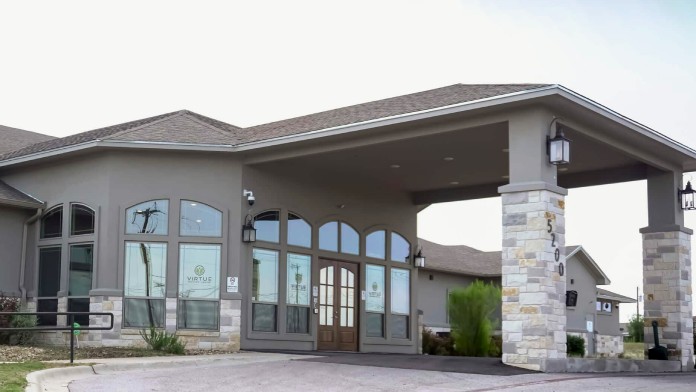
In addition to conventional therapies, they also offer unique neurobiological approaches such as electromagnetic brain pulse (EMBP) and transcranial magnetic stimulation (TMS).
Sober Living in Florida
Options for sober living in Florida are vast and varied.
One of the top programs is The Healing Center in Fort Lauderdale. This rehab center provides a complete continuum of care, including detox, outpatient services, and medication-assisted treatment (MAT).
The Healing Center in Fort Lauderdale

2500 North Federal Highway, Suite 103, Fort Lauderdale, FL 33305
They also have sober living homes nearby to support long-term recovery.
Sober Living in New York
If you’re looking for sober living options across New York, the state has many accredited programs to consider.
One top-performing facility is the Acacia Network Promesa Head Start in the Bronx. This center offers detox, inpatient and outpatient care, and sober living programs for adults.
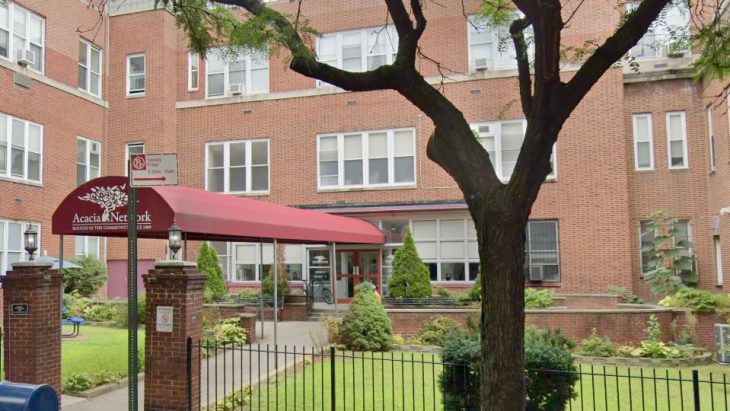
Specialized support programs are available for children and youth.
Sober Living in Pennsylvania
There are many options for sober living in Pennsylvania.
One of the top programs is White Deer Run of Allenwood in Allenwood.
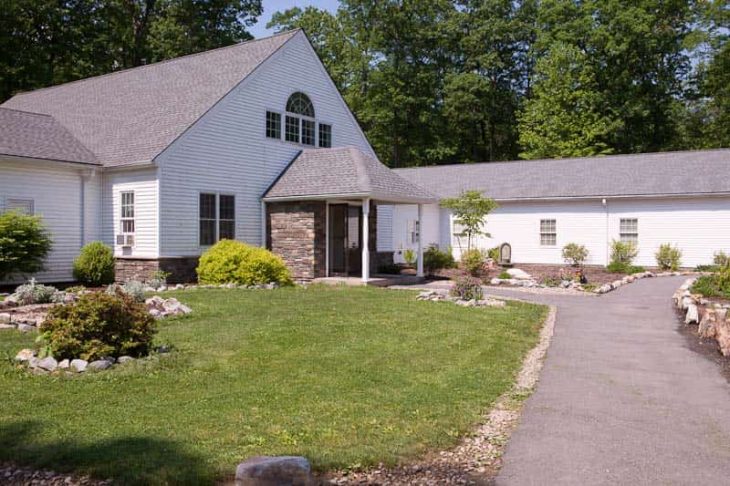
Offering detox, residential, and outpatient services, this facility integrates MAT, life skills training, and the 12-step recovery model to create a foundation for lifelong recovery.
Sober Living in Illinois
Residents of Illinois have plenty of programs to choose from if they’re ready to enter a sober living program.
One of the most popular centers is Rosecrance Lakeview in Chicago. This inpatient and outpatient facility is located in the heart of the city’s historic district, near well-known hotspots like Lincoln Park and Lake Michigan.
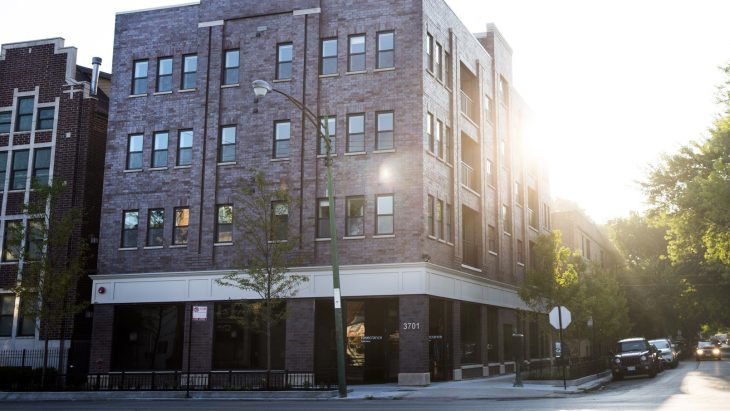
Rosecrance Lakeview’s sober living residence operates around the clock.
Sober Living in Ohio
Several facilities across Ohio offer sober living programs as part of their continuum of care.
This includes Zepf Center Ashland in Toledo. Here, individuals can access addiction medication, counseling, and therapy in addition to residential support.
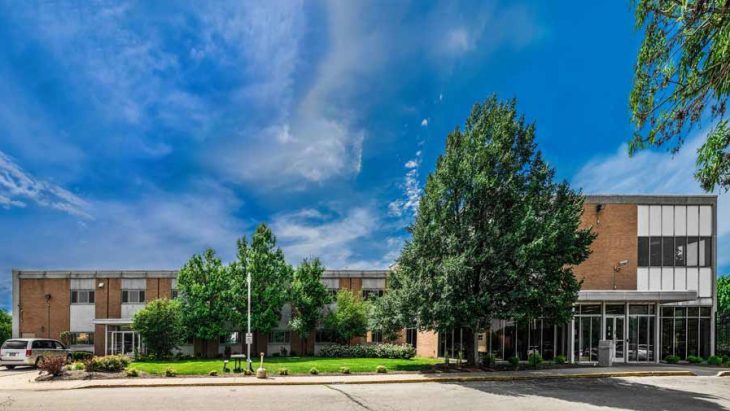
There’s also a dedicated program for pregnant or nursing women.
Sober Living in Georgia
Georgia is home to an array of sober living centers.
One of the state’s top programs is Twin Lakes Recovery Center, located in Monroe. Offering medical detox and residential care, this center offers a peaceful, serene atmosphere for recovery and a low staff-to-client ratio.
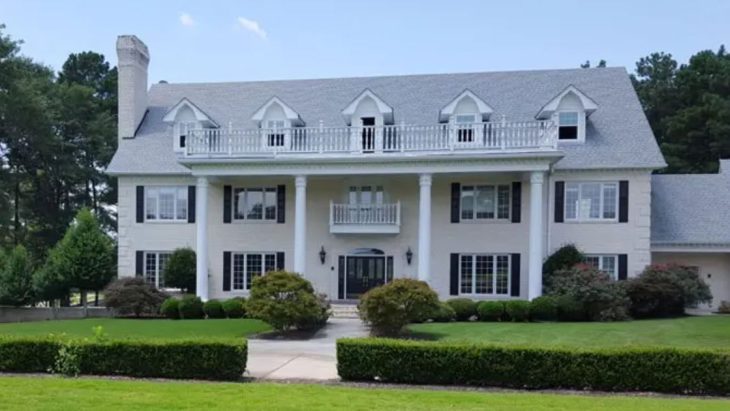
Their Tactical Recovery Program offers targeted care for veterans and first responders.
Sober Living in North Carolina
If you’re looking for sober living in North Carolina, the state offers plenty of high-performing solutions.
One of those is CAARE The Healing Center in Durham. Here, adults in addiction recovery will find outpatient therapy and educational groups to support their sobriety.
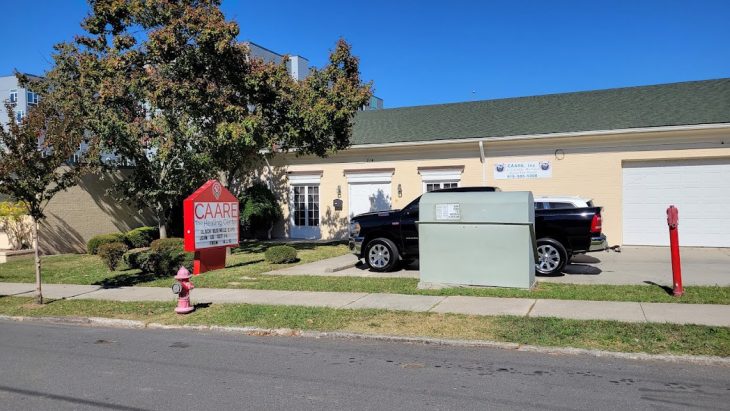
They also offer transitional housing, job readiness training, and relapse prevention services.
Sober Living in Michigan
Michigan offers a wide selection of sober living programs.
One standout center is Ascension Brighton Center for Recovery in Brighton.
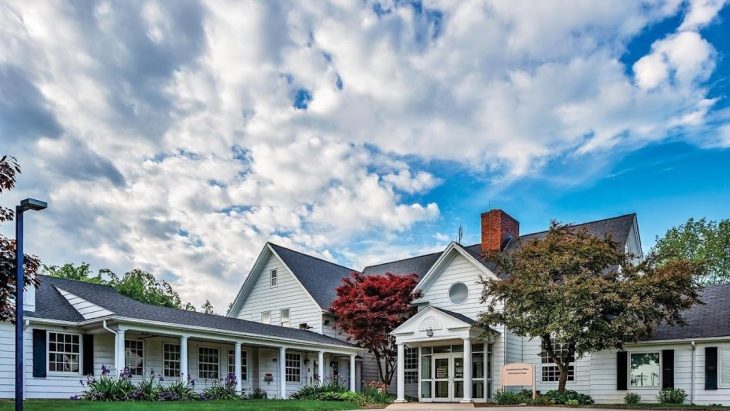
Located next to Lake Serenity, this facility offers a home-like atmosphere for healing, including an expansive backyard for nature discovery as well as an array of holistic options including music, art, and yoga.
FAQs About IOP Sober Living
It’s common for people to ask what IOP means in addiction treatment. IOP stands for intensive outpatient program. An IOP treatment program offers several IOP rehab program therapy sessions per week, several hours per day, without overnight stays, while inpatient rehab requires full-time residential care.
IOP sober living or sober living IOP combines highly structured addiction treatment with recovery housing. In sober living with treatment, you live in a sober home while attending therapy, groups, and receiving medication management and medical care, when needed.
Not always. Some halfway house rehab or transitional housing rehab programs operate more like a basic recovery residence, offering housing and peer support, but little or no formal clinical care. IOP sober living always includes professional addiction treatment and recovery housing together.
Sometimes, but it depends on whether detox or residential alcohol rehab is medically necessary. Many sober living, detox and IOP programs require detox or residential alcoholism treatment first to keep you safe.
You may be wondering how to get into a sober living house. After a thorough assessment, discuss your needs with the addiction professional and ask about IOP with housing or IOP with supportive housing and confirm detox, cost and admission requirements.
Most people stay 30–90 days in a sober living treatment program. However, depending on your unique needs, you may stay longer.
Whether you’re just starting to explore options or ready to take the next step, help is available. Search Detox.com to find local IOP sober living programs, or call 800-996-6135 to speak with someone about IOP treatment.
Need help finding IOP sober living? Call now to speak with someone who can help.
Sponsored