

 800-262-4205
Affiliated Clinical Services

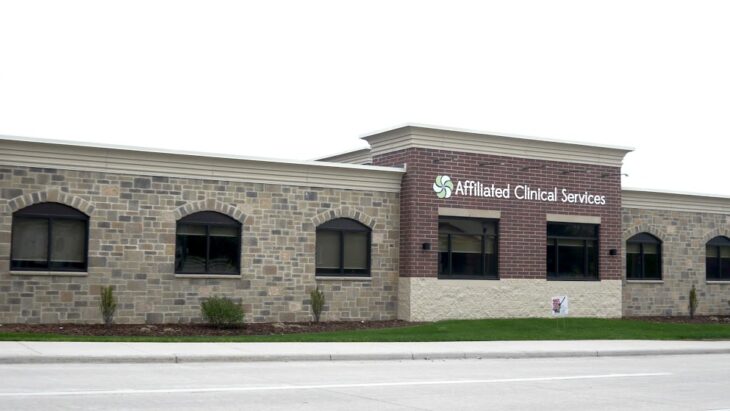
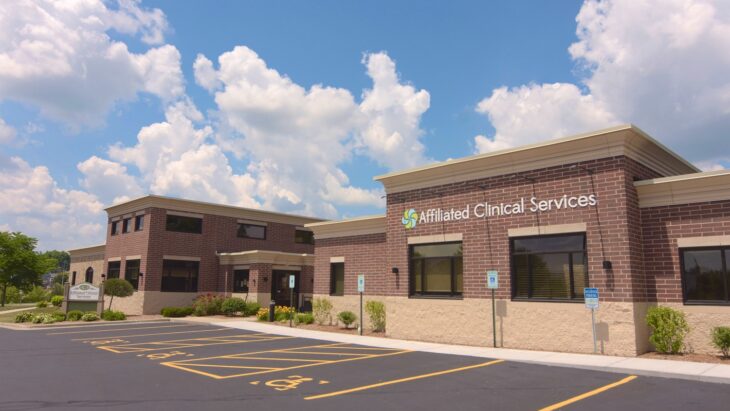
About Affiliated Clinical Services
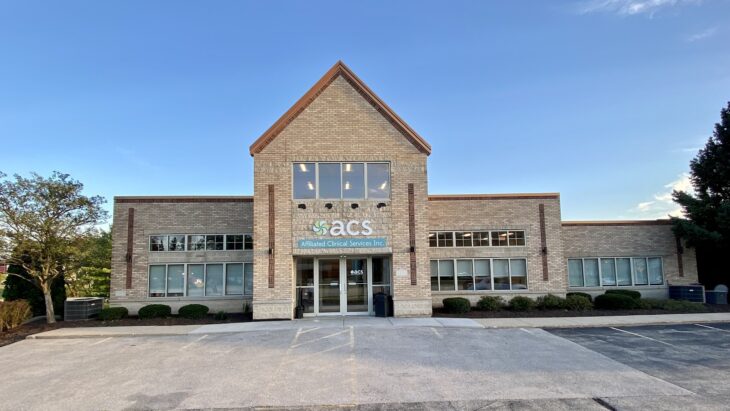
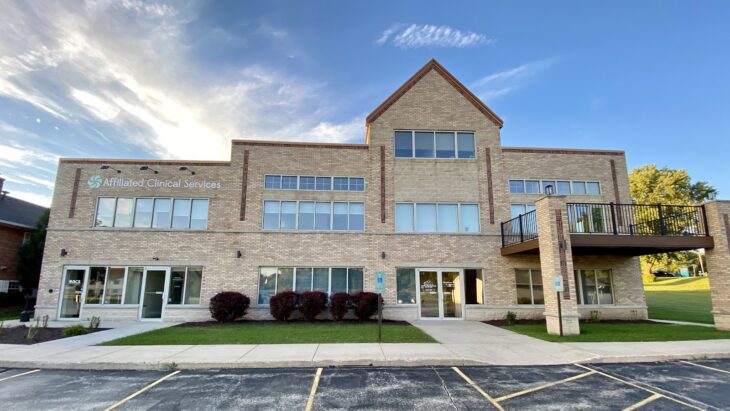
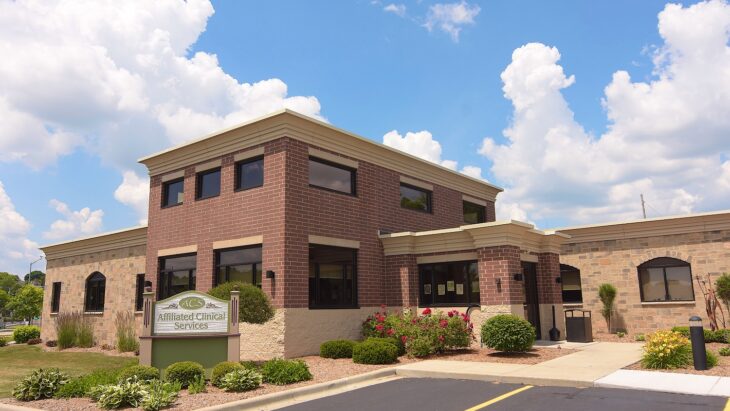
In West Bend, Wisconsin, Affiliated Clinical Services provides medically assisted treatment programs designed specifically for individuals with severe opiate dependence. They provide FDA-approved buprenorphine to manage opioid withdrawal. People can quit using opiates without experiencing intense cravings thanks to this medication’s reduction of withdrawal symptoms.
They adhere to a tapering protocol customized for each patient. To treat both physical and psychological cravings, their medication assisted treatment (MAT) program combines prescriptions with therapeutic interventions in an intensive outpatient setting.
A thorough MAT agreement detailing expectations for Suboxone use, drug testing, random drug recalls, and medication safety protocols are part of the program.
They also use naltrexone, which works well for alcohol use disorders and opioids in addition to buprenorphine. There are specific usage guidelines for naltrexone which can be obtained as an injectable or pill. Before beginning naltrexone, patients are recommended to avoid opioids for a minimum of 7 to 10 days in order to avoid abrupt withdrawal.
You can sign up for their outpatient programs right away, but they recommend that those with acute symptoms or are experiencing a crisis first go through detox or an inpatient program for at least 30 days. That can prepare you for an outpatient program. You also might not get your first dose of Suboxone right away, although most clients start their program within 36 hours after their assessments. You also cannot receive meds without also going to their counseling program.
Although Medicaid and Medicare are not accepted, they do accept the majority of commercial insurance. Please note that a sliding scale and additional discounts are not available.
| Levels of Care | Detox Service Setting | Programs | Payment Options | Medications Offered | ||
|---|---|---|---|---|---|---|
|
Inpatient and residential programs provide round-the-clock medical and emotional support as you live at the treatment facility. This level of care may be recommended if you have severe addictions or mental health conditions since it removes outside distractions and allows you to focus solely on therapy. |
In outpatient therapy, you’ll attend therapy sessions several times each week while living at home. This is ideal if you have a strong support system and a lower risk of relapse. Outpatient treatment offers flexibility to maintain work, school or family obligations. |
|||||
|
Outpatient detox gives you access to medically supervised withdrawal services while still allowing you to live at home. You’ll attend a clinic for treatment and monitoring. This flexible option is suitable for those with mild to moderate withdrawal symptoms who have strong support systems. |
Medication assisted treatment combines medication and counseling to manage withdrawal and reduce cravings for opioid and alcohol addiction. Medications may include methadone, buprenorphine or naltrexone. MAT is tailored to your needs so you can actively participate in your treatment journey. |
|||||
|
Teen (13 - 18)
|
Adult programs address the substance use and life challenges specific to adults. Therapists can deliver sessions in individual, group and family settings. Services often include job support and life skills training in a structured environment.
|
Senior programs address the unique needs of older adults like chronic pain, grief and isolation. Programs include peer support and medical oversight for age related health concerns. The goal is to improve quality of life and promote sober aging.
|
Women's programs offer a safe and supportive space to focus on gender specific issues such as trauma, family roles and mental health conditions. Therapists tailor the sessions to address women's needs and foster empowerment in a healing and nurturing environment.
|
Men's programs address substance use while also considering the social pressures, family roles and mental health concerns that are specific to men. You’ll learn healthy coping mechanisms as you build emotional resilience and develop communication skills.
|
Cognitive behavioral therapy focuses on changing harmful thought patterns and behaviors associated with addiction. You’ll learn healthier coping mechanisms by identifying and replacing negative thoughts. This improves your emotional resilience and decreases your relapse potential. |
Opioid detox uses medications to ease severe withdrawal symptoms. It also includes medical supervision to help you manage potential complications. These services allow you to stabilize and begin a recovery plan. |
|
Self Pay
|
Medicaid
|
Medicare
|
State Family Services
|
Private Insurance
|
Military Insurance
|
|
|
Buprenorphine
|
Suboxone
|
Levels of Care
Inpatient and residential programs provide round-the-clock medical and emotional support as you live at the treatment facility. This level of care may be recommended if you have severe addictions or mental health conditions since it removes outside distractions and allows you to focus solely on therapy.
In outpatient therapy, you’ll attend therapy sessions several times each week while living at home. This is ideal if you have a strong support system and a lower risk of relapse. Outpatient treatment offers flexibility to maintain work, school or family obligations.
Detox Service Setting
Outpatient detox gives you access to medically supervised withdrawal services while still allowing you to live at home. You’ll attend a clinic for treatment and monitoring. This flexible option is suitable for those with mild to moderate withdrawal symptoms who have strong support systems.
Medication assisted treatment combines medication and counseling to manage withdrawal and reduce cravings for opioid and alcohol addiction. Medications may include methadone, buprenorphine or naltrexone. MAT is tailored to your needs so you can actively participate in your treatment journey.
Programs
Cognitive behavioral therapy focuses on changing harmful thought patterns and behaviors associated with addiction. You’ll learn healthier coping mechanisms by identifying and replacing negative thoughts. This improves your emotional resilience and decreases your relapse potential.
Opioid detox uses medications to ease severe withdrawal symptoms. It also includes medical supervision to help you manage potential complications. These services allow you to stabilize and begin a recovery plan.
Medications Offered
Amenities
Accreditations

Accepted Insurance



Contact


- Monday 8AM - 9PM
- Tuesday 8AM - 9PM
- Wednesday 8AM - 9PM
- Thursday 8AM - 9PM
- Friday 8AM - 5PM


Peter W.Y. Lee is a historian with a focus in American Cold War culture. He has examined how popular culture has served as a coping mechanism for the challenges and changes impacting American society throughout the twentieth century.
Detox.com regularly reviews this listing for accuracy but changes may occur between updates. For the most up-to-date information, please contact Affiliated Clinical Services.
Nearby Detox Centers
Search by Wisconsin Cities
FAQs
Does Affiliated Clinical Services provide detox or withdrawal management services?
Affiliated Clinical Services is an outpatient mental health and substance abuse clinic located in West Bend, Wisconsin that does not provide medical detoxification or inpatient withdrawal management. The facility specializes in outpatient counseling, therapy, and medication management for substance use and co-occurring mental health concerns after detox is complete.
What substance abuse counseling services does Affiliated Clinical Services offer adults?
Affiliated Clinical Services provides alcohol and drug abuse counseling for adults through individual therapy and group programming. Treatment emphasizes evidence-based approaches such as cognitive behavioral therapy (CBT) and includes medication management and psychiatric services. The facility also offers telehealth counseling options for ongoing recovery support.
Does Affiliated Clinical Services treat teens and adolescents for substance use?
Yes, Affiliated Clinical Services offers therapeutic services for adolescents and youth ages 13 to 18, including alcohol and drug abuse counseling, mental health counseling, and evidence-based therapy. The outpatient clinic provides both in-person and telehealth appointments to support recovery and address co-occurring behavioral health concerns.
What insurance does Affiliated Clinical Services accept for substance abuse treatment?
Affiliated Clinical Services accepts most private insurance plans for outpatient substance abuse and mental health services. Individuals and families are encouraged to contact the facility directly to verify their specific insurance coverage and discuss payment options before scheduling an appointment.