608-291-9176
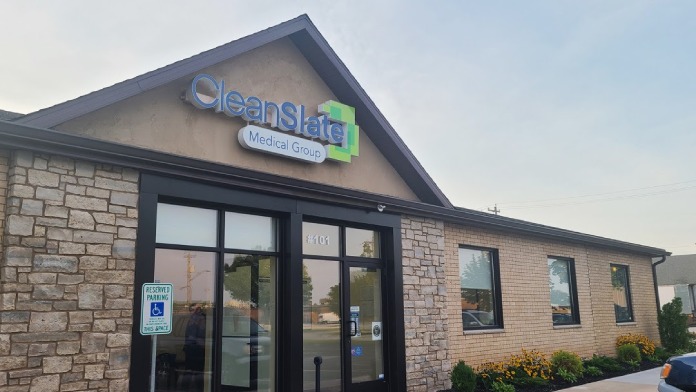
CleanSlate Outpatient Addiction Medicine Racine
Racine, WI
53406


| Name | Address | Detox Service Setting | Levels Of Care | Media |
|---|---|---|---|---|
Bellin Psychiatric Center |
301 East Saint Joseph Street Green Bay, WI 54301 |
Detox Service Setting
Hospital DetoxMATInpatient Detox+1
|
Levels Of Care
InpatientOutpatient
|
|
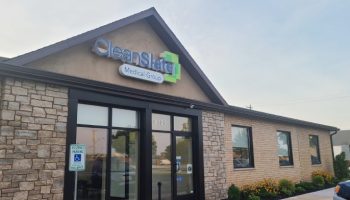
CleanSlate Outpatient Addiction Medicine Green Bay |
2960 Allied St Green Bay, WI 54304 |
Detox Service Setting
Inpatient DetoxOutpatient DetoxMAT
|
Levels Of Care
InpatientOutpatientIntensive Outpatient
|
|
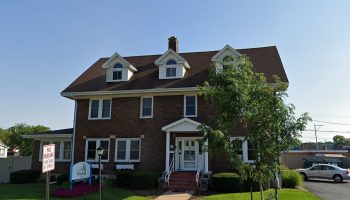
Jackie Nitschke Center |
630 Cherry Street Green Bay, WI 54301 |
Detox Service Setting
Inpatient DetoxOutpatient DetoxMAT
|
Levels Of Care
InpatientOutpatientAftercare+1
|
|
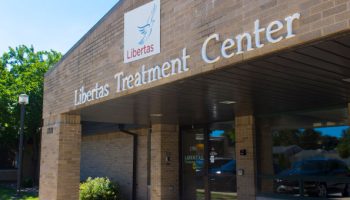
Libertas |
1701 Dousman Street Green Bay, WI 54303 |
Detox Service Setting
Hospital DetoxInpatient DetoxOutpatient Detox+1
|
Levels Of Care
InpatientOutpatientAftercare+2
|
|
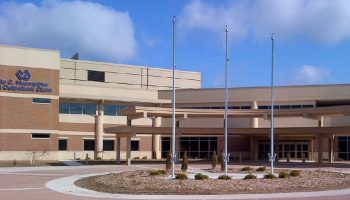
Milwaukee VA Medical Center Milo C Huempfner VA Outpatient Clinic |
2851 University Avenue Green Bay, WI 54311 |
Detox Service Setting
Inpatient DetoxOutpatient Detox
|
Levels Of Care
InpatientOutpatientAftercare+2
|
|
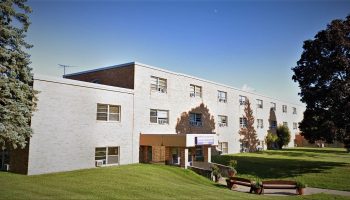
Oneida Nation of Wisconsin Behavioral Health Services |
2640 West Point Road Green Bay, WI 54304 |
Detox Service Setting
Outpatient Detox
|
Levels Of Care
OutpatientDual Diagnosis
|
|
Green Bay Comprehensive Treatment Center |
2357 West Mason Street Green Bay, WI 54303 |
Detox Service Setting
Outpatient Detox
|
Levels Of Care
OutpatientDual Diagnosis
|
|
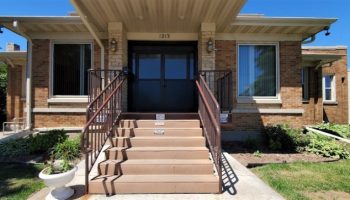
Genesis Club |
1213 N Appleton St Appleton, WI 54911 |
Detox Service Setting
Inpatient DetoxOutpatient Detox
|
Levels Of Care
InpatientOutpatient
|
|
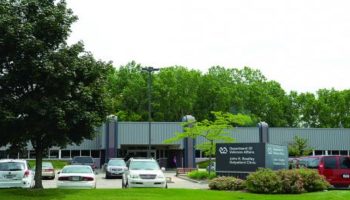
Milwaukee VA Medical Center – Appleton VA John H. Bradley VA Outpatient Clinic |
10 Tri-Park Way Appleton, WI 54914 |
Detox Service Setting
Inpatient DetoxOutpatient DetoxMAT
|
Levels Of Care
InpatientOutpatientAftercare+2
|
|
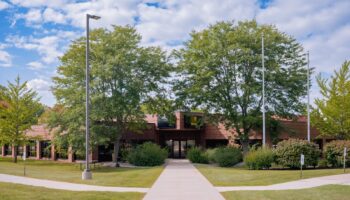
Rogers Behavioral Health Appleton |
5 Innovation Court Appleton, WI 54914 |
Detox Service Setting
Inpatient DetoxOutpatient Detox
|
Levels Of Care
PHPIntensive OutpatientOutpatient
|
|
Casa Clare, a division of Apricity |
201 South Glenridge Court Appleton, WI 54914 |
Detox Service Setting
Inpatient DetoxOutpatient Detox
|
Levels Of Care
InpatientOutpatientSober Living
|

|
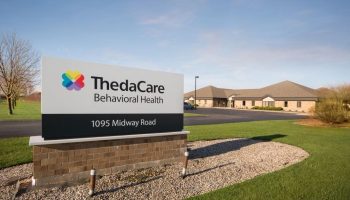
Theda Care Behavioral Health Menasha |
1095 Midway Road Menasha, WI 54952 |
Detox Service Setting
Outpatient Detox
|
Levels Of Care
OutpatientDual Diagnosis
|
|
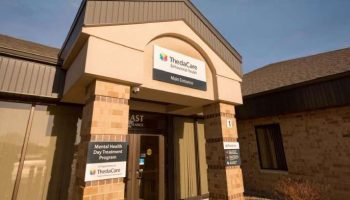
ThedaCare Behavioral Health-Menasha |
1095 Midway Road Menasha, WI 54952 |
Detox Service Setting
Inpatient DetoxOutpatient Detox
|
Levels Of Care
InpatientOutpatientPHP+2
|
|
Pathways to a Better Life Alcohol and Drug Treatment Center |
530 State Rd 67 Kiel, WI 53042 |
Detox Service Setting
Inpatient DetoxOutpatient Detox
|
Levels Of Care
InpatientOutpatientDual Diagnosis+1
|
|
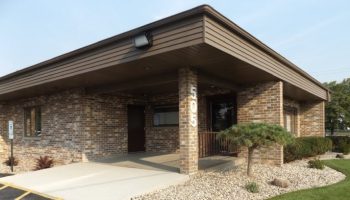
AMS of Wisconsin Oshkosh |
505 South Washburn Street Oshkosh, WI 54904 |
Detox Service Setting
Inpatient DetoxOutpatient DetoxMAT
|
Levels Of Care
InpatientOutpatient
|
|
Green Bay sits in Brown County in northeastern Wisconsin, and detox programs here are regulated at two levels.
At the state level, the Wisconsin Department of Health Services (DHS) Division of Quality Assurance (DQA) certifies all substance use disorder treatment programs under Wisconsin Administrative Code Chapter DHS 75, which sets clinical, staffing and safety standards for withdrawal management centers, inpatient facilities and outpatient programs alike.
Additionally, Brown County Health & Human Services operates as the local authority, providing assessments, referrals, outpatient counseling and the county’s Intoxicated Driver Program (IDP) for residents who need a local starting point.
Residents can call 2-1-1 at any hour to reach 211 Wisconsin, a free and confidential statewide helpline that connects callers to local treatment programs, referral services and financial assistance options.
A notable aspect of the Green Bay treatment context is the region’s sharp focus on the opioid and fentanyl crisis. Fentanyl was involved in 49 of Brown County’s 63 drug overdose deaths in 2023.
In response, the county assigned dedicated drug investigators to every accidental illicit overdose, a strategy credited with a 65% drop in accidental drug-related deaths between Q1-Q3 2023 and Q1-Q3 2024.
Furthermore, Wisconsin’s opioid settlement funds are also flowing into the region, supporting expanded access to medication-assisted treatment, room-and-board assistance for Medicaid members in residential programs and harm reduction services.
Wisconsin’s alcohol use trends are also relevant to anyone choosing a detox center in Green Bay. The state’s binge drinking rate ranks highest in the nation, which means alcohol withdrawal programs are in consistent demand locally.
People considering detox for alcohol use should be aware that alcohol withdrawal can carry serious medical risks, including seizures, and requires supervised medical management.
The cost of detox varies widely depending on the level of care, length of stay and whether services are covered by insurance or publicly funded programs. Therefore, understanding your payment options before calling a facility helps avoid delays during a critical window, and insurance coverage for detox is available through most major carriers and Wisconsin Medicaid.
Green Bay lacks published city-specific cost figures, so the most reliable benchmarks come from Wisconsin statewide averages.
The cost of care depends on the level of medical intensity, the number of substances involved and whether inpatient stabilization or outpatient monitoring is appropriate.
Federal mental health parity rules require that private insurers cover substance use disorder treatment on the same terms as other medical benefits. In Wisconsin, the Office of the Commissioner of Insurance oversees insurer compliance with these parity requirements.
Most major commercial plans accepted at Green Bay area facilities include:
Medicare covers inpatient hospital detox through Part A and outpatient substance use services through Part B, including opioid treatment program (OTP) services such as methadone and buprenorphine. Copays and deductibles vary based on treatment setting and plan type.
Wisconsin Medicaid, delivered through the BadgerCare Plus program, covers a broad range of SUD treatment services, including detox, residential treatment, outpatient programs and MAT.
One Wisconsin-specific detail: the residential benefit covers clinical services but not room and board. DHS directs members to coordinate room-and-board costs with their provider or county human services office.
Wisconsin has earmarked opioid settlement funds specifically to help close this room-and-board gap for BadgerCare members.
Cost should not be the reason someone delays care. Green Bay and Brown County have several alternative payment pathways:

Brown County Health & Human Services offers assessments and outpatient counseling on a sliding fee scale based on income, ensuring access for uninsured or underinsured residents.
Family Services of Northeast Wisconsin accepts most insurance plans, including BadgerCare and adjusts fees based on ability to pay, offering a range of outpatient SUD and behavioral health services.
Wisconsin’s Division of Care and Treatment Services administers federal Substance Use Prevention, Treatment, and Recovery Services (SUPTRS) block grant funding for residents who do not qualify for BadgerCare. Contact 211 Wisconsin to identify currently funded programs.
Wisconsin has directed opioid industry settlement funds toward expanding treatment access, including room-and-board support for Medicaid members in residential SUD treatment and MAT expansion across the state.
Veterans with substance use disorder may access treatment through the Clement J. Zablocki VA Medical Center or connected community providers under the VA’s Community Care program; contact the VA’s eligibility line or the Brown County Veterans Service Office for local referrals.
Here are the key regulatory and accreditation bodies that oversee detox and withdrawal management services in Green Bay and Wisconsin:
The DQA is the primary state licensing and certification authority for all substance use disorder treatment programs in Wisconsin. Under Wisconsin Administrative Code Chapter DHS 75, the DQA sets standards for clinical staffing, patient assessments, levels of care and withdrawal management services.
All certified programs, including detox centers in Green Bay, must apply through the DHS DQA Provider Portal and are subject to ongoing compliance monitoring.
The local county human services department provides assessments, outpatient counseling and the Intoxicated Driver Program (IDP).
Brown County HHS also coordinates publicly funded treatment access for county residents and participates in overdose fatality review, which uses data from each local death to guide resource allocation and prevention strategy.
SAMHSA certifies all Opioid Treatment Programs (OTPs) at the federal level under 42 CFR Part 8. Any Green Bay facility dispensing methadone for opioid use disorder must hold SAMHSA OTP certification in addition to state DQA certification.
Green Bay’s Comprehensive Treatment Center holds both SAMHSA and CARF accreditation.
CARF accreditation is a voluntary but widely recognized quality benchmark for behavioral health and substance use programs. Green Bay Comprehensive Treatment Center holds CARF accreditation, which signals adherence to evidence-based care standards and ongoing quality improvement processes.
Medication-assisted treatment in Green Bay follows both federal SAMHSA rules and Wisconsin DQA certification requirements.
Consequently, programs providing opioid-based medications must be licensed OTPs, while buprenorphine can also be prescribed in office-based settings by waiver-qualified providers.
Available through both certified OTPs and office-based prescribers in Green Bay, including CleanSlate Green Bay and Green Bay Comprehensive Treatment Center. Telehealth-based prescribing has expanded access significantly, and some providers offer low-dose induction protocols designed for patients with fentanyl dependence.
Restricted to SAMHSA-certified OTPs in Wisconsin. Green Bay Comprehensive Treatment Center (2357 West Mason Street) is the primary local OTP dispensing methadone for opioid use disorder. Daily observed dosing is required initially; BadgerCare Plus covers methadone as part of OTP treatment.
Available without OTP certification from any licensed prescriber in Green Bay. The injectable form (Vivitrol) is used both for opioid use disorder (after full detox) and alcohol use disorder. Brown County Human Services Department and Bellin Psychiatric Center offer naltrexone-based treatment.
Green Bay’s overdose prevention infrastructure has grown significantly in recent years, driven by Brown County’s documented fentanyl crisis.
Fentanyl was involved in nearly 78% of Brown County’s overdose deaths in 2023, putting opioid-specific harm reduction at the center of local prevention efforts. Community organizations, public health agencies and state programs all contribute to a network of free naloxone, syringe services, and drug-checking resources.
These services are not a substitute for detox, but they keep people alive and often serve as the first point of contact that leads someone toward opioid treatment and recovery.
Vivent Health’s Green Bay location is one of the primary community-level syringe service providers in the region, offering a non-judgmental environment for people who use drugs to access life-saving supplies and overdose reversal medication.
Vivent Health also received $250,000 annually through 2028 from Wisconsin DHS to provide harm reduction training and technical assistance to community organizations statewide.
Wisconsin DHS distributes free NARCAN statewide through partner agencies, pharmacies, and public vending machines. The DHS website maps all current vending machine locations.
No prescription is required for naloxone in Wisconsin, and it is available at no cost through the NARCAN Direct Program at many pharmacies and harm reduction providers.
Brown County Sheriff’s Office permanent collection sites accept most prescription and over-the-counter medications year-round at no cost. This program removes unused opioids from circulation before they can contribute to misuse or be accessed by young people in the home.
The state’s mobile Harm Reduction Response Team targets underserved communities across Wisconsin with direct outreach.
The team can be reached at [email protected] or (608) 264-8108. For anyone in Green Bay or Brown County without access to local syringe services, the DHS team and its community partners can also mail harm reduction materials to individuals who request them.
Overdose deaths in Brown County and across Wisconsin have shown meaningful declines since 2023, but fentanyl remains the dominant driver of fatal overdoses in the region.
The data below reflects the most recent available figures for local and statewide substance use trends.
Fentanyl was identified in 49 of Brown County’s 63 drug overdose deaths in 2023, a 78% involvement rate consistent with the statewide pattern of fentanyl contaminating multiple drug supplies.
Wisconsin recorded more than 1,700 fatal drug overdoses in 2023, a 45% increase compared to 2018, underscoring the sustained severity of the statewide crisis even as local counties began to see improvements.
Statewide opioid overdose deaths in Wisconsin dropped 33% from 2023 to 2024, returning to levels near those seen before the COVID-19 pandemic, according to the Wisconsin DHS Office of Health Informatics.
Wisconsin does not have a law eliminating prior authorization for the first 72 hours of detox (unlike Illinois).
Most private insurers active in Green Bay require pre-authorization for inpatient and residential admissions. Many facilities have utilization review staff who initiate authorization on your behalf during intake, but calling your insurer ahead of time or asking the facility’s billing team to verify coverage reduces the risk of unexpected denials.
Yes. Brown County Health & Human Services offers a sliding fee scale for assessments and outpatient services.
Wisconsin’s Division of Care and Treatment Services administers state and federal grant funding for uninsured residents who do not qualify for BadgerCare.
Calling 211 Wisconsin (dial 2-1-1, available 24/7) connects you to a specialist who can identify currently funded programs accepting uninsured patients in the Green Bay area.
Detox addresses physical withdrawal but is not a complete treatment for substance use disorder. Most clinical guidelines recommend transitioning directly to a structured continuing care program.
Options in the Green Bay area include inpatient residential rehab, intensive outpatient programs, and sober living.
Understanding aftercare planning options before you start detox helps ensure a smooth handoff and reduces relapse risk during the vulnerable early recovery period.
Yes. Naloxone is available at no cost through Vivent Health Green Bay, Wisconsin, DHS vending machine locations, and many local pharmacies participating in the NARCAN Direct Program. No prescription is required.
Anyone who uses opioids or lives with someone who does is encouraged to keep naloxone on hand; staff at any of these sites can provide a brief training on how to use it.
Brown County Health & Human Services does not operate a residential detox facility, but it serves as the local access point for state and county grant-funded treatment. The department conducts assessments, makes referrals to certified providers and administers the Intoxicated Driver Program (IDP).
For residents who need publicly funded residential or inpatient detox, Brown County HHS can identify certified facilities operating under DHS 75 standards that accept Medicaid or state-grant funding.
Yes. Green Bay Comprehensive Treatment Center and CleanSlate Green Bay both offer medication-assisted treatment for opioid use disorder, including fentanyl dependence.
CleanSlate specifically offers low-dose buprenorphine induction protocols developed for patients with fentanyl in their system, which can reduce the risk of precipitated withdrawal during the transition to buprenorphine.
Both facilities accept Medicaid and most major private insurance.