

 608-291-9176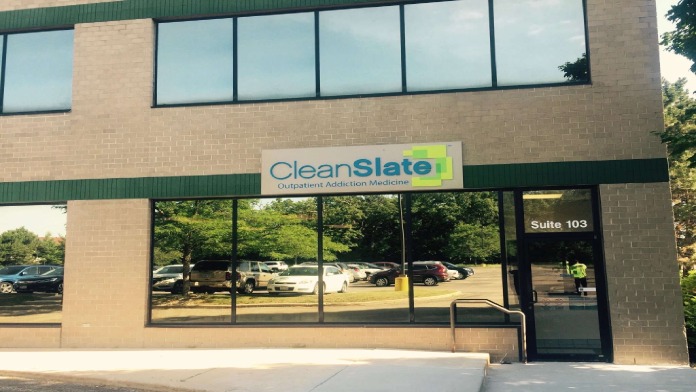
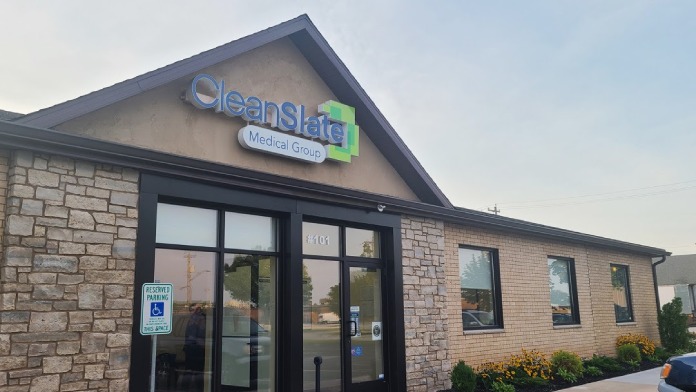
CleanSlate Outpatient Addiction Medicine Racine
Racine, WI
53406



| Name | Address | Detox Service Setting | Levels Of Care | Media |
|---|---|---|---|---|
5 Door Recovery |
810 W Olin Ave Madison, WI 53715 |
Detox Service Setting
Inpatient DetoxOutpatient Detox
|
Levels Of Care
InpatientOutpatient
|

|
Detoxification Center |
2914 Industrial Drive Madison, WI 53713 |
Detox Service Setting
Hospital DetoxInpatient DetoxOutpatient Detox+1
|
Levels Of Care
InpatientOutpatient
|
|
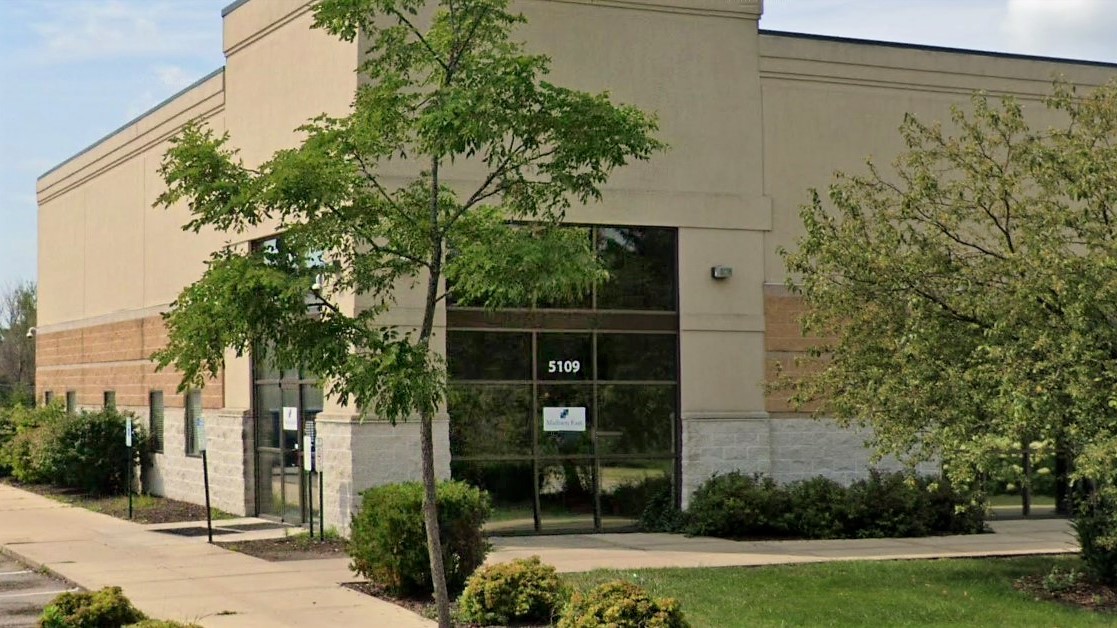
Madison East Comprehensive Treatment Center |
5109 World Dairy Drive Madison, WI 53716 |
Detox Service Setting
Outpatient Detox
|
Levels Of Care
Outpatient
|
|
Meriter Hospital |
202 South Park Street Madison, WI 53715 |
Detox Service Setting
Hospital DetoxInpatient DetoxOutpatient Detox+1
|
Levels Of Care
InpatientOutpatientIntensive Outpatient+1
|

|
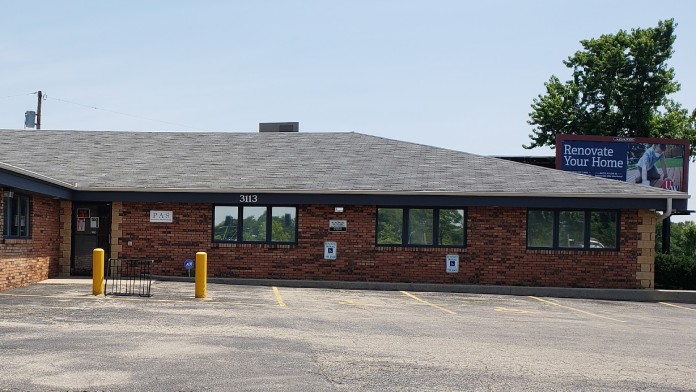
Psychological Addiction Services |
3113 E Washington Ave Madison, WI 53704 |
Detox Service Setting
Inpatient DetoxOutpatient Detox
|
Levels Of Care
InpatientOutpatient
|
|
Rogers Behavioral Health Madison |
406 Science Dr Madison, WI 53711 |
Detox Service Setting
Inpatient DetoxOutpatient Detox
|
Levels Of Care
InpatientOutpatient
|

|
LSS Lutheran Social Services |
6314 Odana Road Madison, WI 53719 |
Detox Service Setting
Outpatient Detox
|
Levels Of Care
OutpatientAftercareDual Diagnosis
|
|
Madison West Comprehensive Treatment Center |
151 East Badger Road Madison, WI 53713 |
Detox Service Setting
Inpatient DetoxOutpatient DetoxMAT
|
Levels Of Care
InpatientOutpatient
|
|
Reintegrate Opioid Addiction Treatment Center |
313 Price Pl Madison, WI 53705 |
Detox Service Setting
Inpatient DetoxOutpatient Detox
|
Levels Of Care
InpatientOutpatient
|
|
UnityPoint Health – Meriter – NewStart |
1015 Gammon Lane Madison, WI 53719 |
Detox Service Setting
Hospital DetoxInpatient DetoxOutpatient Detox+1
|
Levels Of Care
InpatientOutpatient
|
|
WIN Drug & Alcohol Recovery Rehabilitation Center |
202 S Park St FL Madison, WI 53715 |
Detox Service Setting
Inpatient DetoxOutpatient Detox
|
Levels Of Care
InpatientOutpatient
|
|
Prairie Counseling Services |
1460 West Main Street Sun Prairie, WI 53590 |
Detox Service Setting
Outpatient Detox
|
Levels Of Care
OutpatientDual Diagnosis
|

|
Mercyhealth Behavioral Health Clinic Janesville |
903 Mineral Point Avenue Janesville, WI 53548 |
Detox Service Setting
Inpatient DetoxOutpatient DetoxMAT
|
Levels Of Care
InpatientPHPOutpatient+1
|
|
Mercy Health System |
849 Kellogg Avenue Janesville, WI 53546 |
Detox Service Setting
|
Levels Of Care
|
|
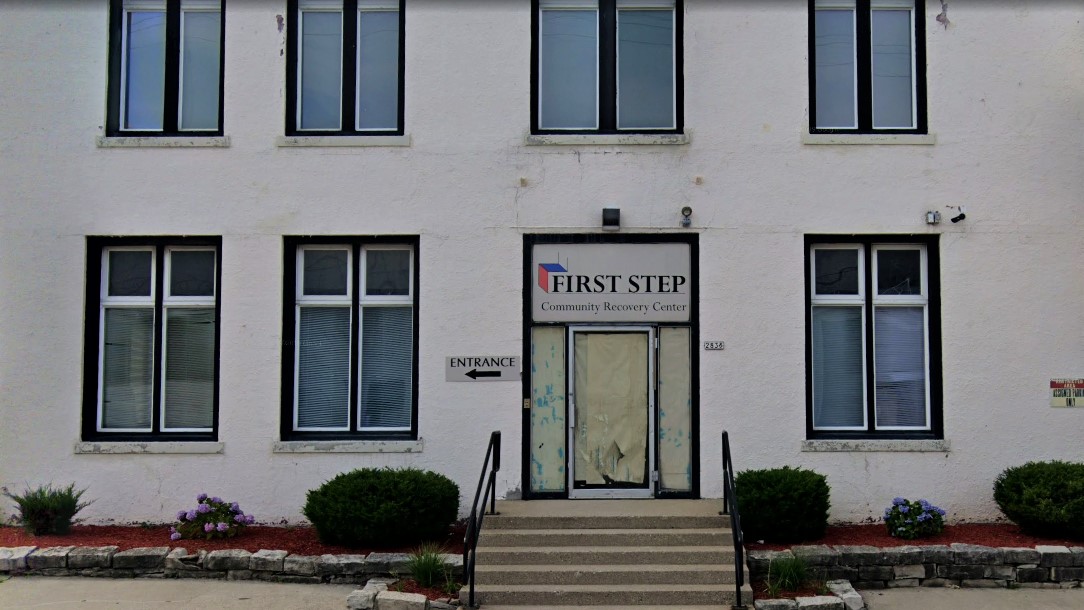
Ho Chunk Nation Behavioral Health |
S2845 White Eagle Road Baraboo, WI 53913 |
Detox Service Setting
Outpatient Detox
|
Levels Of Care
OutpatientDual Diagnosis
|

|
Madison’s detoxification landscape is characterized by a strong integration of state-funded initiatives, harm reduction programs and specialized clinical care. Regulated by the Wisconsin Department of Health Services (DHS) Division of Quality Assurance under DHS 75 standards, local programs are actively adapting to the realities of a toxic drug supply heavily contaminated by fentanyl.
Navigating detox in Madison requires a clear understanding of the local healthcare infrastructure. Dane County serves as a regional hub for addiction care, anchored by major providers such as Tellurian Behavioral Health and Journey Mental Health Center.
For residents relying on public transportation, the Madison Metro Transit system is a lifeline, though reaching inpatient facilities on the city’s outskirts or neighboring communities can require careful planning.
State-funded beds are often in high demand, requiring persistent follow-up and early morning check-ins for availability.
Recent public health initiatives in Madison have heavily prioritized overdose prevention alongside traditional detox. Public Health Madison & Dane County (PHMDC) has spearheaded proactive strategies, including an Overdose Spike Alert system that warns the community when hospital data indicates a surge in overdoses.
Additionally, opioid settlement funds have been channeled into expanding community-based peer support and MedDrop locations, ensuring that individuals leaving detox have immediate access to recovery coaching and safe medication disposal, effectively bridging the gap between acute withdrawal management and long-term sobriety.
Understanding the cost of drug and alcohol detox in Madison is an important first step toward recovery. While costs vary significantly based on your specific needs, there are multiple financial solutions and insurance protections available to ensure you receive quality care.
The cost of detox in Madison fluctuates based on the level of care, the length of stay and the medical complexity of your withdrawal symptoms. Hospital-based medically managed detox requires intensive professional oversight and is the most expensive.
Outpatient options and Medication-Assisted Treatment (MAT) are significantly more affordable. Using commercial insurance, BadgerCare Plus or county funding can drastically reduce these out-of-pocket estimates.
Yes, private insurance companies in Wisconsin must comply with the Affordable Care Act, which mandates that mental health and substance use disorder treatment be covered as essential health benefits. The Wisconsin Office of the Commissioner of Insurance (OCI) oversees health plans to ensure parity compliance.
Specific coverage limits, copays and in-network provider requirements will depend on your individual policy. The most common commercial health insurance companies operating in the Madison area include:


Medicare covers inpatient and outpatient detox in Madison, alongside MAT services (methadone, buprenorphine, naltrexone) under Part B. Your out-of-pocket costs, such as deductibles and copayments, will vary depending on your specific Medicare plan and the treatment setting.
Wisconsin’s Medicaid program, known as BadgerCare Plus, comprehensively covers substance use disorder treatment. This includes residential withdrawal management (detox), outpatient counseling and Medication-Assisted Treatment.
Services must be rendered by a BadgerCare-certified provider and prior authorization may be required for residential stays.
Financial barriers should never prevent you from seeking life-saving detox in Madison. There are several alternative funding avenues for individuals without comprehensive insurance:

Many local clinics, such as Journey Mental Health Center, offer income-based sliding fee scales that adjust the cost of outpatient care and assessments based on federal poverty guidelines.
Organizations like Tellurian Behavioral Health and ARC Community Services often secure grants and private donations to provide subsidized or fully funded treatment beds for vulnerable populations.
The Dane County Department of Human Services allocates funding for substance use care, helping uninsured county residents access detox, residential treatment and peer support services.
Eligible military veterans can receive fully covered medical detox, residential rehabilitation, and MAT through the William. S. Middleton Memorial Veterans Hospital, which is located in Madison.
Here are the primary regulatory entities overseeing detox and substance use treatment in Madison:
The DHS Division of Quality Assurance is the primary state licensing body. They enforce “DHS 75” administrative codes, which set the rigorous clinical, safety and staffing standards for all community substance use service facilities in Wisconsin.
While DHS handles facility licensing, PHMDC serves as the lead local public health authority. They monitor county overdose data, issue Overdose Spike Alerts and oversee critical harm reduction programs like the Syringe Services Program.
DSPS is responsible for credentialing and licensing the individual medical professionals and substance abuse counselors who work within Madison detox centers, ensuring they meet state educational and ethical standards.
Medication-assisted treatment (MAT) in Madison is strictly regulated by both federal SAMHSA guidelines and state DHS 75.59 codes. Providers must integrate behavioral counseling alongside FDA-approved medications to ensure comprehensive care.
Widely available in Madison through office-based providers and telehealth services. It can be prescribed by certified physicians and nurse practitioners, offering a flexible, lower-barrier option for outpatient opioid detox.
Highly regulated and only dispensed through state-certified Opioid Treatment Programs (OTPs). Patients typically must visit a Madison clinic daily for supervised dosing, though BadgerCare Plus covers the treatment fully.
Because it is non-addictive and carries no risk of diversion, Naltrexone (Vivitrol) is widely prescribed in primary care settings and detox centers across Madison to help prevent relapse for both opioid and alcohol use disorders.
Madison and Dane County possess a deeply integrated harm reduction network designed to keep people who use drugs safe and reduce the transmission of infectious diseases.
Local health departments and community organizations collaborate to distribute free naloxone, safer-use supplies and drug testing strips. These harm reduction services operate without judgment, often serving as the crucial first point of contact for individuals who may eventually seek formal detox or long-term recovery.
Operated by Public Health Madison & Dane County, this program provides anonymous, free supplies to prevent infections and overdoses, welcoming over 14,500 participant visits in 2024.
Located on Williamson Street, Vivent Health operates the LifePoint program, offering comprehensive harm reduction supplies, infectious disease screening and direct linkages to medical and behavioral healthcare.
Safe Communities deploys individuals with lived experience to provide immediate peer support. They also distribute medication lockboxes and overdose response kits (OAK Boxes) to vulnerable populations.
Managed in partnership with local law enforcement and Safe Communities, MedDrop provides permanent disposal boxes across Dane County to safely discard unused prescriptions, reducing the risk of household diversion and accidental poisoning.
Despite a heavily contaminated local drug supply, Dane County has begun to see a decline in fatal overdoses, largely credited to aggressive local harm reduction and early intervention strategies.
Provisional 2024 data indicates 118 overdose deaths in Dane County, a near 20% decrease from the 144 deaths recorded in 2023.
In 2024, the Public Health Madison & Dane County Syringe Services Program handled over 14,500 participant visits for life-saving safer use supplies.
Between 2021 and 2023, 37% of overdose deaths in Dane County involved both a stimulant and a depressant, greatly increasing the risk of fatal respiratory failure.
To access state or county-funded detox, you can contact the Dane County Department of Human Services or reach out directly to safety-net providers like Tellurian Behavioral Health. They can assess your financial eligibility and help you enroll in BadgerCare Plus or access specific county block-grant funding.
Yes, naloxone (Narcan) is readily accessible for free across Madison. You can obtain it anonymously through the Public Health Madison & Dane County Syringe Services Program, at Vivent Health on Williamson Street or through community outreach events hosted by Safe Communities.
Public Health Madison & Dane County (PHMDC) monitors EMS and hospital data closely. When they detect an unexpected, sudden increase in overdoses, they issue an “Overdose Spike Alert” to the community and local partners to raise awareness about particularly lethal batches of drugs in the area.
Yes, Wisconsin Medicaid (BadgerCare Plus) covers medically monitored residential withdrawal management (detox) and broader substance use disorder treatment. You must receive care from a state-certified BadgerCare provider, and a formal clinical assessment is usually required to authorize a residential stay.


Gayle Morris, BSN, MSN, received her bachelor’s degree from the University of Illinois Chicago Medical Center and her first master’s degree from Indiana University Purdue University Indianapolis. She practiced nursing for more than two decades with a focus on pediatric physical rehabilitation, helping children and their parents after a head injury or spinal cord injury. She has been a freelance writer in health, wellness, and mental health for more than 15 years. She loves exercise, her dogs and guinea pigs, and gardening.