

 800-262-4205
Aurora Pavilion Behavioral Health Services
About Aurora Pavilion Behavioral Health Services
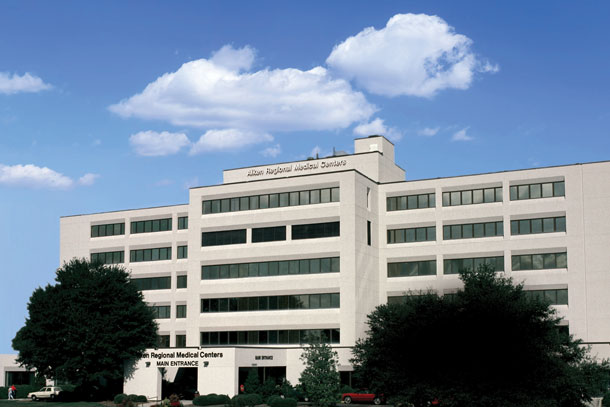
Aurora Pavilion Behavioral Health Services is part of Aiken Regional Medical Centers. Aurora Pavilion is on Medical Park Drive in a semi-suburban corner of Aiken, South Carolina. The facility offers comprehensive treatment for substance use and co-occurring mental health disorders. They offer detoxification through the inpatient program. They also have outpatient substance use and behavioral health programs for men and women 18 and older, including a program for seniors.
The facility accepts many insurance plans, including Medicaid, Medicare, and TRICARE.
The inpatient substance use disorder (SUD) treatment program includes medical detoxification from alcohol and drugs. The detox program includes FDA approved medications to ensure you’re comfortable during withdrawal. While in detox, you’ll have around the clock care from nurses, and doctors supervise the program. Detox also includes cognitive behavioral therapy (CBT) to begin dealing with the reasons behind your addiction. Detox gives you a solid foundation on which to start your sober journey.
Many people with SUD also have co-occurring mental health issues (dual diagnosis). Some people have severe depression and other mental health issues that don’t respond to traditional treatments like therapy and medication management. The program here offers electroconvulsive therapy (ECT) for those with the most difficult and unresponsive depression and other mental health issues. ECT is a proven therapy to relieve clients from thoughts of suicide and severe depression. The treatment is often life saving.
The mature adult services program is an inpatient program for people ages 65 and up with mental health issues that may include substance use. Clients receive compassionate nursing care 24/7 and they’re in a secure unit. Clients are given strategies for healthy aging and treatment for their unique needs and challenges.
The facility at this location also has a partial hospitalization program (PHP) and an intensive outpatient program (IOP). The PHP is a Monday through Friday program that meets for six hours. This is a comprehensive program not always found in the outpatient setting with educational topics such as anger and stress management, assertiveness training, and communication skills. The IOP meets Tuesdays, Wednesdays, and Thursdays for three hours each day and focuses on 12 Step orientation and group therapy.
| Levels of Care | Detox Service Setting | Programs | Payment Options | ||||
|---|---|---|---|---|---|---|---|
|
Inpatient and residential programs provide round-the-clock medical and emotional support as you live at the treatment facility. This level of care may be recommended if you have severe addictions or mental health conditions since it removes outside distractions and allows you to focus solely on therapy. |
Partial hospitalization programs provide comprehensive treatment in a structured setting during the day but allow you to return home at night. These programs offer a balance of inpatient and outpatient rehab and provide intensive support without full time residency. |
Intensive Outpatient
|
|||||
|
Hospital detoxification allows you to withdraw from drugs or alcohol in a hospital setting. It’s ideal for people with severe withdrawal symptoms or complex medical needs. You’ll receive constant monitoring, emergency care if needed and FDA approved prescription medications. |
Outpatient detox gives you access to medically supervised withdrawal services while still allowing you to live at home. You’ll attend a clinic for treatment and monitoring. This flexible option is suitable for those with mild to moderate withdrawal symptoms who have strong support systems. |
Inpatient detox occurs in a dedicated treatment facility. You’ll live there around the clock and receive intensive medical support and supervision to help manage your withdrawal symptoms. It is suitable for individuals with moderate to severe addictions as it ensures a stable detox environment. |
|||||
|
Young adult programs are designed for individuals who are transitioning into adulthood. Topics of discussion typically include identity, independence and peer relationships. Providers may also offer life skills training and career support.
|
Senior programs address the unique needs of older adults like chronic pain, grief and isolation. Programs include peer support and medical oversight for age related health concerns. The goal is to improve quality of life and promote sober aging.
|
Women's programs offer a safe and supportive space to focus on gender specific issues such as trauma, family roles and mental health conditions. Therapists tailor the sessions to address women's needs and foster empowerment in a healing and nurturing environment.
|
Men's programs address substance use while also considering the social pressures, family roles and mental health concerns that are specific to men. You’ll learn healthy coping mechanisms as you build emotional resilience and develop communication skills.
|
Teen (13 - 18)
|
Adult programs address the substance use and life challenges specific to adults. Therapists can deliver sessions in individual, group and family settings. Services often include job support and life skills training in a structured environment. |
Drug detox programs support individuals who are withdrawing from addictive substances like cocaine and heroin. Medical support helps you manage symptoms in a controlled and safe environment so you can achieve initial sobriety. |
Alcohol detox programs offer medical support to help individuals withdraw safely from alcohol. Your care team may use medications to ease your symptoms and provide medical monitoring to address complications. |
|
Self Pay
|
Medicaid
|
Medicare
|
State Family Services
|
Private Insurance
|
Military Insurance
|
Levels of Care
Inpatient and residential programs provide round-the-clock medical and emotional support as you live at the treatment facility. This level of care may be recommended if you have severe addictions or mental health conditions since it removes outside distractions and allows you to focus solely on therapy.
Partial hospitalization programs provide comprehensive treatment in a structured setting during the day but allow you to return home at night. These programs offer a balance of inpatient and outpatient rehab and provide intensive support without full time residency.
Detox Service Setting
Hospital detoxification allows you to withdraw from drugs or alcohol in a hospital setting. It’s ideal for people with severe withdrawal symptoms or complex medical needs. You’ll receive constant monitoring, emergency care if needed and FDA approved prescription medications.
Outpatient detox gives you access to medically supervised withdrawal services while still allowing you to live at home. You’ll attend a clinic for treatment and monitoring. This flexible option is suitable for those with mild to moderate withdrawal symptoms who have strong support systems.
Inpatient detox occurs in a dedicated treatment facility. You’ll live there around the clock and receive intensive medical support and supervision to help manage your withdrawal symptoms. It is suitable for individuals with moderate to severe addictions as it ensures a stable detox environment.
Programs
Adult programs address the substance use and life challenges specific to adults. Therapists can deliver sessions in individual, group and family settings. Services often include job support and life skills training in a structured environment.
Drug detox programs support individuals who are withdrawing from addictive substances like cocaine and heroin. Medical support helps you manage symptoms in a controlled and safe environment so you can achieve initial sobriety.
Alcohol detox programs offer medical support to help individuals withdraw safely from alcohol. Your care team may use medications to ease your symptoms and provide medical monitoring to address complications.
Amenities
Accreditations

Contact


- Monday Open 24 hours
- Wednesday Open 24 hours
- Thursday Open 24 hours
- Friday Open 24 hours
- Saturday Open 24 hours
- Sunday Open 24 hours

Susan is a freelance writer and photographer who loves writing from home with her dog, Jack Bauer, at her feet. Having transcribed patient charts in a mental health and addiction treatment hospital, she’s well informed on the subject of substance use and co-occurring disorder treatment. She’s experienced in content creation and writes her own photography blog and newsletter.

Peter W.Y. Lee is a historian with a focus in American Cold War culture. He has examined how popular culture has served as a coping mechanism for the challenges and changes impacting American society throughout the twentieth century.
Detox.com regularly reviews this listing for accuracy but changes may occur between updates. For the most up-to-date information, please contact Aurora Pavilion Behavioral Health Services.
Nearby Detox Centers



Search by South Carolina Cities
FAQs
Does Aurora Pavilion provide medically supervised detox for alcohol and drug withdrawal?
Yes. Aurora Pavilion Behavioral Health Services operates a dedicated Detoxification Unit that provides medically supervised detox for individuals withdrawing from alcohol and other drugs. The facility is hospital-based and part of Aiken Regional Medical Centers, ensuring access to physician-led care and clinical monitoring during the detox process.
What inpatient levels of care does Aurora Pavilion offer in Aiken, South Carolina?
Aurora Pavilion offers three levels of care: inpatient detoxification and psychiatric services, Partial Hospitalization Program (PHP), and Intensive Outpatient Program (IOP). The inpatient programs include specialized units for adults, seniors, and adolescents, each with tailored treatment plans based on individual needs.
Does Aurora Pavilion treat co-occurring mental health and substance use disorders?
Yes. Aurora Pavilion provides inpatient treatment for adults experiencing co-occurring substance use and mental health conditions, including mood disorders, anxiety disorders, and psychotic disorders. Comprehensive evaluations and multidisciplinary treatment plans address both psychiatric emergencies and addiction concerns simultaneously.
What age groups does Aurora Pavilion's behavioral health program serve?
Aurora Pavilion serves adolescents (13–18), adults (18+), and seniors (65+). The facility offers specialized inpatient psychiatric programs designed to meet the unique clinical needs of each age group within a safe, structured hospital-based setting.
Is Aurora Pavilion accredited, and what is its hospital affiliation in Aiken?
Yes. Aurora Pavilion Behavioral Health Services is accredited by The Joint Commission and operates as part of Aiken Regional Medical Centers. This hospital affiliation ensures access to comprehensive medical evaluation, supervision, and emergency resources during inpatient detox and psychiatric treatment.
Does Aurora Pavilion provide medically supervised detox for alcohol and drug withdrawal?
Yes. Aurora Pavilion Behavioral Health Services operates a dedicated Detoxification Unit that provides medically supervised detox for individuals withdrawing from alcohol and other drugs. The facility is hospital-based and part of Aiken Regional Medical Centers, ensuring access to physician-led care and clinical monitoring during the detox process.
What inpatient levels of care does Aurora Pavilion offer in Aiken, South Carolina?
Aurora Pavilion offers three levels of care: inpatient detoxification and psychiatric services, Partial Hospitalization Program (PHP), and Intensive Outpatient Program (IOP). The inpatient programs include specialized units for adults, seniors, and adolescents, each with tailored treatment plans based on individual needs.
Does Aurora Pavilion treat co-occurring mental health and substance use disorders?
Yes. Aurora Pavilion provides inpatient treatment for adults experiencing co-occurring substance use and mental health conditions, including mood disorders, anxiety disorders, and psychotic disorders. Comprehensive evaluations and multidisciplinary treatment plans address both psychiatric emergencies and addiction concerns simultaneously.
What age groups does Aurora Pavilion's behavioral health program serve?
Aurora Pavilion serves adolescents (13–18), adults (18+), and seniors (65+). The facility offers specialized inpatient psychiatric programs designed to meet the unique clinical needs of each age group within a safe, structured hospital-based setting.
Is Aurora Pavilion accredited, and what is its hospital affiliation in Aiken?
Yes. Aurora Pavilion Behavioral Health Services is accredited by The Joint Commission and operates as part of Aiken Regional Medical Centers. This hospital affiliation ensures access to comprehensive medical evaluation, supervision, and emergency resources during inpatient detox and psychiatric treatment.