800-262-4205
Milwaukee Detox Center

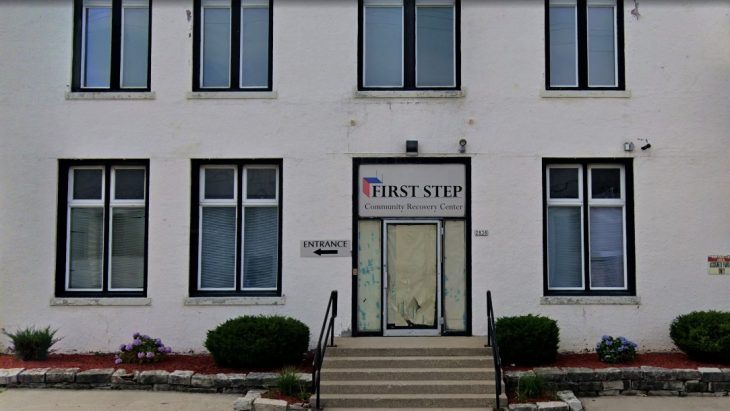
About Milwaukee Detox Center
Milwaukee Detox Center is a medically monitored residential detox facility in Milwaukee, Wisconsin serving adults withdrawing from alcohol, cocaine, heroin and other drugs. Located in the heart of Milwaukee’s central city, the center offers around the clock nursing care under physician supervision in a licensed 65 bed setting. Milwaukee Detox Center emphasizes cultural competency, equal access and connections to next step care for every client.
Detox Programs
Milwaukee Detox Center is certified to provide Level II-D and Level III.7-D medically monitored inpatient detox as well as residential intoxication monitoring. Adults enter a safe, structured environment where withdrawal symptoms are managed around the clock by trained nursing staff and physicians allowing the body to stabilize before transitioning to the next phase of recovery.
Treatment includes evidence based behavioral therapies such as cognitive behavioral therapy, dialectical behavior therapy and acceptance and commitment therapy, tailored to individual needs and often combined with medication management.
Discharge planning connects clients to ongoing outpatient services including telepsychiatry support through American Telepsychiatry and post detox residential or sober living placements like Therapeutic Communities and Oxford Houses.
Quick Facts
- Location: 2835 North 32nd Street in Milwaukee’s central city, operating 24 hours per day
- Capacity and setting: 65 bed residential facility
- Who they treat: Adults 18 and older, with culturally competent care for Spanish speaking clients and older adults, LGBTQ+ individuals and people with co-occurring disorders or developmental disabilities
- Treatment approach: Medically monitored detox using cognitive behavioral therapy and dialectical behavior therapy, ACT and physician supervised nursing care
- Payment options: Accepts Medicaid and self pay arrangements
- Continuum of care: Collaborates with outpatient providers and post discharge programs to support long term recovery
To learn more or begin an admission, you can reach out to Milwaukee Detox Center. The intake team can verify benefits, answer questions about programs and schedule an assessment to match your needs with the right level of medically supervised care.
| Levels of Care | Programs | Payment Options | ||||
|---|---|---|---|---|---|---|
|
Dual diagnosis programs address substance use disorders and co-occurring mental health conditions simultaneously. This integrated approach to care improves the likelihood of long term recovery and stability by addressing the root causes of addiction. |
||||||
|
Adult programs address the substance use and life challenges specific to adults. Therapists can deliver sessions in individual, group and family settings. Services often include job support and life skills training in a structured environment.
|
Alcohol detox programs offer medical support to help individuals withdraw safely from alcohol. Your care team may use medications to ease your symptoms and provide medical monitoring to address complications.
|
Drug detox programs support individuals who are withdrawing from addictive substances like cocaine and heroin. Medical support helps you manage symptoms in a controlled and safe environment so you can achieve initial sobriety.
|
Men's programs address substance use while also considering the social pressures, family roles and mental health concerns that are specific to men. You’ll learn healthy coping mechanisms as you build emotional resilience and develop communication skills.
|
Opioid detox uses medications to ease severe withdrawal symptoms. It also includes medical supervision to help you manage potential complications. These services allow you to stabilize and begin a recovery plan.
|
Women's programs offer a safe and supportive space to focus on gender specific issues such as trauma, family roles and mental health conditions. Therapists tailor the sessions to address women's needs and foster empowerment in a healing and nurturing environment.
|
Young adult programs are designed for individuals who are transitioning into adulthood. Topics of discussion typically include identity, independence and peer relationships. Providers may also offer life skills training and career support.
|
|
Medicaid
|
Self Pay
|
Levels of Care
Dual diagnosis programs address substance use disorders and co-occurring mental health conditions simultaneously. This integrated approach to care improves the likelihood of long term recovery and stability by addressing the root causes of addiction.
Programs
Contact


Natalie is a recent Purdue University graduate where she studied Psychology and Creative Writing. She’s a fierce advocate for others and is committed to always showing up with a compassionate heart. She enjoys writing poetry, dancing, and playing piano in her free time.
Detox.com regularly reviews this listing for accuracy but changes may occur between updates. For the most up-to-date information, please contact Milwaukee Detox Center.