800-262-4205
Groups Recover Together Hobart
About Groups Recover Together Hobart
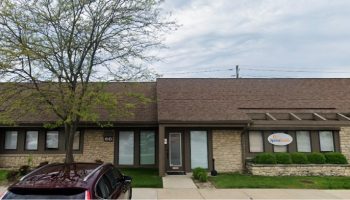
Groups Recover Together Hobart is an outpatient opioid addiction treatment center located in Hobart, Indiana. The program combines medication assisted treatment with weekly group therapy to support adults working to overcome opioid use disorder, including dependence on heroin, fentanyl, and prescription pain medications. Groups Recover Together is committed to making opioid addiction care respectful, accessible and affordable through a community focused model that encourages long term recovery.
Medication Assisted Treatment for Opioid Addiction
Groups Recover Together focuses exclusively on treating opioid use disorder, using Suboxone to reduce cravings and ease withdrawal symptoms. The program provides weekly medication management along with group therapy, trauma informed counseling, and relapse prevention education.
As part of a national organization founded in 2014, the Hobart location delivers evidence based care with no waitlist, and most appointments are scheduled within 48 hours.
Meaningful Improvements in Stability
Treatment includes weekly Suboxone prescribing, routine urine screenings and structured group sessions led by licensed counselors and medical providers. Many members describe the environment as supportive and respectful, noting that staff members are engaged, compassionate and committed to long term success. Numerous participants report meaningful improvements in stability and sustained recovery.
Whole Person Recovery Support and Group Therapy
In addition to medication services, Groups Recover Together addresses broader life goals and social factors that affect recovery through case management, peer support and recovery coaching. Members attend weekly group sessions with consistent peers at various stages of recovery, helping to build trust, accountability and connection. The program also offers support with housing, employment, health care access and health education, including overdose prevention and naloxone training.
The program accepts Medicaid, Medicare, and most major commercial insurance plans. Self payment options are available, and financial assistance may be offered for uninsured individuals.
| Levels of Care | Detox Service Setting | Programs | Payment Options |
|---|---|---|---|
|
Inpatient and residential programs provide round-the-clock medical and emotional support as you live at the treatment facility. This level of care may be recommended if you have severe addictions or mental health conditions since it removes outside distractions and allows you to focus solely on therapy. |
In outpatient therapy, you’ll attend therapy sessions several times each week while living at home. This is ideal if you have a strong support system and a lower risk of relapse. Outpatient treatment offers flexibility to maintain work, school or family obligations. |
||
|
Inpatient detox occurs in a dedicated treatment facility. You’ll live there around the clock and receive intensive medical support and supervision to help manage your withdrawal symptoms. It is suitable for individuals with moderate to severe addictions as it ensures a stable detox environment. |
Outpatient detox gives you access to medically supervised withdrawal services while still allowing you to live at home. You’ll attend a clinic for treatment and monitoring. This flexible option is suitable for those with mild to moderate withdrawal symptoms who have strong support systems. |
||
|
Alcohol detox programs offer medical support to help individuals withdraw safely from alcohol. Your care team may use medications to ease your symptoms and provide medical monitoring to address complications.
|
Drug detox programs support individuals who are withdrawing from addictive substances like cocaine and heroin. Medical support helps you manage symptoms in a controlled and safe environment so you can achieve initial sobriety.
|
||
|
Private Insurance
|
Self Pay
|
Levels of Care
Inpatient and residential programs provide round-the-clock medical and emotional support as you live at the treatment facility. This level of care may be recommended if you have severe addictions or mental health conditions since it removes outside distractions and allows you to focus solely on therapy.
In outpatient therapy, you’ll attend therapy sessions several times each week while living at home. This is ideal if you have a strong support system and a lower risk of relapse. Outpatient treatment offers flexibility to maintain work, school or family obligations.
Detox Service Setting
Inpatient detox occurs in a dedicated treatment facility. You’ll live there around the clock and receive intensive medical support and supervision to help manage your withdrawal symptoms. It is suitable for individuals with moderate to severe addictions as it ensures a stable detox environment.
Outpatient detox gives you access to medically supervised withdrawal services while still allowing you to live at home. You’ll attend a clinic for treatment and monitoring. This flexible option is suitable for those with mild to moderate withdrawal symptoms who have strong support systems.
Programs
Contact



Gayle Morris, BSN, MSN, received her bachelor’s from the University of Illinois Chicago Medical Center and her first master’s from the Indiana University Purdue University Indianapolis. She practiced nursing for over two decades with a focus on pediatric physical rehabilitation, which required mental health skills to help children, and their parents work through new challenges after a head injury or spinal cord injury. She has been a freelance writer in health, wellness, and mental health for over 15 years. She loves exercise, her dogs and guinea pigs, and gardening.
Detox.com regularly reviews this listing for accuracy but changes may occur between updates. For the most up-to-date information, please contact Groups Recover Together Hobart.