

 800-262-4205
Keystone Behavioral Health

About Keystone Behavioral Health
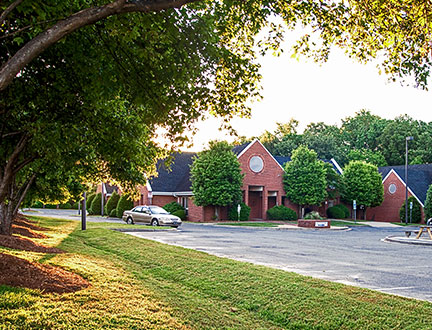
Located in the growing community of Rock Hill, South Carolina, is the drug recovery and treatment facility, Keystone Substance Abuse Services. You’ll find a continuum of services here including inpatient care, residential treatment, and outpatient care.
They work with adults and adolescents who are struggling with substance use and they take an evidence based approach to care here. Some of the services you’ll have access to include withdrawal management and medication assisted treatment (MAT) using buprenorphine and naltrexone.
They accept Medicaid. They also have grants available which can help alleviate the financial burden of treatment if you qualify.
Some of the other services you’ll find here include an Alcohol and Drug Safety Action Program. This program can apply to you if you’ve lost driving privileges because of your substance use struggles.
While Rock Hill is a modest sized community, they are one of many cities around the nation that have seen an uptick in substance use. Keystone Substance Abuse Services keeps up with the latest trends in addiction recovery and offers quality care as a result.
With this, you’ll find a recovery campus that is larger than most, offering several wings to accommodate the diverse population of recovering individuals they serve.
For some people, having such a large facility to navigate recovery can feel intimidating. However, at Keystone Substance Abuse Services, the care team here is intentional about building meaningful connections with the clients they serve. This will take away the clinical feel of traditional recovery and instead will allow you to make meaningful connections with your care team and other peers who are seeking treatment here.
| Levels of Care | Detox Service Setting | Programs | Payment Options | Medications Offered | |
|---|---|---|---|---|---|
|
In outpatient therapy, you’ll attend therapy sessions several times each week while living at home. This is ideal if you have a strong support system and a lower risk of relapse. Outpatient treatment offers flexibility to maintain work, school or family obligations. |
The Residential Services Program houses men and women separately, with admission priority for patients who are pregnant or have taken substances intravenously. |
Recovery Management follows every intensive group therapy program at Keystone, giving patients time to gradually adjust and learn proper self-care. |
Partial hospitalization programs provide comprehensive treatment in a structured setting during the day but allow you to return home at night. These programs offer a balance of inpatient and outpatient rehab and provide intensive support without full time residency. |
||
|
Detoxification at Keystone happens in the Withdrawal Management Program, a medically monitored, sub-acute inpatient service for adults 18 and older. |
Detox at Keystone is not outpatient: the Withdrawal Management Program is a medically monitored, sub-acute inpatient service for adults 18 and older. |
Medication assisted treatment combines medication and counseling to manage withdrawal and reduce cravings for opioid and alcohol addiction. Medications may include methadone, buprenorphine or naltrexone. MAT is tailored to your needs so you can actively participate in your treatment journey. |
|||
|
Teen (13 - 18)
|
Adults can enter the Withdrawal Management Program for detox at 18 and older, or join intensive outpatient services that meet 3 or 4 days a week. |
Young adults with a substance use disorder of greater severity can attend intensive outpatient services, which meet 3 or 4 days a week. |
Women are served in the Residential Services Program, housed separately from men, and in intensive outpatient programs geared toward women’s unique needs. |
Men can enter the Residential Services Program, with housing separate from women, or attend intensive outpatient programs built around men’s unique needs. |
|
|
Self Pay
|
Medicaid
|
Private Insurance
|
Military Insurance
|
Sliding Scale Payment
|
Payment Assistance
|
|
Buprenorphine
|
Naltrexone (Vivitrol)
|
Levels of Care
In outpatient therapy, you’ll attend therapy sessions several times each week while living at home. This is ideal if you have a strong support system and a lower risk of relapse. Outpatient treatment offers flexibility to maintain work, school or family obligations.
The Residential Services Program houses men and women separately, with admission priority for patients who are pregnant or have taken substances intravenously.
Recovery Management follows every intensive group therapy program at Keystone, giving patients time to gradually adjust and learn proper self-care.
Partial hospitalization programs provide comprehensive treatment in a structured setting during the day but allow you to return home at night. These programs offer a balance of inpatient and outpatient rehab and provide intensive support without full time residency.
Detox Service Setting
Detoxification at Keystone happens in the Withdrawal Management Program, a medically monitored, sub-acute inpatient service for adults 18 and older.
Detox at Keystone is not outpatient: the Withdrawal Management Program is a medically monitored, sub-acute inpatient service for adults 18 and older.
Medication assisted treatment combines medication and counseling to manage withdrawal and reduce cravings for opioid and alcohol addiction. Medications may include methadone, buprenorphine or naltrexone. MAT is tailored to your needs so you can actively participate in your treatment journey.
Programs
Adults can enter the Withdrawal Management Program for detox at 18 and older, or join intensive outpatient services that meet 3 or 4 days a week.
Young adults with a substance use disorder of greater severity can attend intensive outpatient services, which meet 3 or 4 days a week.
Women are served in the Residential Services Program, housed separately from men, and in intensive outpatient programs geared toward women’s unique needs.
Men can enter the Residential Services Program, with housing separate from women, or attend intensive outpatient programs built around men’s unique needs.
Medications Offered
Amenities
Accreditations

Accepted Insurance

Contact


- Monday 8AM - 9PM
- Tuesday 8AM - 9PM
- Wednesday 8AM - 9PM
- Thursday 8AM - 9PM
- Friday 8AM - 4PM
- Saturday Closed
- Sunday Closed

Nadia holds a Master’s in Secondary Education and serves secondary ed. students and their families through the Shenandoah Valley. When she’s not working with students, Nadia is a contributing writer at LawCommentary.com, offering legal insight into laws, regulations, and accountability concerning the national opioid epidemic.

Peter W.Y. Lee is a historian with a focus in American Cold War culture. He has examined how popular culture has served as a coping mechanism for the challenges and changes impacting American society throughout the twentieth century.
Detox.com regularly reviews this listing for accuracy but changes may occur between updates. For the most up-to-date information, please contact Keystone Behavioral Health.
Nearby Detox Centers

Search by South Carolina Cities
FAQs
What medications does Keystone Behavioral Health use in treatment?
The Medication Assisted Treatment program at Keystone uses two medications, buprenorphine and naltrexone, as part of treatment. Read more about medication assisted detox and how it works.
How often do the intensive outpatient services meet?
The intensive outpatient program runs on 3 or 4 days each week, with tracks geared toward men, women, youth, and young adults. Inpatient detox, called the Withdrawal Management Program, is medically monitored and sub-acute for adults 18 and older.
How much does outpatient treatment cost at Keystone?
Weekly outpatient payments are typically $25, and payment is never required in advance. Keystone accepts Aetna, Cigna, United Healthcare, BlueCross BlueShield, and several other plans, with payment plans available.