800-262-4205
LHRC Reality House

About LHRC Reality House
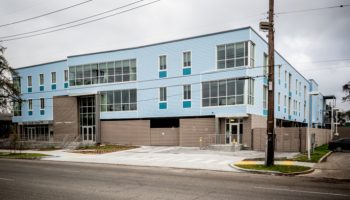
LHRC Reality House is a residential addiction treatment center in Baton Rouge, Louisiana, serving women with substance use disorders and their dependent children ages 0 to 12 years. The program offers up to 6 months of residential care in a 30 bed facility.
They combine trauma informed, 12 Step recovery with parenting support, life skills training, and developmentally appropriate services for children. Mothers and children stay together throughout treatment, creating a family centered path to recovery.
Residential Treatment for Mothers and Their Children
LHRC Reality House provides residential treatment with individual, family, and group counseling for both mothers and children. The program includes substance use disorder education, relapse prevention, the 12 Step recovery program, and a children of alcoholics component, all within a structured halfway house model.
Who Is Eligible for Treatment Here?
The program serves women age 18 years and older who have a primary diagnosis of substance use disorder and are TANF eligible. This includes pregnant women and mothers with dependent children ages 0 to 12 years, as well as women with opioid use disorders whose infants may be affected by neonatal abstinence syndrome, NAS.
What Supports Are Included for Families?
LHRC Reality House provides comprehensive case management, parenting training, early childhood development services, tutoring for children, childcare, transportation, job readiness assistance, and nutrition education. The program also offers fetal alcohol spectrum disorder, FASD, screening and treatment.
LHRC Reality House offers women in Baton Rouge a rare opportunity to heal while caring for their children in a safe, supportive environment. The program accepts Medicaid, private insurance, and private pay.
You can contact LHRC Reality House in Baton Rouge for an assessment to determine eligibility, and begin the admissions process for you and your children.
| Levels of Care | Detox Service Setting | Programs | Payment Options |
|---|---|---|---|
|
Inpatient and residential programs provide round-the-clock medical and emotional support as you live at the treatment facility. This level of care may be recommended if you have severe addictions or mental health conditions since it removes outside distractions and allows you to focus solely on therapy. |
In outpatient therapy, you’ll attend therapy sessions several times each week while living at home. This is ideal if you have a strong support system and a lower risk of relapse. Outpatient treatment offers flexibility to maintain work, school or family obligations. |
||
|
Inpatient detox occurs in a dedicated treatment facility. You’ll live there around the clock and receive intensive medical support and supervision to help manage your withdrawal symptoms. It is suitable for individuals with moderate to severe addictions as it ensures a stable detox environment. |
Outpatient detox gives you access to medically supervised withdrawal services while still allowing you to live at home. You’ll attend a clinic for treatment and monitoring. This flexible option is suitable for those with mild to moderate withdrawal symptoms who have strong support systems. |
||
|
Alcohol detox programs offer medical support to help individuals withdraw safely from alcohol. Your care team may use medications to ease your symptoms and provide medical monitoring to address complications.
|
Drug detox programs support individuals who are withdrawing from addictive substances like cocaine and heroin. Medical support helps you manage symptoms in a controlled and safe environment so you can achieve initial sobriety.
|
||
|
Private Insurance
|
Self Pay
|
Levels of Care
Inpatient and residential programs provide round-the-clock medical and emotional support as you live at the treatment facility. This level of care may be recommended if you have severe addictions or mental health conditions since it removes outside distractions and allows you to focus solely on therapy.
In outpatient therapy, you’ll attend therapy sessions several times each week while living at home. This is ideal if you have a strong support system and a lower risk of relapse. Outpatient treatment offers flexibility to maintain work, school or family obligations.
Detox Service Setting
Inpatient detox occurs in a dedicated treatment facility. You’ll live there around the clock and receive intensive medical support and supervision to help manage your withdrawal symptoms. It is suitable for individuals with moderate to severe addictions as it ensures a stable detox environment.
Outpatient detox gives you access to medically supervised withdrawal services while still allowing you to live at home. You’ll attend a clinic for treatment and monitoring. This flexible option is suitable for those with mild to moderate withdrawal symptoms who have strong support systems.
Programs
Accepted Insurance

Contact



Gayle Morris, BSN, MSN, received her bachelor’s degree from the University of Illinois Chicago Medical Center and her first master’s degree from Indiana University Purdue University Indianapolis. She practiced nursing for more than two decades with a focus on pediatric physical rehabilitation, helping children and their parents after a head injury or spinal cord injury. She has been a freelance writer in health, wellness, and mental health for more than 15 years. She loves exercise, her dogs and guinea pigs, and gardening.
Detox.com regularly reviews this listing for accuracy but changes may occur between updates. For the most up-to-date information, please contact LHRC Reality House.