Find Drug & Alcohol Detox Centers in New Orleans, LA

Parts of The Big Easy are known for being a 24 hour a day party. But, for people with a substance abuse problem, the party ended a long, long time ago. These people need drug and alcohol addiction treatment and the best way to start recovery is with the help of detoxification service. It will help you or someone close to you manage their withdrawal symptoms and establish sobriety.

There are many drug and alcohol detox centers in New Orleans, LA but they won’t all be perfect for you. Call 504-946-9275 today to learn about your options and to work with a detox specialist to find a program that matches your needs, goals, and budget.

Detox Centers in New Orleans

15 Results
Filters
Setting
Medications Offered
Treatment
Programs
Payment Options
Name Address Detox Service Setting Levels Of Care Media

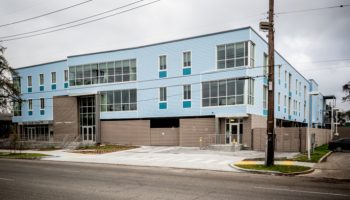
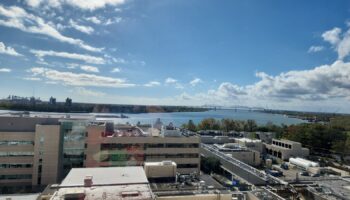
CrescentCare Medical Clinic

1631 Elysian Fields Ave New Orleans, LA 70117
Detox Service Setting
Inpatient DetoxOutpatient Detox
Levels Of Care
InpatientOutpatient
CrescentCare Medical Clinic

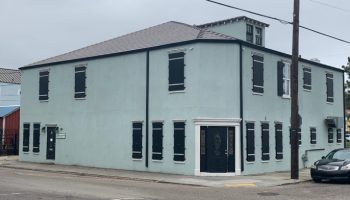
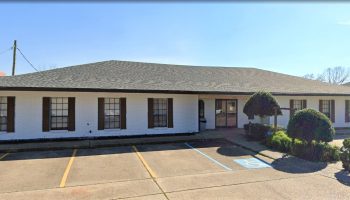
Greater New Orleans Adult & Teen Challenge

1905 Franklin Ave New Orleans, LA 70117
Detox Service Setting
Inpatient DetoxOutpatient Detox
Levels Of Care
InpatientOutpatient
Greater New Orleans Adult & Teen Challenge

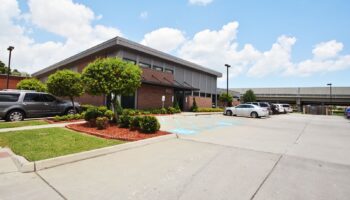
Imagine Recovery

728 Nashville Ave New Orleans, LA 70115
Detox Service Setting
Inpatient DetoxOutpatient Detox
Levels Of Care
InpatientOutpatient
Imagine Recovery

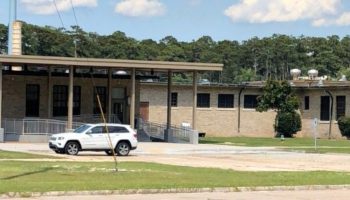
NOLA Detox and Recovery Center

4201 Woodland Dr New Orleans, LA 70131
Detox Service Setting
Inpatient DetoxOutpatient Detox
Levels Of Care
InpatientOutpatient
NOLA Detox and Recovery Center

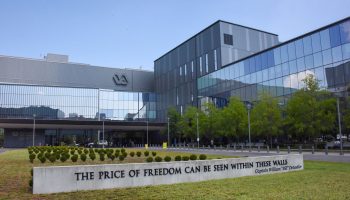
VA Southeast Louisiana health care

2400 Canal Street New Orleans, LA 70119
Detox Service Setting
Inpatient DetoxOutpatient DetoxMAT
Levels Of Care
InpatientPHPOutpatient+3
VA Southeast Louisiana health care

Integrity Behavioral Management

5610 Read Blvd New Orleans, LA 70127
Detox Service Setting
Inpatient DetoxOutpatient Detox
Levels Of Care
InpatientOutpatient

Odyssey House Louisiana Inc

1125 North Tonti Street New Orleans, LA 70119
Detox Service Setting
Inpatient DetoxOutpatient Detox
Levels Of Care
InpatientOutpatientSober Living

The Salvation Army Adult Rehabilitation Center

200 Jefferson Hwy New Orleans, LA 70121
Detox Service Setting
Inpatient DetoxOutpatient Detox
Levels Of Care
InpatientOutpatient

VA Southeast Louisiana Health Care

2400 Canal St New Orleans, LA 70119
Detox Service Setting
Inpatient DetoxOutpatient Detox
Levels Of Care
InpatientOutpatient

Lake Wellness Center Metairie Outpatient Addiction Treatment

4330 Loveland Street Metairie, LA 70006
Detox Service Setting
Inpatient DetoxOutpatient Detox
Levels Of Care
InpatientOutpatientDual Diagnosis
Lake Wellness Center Metairie Outpatient Addiction Treatment

Avenues Recovery Center at Louisiana Metairie

4933 Wabash Street Metairie, LA 70001
Detox Service Setting
Inpatient DetoxOutpatient DetoxMAT
Levels Of Care
InpatientOutpatientPHP+3
Avenues Recovery Center at Louisiana Metairie

Fontainebleau Treatment Center Mandeville

23861 Robin Road Mandeville, LA 70448
Detox Service Setting
Inpatient Detox
Levels Of Care
InpatientAftercareDual Diagnosis
Fontainebleau Treatment Center Mandeville

Covington Behavioral Health Hospital

201 Greenbriar Boulevard Covington, LA 70433
Detox Service Setting
Inpatient DetoxOutpatient Detox
Levels Of Care
InpatientOutpatientAftercare+1
Covington Behavioral Health Hospital

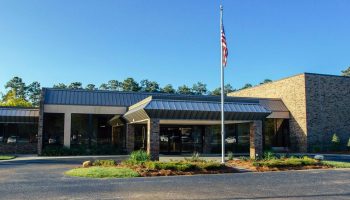
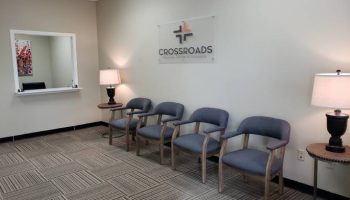
Crossroads Recovery Center of Louisiana

826 Louisiana 30 W Gonzales, LA 70737
Detox Service Setting
Inpatient DetoxOutpatient Detox
Levels Of Care
InpatientOutpatient
Crossroads Recovery Center of Louisiana

Crossroads Recovery Center of Louisiana

4626 Sherwood Common Blvd Baton Rouge, LA 70816
Detox Service Setting
Inpatient DetoxOutpatient Detox
Levels Of Care
InpatientOutpatient
Crossroads Recovery Center of Louisiana

Drug & Alcohol Detox in New Orleans, LA

Drug and alcohol detox programs in New Orleans are licensed by the Louisiana Department of Health (LDH) through its Health Standards Section (HSS), which oversees all Behavioral Health Service Providers (BHSPs) under Louisiana Administrative Code Title 48, Chapters 56 and 57.

These rules set the standards for staffing, clinical protocols and patient safety across detox, residential, outpatient and MAT providers in the city.

Additionally, the LDH Office of Behavioral Health (OBH) coordinates statewide behavioral health policy, oversees the Medicaid SUD program and administers the Louisiana State Opioid Treatment Authority.

Any detox or treatment facility operating in New Orleans must hold a current BHSP license from LDH-HSS.

Two important developments are reshaping local access to care. First, in 2024, the City awarded a contract to Tulane University to guide spending of opioid settlement funds; the resulting recommendation centered on a mobile harm reduction and care navigation unit, which was awarded to a team led by CrescentCare in March 2025.

Second, Louisiana Act No. 498 (2024) authorized the establishment of local Overdose Fatality Review panels, and the New Orleans Health Department (NOHD) is co-leading that effort with the Orleans Parish District Attorney’s Office, with formal case reviews beginning in 2025.

Knowing the difference between public safety-net programs and private facilities matters early in the search process, and understanding what level of medical support is right for your situation will help you narrow down your options before you call.

Find The Perfect Detox Center For You

Filter treatment centers in New Orleans by level of care offered to find the best detox program for you or a loved one.

Paying for Detox in New Orleans

The cost of detox in New Orleans depends on several factors: the substance being treated, the level of medical supervision required, whether care is provided in a hospital, residential facility, or outpatient setting and whether you carry insurance.

Fortunately, New Orleans has both private and publicly funded programs that serve people across a wide range of income levels. Understanding these variables before you call a facility can save time and help you compare options honestly.

How Much Does Detox Cost in New Orleans?

Costs in New Orleans track closely with Louisiana and national averages, in part, because publicly available city-specific pricing data is limited. The substance being treated, length of stay and medication needs are the biggest cost drivers.

Hospital-based medically managed detox is significantly more expensive than outpatient or residential options, but it is also the most appropriate setting for severe or complicated withdrawals.

$1,500 to $2,500 per day
Medical Detox
$200 to $900 per day
Inpatient Rehab
$1,000 to $5,000 for full treatment course
Outpatient Rehab
$115 to $400 per month
Methadone Treatment

Does Private Insurance Cover Detox in New Orleans?

Private insurance plans in Louisiana must comply with the Affordable Care Act (ACA), which requires mental health and substance use disorder coverage to be on equal footing with medical and surgical benefits.

Louisiana’s Department of Insurance oversees insurer compliance, and residents can verify coverage and find in-network providers through HealthCare.gov for marketplace plans.

The most common commercial insurers in the New Orleans market include:

Bcbs Louisiana
Aetna
Cigna
Humana
Ambetter
Amerihealth

Medicare and Medicaid in New Orleans

Medicare

Medicare covers inpatient and outpatient detox in New Orleans, including hospital-based medical detox under Part A and Opioid Treatment Program (OTP) services under Part B. Copays, deductibles and coverage details vary by Medicare Advantage plan and the specific treatment setting.

Call your Medicare plan directly to verify in-network providers before admission.

Medicaid

Louisiana Medicaid, known as Healthy Louisiana, covers detox and substance use disorder treatment, including medical withdrawal management, residential care, outpatient programs and MAT.

Louisiana’s SUD 1115 Demonstration Waiver, extended by CMS through December 31, 2027, allows Healthy Louisiana to reimburse services for eligible enrollees receiving treatment in Institutions for Mental Diseases (IMDs) beyond the standard 15-day federal cap, significantly expanding access to longer residential stays.

Other Ways to Pay for Detox Treatment

Do not let cost prevent you from seeking detox in New Orleans. Several programs serve people who are uninsured, underinsured, or unable to pay out of pocket:

Free Detox: 

Odyssey House Louisiana (OHL) operates a publicly funded, medically supported detox facility at no cost for Orleans Parish residents who do not have private insurance and do not need hospital-level care. OHL uses basic oral medications to manage withdrawal and has on-site physicians, nurses and counselors.

Sliding Scale Programs: 

The Odyssey House Community Health Center and Metropolitan Human Services District both operate on sliding fee scales, which are tied to income. Metropolitan Human Services District serves Orleans, Plaquemines and St. Bernard parishes and accepts Medicaid, Medicare and uninsured patients.

State-Funded Government Programs: 

Metropolitan Human Services District receives state funding and can connect residents to medication management, group therapy and addiction treatment regardless of ability to pay. This is a key safety-net resource for uninsured New Orleans residents who need outpatient SUD care.

Veterans Programs:

Veterans in the greater New Orleans area can access substance use disorder treatment through the Southeast Louisiana Veterans Health Care System (Michael E. DeBakey VA Medical Center). VA benefits cover medically supervised detox, inpatient treatment, MAT and outpatient counseling for eligible veterans at no or low cost.

New Orleans, Louisiana Regulations and Accreditation for Detox

Several key regulatory and accreditation bodies oversee detox and withdrawal management services in New Orleans:

Louisiana Department of Health, Health Standards Section (LDH-HSS)

LDH-HSS is the primary state licensing authority for Behavioral Health Service Providers (BHSPs) in Louisiana, including detox, residential SUD treatment, outpatient programs and IOP providers.

All facilities must meet standards set in Louisiana Administrative Code Title 48, Chapters 56 and 57, covering staffing ratios, clinical documentation, patient safety and Medicaid certification requirements.

Facilities are subject to initial licensure surveys and ongoing compliance inspections.

Website: ldh.la.gov

Louisiana Department of Health, Office of Behavioral Health (LDH-OBH)

OBH sets statewide behavioral health policy in Louisiana and manages the Medicaid SUD program, including the Healthy Louisiana 1115 SUD Demonstration Waiver.

OBH houses the Louisiana State Opioid Treatment Authority (SOTA), which certifies and oversees all Opioid Treatment Programs (OTPs) statewide and funds community-based SUD services through regional Human Services Districts, including the Metropolitan Human Services District in the New Orleans area.

Website: ldh.la.gov

Louisiana Administrative Code, Title 48, Chapters 56 and 57 (BHSP Standards)

These chapters constitute the regulatory rulebook for all licensed BHSP facilities in Louisiana.

Chapter 56 covers general BHSP licensing provisions, whereas Chapter 57 adds requirements specific to substance use disorder programs, including a 2024-effective rule (LAC 48:I-5712) that requires residential SUD facilities treating opioid use disorder to have on-site access to at least one FDA-approved opioid antagonist and one partial opioid agonist.

This rule operationalizes the earlier mandate introduced by Louisiana Act 425 (2019).

New Orleans Health Department (NOHD), Office of Behavioral Health

NOHD serves as the local public health authority for behavioral health programs in Orleans Parish. Through its Office of Behavioral Health, NOHD tracks overdose trends using data from the Orleans Parish Coroner and New Orleans EMS, coordinates Narcan distribution and overdose response training and directs the city’s opioid settlement fund spending.

NOHD co-leads the New Orleans Overdose Fatality Review panel alongside the Orleans Parish District Attorney’s Office, a formal multi-agency process authorized by Louisiana Act No. 498 (2024).

Website: nola.gov

Key MAT Medications and Regulatory Status in New Orleans

Providers in New Orleans offering medication-assisted treatment operate under both federal and state frameworks.

At the federal level, OTP-administered opioid agonist therapy must comply with SAMHSA’s rules under 42 CFR Part 8 and DEA registration requirements.

Louisiana Act 425 (2019) requires all licensed residential SUD facilities treating opioid use disorder to provide on-site access to at least one FDA-approved opioid antagonist and one partial agonist as a condition of licensure.

Louisiana OBH oversees MAT compliance at the state level and Healthy Louisiana Medicaid covers all three primary medications.

Buprenorphine: 

Following the federal MATE Act (2023), any DEA-licensed provider can prescribe buprenorphine without a separate waiver, removing the former X-waiver barrier. In New Orleans, buprenorphine is available at clinics, FQHCs and through telehealth, making it the most accessible MAT option for people seeking immediate, low-barrier treatment. Healthy Louisiana covers buprenorphine-based products, including Suboxone and Sublocade.

Methadone: 

Restricted to SAMHSA-certified Opioid Treatment Programs, methadone for opioid use disorder cannot be dispensed at standard pharmacies and must be administered at a licensed OTP or brought to a licensed residential facility. New Orleans has several OTPs operating in the metro area, including BayMark BAART Programs. Healthy Louisiana covers methadone through certified OTPs.

Naltrexone: 

Non-addictive and not controlled, naltrexone requires no special facility certification and can be prescribed by any licensed provider. The injectable extended-release formulation (Vivitrol) is widely used in New Orleans, particularly for alcohol use disorder and as a post-detox opioid relapse-prevention tool. Healthy Louisiana covers both oral naltrexone and injectable Vivitrol.

Overdose Prevention and Harm Reduction in New Orleans

New Orleans has an active harm reduction network built by a combination of community-led volunteers, federally qualified health centers and the city health department.

The primary focus is keeping people who use drugs alive through naloxone distribution, syringe exchange, drug-checking tools and linkage to treatment.

Furthermore, Louisiana law protects anyone who calls 911 during an overdose emergency under a Good Samaritan statute, providing immunity from drug possession charges for the caller and the person experiencing the overdose.

Given that fentanyl was detected in 71% of New Orleans overdose deaths in 2024, access to naloxone and drug-checking resources has never been more critical. As well, stimulant use is also rising, with cocaine detected in 65% of 2024 overdose deaths, often in combination with opioids.

Trystereo

Mobile sterile syringe and smoking equipment distribution Free naloxone (Narcan) with overdose response training Fentanyl and xylazine test strips HIV/HCV information and resource referrals Wound care kits and training on request Spanish language services available

Founded in 2011, Trystereo is an all-volunteer harm reduction collective serving southeastern Louisiana.

They operate on a mobile schedule with regular drop-in times at locations including St. Claude and Caffin (Mondays 5:30-7 pm) and Duncan Plaza (Tuesdays 3-4 pm). Supplies can also be delivered by contacting them directly.

CrescentCare New Orleans Syringe Access Program (NOSAP)

Sterile syringes and safe injection materials Safe disposal of used syringes Naloxone distribution and overdose prevention education MAT referrals and Medicaid enrollment assistance Bulk exchange Wednesdays 12-4 pm and Fridays 12-5 pm

CrescentCare’s NOSAP is one of New Orleans’ largest and longest-running syringe service programs, operating since 2014 out of CrescentCare’s health system.

In March 2025, CrescentCare was awarded city opioid settlement funding to lead a new mobile harm reduction and care navigation unit, which will expand services to people not connected to traditional healthcare.

New Orleans Health Department (NOHD) Narcan Distribution Program

Free Narcan kits (two nasal-spray doses per kit) distributed at community outreach events Overdose response training for community members and organizations Train-the-trainer certification for agencies that distribute naloxone to clients Narcan provided to partner agencies, including healthcare for the homeless

NOHD coordinates citywide overdose prevention through outreach events informed by real-time EMS data and ODMAP mapping.

In 2024, NOHD certified 19 additional overdose response trainers through its train-the-trainer program.

Free Narcan is also available at four New Orleans Fire Department stations (Magazine St, Decatur St, Read Blvd, and General De Gaulle Dr).

Odyssey House Louisiana S.A.F.E.R. Program

Syringe Access For Everyone, Really (S.A.F.E.R.) Naloxone distribution and overdose education Linkage to on-site detox Residential treatment and outpatient programs Low-barrier shelter with no sobriety requirement Primary care through the Odyssey House Community Health Center

Odyssey House Louisiana integrates harm reduction directly into its continuum of care. The S.A.F.E.R. program distributes sterile supplies and naloxone while connecting people to the full range of OHL services, including the free medically supported detox program and primary care, at its South Broad Avenue campus.

Detox Statistics in New Orleans, Louisiana

New Orleans saw a significant drop in overdose deaths in 2024, with fentanyl remaining the primary driver even as stimulant-involved deaths continued to climb.

The following data comes from the Orleans Parish Coroner’s Office and the New Orleans Health Department’s 2024 Annual Opioid Report, released June 2025.

44% Drop in Overdose Deaths: 

The Orleans Parish Coroner recorded 293 accidental overdose deaths in 2024, down from a record high of 523 in 2023, the largest single-year decline since tracking began.

71% of Deaths Involved Fentanyl: 

Fentanyl was detected in 71% of 2024 overdose deaths, a decrease from 86% in 2023, suggesting partial progress but continued dominance of synthetic opioids in the local drug supply.

859% Rise in Bystander Naloxone Saves:

Bystander-administered Narcan grew from 22 administrations in 2019 to 211 in 2024, a 859% increase, making community members an increasingly critical part of the city’s overdose response.

FAQs About Detox in New Orleans, LA

Is there free detox in New Orleans for people without insurance?

Yes. Odyssey House Louisiana operates a state-funded, medically supported detox program at no cost for uninsured Orleans Parish residents. The program is appropriate for people withdrawing from opioids, alcohol, benzodiazepines and other substances and does not require private insurance or the ability to pay.

Call OHL directly at 504-821-9211 to inquire about bed availability and intake.

Does Louisiana's Good Samaritan law protect me if I call 911 during an overdose?

Yes. Louisiana’s 911 Good Samaritan law provides civil and criminal immunity for drug possession charges to anyone who calls 911 in good faith during a drug-related overdose emergency.

The protection applies to the caller and to the person experiencing the overdose. This law is intended to remove fear of arrest as a barrier to calling for help.

Do I need to go to a specific clinic every day if I start methadone in New Orleans?

For the first several weeks of treatment, yes. Federal regulations require daily in-person dosing at a certified Opioid Treatment Program (OTP) until a patient earns take-home doses through consistent attendance and negative drug screens.

OTPs in the New Orleans metro area include BayMark and BAART Programs.

As treatment progresses and stability is demonstrated, the frequency of required clinic visits decreases.

How do inpatient and outpatient detox differ for someone in New Orleans?

Inpatient detox involves round-the-clock medical supervision in a residential or hospital setting, which is the appropriate level of care for alcohol withdrawal, benzodiazepine dependence or any situation where severe withdrawal complications are likely.

Conversely, outpatient detox allows someone to live at home and attend scheduled clinical visits.

The right choice depends on the substance, the severity of physical dependence, and whether the home environment can safely support recovery.

What should I expect from the intake process at a New Orleans detox center?

Most New Orleans detox facilities begin with a brief clinical intake assessment covering substance use history, current medications, physical health conditions and insurance or payment status.

You will typically need a photo ID and, if applicable, your insurance card. Some publicly funded programs, like OHL, have minimal documentation requirements.

It helps to call ahead to confirm what is needed so you can arrive prepared.

Does New Orleans have detox options for people with co-occurring mental health conditions?

Yes. Several New Orleans facilities offer integrated treatment for co-occurring substance use and mental health conditions, including River Oaks Hospital and programs within the Ochsner Addictive Behavior Unit.

Metropolitan Human Services District also provides dual-diagnosis outpatient services for Orleans Parish residents.

Letting a facility know about mental health history during intake ensures they place you in the right level of care from the start.

Two people talking
Get Help Today!
If you or a loved one is in need of help, call today. Pick up the phone and get the help you need.
800-483-2193
Confidential. Available 24 Hours
Get Help Today Phone icon 800-779-4314