

 800-671-4304
Milwaukee VA Medical Center – Appleton VA John H. Bradley VA Outpatient Clinic
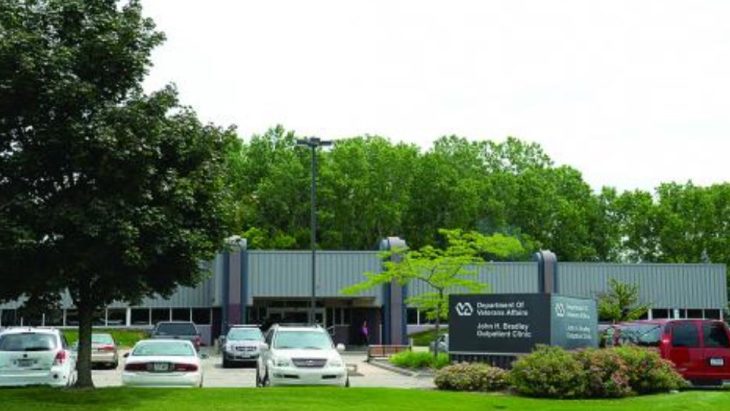
About Milwaukee VA Medical Center – Appleton VA John H. Bradley VA Outpatient Clinic
John H. Bradley Department of Veterans Affairs Outpatient Clinic serves veterans in metropolitan Appleton, Wisconsin, and nearby areas. They primary care alongside a broad spectrum of specialty services. These cuts across behavioral healthcare, alternative therapy, and social support services. Their specialized programs include mental health support, PTSD care treatment for substance use, or addictive drugs, alcohol, and tobacco.
They offer inpatient and outpatient substance use recovery programs. These programs can also help you tackle co-occurring disorders. This is when you’re simultaneously dealing with both substance use and mental issues.
Their inpatient program may begin with detox after assessment and personalized treatment planning. Detox is a carefully managed withdrawal procedure that removes addiction related toxins from your body.
After detox comes rehab. This is a structured and intense program involving counseling, group therapy and educational programs. The goal is to help uncover the underlying psychological issues fueling your substance use and equip you with healthier coping tools. You may learn life skills like effective communication, stress/anger management, problem solving and relationship building. They only have outpatient rehab here, but can refer you to an inpatient center if your symptoms are acute.
This program is also suitable if you just want to address moderate to mild symptoms of substance use disorder. It allows you to receive therapy while maintaining your work or family commitments. Thanks to their secured telehealth support, you can even receive this therapy in the comfort of your home. This includes both videoconferencing and home telehealth services.
You may receive medication assisted treatment (MAT) if you’re dealing with opioid dependence or alcoholism. The technique uses meds alongside counseling to help you manage withdrawal symptoms and support lasting recovery.
You can also receive alternative therapy via their patient centered whole health care. This involves meditation/mindfulness training, massage therapy and acupuncture. Yoga, tai chi and qigong classes are all aspects of this program. Integrating both approaches is a sure way to tackle your behavioral challenges and improve your health and well being.
The facility offers broad social support services to support vulnerable veterans. For instance, the homeless veteran’s care can be a lifesaver if you’re homeless or at risk of homelessness due to substance misuse. You may receive financial support, transitional or permanent housing and job training/life skills development.
They have multiple funding options to enhance accessibility. These include private and public insurance like Medicare, Medicaid and TRICARE. I especially like that you can qualify for care in this facility even if you’re not enrolled in VA health care. It’s also great that they provide same day help and support walk-in express care for urgent health.
| Levels of Care | Detox Service Setting | Programs | Payment Options | ||||||
|---|---|---|---|---|---|---|---|---|---|
|
Inpatient and residential programs provide round-the-clock medical and emotional support as you live at the treatment facility. This level of care may be recommended if you have severe addictions or mental health conditions since it removes outside distractions and allows you to focus solely on therapy. |
In outpatient therapy, you’ll attend therapy sessions several times each week while living at home. This is ideal if you have a strong support system and a lower risk of relapse. Outpatient treatment offers flexibility to maintain work, school or family obligations. |
Aftercare programs provide ongoing support after you complete a rehab program. They may include several components to help you maintain sobriety including therapy, community support groups and relapse prevention strategies. This gives you a network of resources as you reintegrate into your daily life. |
Dual diagnosis programs address substance use disorders and co-occurring mental health conditions simultaneously. This integrated approach to care improves the likelihood of long term recovery and stability by addressing the root causes of addiction. |
Sober living homes provide a supportive and substance free environment for you to live in as you overcome your addiction. Residents must follow house rules and support each other's recovery journeys. Sober living fosters accountability and stability during this critical phase of recovery. |
|||||
|
Inpatient detox occurs in a dedicated treatment facility. You’ll live there around the clock and receive intensive medical support and supervision to help manage your withdrawal symptoms. It is suitable for individuals with moderate to severe addictions as it ensures a stable detox environment. |
Outpatient detox gives you access to medically supervised withdrawal services while still allowing you to live at home. You’ll attend a clinic for treatment and monitoring. This flexible option is suitable for those with mild to moderate withdrawal symptoms who have strong support systems. |
Medication assisted treatment combines medication and counseling to manage withdrawal and reduce cravings for opioid and alcohol addiction. Medications may include methadone, buprenorphine or naltrexone. MAT is tailored to your needs so you can actively participate in your treatment journey. |
|||||||
|
Adult programs address the substance use and life challenges specific to adults. Therapists can deliver sessions in individual, group and family settings. Services often include job support and life skills training in a structured environment. |
Cognitive behavioral therapy focuses on changing harmful thought patterns and behaviors associated with addiction. You’ll learn healthier coping mechanisms by identifying and replacing negative thoughts. This improves your emotional resilience and decreases your relapse potential. |
Men's programs address substance use while also considering the social pressures, family roles and mental health concerns that are specific to men. You’ll learn healthy coping mechanisms as you build emotional resilience and develop communication skills. |
Military and veteran programs offer specialized support for clients who served in the armed services. Programs focus on reintegration and healing within a structured and supportive environment that acknowledges the unique struggles of military life. |
Senior programs address the unique needs of older adults like chronic pain, grief and isolation. Programs include peer support and medical oversight for age related health concerns. The goal is to improve quality of life and promote sober aging. |
Women's programs offer a safe and supportive space to focus on gender specific issues such as trauma, family roles and mental health conditions. Therapists tailor the sessions to address women's needs and foster empowerment in a healing and nurturing environment. |
Young adult programs are designed for individuals who are transitioning into adulthood. Topics of discussion typically include identity, independence and peer relationships. Providers may also offer life skills training and career support. |
Drug detox programs support individuals who are withdrawing from addictive substances like cocaine and heroin. Medical support helps you manage symptoms in a controlled and safe environment so you can achieve initial sobriety. |
Alcohol detox programs offer medical support to help individuals withdraw safely from alcohol. Your care team may use medications to ease your symptoms and provide medical monitoring to address complications. |
Opioid detox uses medications to ease severe withdrawal symptoms. It also includes medical supervision to help you manage potential complications. These services allow you to stabilize and begin a recovery plan. |
|
Payment Assistance
|
Free
|
Medicare
|
Military Insurance
|
Private Insurance
|
Self Pay
|
Levels of Care
Inpatient and residential programs provide round-the-clock medical and emotional support as you live at the treatment facility. This level of care may be recommended if you have severe addictions or mental health conditions since it removes outside distractions and allows you to focus solely on therapy.
In outpatient therapy, you’ll attend therapy sessions several times each week while living at home. This is ideal if you have a strong support system and a lower risk of relapse. Outpatient treatment offers flexibility to maintain work, school or family obligations.
Aftercare programs provide ongoing support after you complete a rehab program. They may include several components to help you maintain sobriety including therapy, community support groups and relapse prevention strategies. This gives you a network of resources as you reintegrate into your daily life.
Dual diagnosis programs address substance use disorders and co-occurring mental health conditions simultaneously. This integrated approach to care improves the likelihood of long term recovery and stability by addressing the root causes of addiction.
Sober living homes provide a supportive and substance free environment for you to live in as you overcome your addiction. Residents must follow house rules and support each other's recovery journeys. Sober living fosters accountability and stability during this critical phase of recovery.
Detox Service Setting
Inpatient detox occurs in a dedicated treatment facility. You’ll live there around the clock and receive intensive medical support and supervision to help manage your withdrawal symptoms. It is suitable for individuals with moderate to severe addictions as it ensures a stable detox environment.
Outpatient detox gives you access to medically supervised withdrawal services while still allowing you to live at home. You’ll attend a clinic for treatment and monitoring. This flexible option is suitable for those with mild to moderate withdrawal symptoms who have strong support systems.
Medication assisted treatment combines medication and counseling to manage withdrawal and reduce cravings for opioid and alcohol addiction. Medications may include methadone, buprenorphine or naltrexone. MAT is tailored to your needs so you can actively participate in your treatment journey.
Programs
Adult programs address the substance use and life challenges specific to adults. Therapists can deliver sessions in individual, group and family settings. Services often include job support and life skills training in a structured environment.
Cognitive behavioral therapy focuses on changing harmful thought patterns and behaviors associated with addiction. You’ll learn healthier coping mechanisms by identifying and replacing negative thoughts. This improves your emotional resilience and decreases your relapse potential.
Men's programs address substance use while also considering the social pressures, family roles and mental health concerns that are specific to men. You’ll learn healthy coping mechanisms as you build emotional resilience and develop communication skills.
Military and veteran programs offer specialized support for clients who served in the armed services. Programs focus on reintegration and healing within a structured and supportive environment that acknowledges the unique struggles of military life.
Senior programs address the unique needs of older adults like chronic pain, grief and isolation. Programs include peer support and medical oversight for age related health concerns. The goal is to improve quality of life and promote sober aging.
Women's programs offer a safe and supportive space to focus on gender specific issues such as trauma, family roles and mental health conditions. Therapists tailor the sessions to address women's needs and foster empowerment in a healing and nurturing environment.
Young adult programs are designed for individuals who are transitioning into adulthood. Topics of discussion typically include identity, independence and peer relationships. Providers may also offer life skills training and career support.
Drug detox programs support individuals who are withdrawing from addictive substances like cocaine and heroin. Medical support helps you manage symptoms in a controlled and safe environment so you can achieve initial sobriety.
Alcohol detox programs offer medical support to help individuals withdraw safely from alcohol. Your care team may use medications to ease your symptoms and provide medical monitoring to address complications.
Opioid detox uses medications to ease severe withdrawal symptoms. It also includes medical supervision to help you manage potential complications. These services allow you to stabilize and begin a recovery plan.
Amenities
Accreditations

Contact


- Monday 8AM - 4:30PM
- Tuesday 8AM - 4:30PM
- Wednesday 8AM - 4:30PM
- Thursday 8AM - 4:30PM
- Friday 8AM - 4:30PM

Chika Uchendu is a multi-niche and seasoned SEO writer with expertise in personal finance, technology and health. He’s had over 10 years of experience creating impactful content that resonates with diverse audiences. His journalism and digital marketing background enables him to combine data-driven analysis with engaging storytelling. This helps drive engagement and grants target audiences access to valuable information.
Chika has worked for Benzinga, Motley Fool, Webopedia and many other popular online media outlets on a freelance and contractual basis. He is using his voice to drive awareness and meaningful change among people dealing with the pandemic of substance use disorder. Chika is an ambivert who enjoys sports, hiking, reading and video gaming.

Peter W.Y. Lee is a historian with a focus in American Cold War culture. He has examined how popular culture has served as a coping mechanism for the challenges and changes impacting American society throughout the twentieth century.
Nearby Detox Centers

Search by Wisconsin Cities
FAQs
What medications does the Appleton VA clinic use for alcohol and opioid detox?
The Appleton VA John H. Bradley VA Outpatient Clinic offers medication-assisted treatment (MAT) for both alcohol and opioid use disorders. For alcohol treatment, the clinic provides naltrexone, topiramate, acamprosate, and disulfiram. For opioid addiction, buprenorphine (Suboxone), naltrexone, and topiramate are available as evidence-based medication options.
Is outpatient detox available for Veterans in Appleton, Wisconsin?
Yes, the Milwaukee VA Medical Center’s Appleton location provides outpatient substance use disorder treatment, including drug detox and alcohol detox services for Veterans. The clinic is located at 10 Tri-Park Way in Appleton and operates Monday through Friday from 8:00 a.m. to 4:30 p.m., with telehealth options available.
Does the Appleton VA clinic treat PTSD and addiction together?
The Appleton VA clinic integrates mental health care with addiction services for Veterans. The medical team provides evidence-based treatment for posttraumatic stress disorder (PTSD) alongside substance use disorder care, including individual and group therapy. This integrated approach addresses both conditions as part of comprehensive behavioral health support.
Can Veterans access detox care through telehealth at the Appleton VA?
Yes, the Appleton VA John H. Bradley clinic offers telehealth services including VA Video Connect, allowing Veterans to receive substance use disorder treatment and mental health care from home or on the go. Appointments can be scheduled by calling the clinic or by requesting a consultation through a primary care provider.
What should Veterans do if they need emergency mental health support?
Veterans experiencing an emotional crisis can call the Veterans Crisis Line at 988 and press 1 for immediate assistance. For life-threatening emergencies, Veterans should call 911 or go to the nearest emergency room. The Appleton VA clinic also offers same-day help for Veterans in crisis during business hours.